Artwork
Porta San Giovanni and Porta Asinaria, Rome
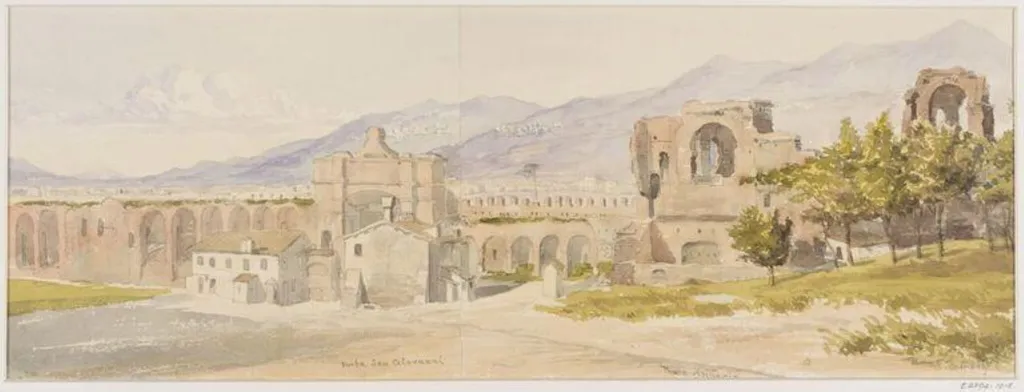
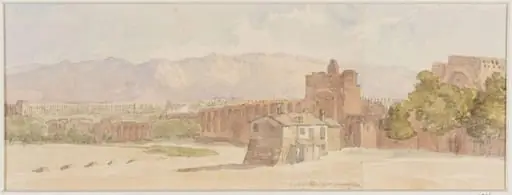
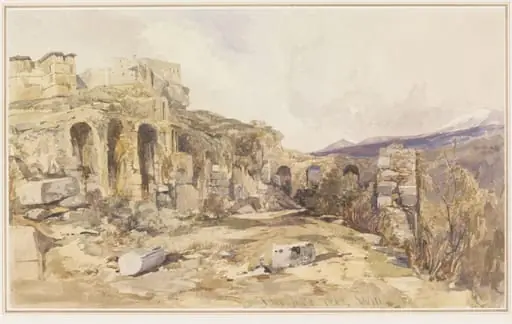
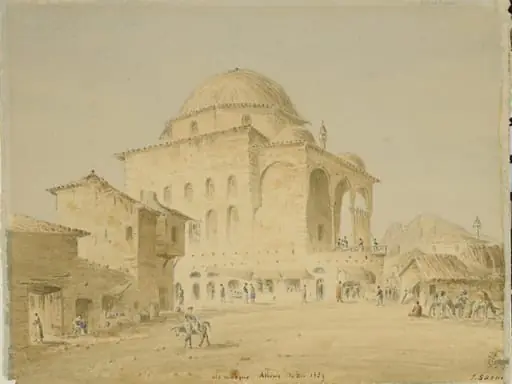
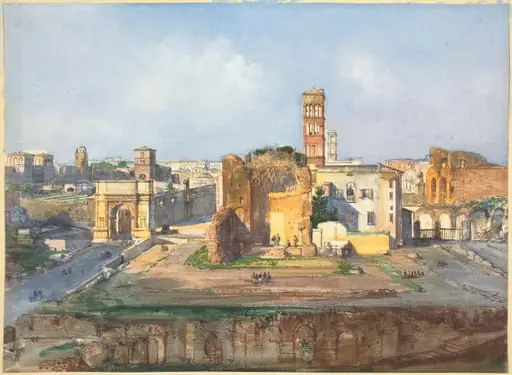
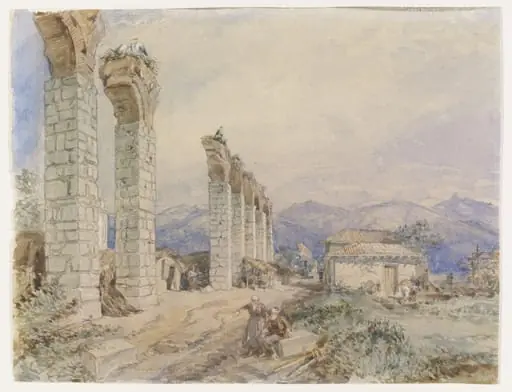
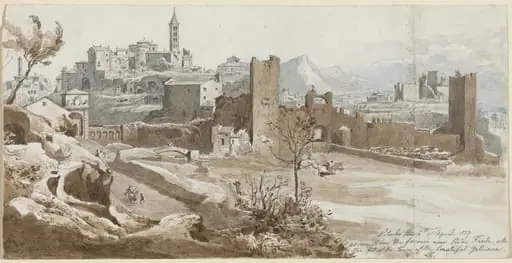
Porta San Giovanni and Porta Asinaria, Rome is a watercolor work on paper by the British Romanticist artist Thomas Brittain Vacher. It dates from 1857 and is held in the collection of the Victoria and Albert Museum. This watercolour captures two ancient Roman gates—Porta San Giovanni and Porta Asinaria—along the Aurelian Walls.
About this work
Overview
The scene is rendered with delicate washes and soft edges, emphasizing the weathered stone and the quiet decay of the structures.
This watercolour captures two ancient Roman gates—Porta San Giovanni and Porta Asinaria—along the Aurelian Walls. The scene is rendered with delicate washes and soft edges, emphasizing the weathered stone and the quiet decay of the structures. A hazy horizon of distant hills and a narrow ribbon of river frame the composition, while sparse vegetation and modest dwellings ground the view in everyday rural life near the city’s edge.
Subject & Meaning
The painting presents the gates not as monuments of grandeur, but as enduring elements of the landscape. Their partial ruin and integration with surrounding buildings suggest a continuity between ancient infrastructure and local habitation. The absence of human figures and the calm sky imply a contemplative stillness, reflecting the passage of time rather than historical spectacle.
Technique & Style
The artist employed light, transparent watercolour washes to convey the erosion of stone and atmospheric depth. Loose, fluid brushwork defines the crumbling masonry, while subtle tonal shifts suggest sunlight filtering through haze. Delicate touches of green for grass and foliage contrast with the muted ochres and greys of the walls, reinforcing the sense of natural reclamation over time.
History & Provenance
The work is held in the collection of the Victoria and Albert Museum, acquired as part of a 19th-century collection of topographical watercolours. It likely dates from the early to mid-1800s, a period when British and European artists frequently documented Roman ruins as part of Grand Tour traditions, valuing their quiet decay over idealized classical forms.
Context
During the 19th century, Rome’s ancient walls were no longer defensive structures but integrated into the city’s rural periphery. Artists and travellers recorded these sites not as ruins to be restored, but as living remnants of history. This watercolour reflects a shift toward documenting the ordinary, weathered presence of antiquity rather than its reconstructed glory.
Legacy
The painting contributes to a broader 19th-century visual record of Rome’s less-visited archaeological sites. Its understated realism and attention to texture and atmosphere influenced later topographical studies, offering a counterpoint to romanticized depictions of antiquity. It remains a quiet testament to how ancient structures were perceived in daily life, not just as relics, but as part of the land.
Artist & collection
Artist
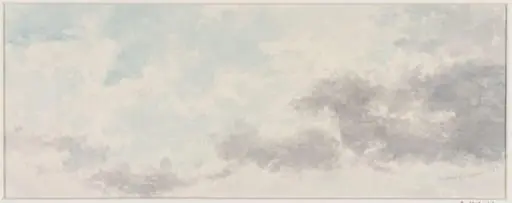
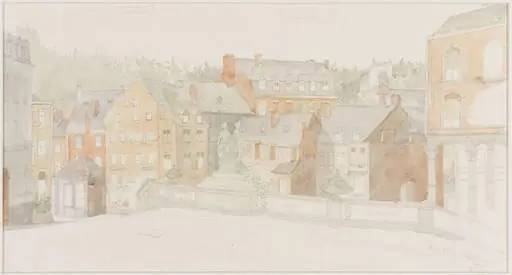
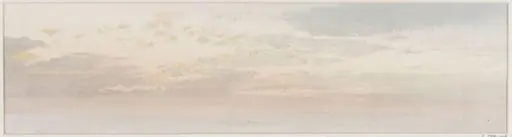
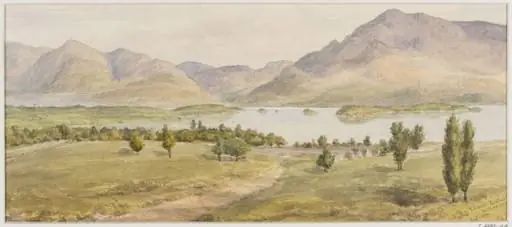
Thomas Brittain Vacher painted watercolours of skies, city streets and lakes in the 1800s.