Artwork
Self-portrait
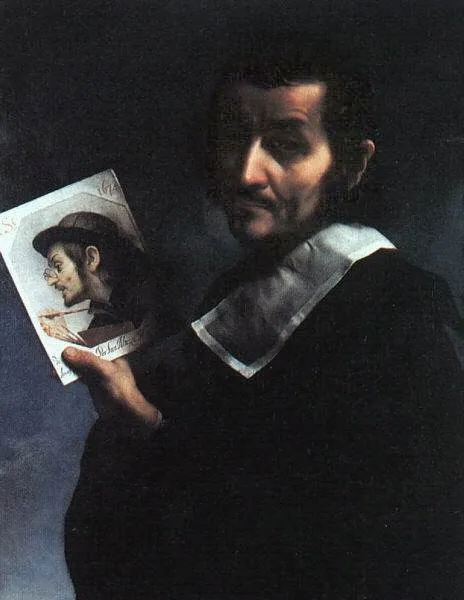
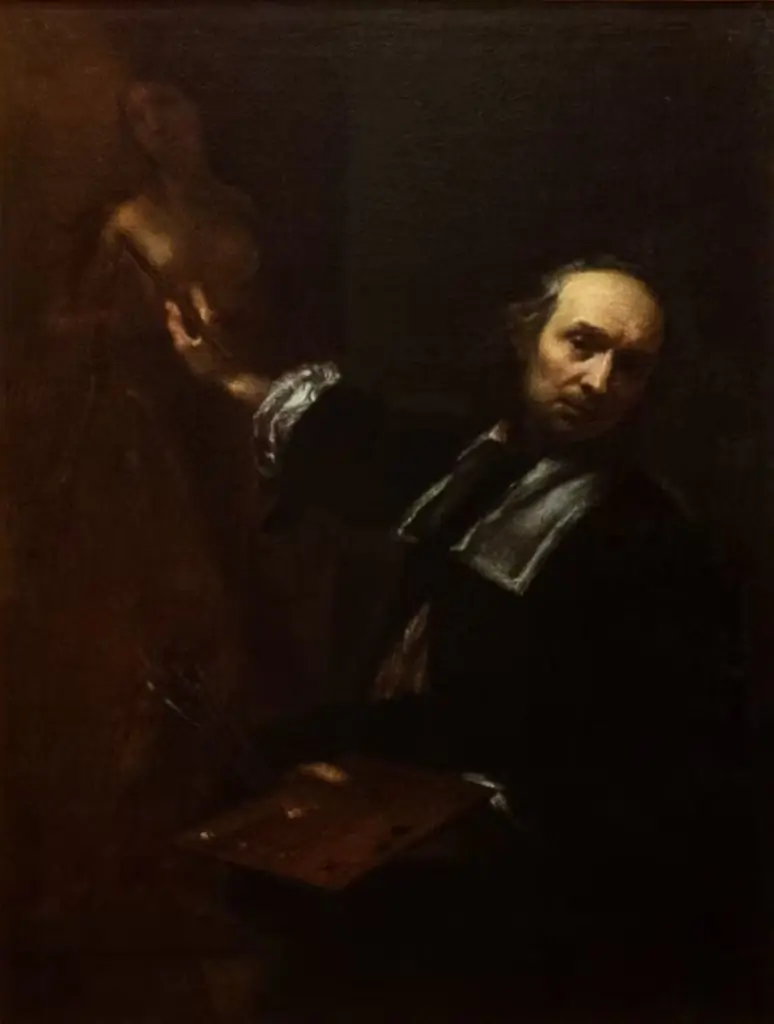
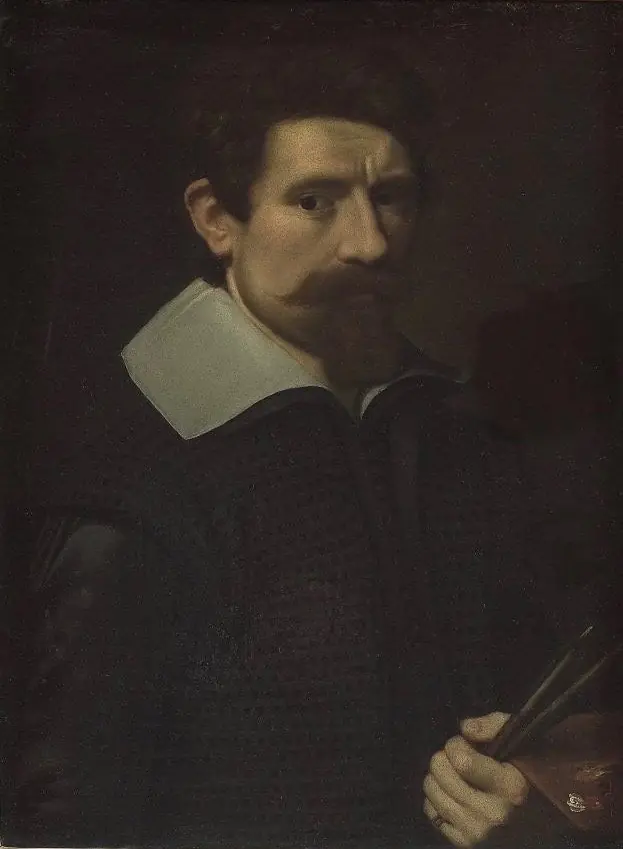
Self-portrait is an oil painting by the Early Baroque Italian artist Carlo Dolci. It dates from 1674 and is held in the collection of the Uffizi Gallery.
About this work
Overview
It is now part of the Uffizi Gallery’s collection, where it reflects his technical precision and introspective approach.
Carlo Dolci painted this self-portrait in 1674 using oil on panel, during his mature period in Florence. A leading figure in the local Baroque scene, he was known for his refined technique and devotional subjects. This work stands apart as a rare personal statement, contrasting with his more common religious commissions. It is now part of the Uffizi Gallery’s collection, where it reflects his technical precision and introspective approach.
Subject & Meaning
Dolci presents himself holding a smaller portrait of his own likeness, creating a layered representation of identity. He gazes directly at the viewer, his expression calm and unsmiling, suggesting self-contemplation rather than vanity. The embedded portrait, showing him in a different pose and attire, introduces a meta-visual dialogue between the artist’s public and private selves, hinting at the duality of artistic persona and personal reality.
Technique & Style
Dolci employed fine brushwork and subtle chiaroscuro to model his features with exceptional clarity. The dark, unbroken background isolates the figure, enhancing the three-dimensionality of his face and hands. The textures of the white collar and dark robe are rendered with meticulous care, while the miniature portrait within the composition mirrors the same level of detail, reinforcing his mastery of surface and light.
History & Provenance
The painting remained in Florence throughout its early history, likely within Dolci’s circle or among patrons familiar with his work. It entered the Uffizi collection in the 18th century, where it was cataloged among portraits of artists. Its preservation reflects the esteem in which Dolci’s technical skill was held, even as his religious imagery fell out of favor in later centuries.
Context
In mid-17th century Florence, portraiture was less dominant than religious and mythological painting. Dolci’s self-portrait aligns with a quiet tradition among artists who used the genre to assert professional identity. Unlike the flamboyant self-representations of some contemporaries, Dolci’s is restrained, echoing the city’s emphasis on piety and craftsmanship over theatricality.
Legacy
Though Dolci’s popularity waned after his death, this self-portrait endures as a testament to his disciplined technique and introspective vision. It offers insight into how a painter of devotional subjects viewed himself—not as a celebrity, but as a craftsman engaged in quiet, deliberate work. The painting remains a key reference for understanding the personal dimension of Baroque Florentine art.
Artist & collection
Artist
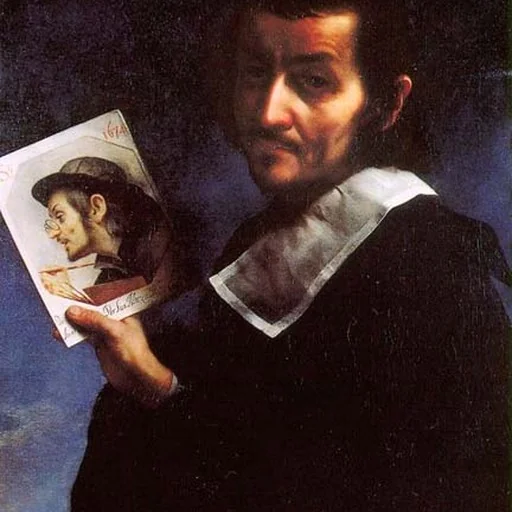
Carlo (or Carlino) Dolci (25 May 1616 – 17 January 1686) was an Italian Baroque painter active mainly in Florence, known for highly finished religious pictures, often repeated in many versions.