Artwork
Farmers waiting for an offer at Khamgaom cotton market
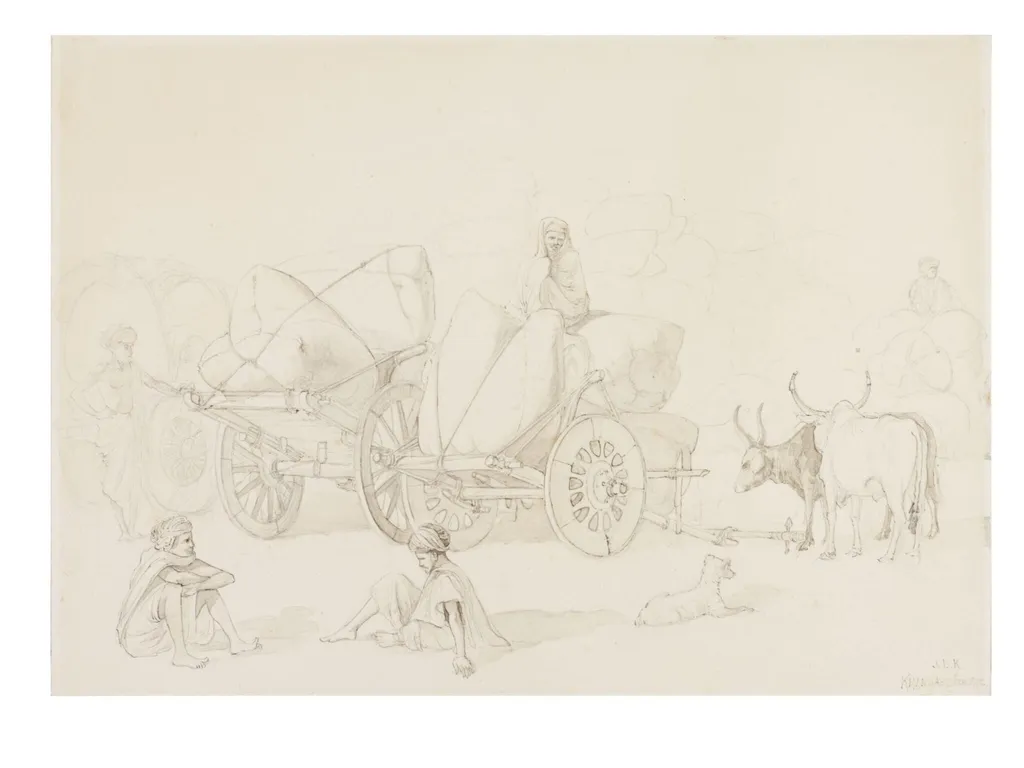
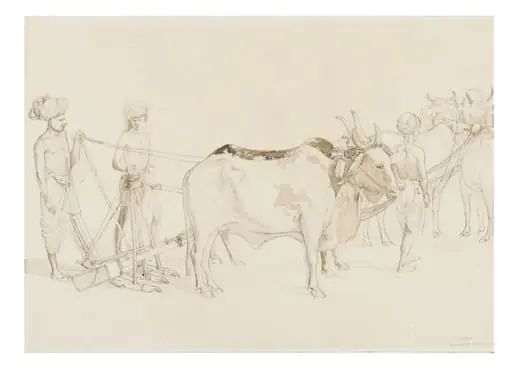
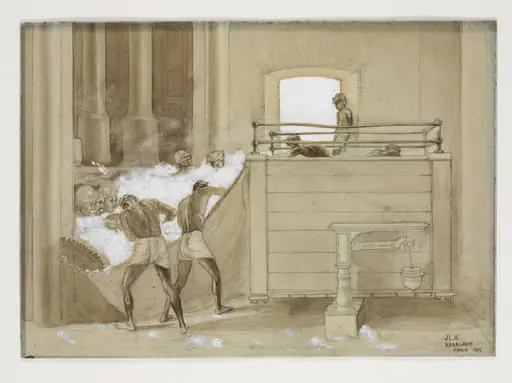
Farmers waiting for an offer at Khamgaom cotton market is a drawing by the Impressionist artist John Lockwood Kipling. It dates from 1872 and is held in the collection of the Victoria and Albert Museum.
About this work
Overview
This drawing, 'Farmers waiting for an offer at Khamgaom cotton market', is part of a series created by John Lockwood Kipling during his 1872 visit to Khamgaon in Berar. The work captures a moment in the local cotton market, reflecting Kipling's fascination with cotton cultivation processes.
Subject & Meaning
The drawing focuses on farmers awaiting offers at the Khamgaom cotton market, highlighting the human aspect of the cotton trade in 19th-century India. It conveys Kipling's interest in documenting everyday life and economic activities of Indian craftsmen and traders.
Technique & Style
While specific technical details of this drawing are not provided, Kipling's works from this period are known for their observational accuracy and detailed rendering, likely executed in a medium suitable for on-site sketches, such as pencil, ink, or watercolor.
History & Provenance
Commissioned by the government in 1870 to document Indian craftsmen, Kipling produced this drawing two years later in Khamgaon. Its current location and full provenance are not specified in the provided information.
Context
Created during the British colonial era, the drawing reflects Kipling's role in promoting Indian crafts amidst declining traditional practices due to European imports. It also ties into the broader colonial context of documenting Indian life.
Legacy
As part of Kipling's body of work documenting Indian crafts and life, this drawing contributes to the historical record of 19th-century Indian economic and social practices. Its direct influence or legacy in art historical terms is not detailed in the provided sources.
Artist & collection
Artist
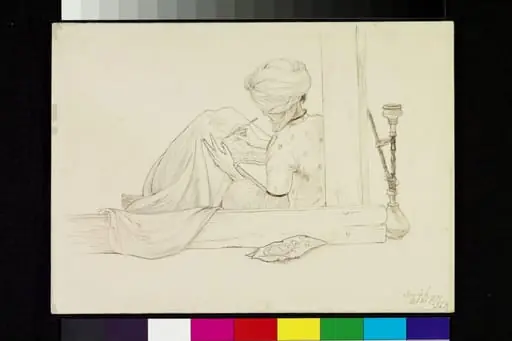
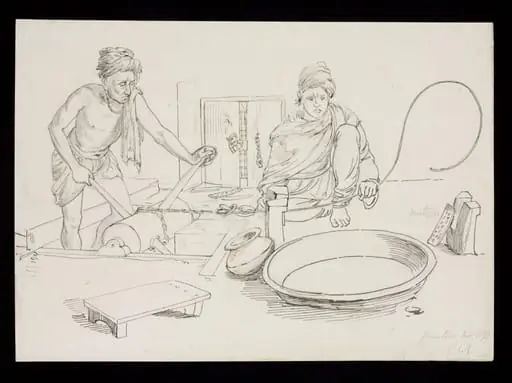
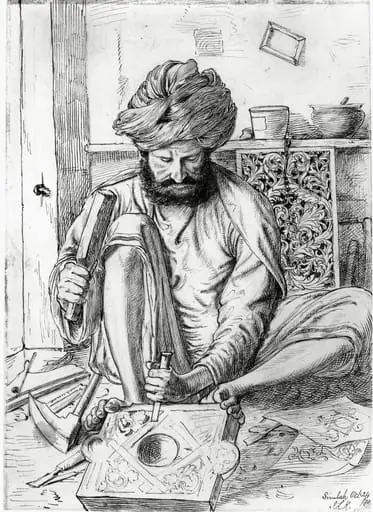
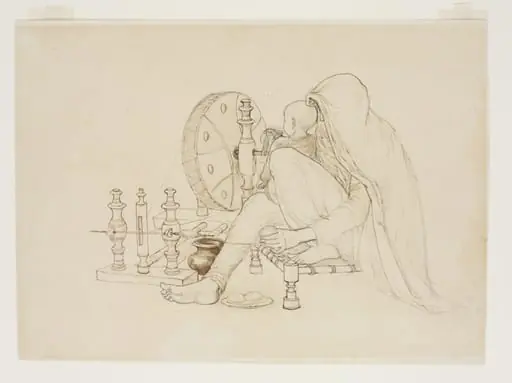
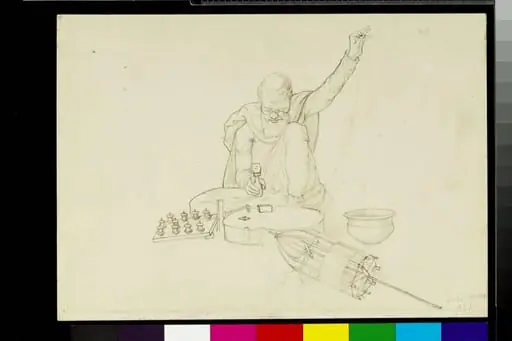
John Lockwood Kipling filled sketchbooks with the daily life he saw around him in British India, drawing craftsmen at work, farmers at market, and seed planters in fields.

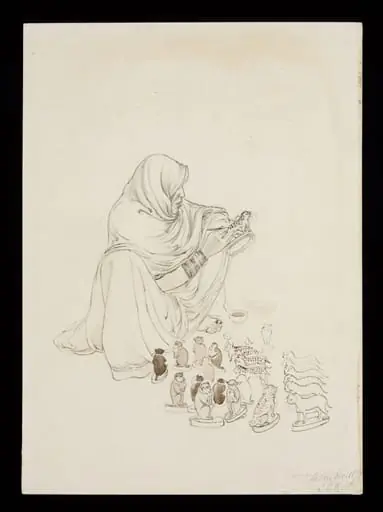
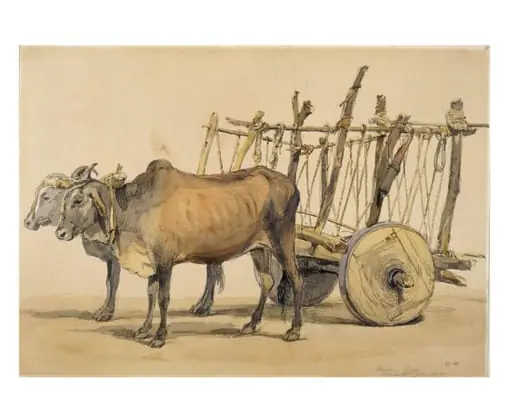 Deccani bullock cart
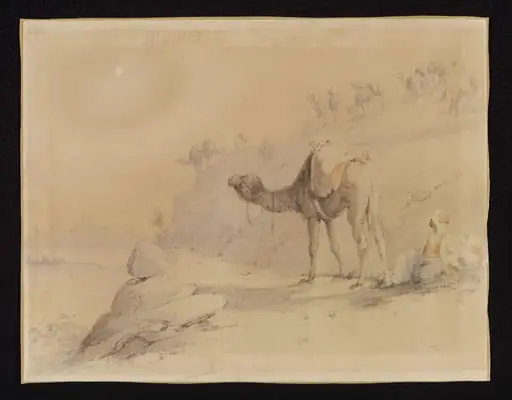 On the Road from Smyrna to Brussa
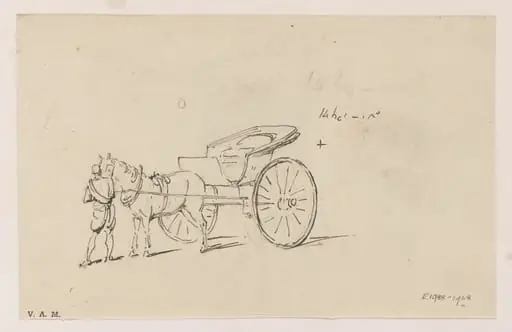 An Indian figure with a horse and carriage
 Italiensk fragtvogn
 Les Courses de Deauville
 Liber Studiorum: St. Catherine's Hill, near Guilford
 Jaunting car passing under an archway
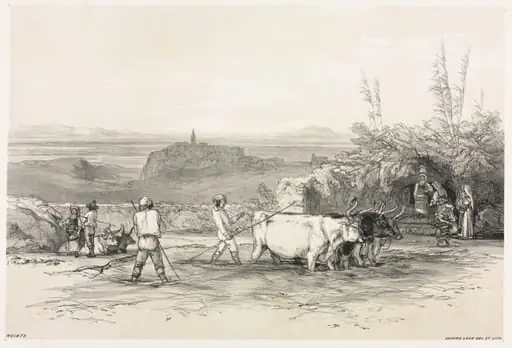 Views in Rome and Its Environs: Roiate
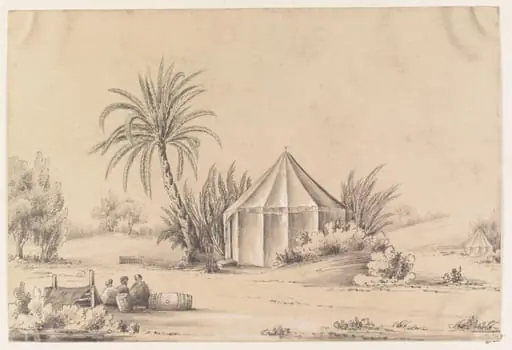 A Scene in the Desert Wady Gharendl
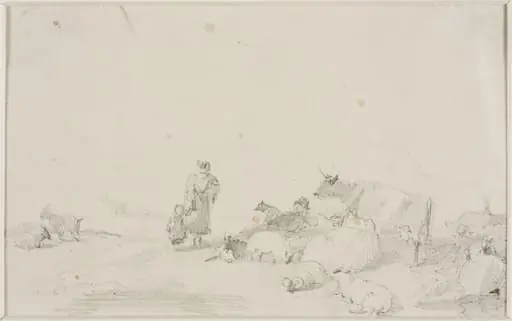 Cattle, sheep and goats