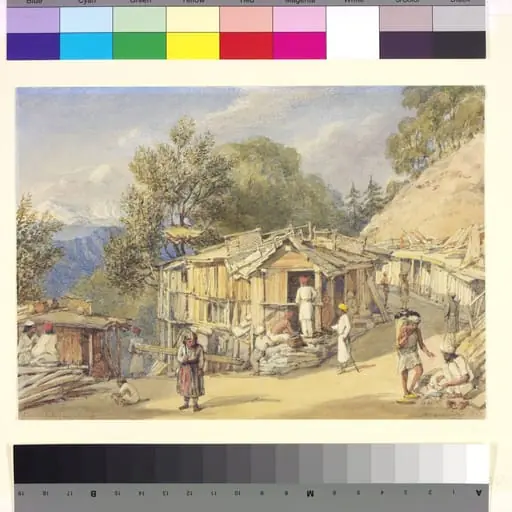
Artwork
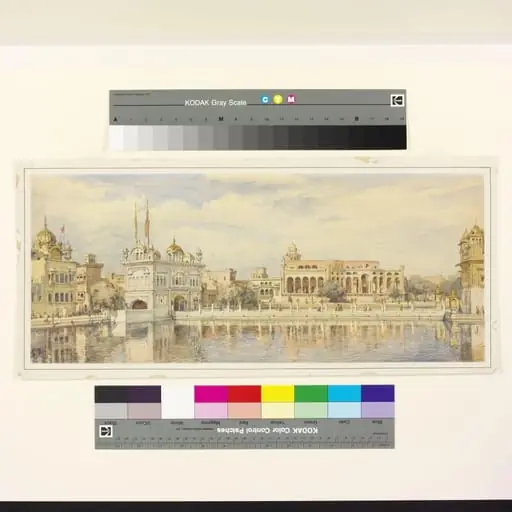
The Golden Temple at Amritsar
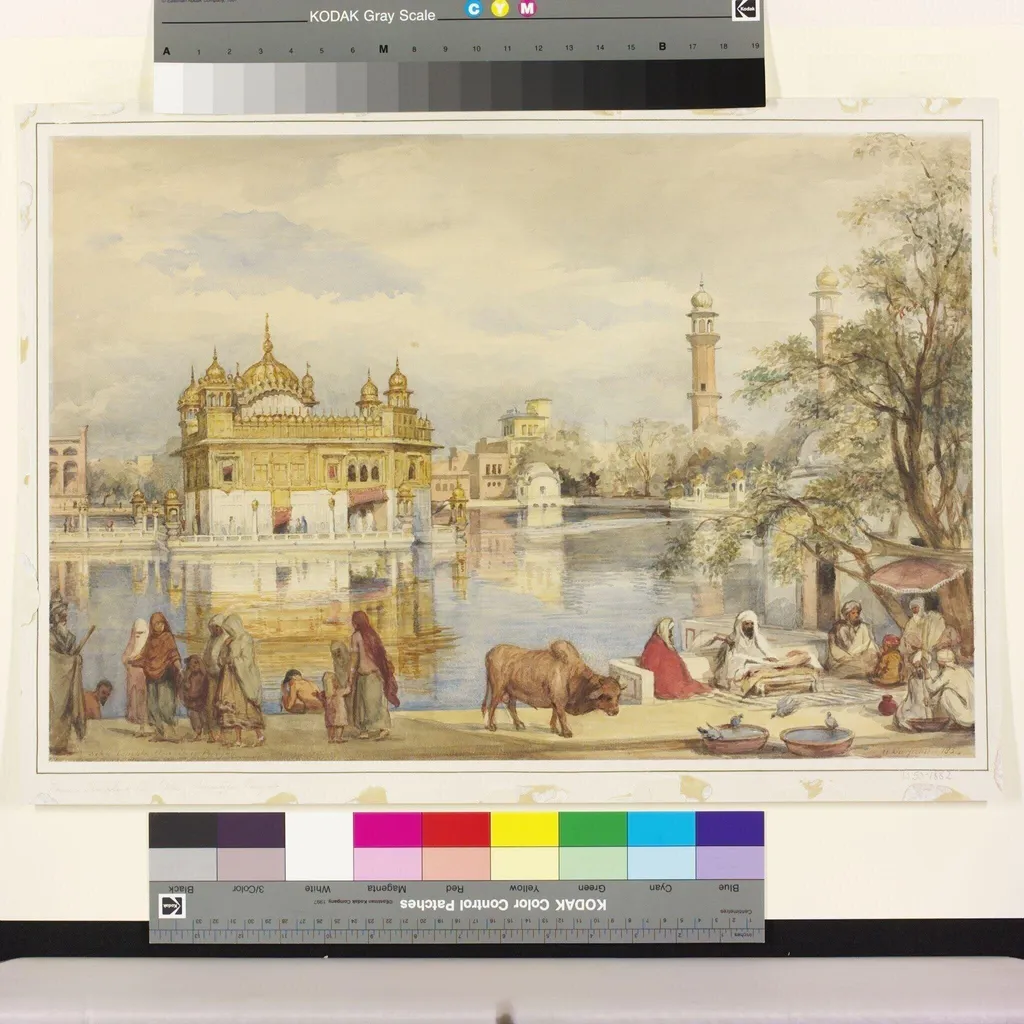
The Golden Temple at Amritsar is a paint painting by the Impressionist artist William Carpenter. It dates from 1854 and is held in the collection of the Victoria and Albert Museum.
About this work
William Carpenter painted *The Golden Temple at Amritsar* around 1854. He left England in 1850 and spent years in India. This work blends European styles with scenes he saw there.
Carpenter wore local dress while painting. He often focused on rulers and landscapes. The mix of impression and realism shows his time abroad.
Check out the Victoria and Albert Museum.
Overview
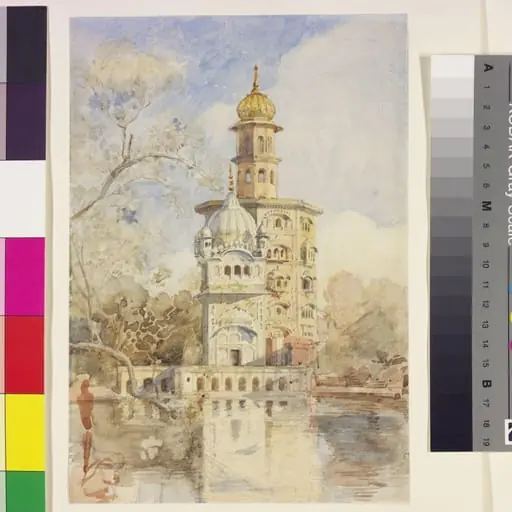
The work is a mid‑nineteenth‑century oil painting that depicts the Golden Temple, the principal shrine of Sikhism, as seen from a northward perspective that includes a portion of the surrounding causeway. Executed around 1854, the canvas records the temple’s distinctive gold‑clad domes and the expansive courtyard that frames it, offering a broad visual record of the site during the British colonial period.
Context
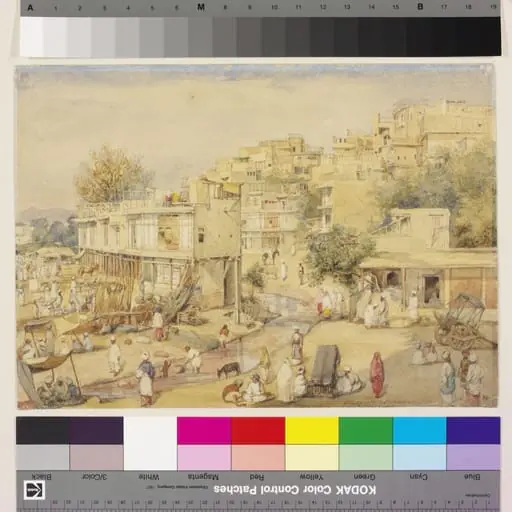
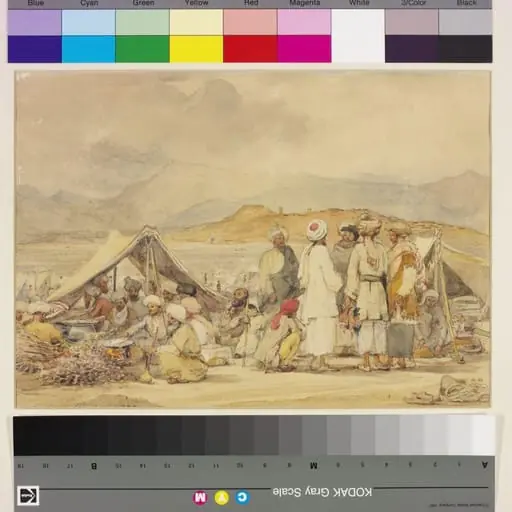
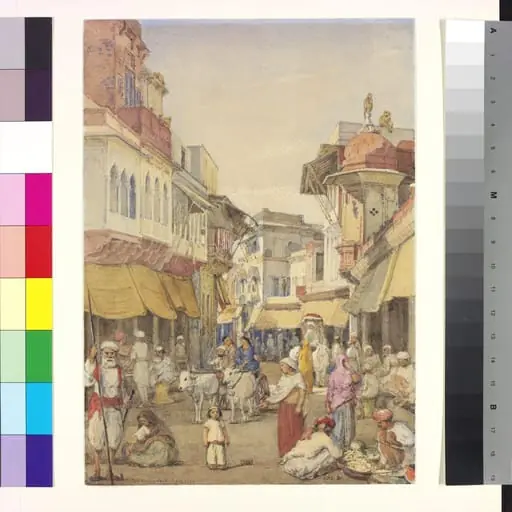
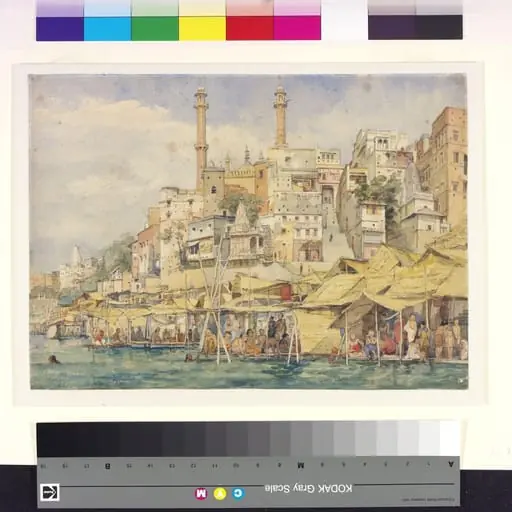
William Carpenter, the elder son of noted portraitist Margaret Sarah Carpenter and of British Museum keeper William Hookham Carpenter, embarked on a five‑year sojourn in India beginning in 1850. During this period he travelled extensively—from the southern tip of Sri Lanka to the northern reaches of Kashmir, through Punjab and Afghanistan, and finally to Rajasthan—often adopting local dress while producing portraits of regional rulers and landscape studies.
Subject & Meaning
By the early nineteenth century Maharaja Ranjit Singh had undertaken a comprehensive renovation, giving the shrine its present golden appearance.
The Golden Temple, originally commissioned by Guru Arjan Singh in the late sixteenth century, serves as the spiritual nucleus of Sikh faith. By the early nineteenth century Maharaja Ranjit Singh had undertaken a comprehensive renovation, giving the shrine its present golden appearance. Carpenter’s depiction captures this layered history, presenting the temple not merely as an architectural landmark but as a living symbol of Sikh religious identity.
Technique & Style
Carpenter combines elements of European academic realism with a looser, more atmospheric handling of light that hints at early impressionistic tendencies. The rendering of the temple’s reflective gold surfaces is precise, while the surrounding landscape and water are treated with softer brushwork, creating a balanced contrast between detailed architecture and broader environmental context.
History & Provenance
After completing the painting in India, Carpenter returned to England in 1856. The canvas later entered the collection of the Victoria and Albert Museum, where it remains part of the museum’s holdings on British artists working abroad. The work stands as a documentary visual source for the appearance of the Golden Temple during the mid‑1800s.
Artist & collection
Artist
William Carpenter (1818–1899) was an English watercolour artist. He travelled for six or seven years in the 1850s painting scenes of India, its people and its life. The Victoria and Albert Museum bought over 280 of his…

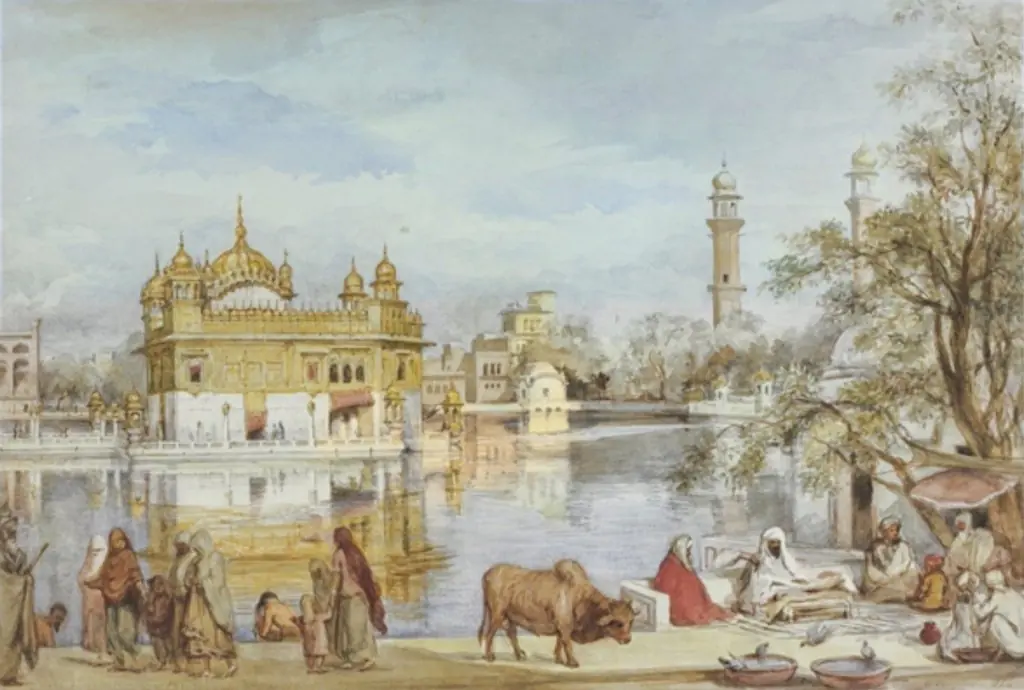 The Golden Temple, Amritsar
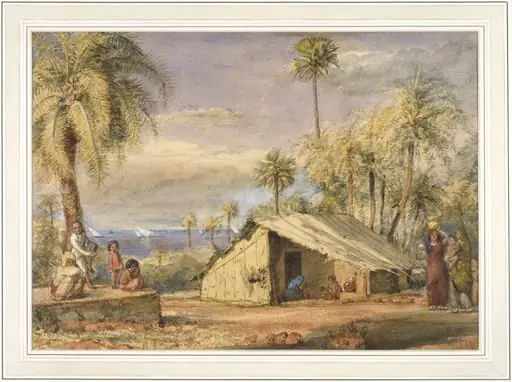 Toddywallah's hut in a grove of date palms near Breach Candy, Bombay
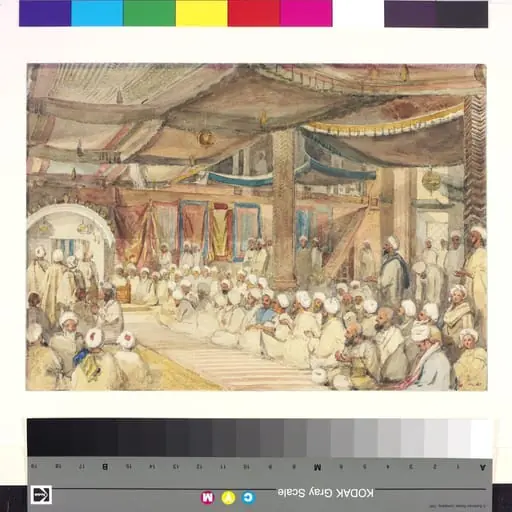 Interior of Shah Hamadan's Masjid during a religious ceremony
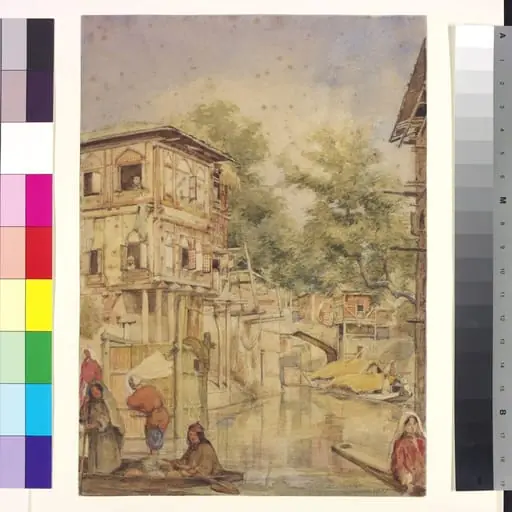 On the Mar Canal at Srinagar, Kashmir
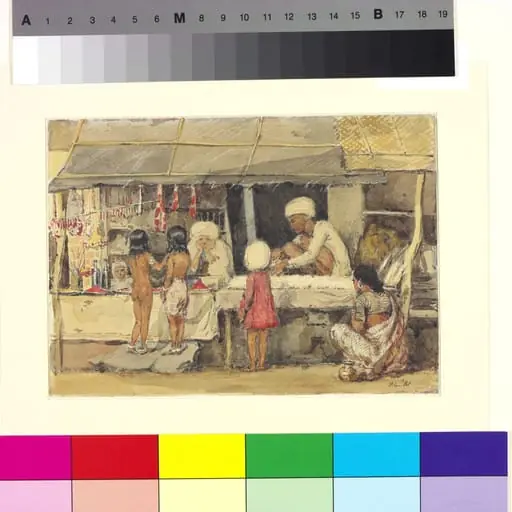 Shops for colours and flowers used at festivals, Sadr bazaar, Pune
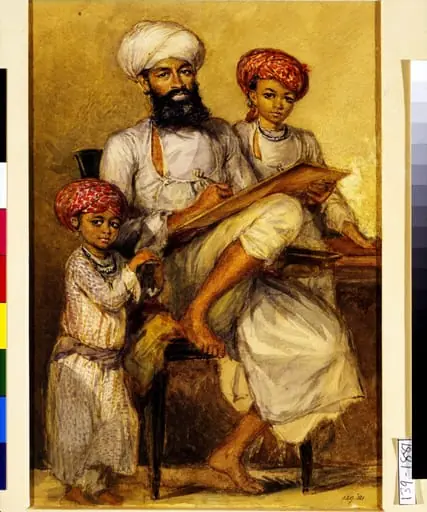 Portrait of Tara Chand, the court painter
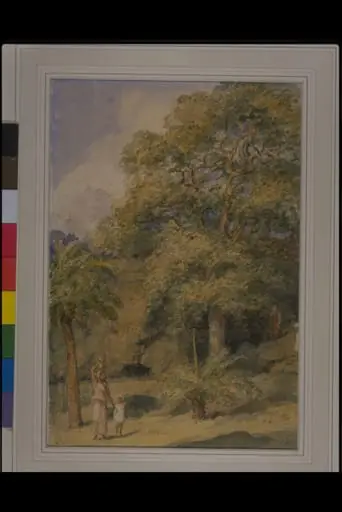 Study of a tamarind tree and date palms near Sir William Yardley's house at Breach Candy, Bombay
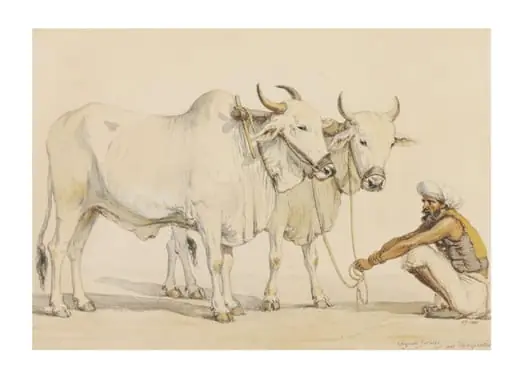 Two harnessed bullocks from Gujarat with their keeper