Artwork
The expulsion
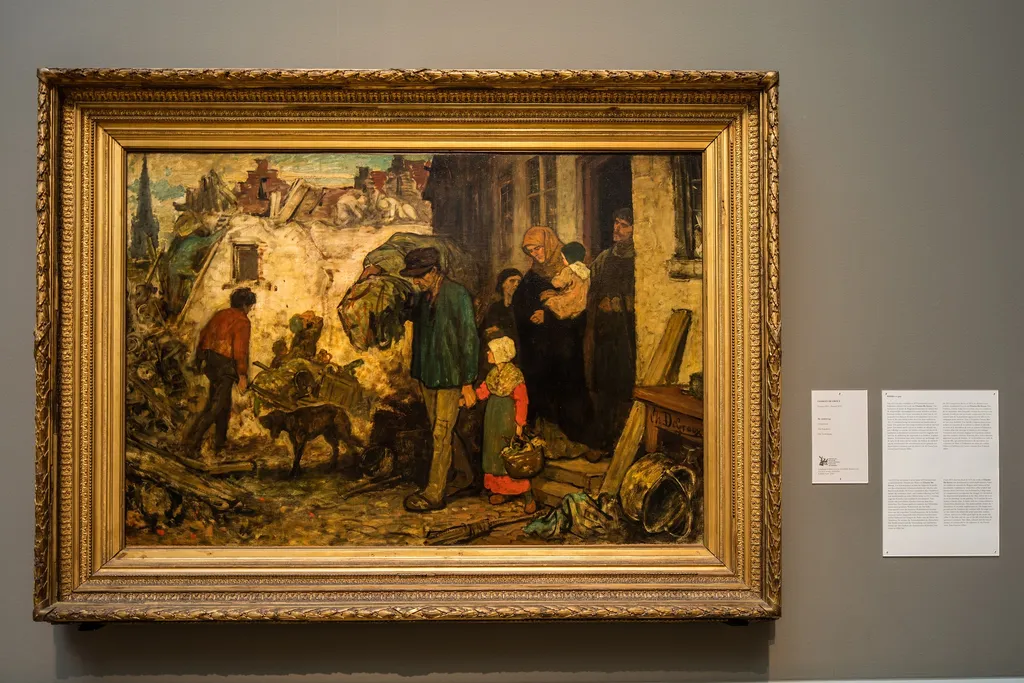
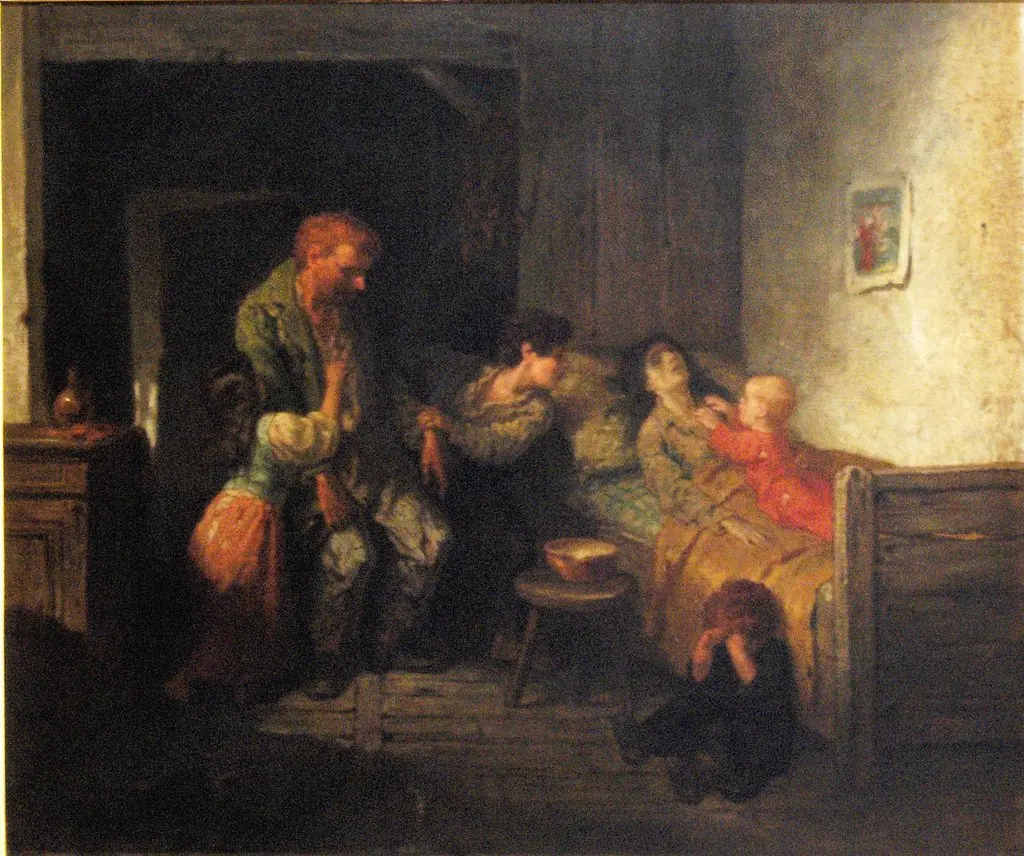
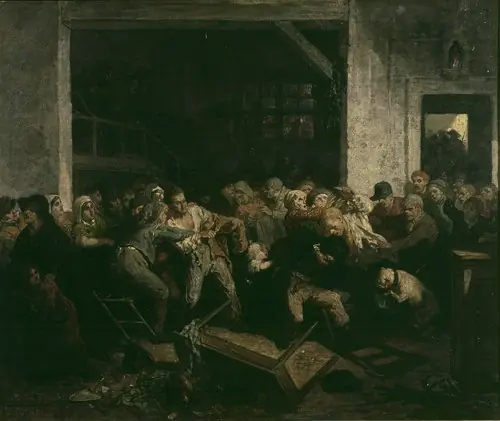
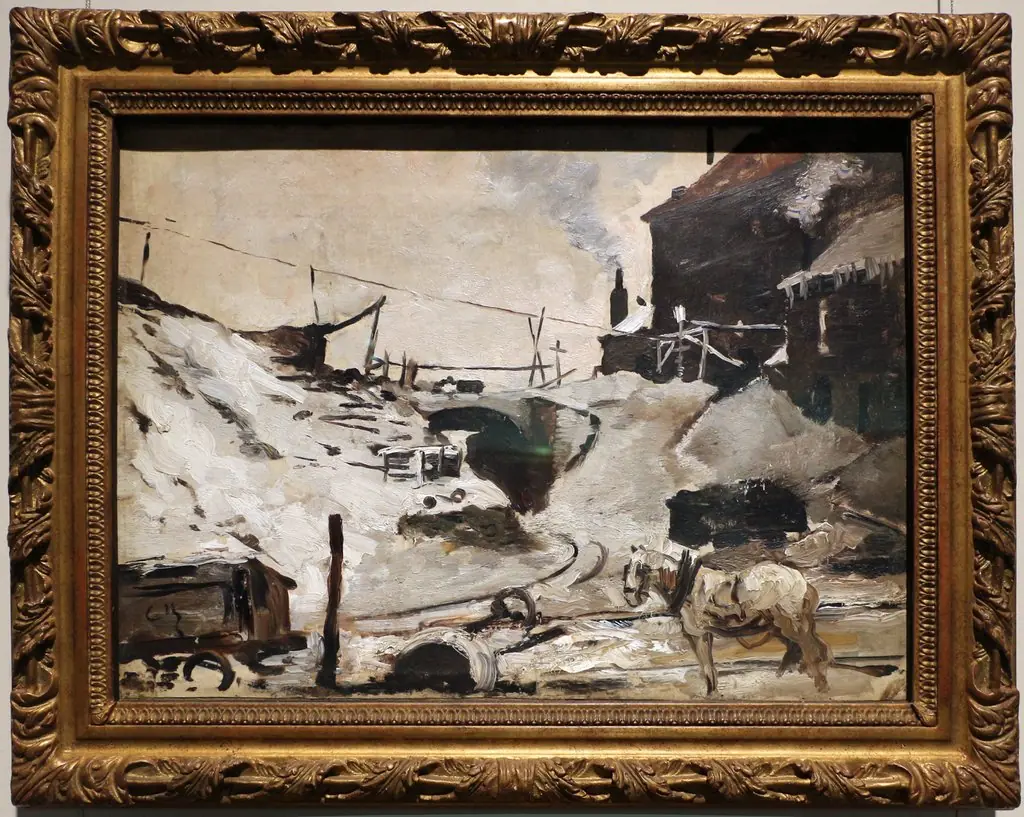
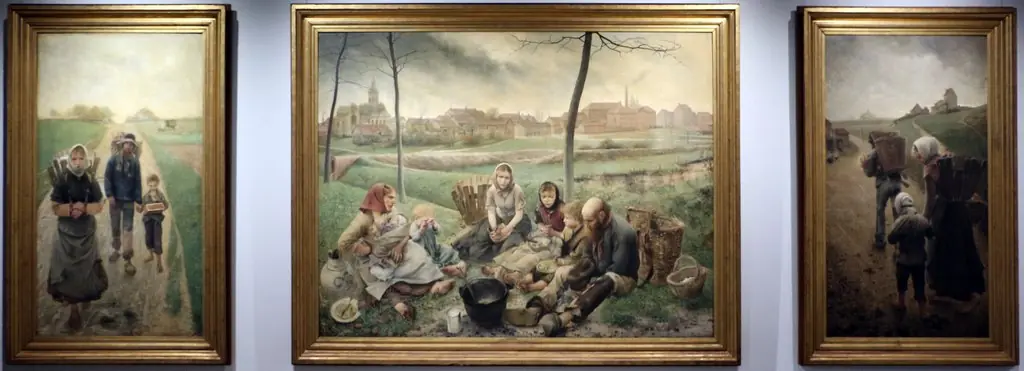
The expulsion is an oil painting by the Realist artist Charles de Groux. It dates from 1850 and is held in the collection of the Royal Museum of Fine Arts Antwerp.
About this work
Overview
Charles de Groux, born in France but active in Belgium, produced *The Expulsion* around 1850 as an oil painting rooted in the Realist tradition. He focused on ordinary people enduring hardship, avoiding romanticized narratives. This work exemplifies his commitment to portraying social conditions with honesty, distinguishing him as a pioneer of social realism in Belgian art.
Subject & Meaning
Figures are arranged with varied postures—some moving, others standing still—conveying tension and emotional weight.
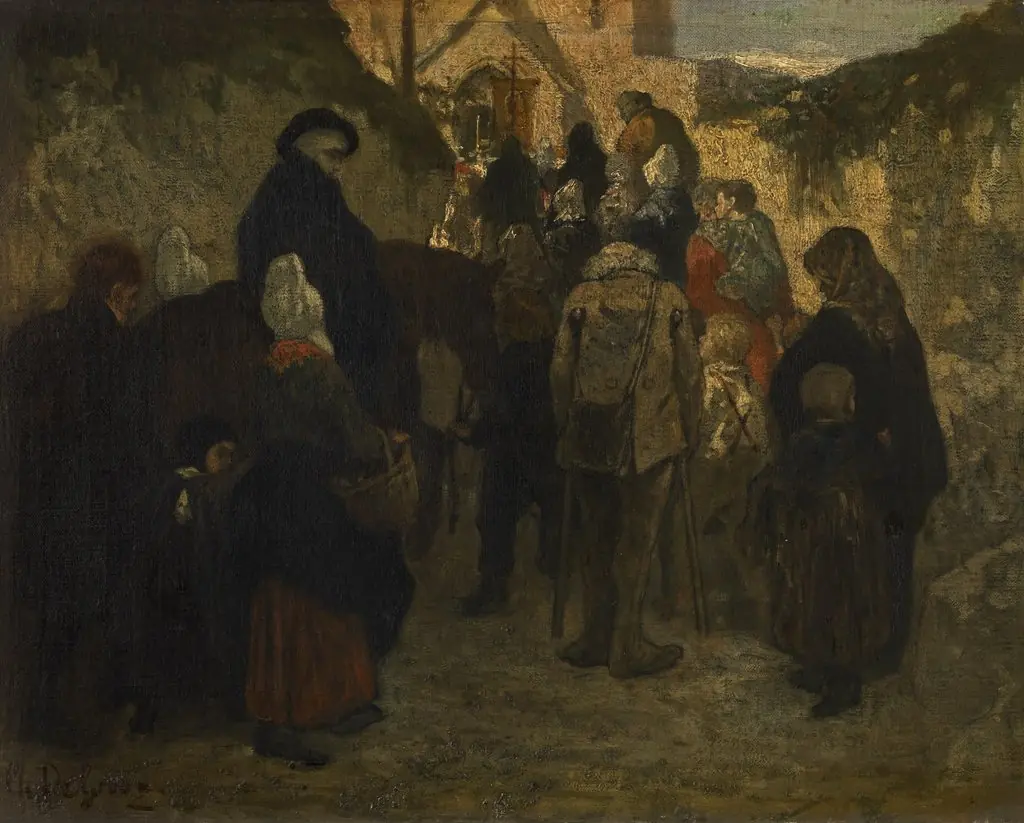
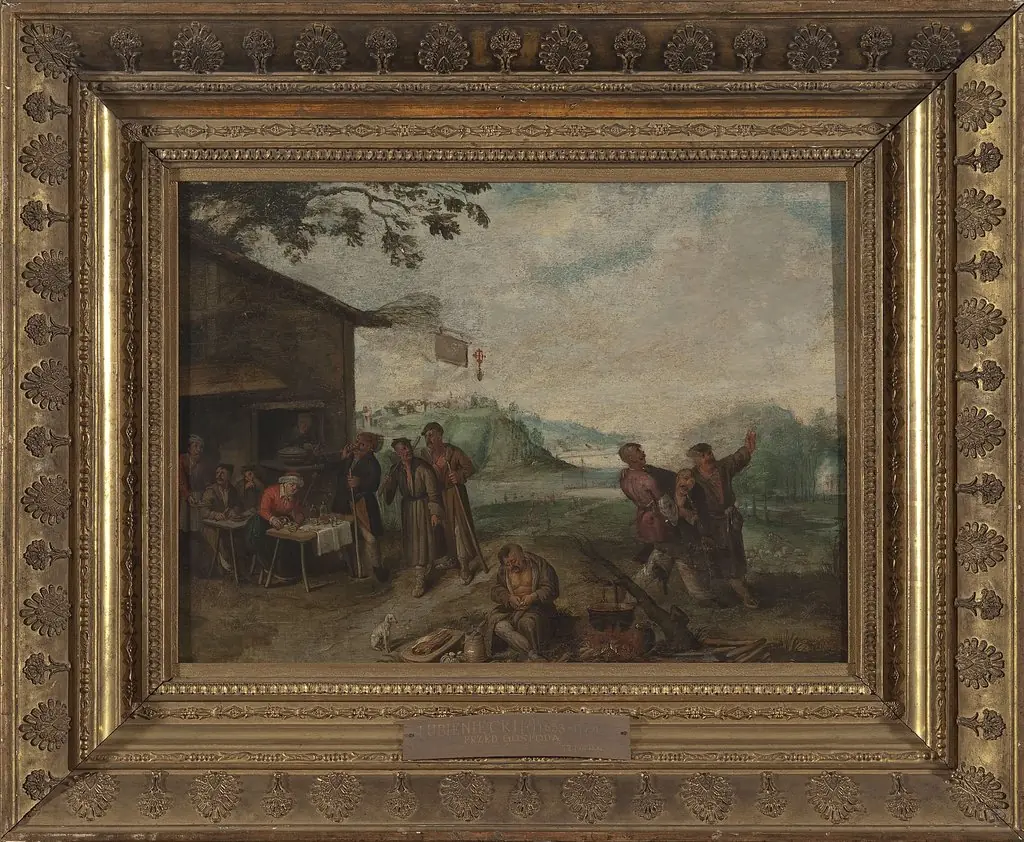
The scene captures a moment of displacement outside a modest building, suggesting a forced removal or eviction. Figures are arranged with varied postures—some moving, others standing still—conveying tension and emotional weight. The central woman, gazing downward, and the man in motion suggest personal loss amid collective upheaval, reflecting the vulnerability of the working poor in mid-19th-century urban life.
Technique & Style
Groux employed loose, energetic brushwork and warm, earthy tones to animate the composition. Chiaroscuro enhances the emotional gravity of the figures, drawing attention to their gestures and expressions. The lack of idealization in form and the dynamic arrangement of bodies create a sense of immediacy, aligning with Realist principles that prioritized authenticity over aesthetic refinement.
History & Provenance
Painted during Groux’s most active period in Belgium, *The Expulsion* emerged from his sustained interest in the lives of laborers and the marginalized. While specific ownership details before the 20th century are sparse, the work is consistently cited in Belgian art histories as a foundational example of early social realism, linking it to later artists who followed his lead.
Context
In the 1850s, Belgium experienced rapid industrialization and urban overcrowding, intensifying class disparities. Artists like Groux responded by turning their attention to the daily struggles of the working class, countering academic traditions that favored historical or mythological subjects. His focus on domestic hardship placed him at the forefront of a broader European shift toward socially engaged art.
Legacy
Groux’s unflinching depictions of poverty influenced subsequent Belgian Realists such as Constantin Meunier and Eugène Laermans, who expanded on his themes of labor and dignity. Though less widely known internationally, his work helped establish a national tradition of socially conscious painting in Belgium, grounding later movements in observable human experience rather than idealized narrative.
Artist & collection
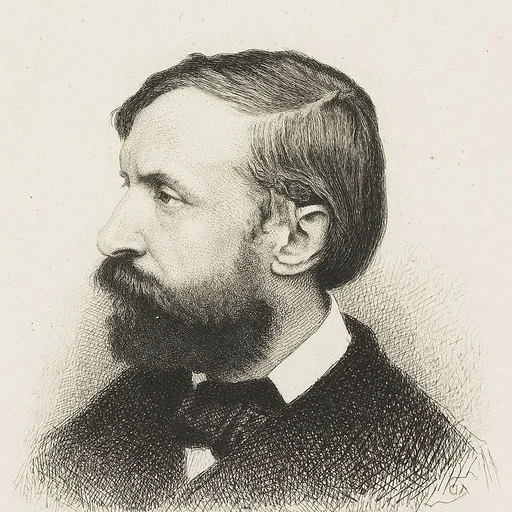
Artist
Charles de Groux (French pronunciation: ) or Charles Degroux (25 August 1825 – 30 March 1870) was a French painter, engraver, lithographer and illustrator.