Artwork
Unklug (Unwise)
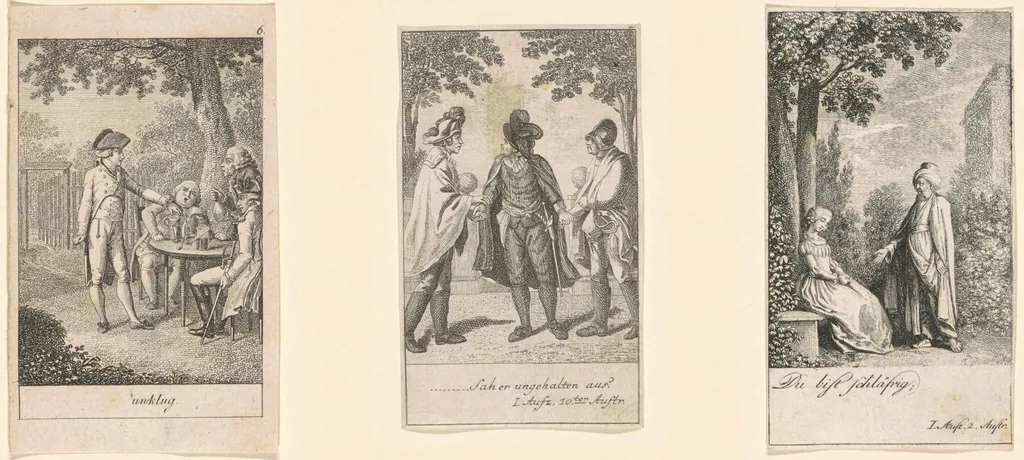
Unklug (Unwise) is an ink print by the Romanticist artist Daniel Nikolaus Chodowiecki. It dates from 1797 and is held in the collection of the National Gallery of Art.
About this work
Overview
Chodowiecki, active in Berlin and later director of the Berlin Academy of Art, specialized in narrative prints that captured everyday social interactions.
Created in 1797 by Daniel Nikolaus Chodowiecki, *Unklug (Unwise)* is an etching on laid paper, part of a small series of three related scenes. Chodowiecki, active in Berlin and later director of the Berlin Academy of Art, specialized in narrative prints that captured everyday social interactions. The work reflects his mastery of fine-line etching, a technique allowing subtle tonal gradations and intricate detail.
Subject & Meaning
The three panels depict moments of social misjudgment among 18th-century urban elites. A group gathers around a table, three men converse while walking, and a woman sits as a man looms beside her—each scene suggests miscommunication or poor judgment. The title, meaning 'unwise,' implies a moral critique of superficial manners and misplaced confidence in social settings.
Technique & Style
Chodowiecki employed etching to render fine, controlled lines and delicate shading across the three scenes. The use of laid paper, with its characteristic chain lines, enhanced the texture of the print. Background elements like trees and buildings are rendered with minimal detail, directing focus to the figures and their gestures, characteristic of his narrative-driven approach.
History & Provenance
The etching was produced during Chodowiecki’s mature period in Berlin, where he was a central figure in the city’s artistic community. While specific early ownership records are not documented, the work aligns with his broader output of moralizing prints distributed widely in late 18th-century Germany. Its survival in collections today reflects its continued relevance as a social document.
Context
In late 18th-century Berlin, printmaking served as a medium for public commentary, accessible beyond elite painting circles. Chodowiecki’s work responded to Enlightenment ideals, using visual storytelling to examine behavior and social norms. *Unklug* fits within a tradition of satirical prints that critiqued manners, class, and human folly with quiet irony rather than overt satire.
Legacy
Chodowiecki’s prints, including *Unklug*, influenced later generations of German graphic artists by demonstrating how etching could convey psychological nuance and social observation. Though less celebrated today than his contemporaries, his work remains a valuable record of bourgeois life and the visual culture of moral reflection in pre-revolutionary Europe.
Artist & collection
Artist
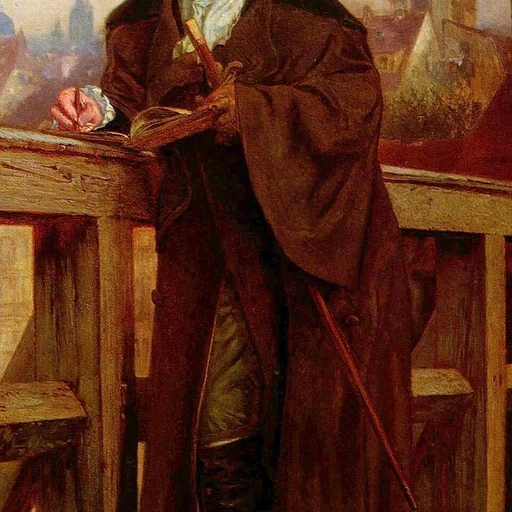
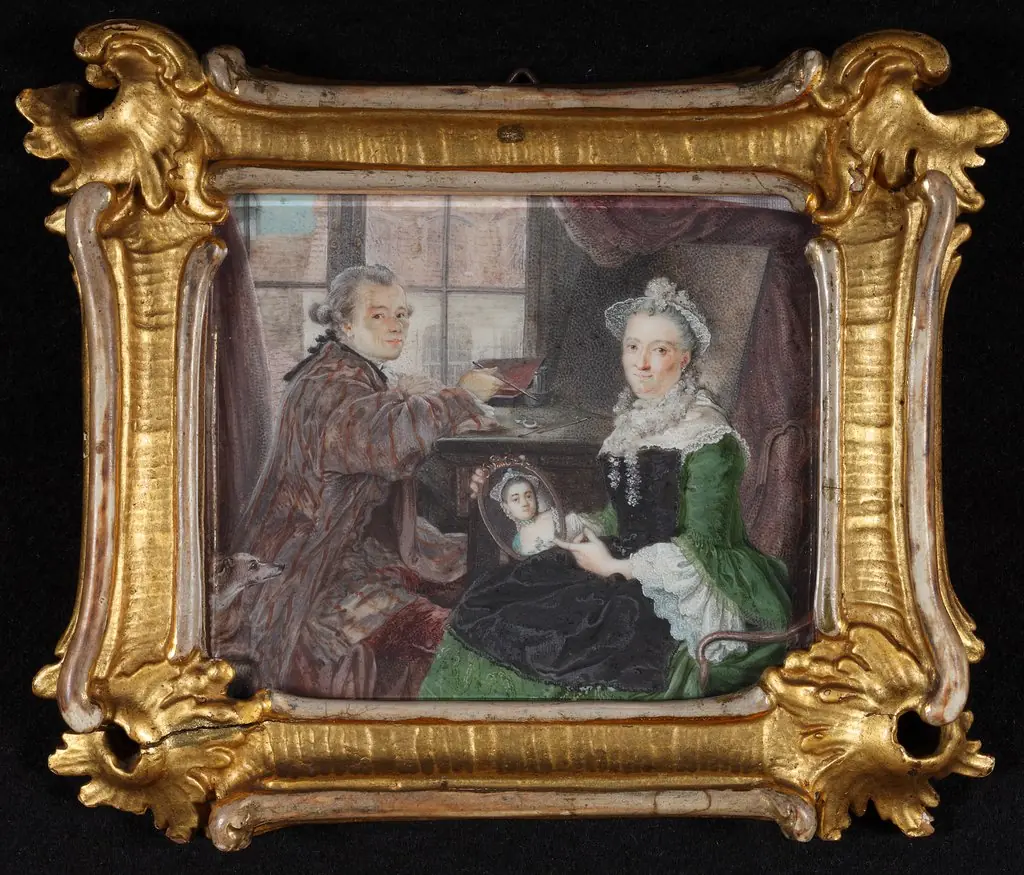
Daniel Niklaus Chodowiecki (16 October 1726 – 7 February 1801) was a German painter and printmaker of Huguenot and Polish ancestry, who is most famous as an etcher.

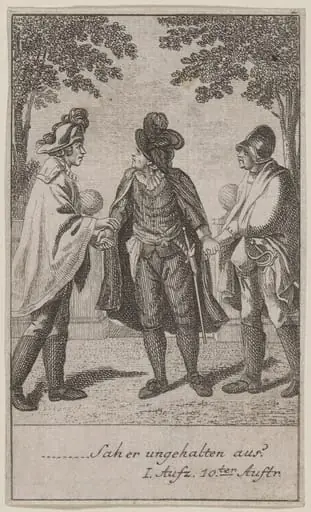 Sah er ungehalten aus? (What, look’d he frowningly?)
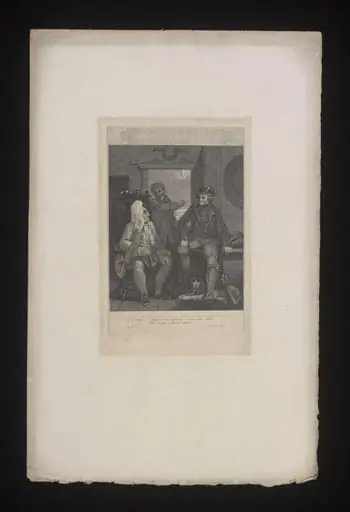 Love in a Village
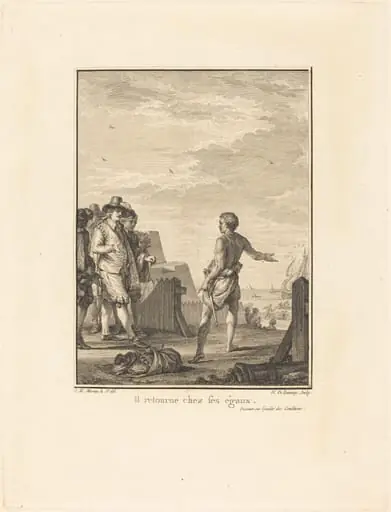 Discours sur l'égalité des conditions: Il retourne chez ses égaux
 Discours sur l'égalité des conditions: Il retourne chez ses égaux
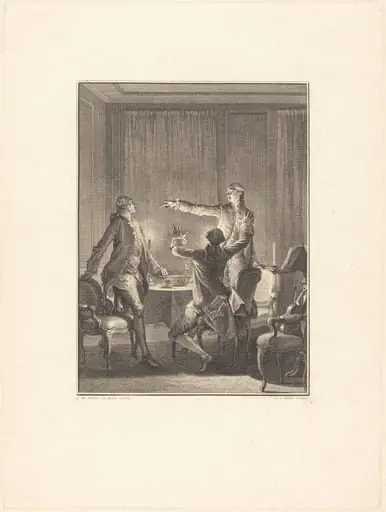 La Provocation
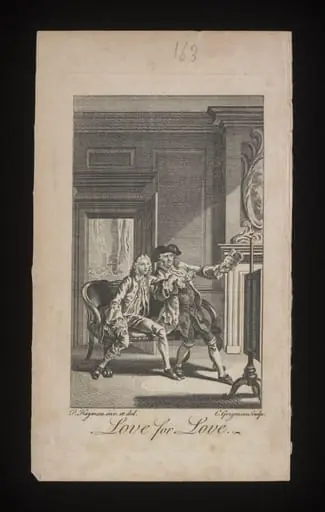 Love for Love
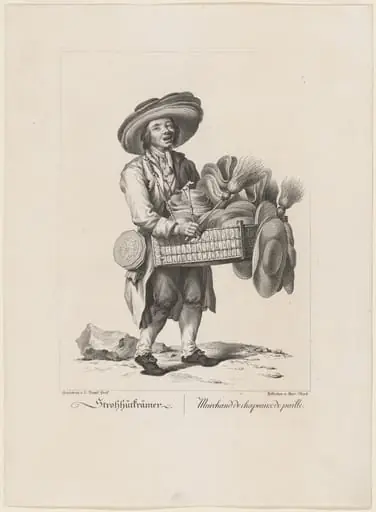 Strohhütkrämer (Straw Hat Seller)
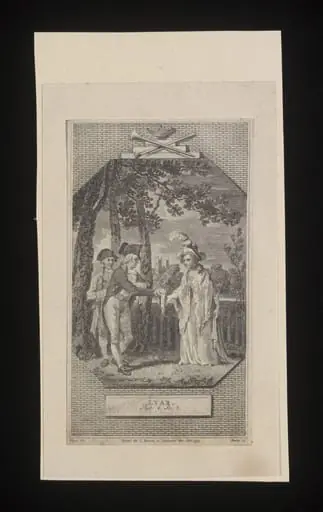 Lyar
Lyar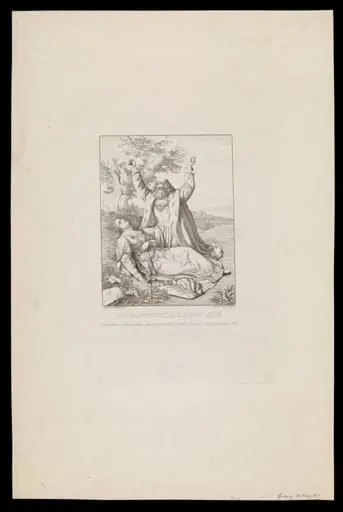 H Beard Print Collection
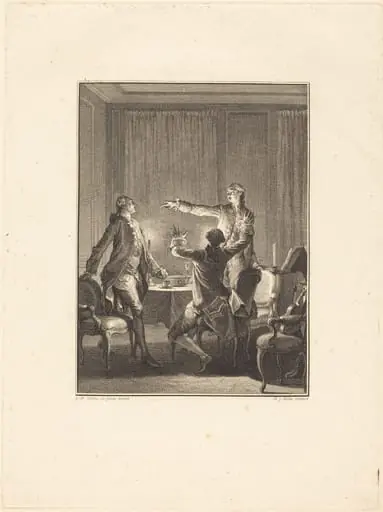 La provocation
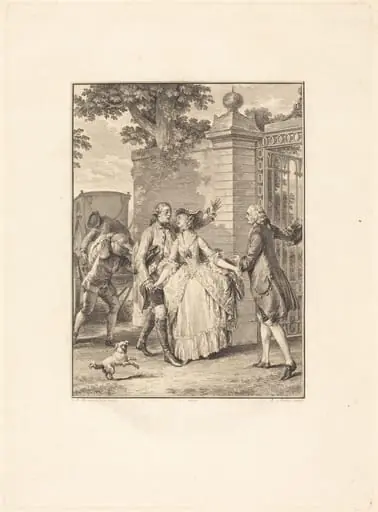 La confiance des belles âmes
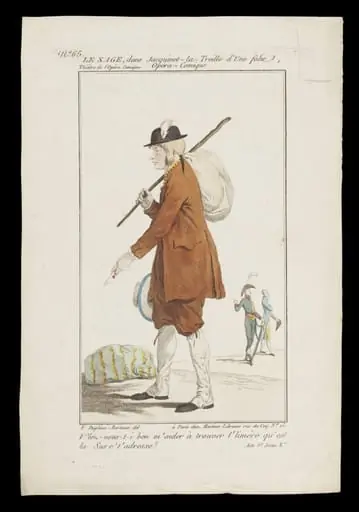 H Beard Print Collection