Artwork
What is the Way to be Happy?
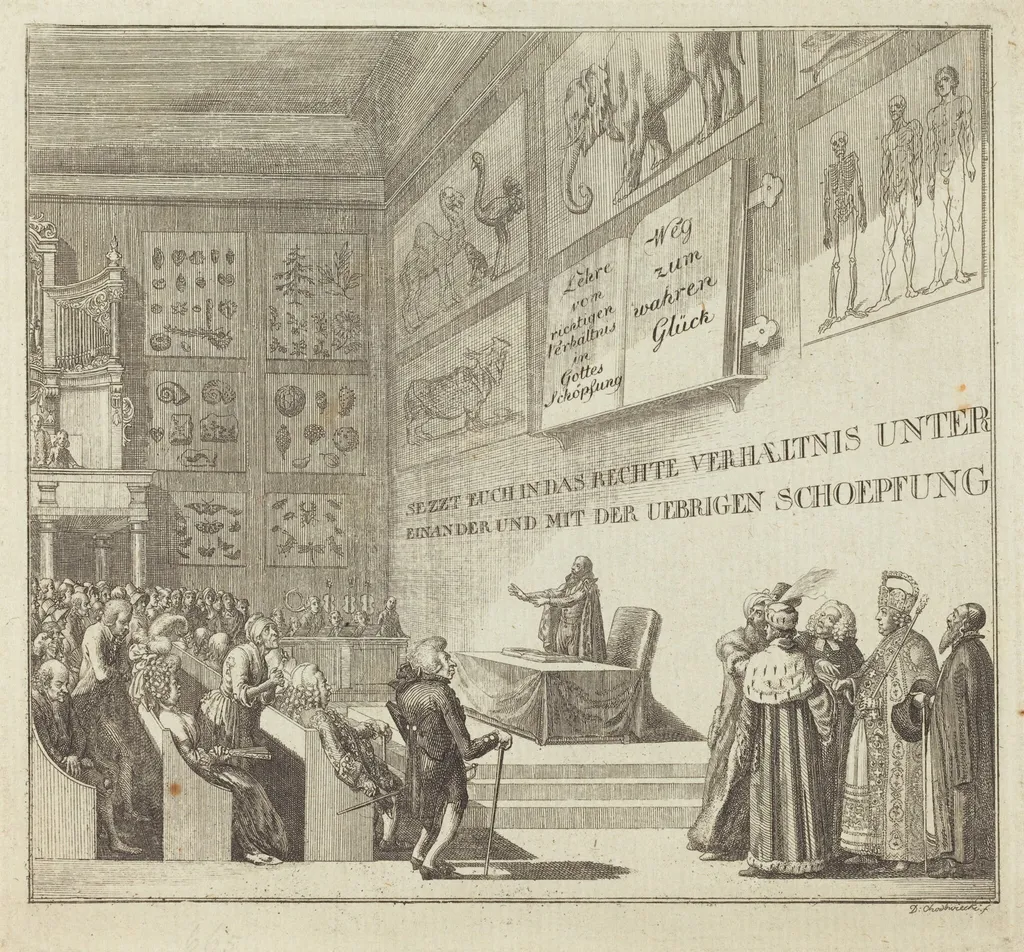
What is the Way to be Happy? is an ink print by the Romanticist artist Daniel Nikolaus Chodowiecki. It dates from 1791 and is held in the collection of the National Gallery of Art.
About this work
Overview
What is the Way to be Happy? is an etching on light blue laid paper created by Daniel Nikolaus Chodowiecki in 1791. The work depicts a bustling lecture hall scene, juxtaposing educational and social interactions among diverse classes.
Subject & Meaning
The etching illustrates a crowded educational setting where a central figure lectures beneath a banner advocating for the 'right way' of behavior. The scene blends scholastic activity with social observation, highlighting interactions between different social strata, including nobles, a man with a cane, and various attendees engaged in note-taking or casual observation.
Technique & Style
Chodowiecki employed fine etching lines to achieve detailed renderings of textures, such as clothing folds and facial expressions, demonstrating his mastery of the medium.
History & Provenance
Created in 1791 by Daniel Nikolaus Chodowiecki, a prominent German printmaker and then-director of the Berlin Academy of Art, the etching reflects his institutional influence and technical prowess in printmaking.
Context
As a product of late 18th-century Berlin, the work situates itself within the city's vibrant artistic and intellectual milieu, with Chodowiecki's Huguenot and Polish background possibly influencing his observation of social dynamics.
Legacy
While specific legacy details of *What is the Way to be Happy?* are not provided, Chodowiecki's overall contributions to printmaking and his leadership at the Berlin Academy of Art underscore his lasting impact on German artistic traditions.
Artist & collection
Artist
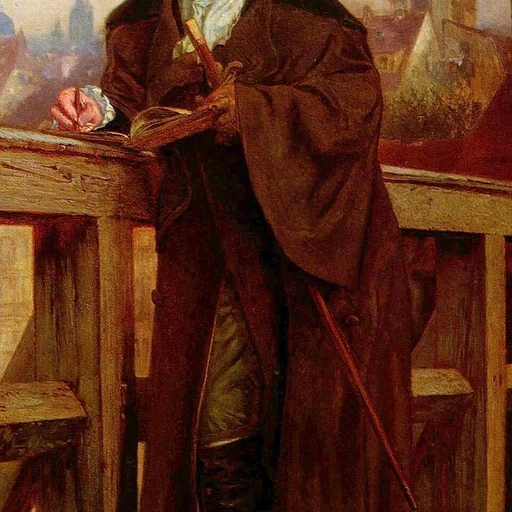
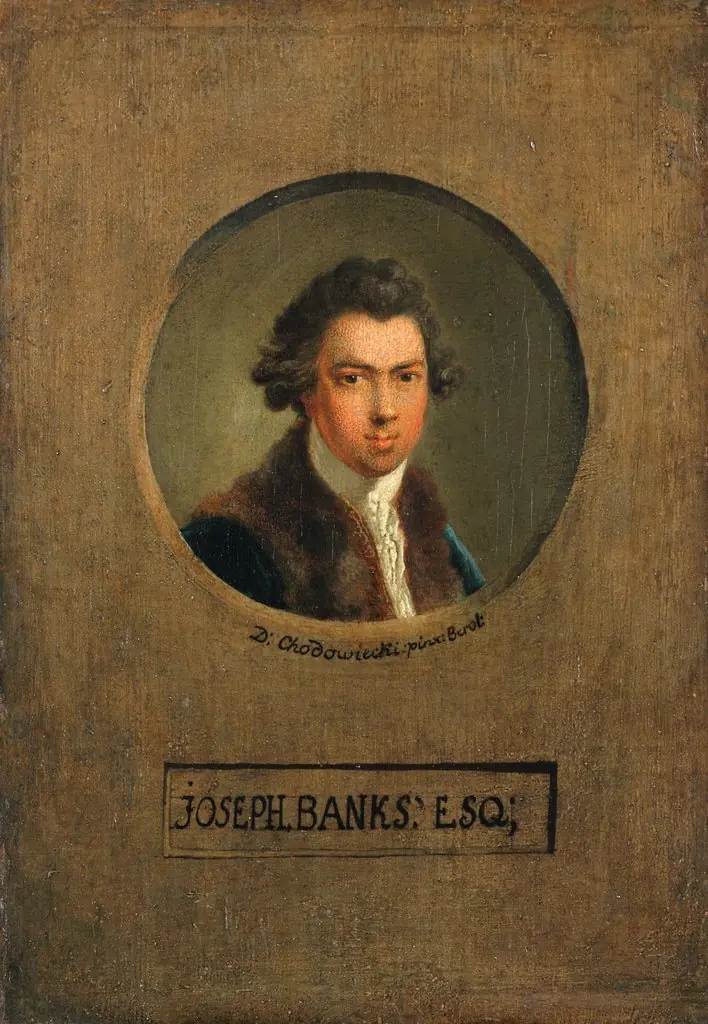
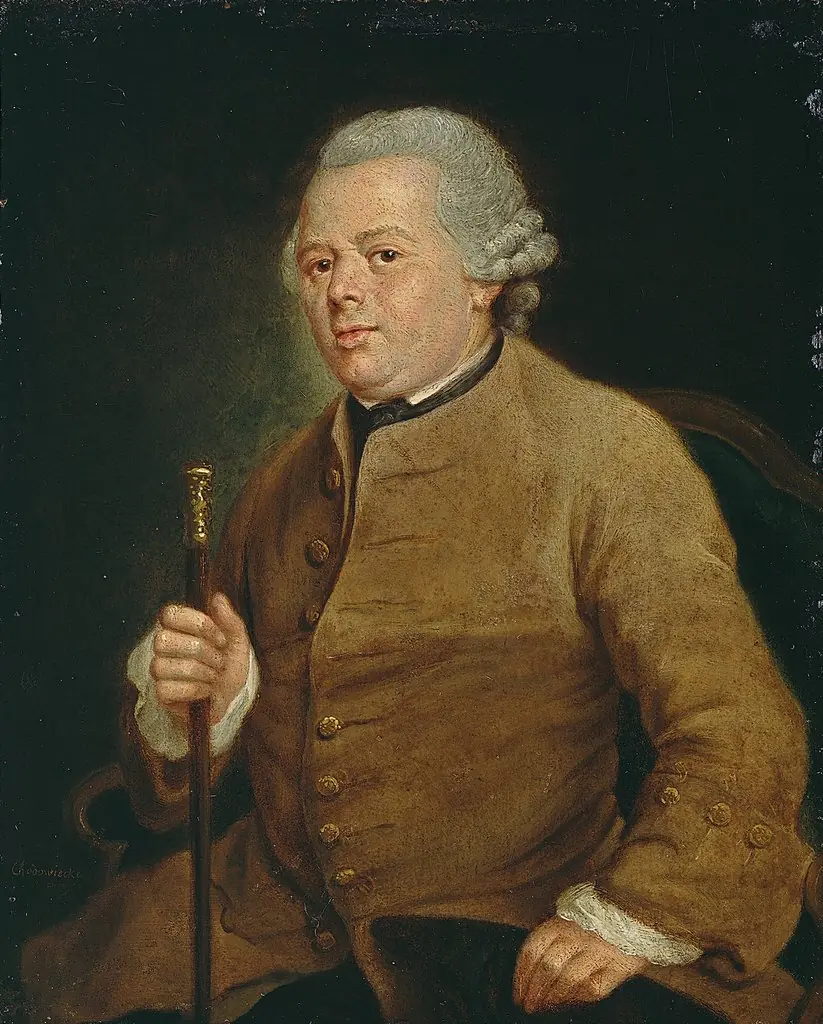
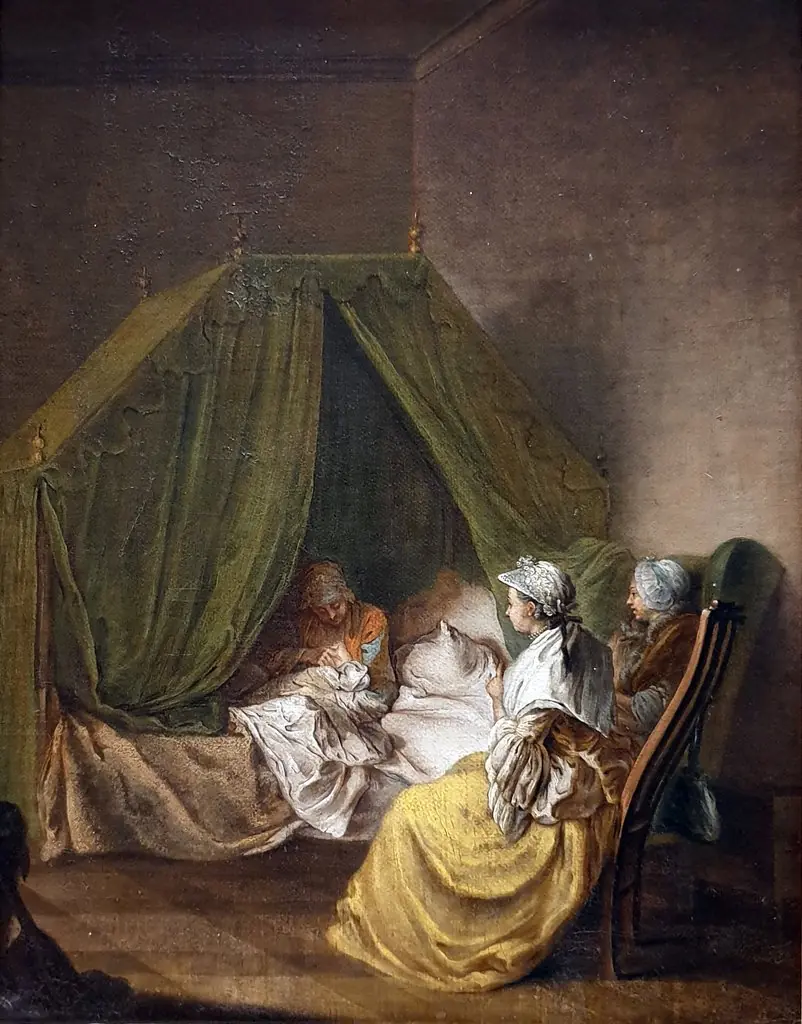
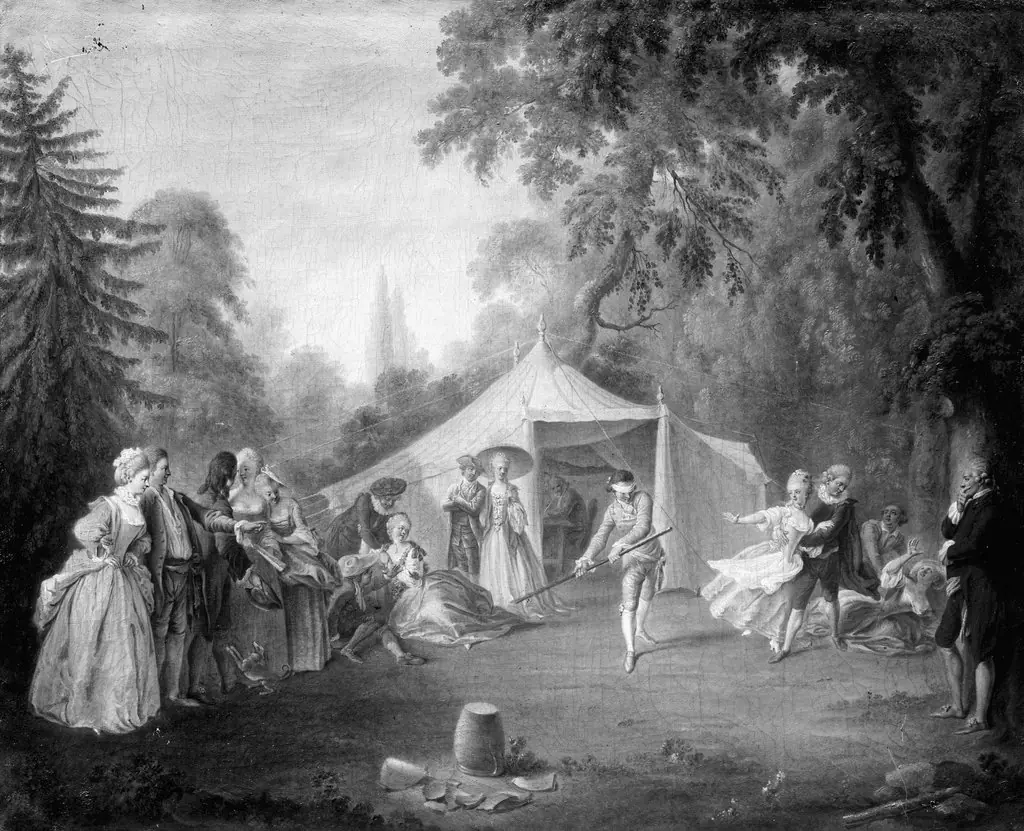
Daniel Niklaus Chodowiecki (16 October 1726 – 7 February 1801) was a German painter and printmaker of Huguenot and Polish ancestry, who is most famous as an etcher.

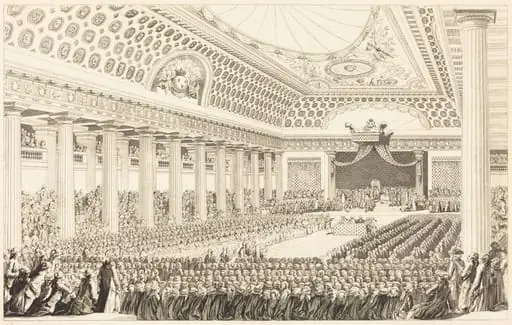 Ouverture des Etats-Généraux à Versailles, le 5 mars 1789
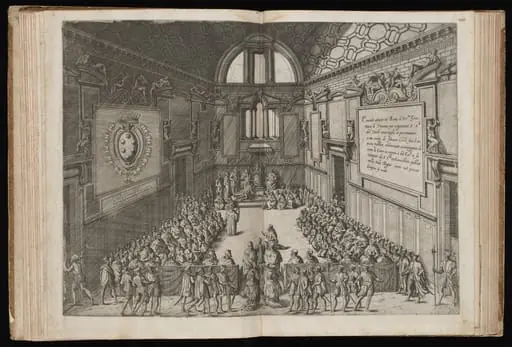 The Coronation of Cosimo I de' Medici
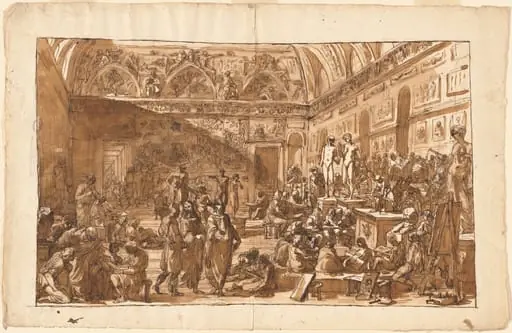 The School of Rome
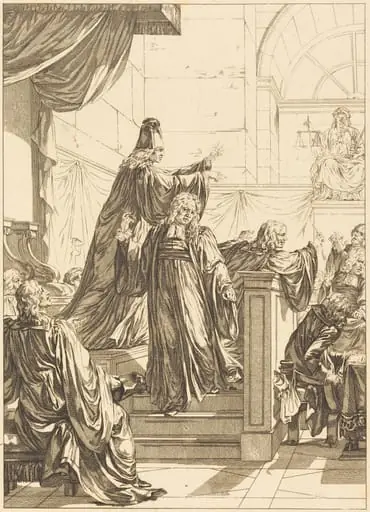 Le juge de mesle
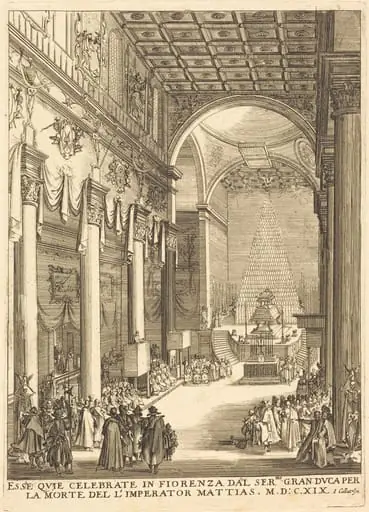 The Catafalque of the Emperor Mathias
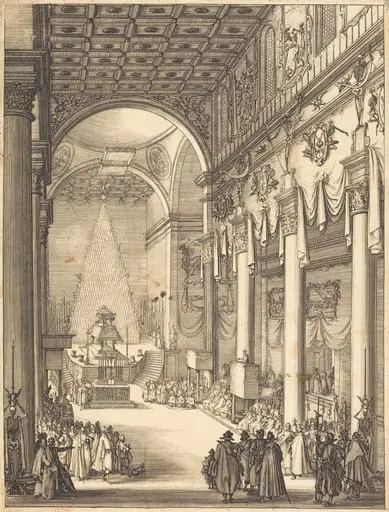 The Catafalque of the Emperor Mathias
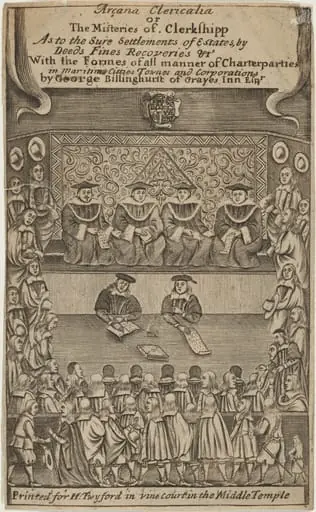 Title Page to Arcana Clericalia or the Misteries of Clerkshipp by George Billinghurst
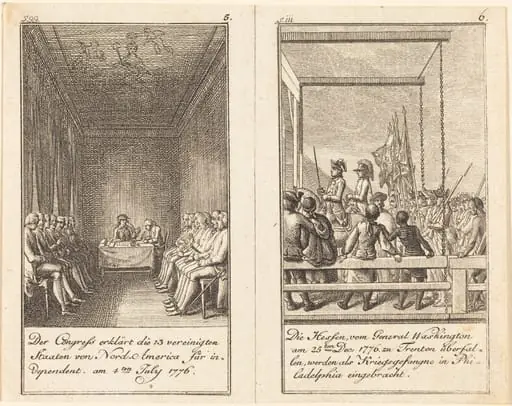 The History of the United States
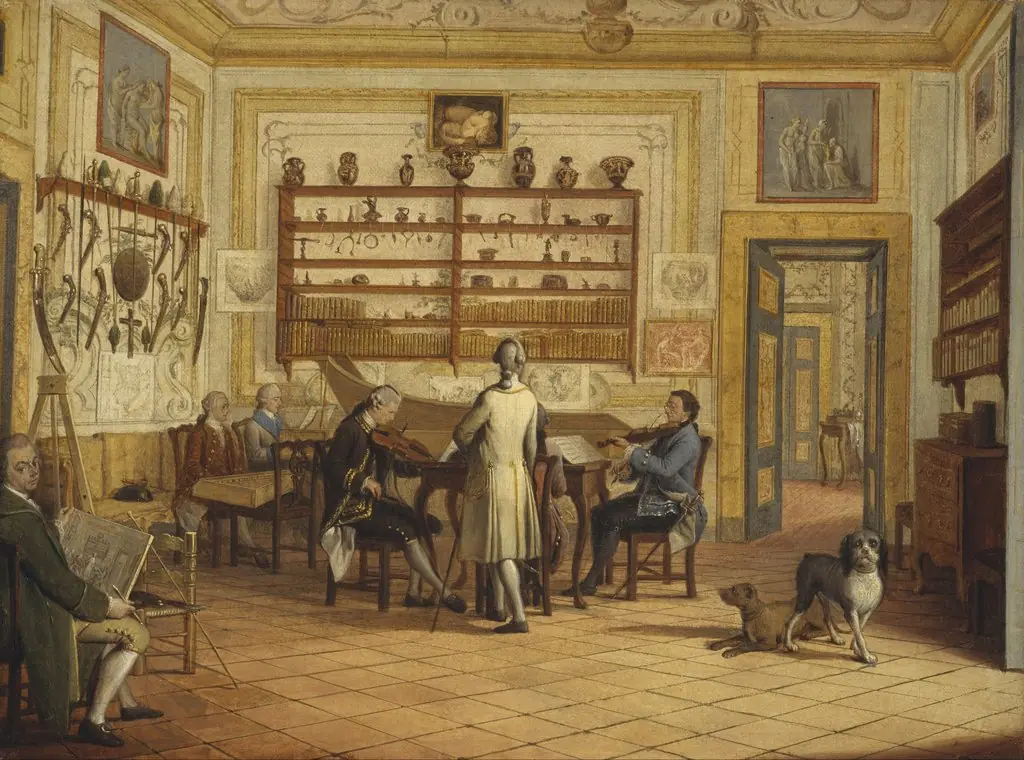 Kenneth Mackenzie, 1st Earl of Seaforth, 1744 - 1781, at home in Naples: concert party
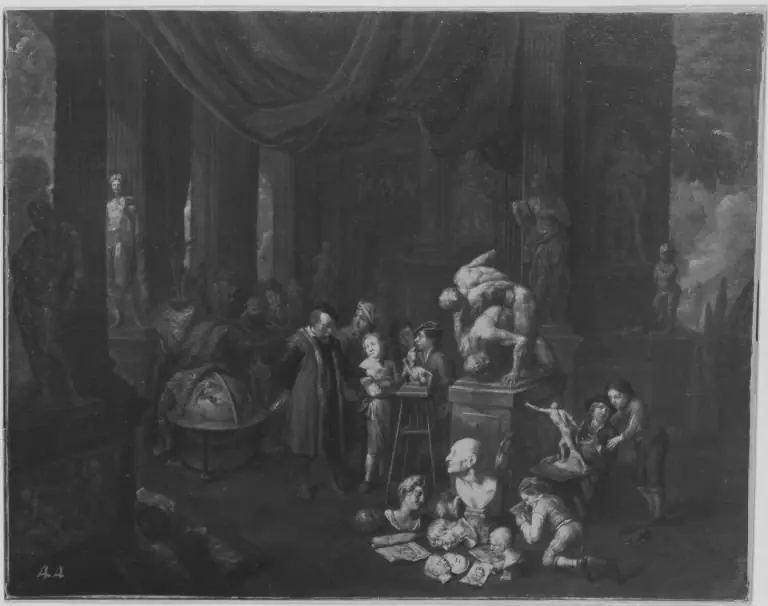 Bildhaueratelier
 Virgin Enthroned
 Porch before a Circular Temple