Artwork
The Four Festivals
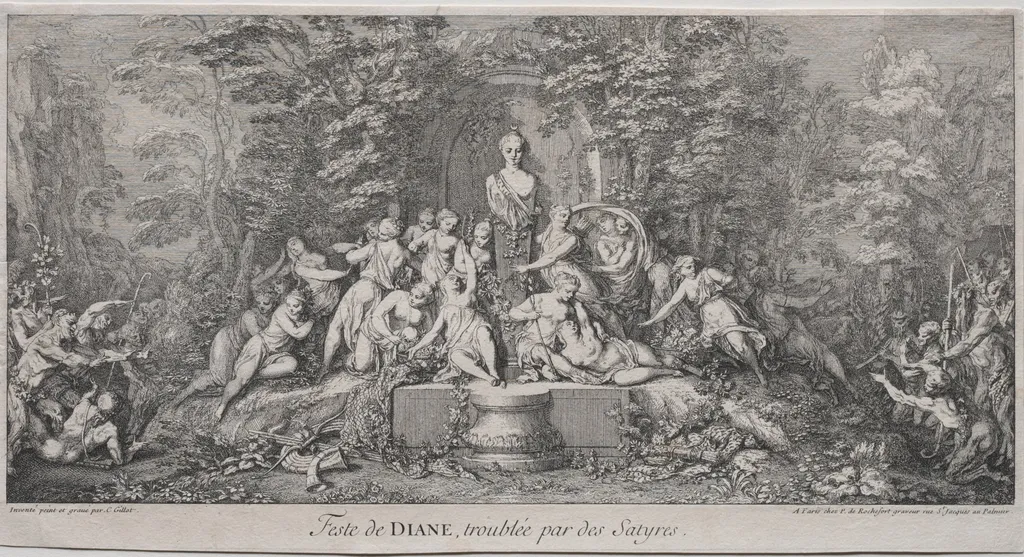
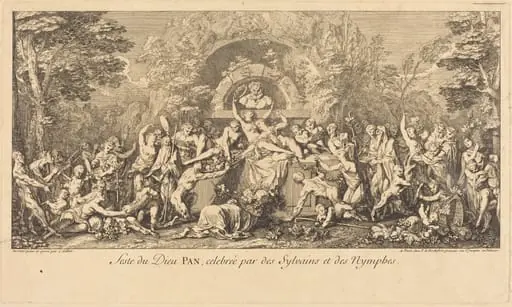
The Four Festivals is a print by the Baroque artist Claude Gillot. It dates from 1704 and is held in the collection of the Cleveland Museum of Art. This print is one of four in a series depicting ancient Roman nature deities through festive scenes.
About this work
Gillot made these prints early in his career, before he became known for designing theater sets.
You see a wild party in the woods. Naked and half-dressed people dance around a stone altar. Muscular goat-men with grinning faces peek from the trees. Flowers and vines frame the scene like a living picture.
This is one of four prints that celebrate old nature gods. The caption says the party is being crashed by satyrs—mythical creatures who love chaos. Gillot made these prints early in his career, before he became known for designing theater sets.
To see how other artists drew myth parties, look up *France, 18th century*.
Overview
This print is one of four in a series depicting ancient Roman nature deities through festive scenes. Each image centers on a ritual around a stone altar, framed by dense, ornamental vegetation. The Festival of Diana is distinguished by the intrusion of satyrs—mythical, goat-legged figures—peering from the woodland edges, disrupting the celebration with their wild presence. The composition blends naturalistic foliage with stylized human forms, reflecting early 18th-century interest in classical myth reimagined for decorative print culture.
Subject & Meaning
The scene portrays a ritual honoring Diana, goddess of the wild, with nude and semi-nude figures engaged in movement around her bust. The satyrs, positioned at the margins, embody untamed nature and chaotic energy, contrasting with the orderly ritual. Their presence suggests a tension between cultivated worship and primal instinct, a common theme in Renaissance and Baroque interpretations of antiquity. The caption explicitly frames the event as disrupted, emphasizing the boundary between human ceremony and mythic interference.
Technique & Style
Executed in fine line engraving, the print uses delicate cross-hatching to define musculature and foliage. The framing vegetation is rendered with rhythmic, flowing lines that enclose the scene like a living border, directing the viewer’s eye inward. Figures are elongated and stylized, with exaggerated poses that convey motion. The satyrs’ faces are caricatured, their expressions sharply defined to heighten their disruptive role, revealing Gillot’s theatrical sensibility even before his stage design work.
History & Provenance
Created early in Claude Gillot’s career, before his shift toward theatrical design, these prints reflect his engagement with classical subjects and popular print markets of the time. The series was likely produced for collectors interested in mythological imagery, circulating in Parisian artistic circles. Gillot’s approach here anticipates the playful, narrative-driven style later seen in his stage designs, positioning these prints as transitional works in his artistic development.
Context
The series aligns with early 18th-century French interest in reviving classical mythology through decorative arts, particularly in prints meant for private collections. Similar scenes by contemporaries often idealized nature deities, but Gillot’s inclusion of satyrs as intruders adds a layer of narrative tension uncommon in more serene depictions. The prints respond to broader European trends in mythological illustration, while retaining a distinctly French emphasis on wit and visual storytelling.
Legacy
Though less celebrated than Gillot’s later theatrical work, this series influenced his students, including Watteau, who absorbed the blend of myth and movement. The prints contributed to a visual vocabulary for nature deities in French art, bridging Baroque exuberance and Rococo delicacy. Their focus on disruption within ritual offered a nuanced take on classical themes, subtly challenging idealized representations of antiquity in favor of dynamic, humanized myth.
Artist & collection
Artist
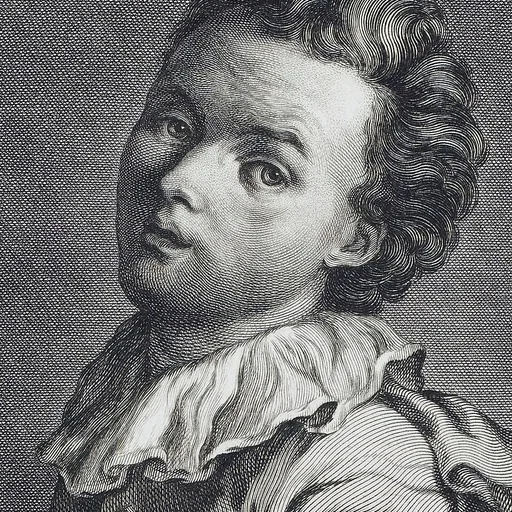
Claude Gillot (April 27, 1673 – May 4, 1722) was a French painter, printmaker, and illustrator, best known as the master of Watteau and Lancret.

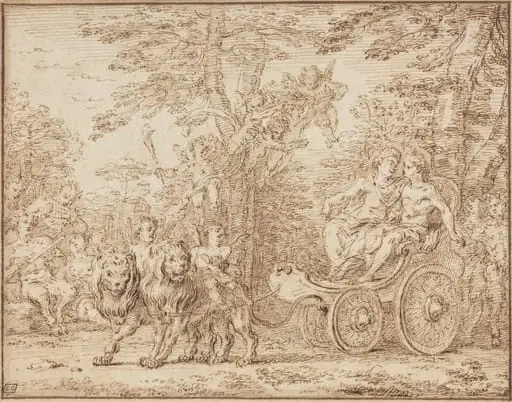 The Triumph of Marriage
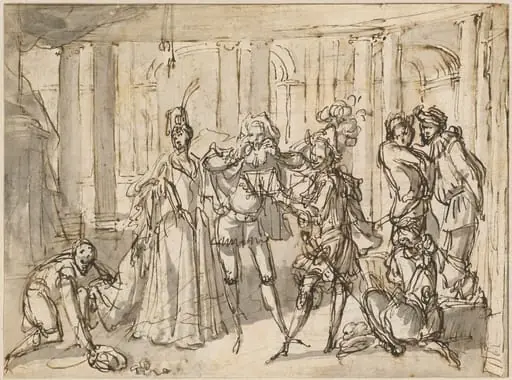 A Performance by the Commedia dell'Arte
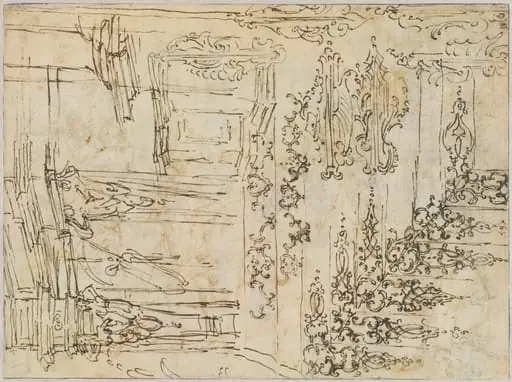 Studies of Ornament and Architecture
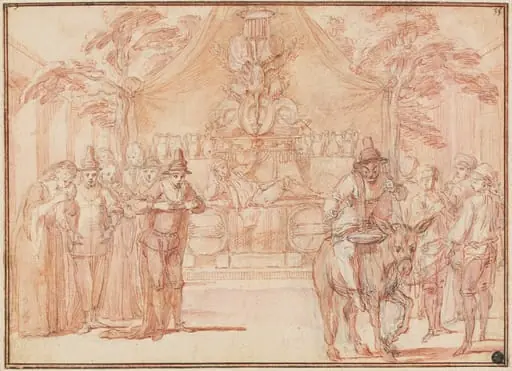 Scene from "The Tomb of Master André"
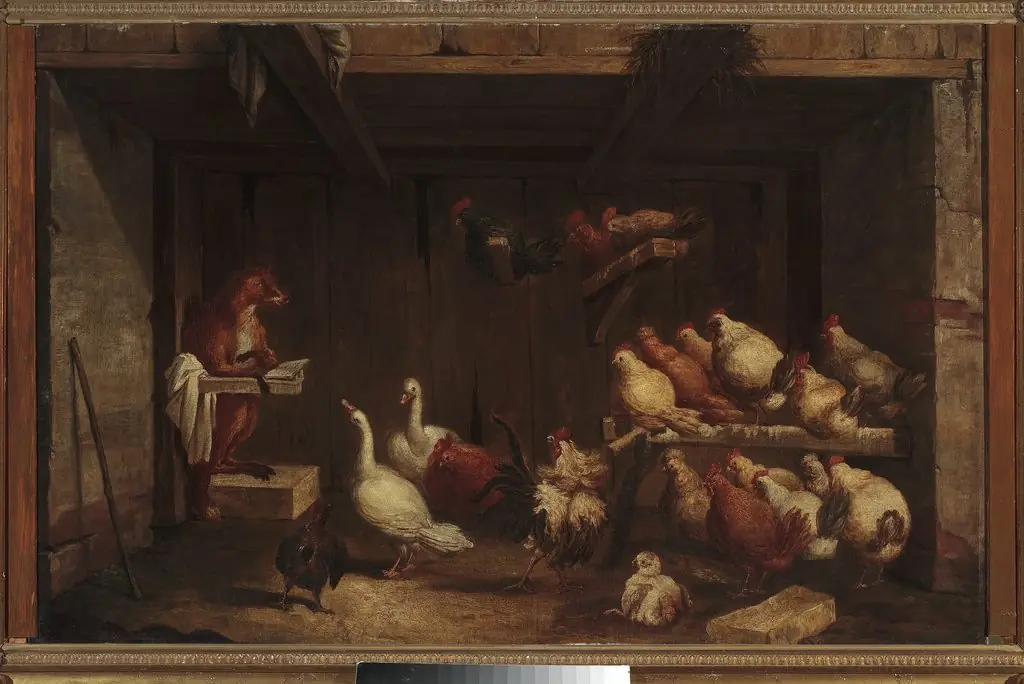 Fox preaching to birds
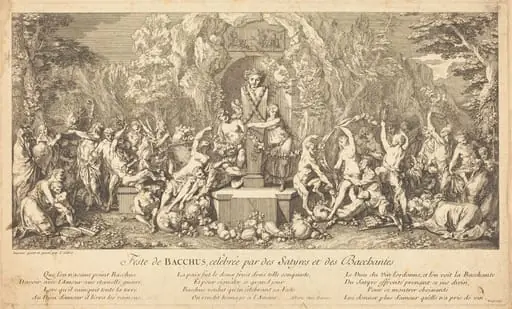 Feste de Bacchus, celebree par des Satyres et des Bacchantes (Feast of Bacchus Celeb rated by Satyrs and Bacchanales)
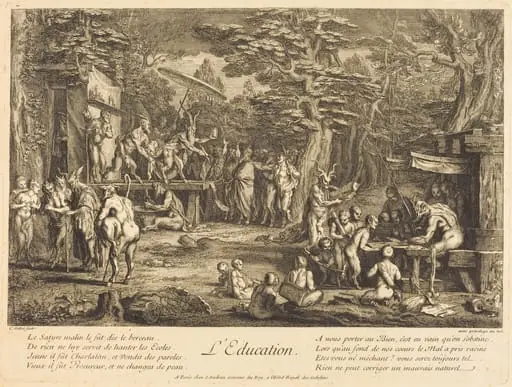 L'Education (Education)
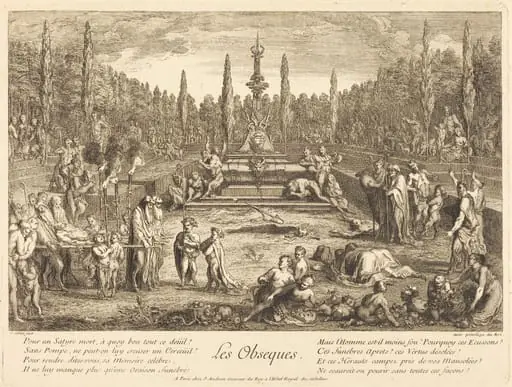 Les Obseques (The Funeral Rites)