Artwork
Feste du Dieu Pan, celebree par des Sylvains et des Nymphes (Feast of the God Pan Celebrated by Sylvans and Nymphs)
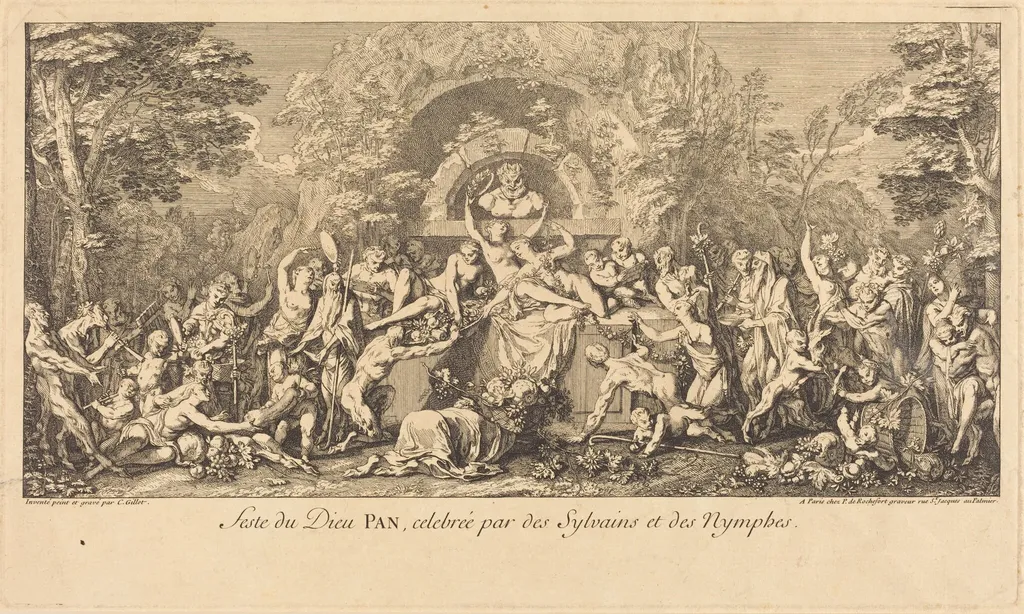
Feste du Dieu Pan, celebree par des Sylvains et des Nymphes (Feast of the God Pan Celebrated by Sylvans and Nymphs) is an ink print by the Baroque artist Claude Gillot. It dates from 1698 and is held in the collection of the National Gallery of Art.
About this work
Overview
Claude Gillot’s 1698 print, titled *Feste du Dieu Pan, celebree par des Sylvains et des Nymphes*, presents a lively woodland gathering.
Claude Gillot’s 1698 print, titled *Feste du Dieu Pan, celebree par des Sylvains et des Nymphes*, presents a lively woodland gathering. Executed through a combination of etching and engraving, the work captures a festive tableau populated by semi‑nude figures—men, women, and children—who dance, play music, and drink around a central banquet table, all set against a backdrop of trees, rocks, and hidden animals.
Subject & Meaning
The composition illustrates a mythological celebration of Pan, the rustic deity of shepherds and music. At the centre, a bearded, horned figure presides over the revelry, embodying the god’s role as leader of the sylvan troupe. The presence of nymphs and sylvans underscores themes of nature’s abundance and the joyous, unrestrained spirit associated with Pan’s domain.
Technique & Style
Gillot employs the fine, incised lines characteristic of etching alongside the deeper, more defined strokes of engraving. This dual approach allows for delicate detailing of foliage, textiles, and facial expressions, while also providing the bold contrast needed for the central figures. The intricate line work creates a dense visual texture that conveys both the chaos of the feast and the ordered composition of the scene.
History & Provenance
Created in the late seventeenth century, the print reflects Gillot’s active period as a painter and printmaker in Paris. Though specific ownership records are scarce, the work is documented in several early catalogues of French prints and has been cited as part of Gillot’s output that influenced younger Rococo artists such as Watteau and Lancret.
Context
The image aligns with the decorative and theatrical trends of the French Baroque, where mythological subjects were popular for both private collections and interior ornamentation. Gillot’s focus on pastoral myth mirrors contemporary tastes for scenes that combined classical references with a light, convivial atmosphere, catering to the aristocratic appetite for elegant yet playful imagery.
Artist & collection
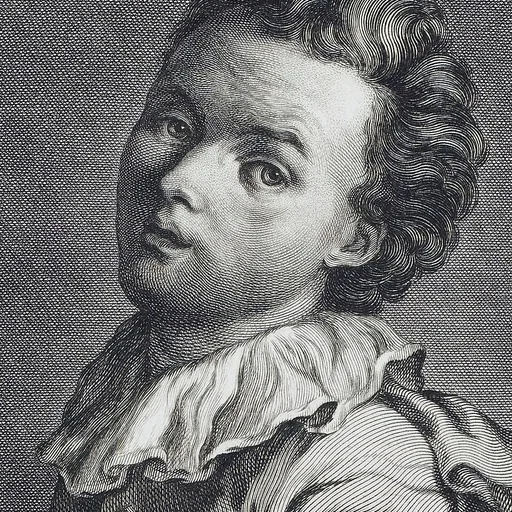
Artist
Claude Gillot (April 27, 1673 – May 4, 1722) was a French painter, printmaker, and illustrator, best known as the master of Watteau and Lancret.

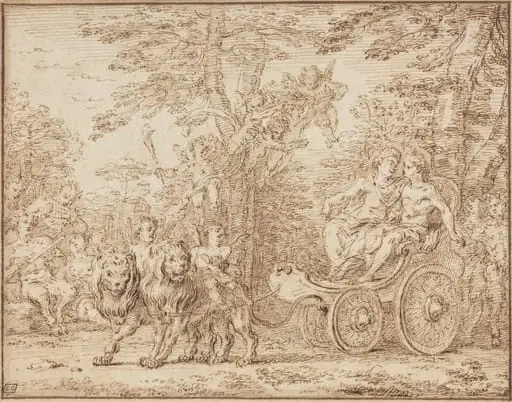 The Triumph of Marriage
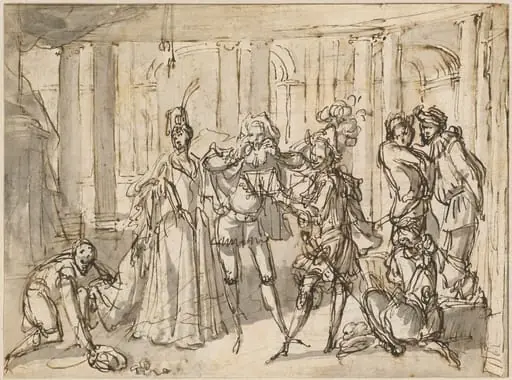 A Performance by the Commedia dell'Arte
 Studies of Ornament and Architecture
 Scene from "The Tomb of Master André"
 Fox preaching to birds
 Feste de Bacchus, celebree par des Satyres et des Bacchantes (Feast of Bacchus Celeb rated by Satyrs and Bacchanales)
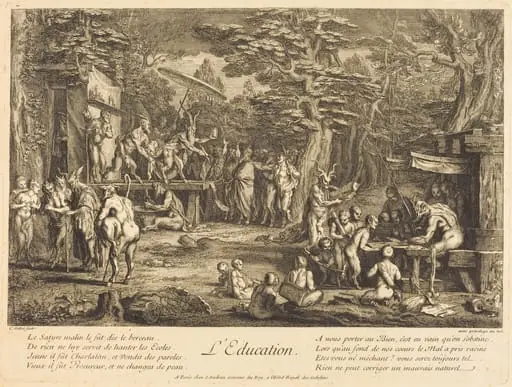 L'Education (Education)
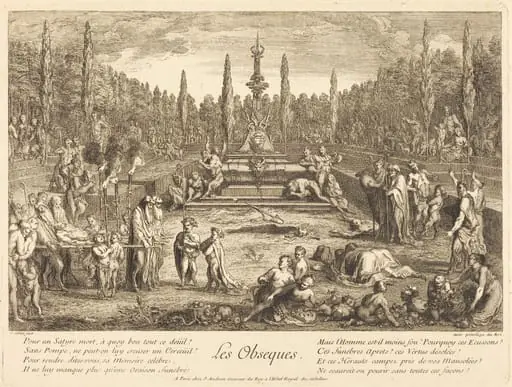 Les Obseques (The Funeral Rites)
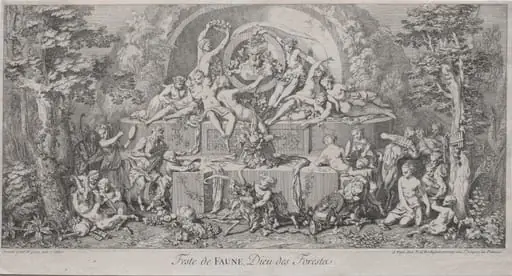 The Four Festivals: Festival of Faune
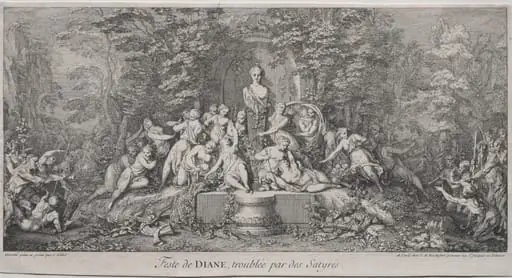 The Four Festivals: Festival of Diana
 Untitled
 Bacchanalian Dance
 The Four Festivals
 The Prima Macchina for the Chinea of 1741: Allegory of Regal Magnificence
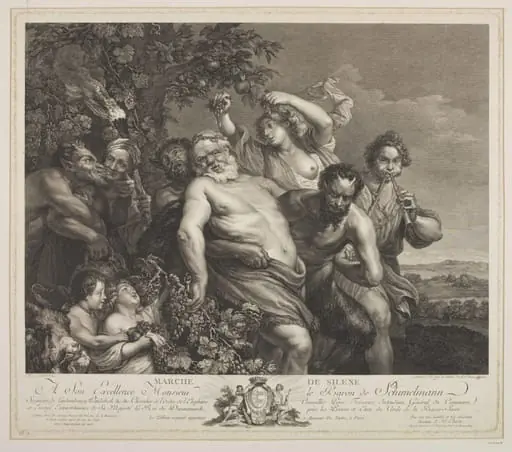 Marche de Silene
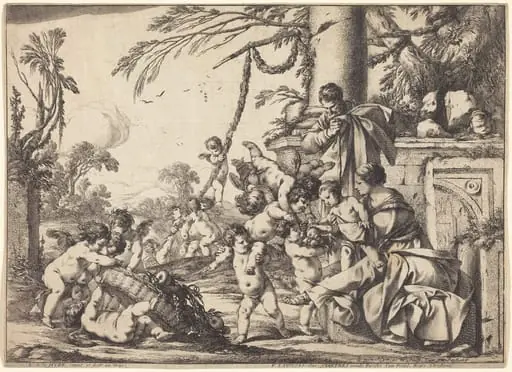 Holy Family with Putti
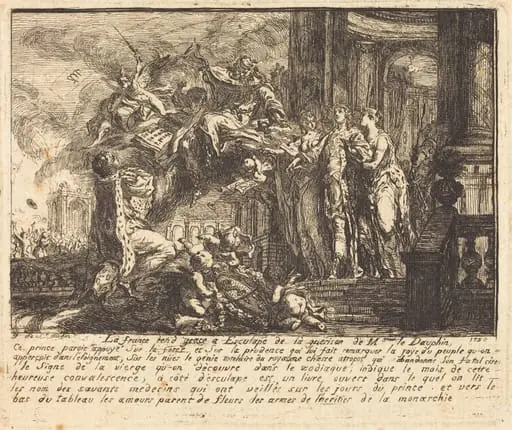 Allegory of the Dauphin's Convalescence (Allegorie sur la convalescence du Dauphin)
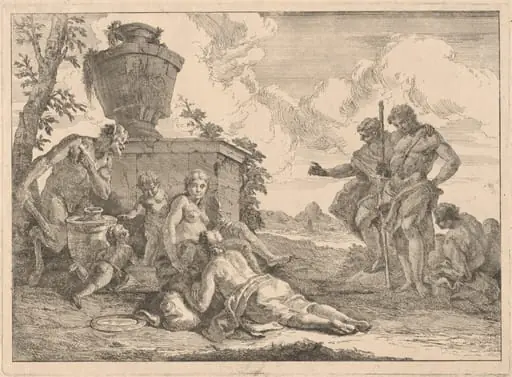 A Satyr with a Staff and Seven Other Figures