Artwork
Scene from "The Tomb of Master André"
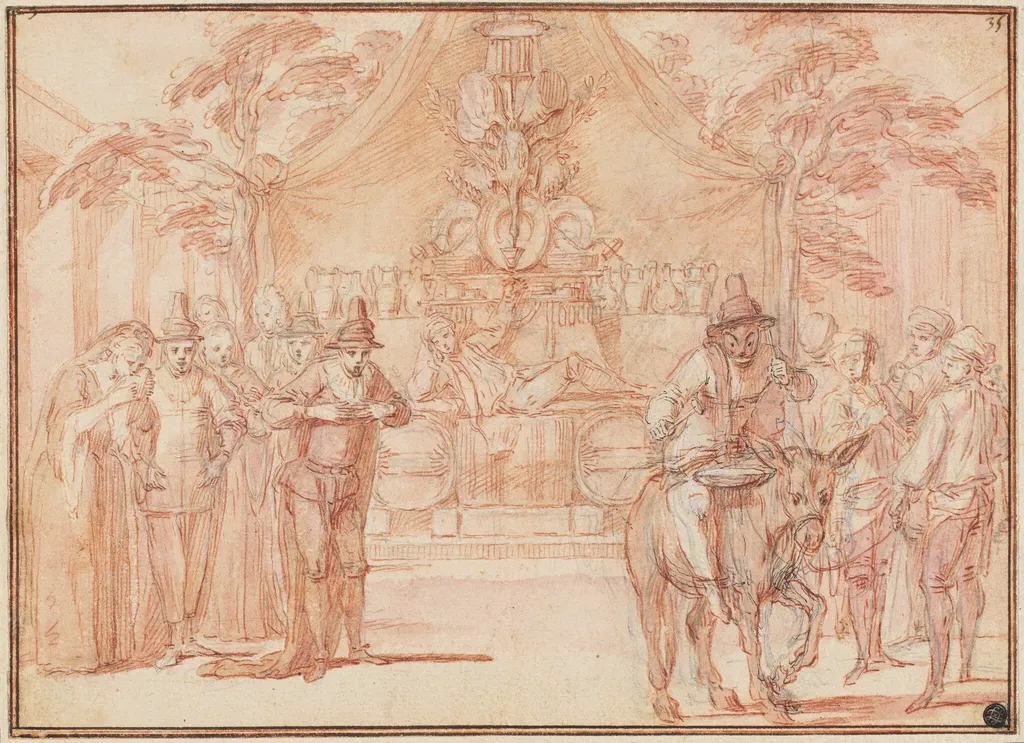
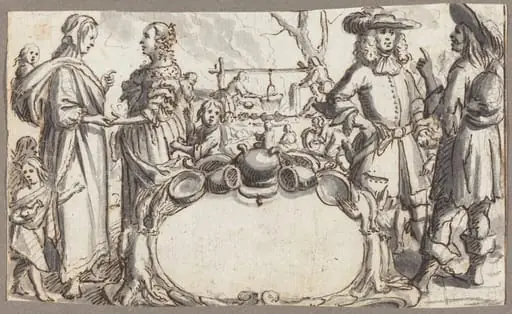
Scene from "The Tomb of Master André" is a watercolor drawing by the Baroque artist Claude Gillot. It dates from 1706 and is held in the collection of the National Gallery of Art.
About this work
Overview
Created circa 1706 by French artist Claude Gillot, this drawing combines red chalk, watercolor, pen and black ink, with touches of white gouache on laid paper that has been mounted. The composition presents a staged interior populated by a central figure surrounded by attendants, all dressed in period costume, within an elaborately decorated room.
Subject & Meaning
The scene appears to illustrate a moment from a theatrical or literary narrative, possibly with a satirical edge. A standing man commands attention at the centre, while others—some holding books or tools—react around him, suggesting a moment of revelation or judgment within a richly appointed space.
Technique & Style
Gillot employs expressive, fluid lines to define figures and architectural details, while the watercolor adds subtle tonal variation. White gouache corrections highlight highlights and refine the composition, and the use of red chalk provides a warm underdrawing that unifies the drawing’s delicate coloration.
Context
Working at a time when French art was moving toward lighter, more theatrical subjects, Gillot served as a mentor to artists such as Antoine Watteau and Nicolas Lancret. His work reflects the transitional aesthetic that favored narrative drama and decorative elegance over the earlier Baroque intensity.
History & Provenance
The drawing remains attributed to Gillot and is catalogued as a rare example of his early 18th‑century practice, illustrating his role as both a painter and an illustrator for stage designs and literary scenes.
Artist & collection
Artist
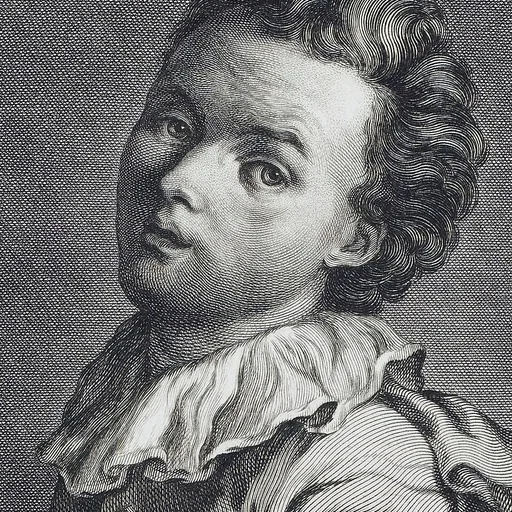
Claude Gillot (April 27, 1673 – May 4, 1722) was a French painter, printmaker, and illustrator, best known as the master of Watteau and Lancret.

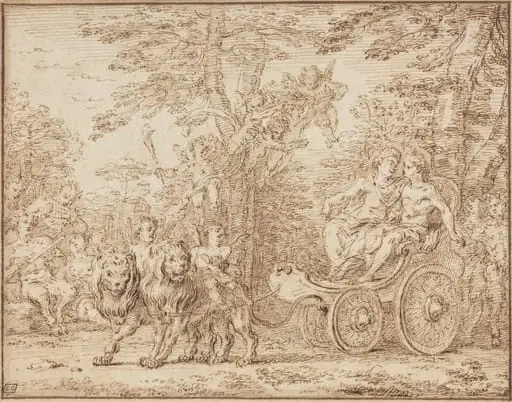 The Triumph of Marriage
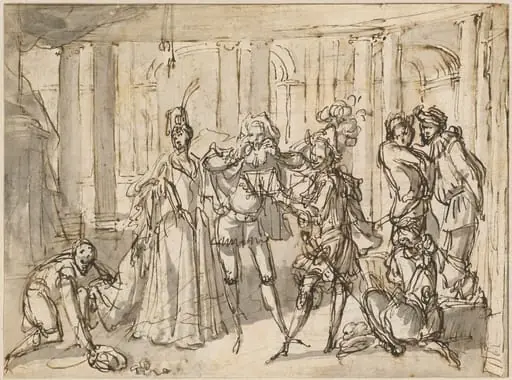 A Performance by the Commedia dell'Arte
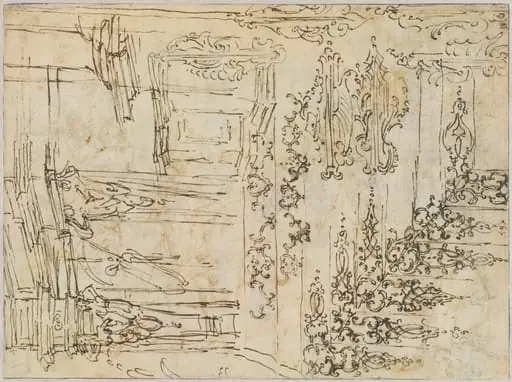 Studies of Ornament and Architecture
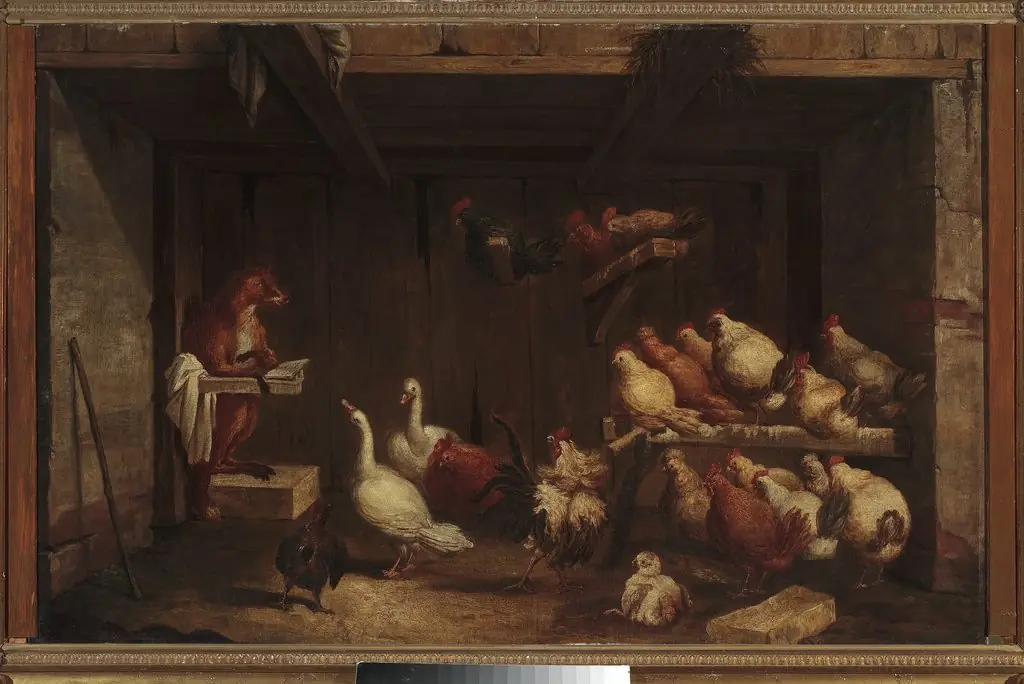 Fox preaching to birds
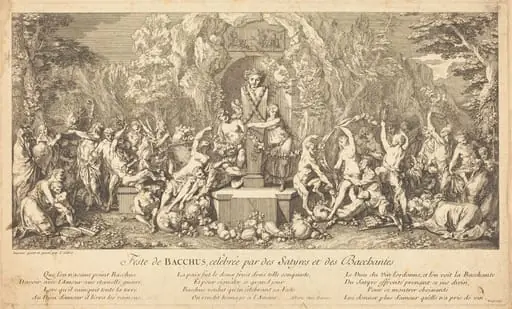 Feste de Bacchus, celebree par des Satyres et des Bacchantes (Feast of Bacchus Celeb rated by Satyrs and Bacchanales)
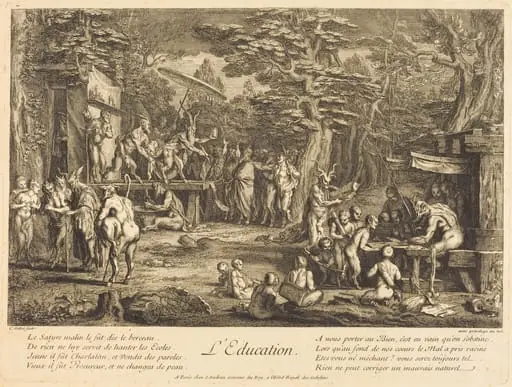 L'Education (Education)
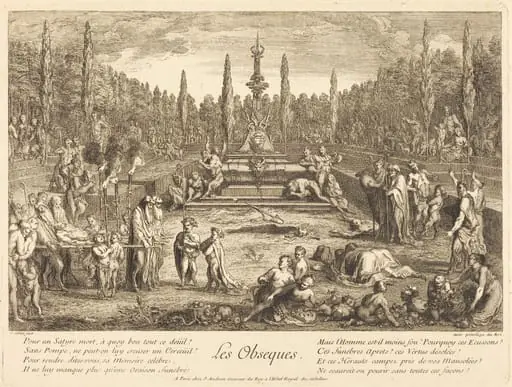 Les Obseques (The Funeral Rites)
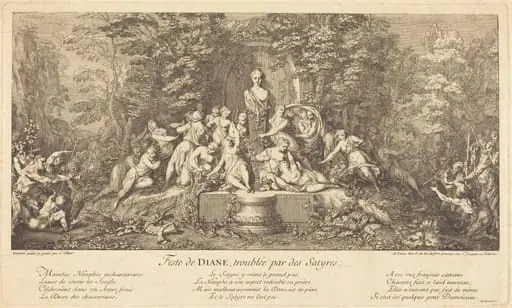 Feste de Diane, Troublee par des Satyres (Feast of Diana Disrupted by Satyrs)
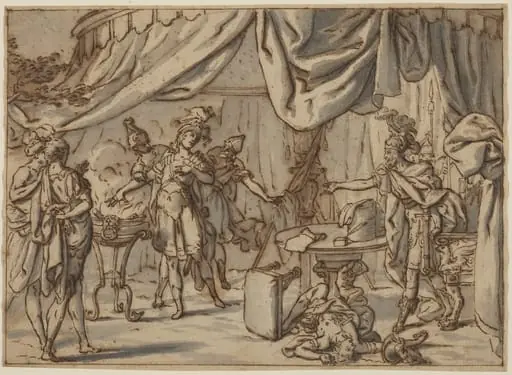 Mucius Scaevola
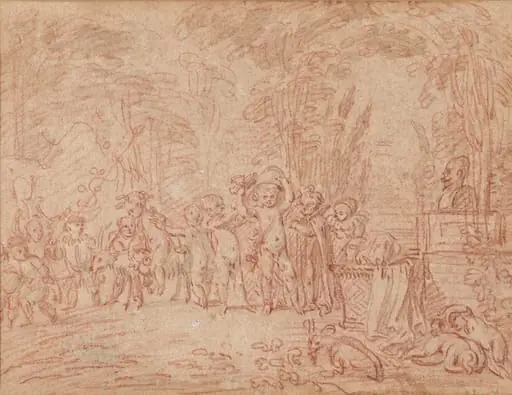 Children Parodying a Triumph of Bacchus
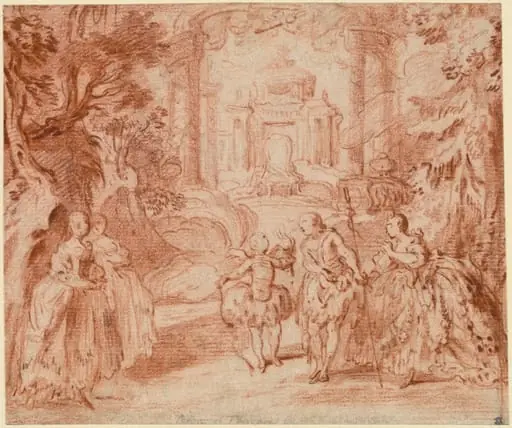 The Divertissement from Voltaire's "La princesse de Navarre"
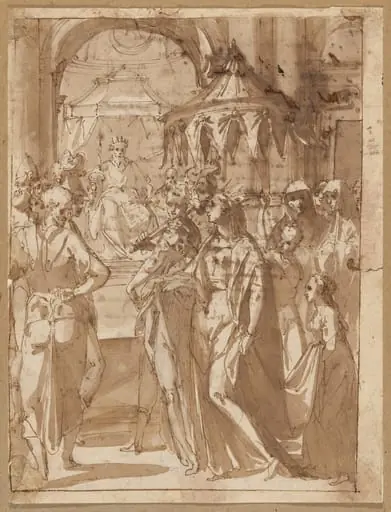 Esther before Ahasuerus
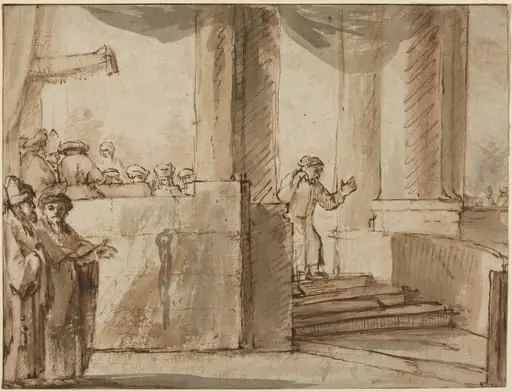 Judas Leaving the High Priest
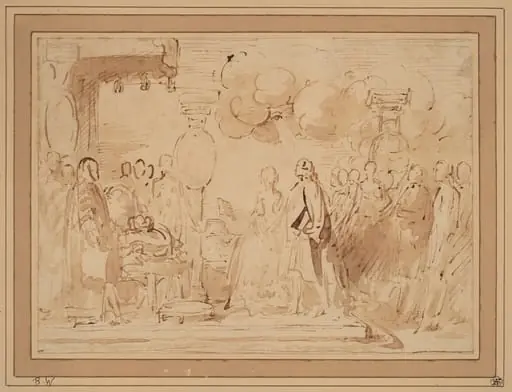 George III Resuming Royal Power in 1789
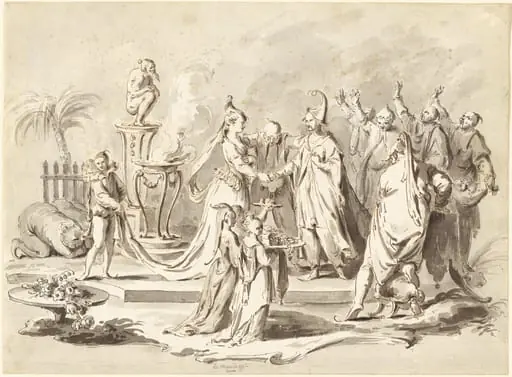 The Marriage of Europe and China
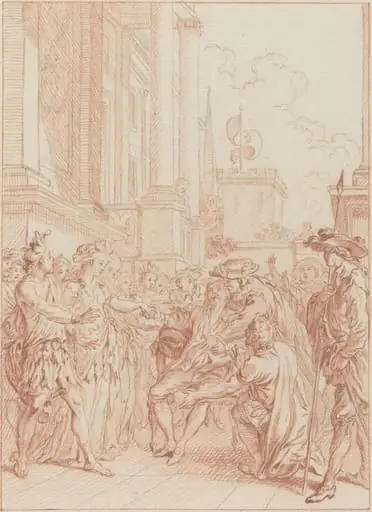 Quoi donc, les vrais Chrétiens auraient tant de vertu
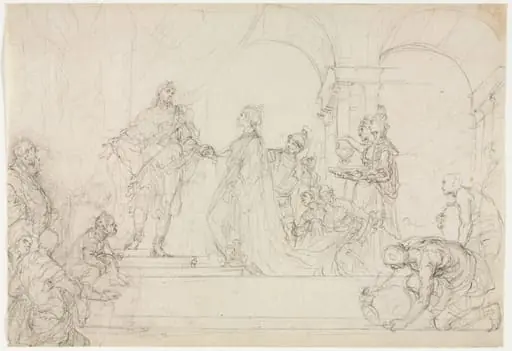 Meeting of Solomon and Queen of Sheba
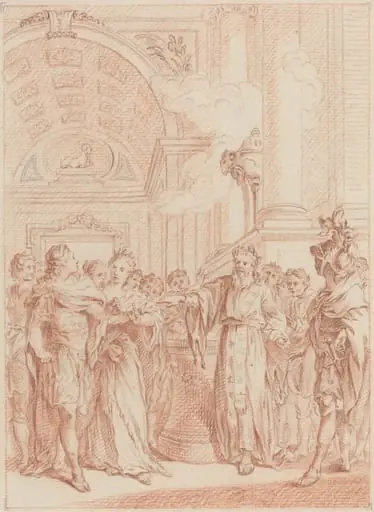 Tremblez malheureux Roi, votre Règne est passe
 Allegory of Poverty and Wealth