Artwork
Les Obseques (The Funeral Rites)
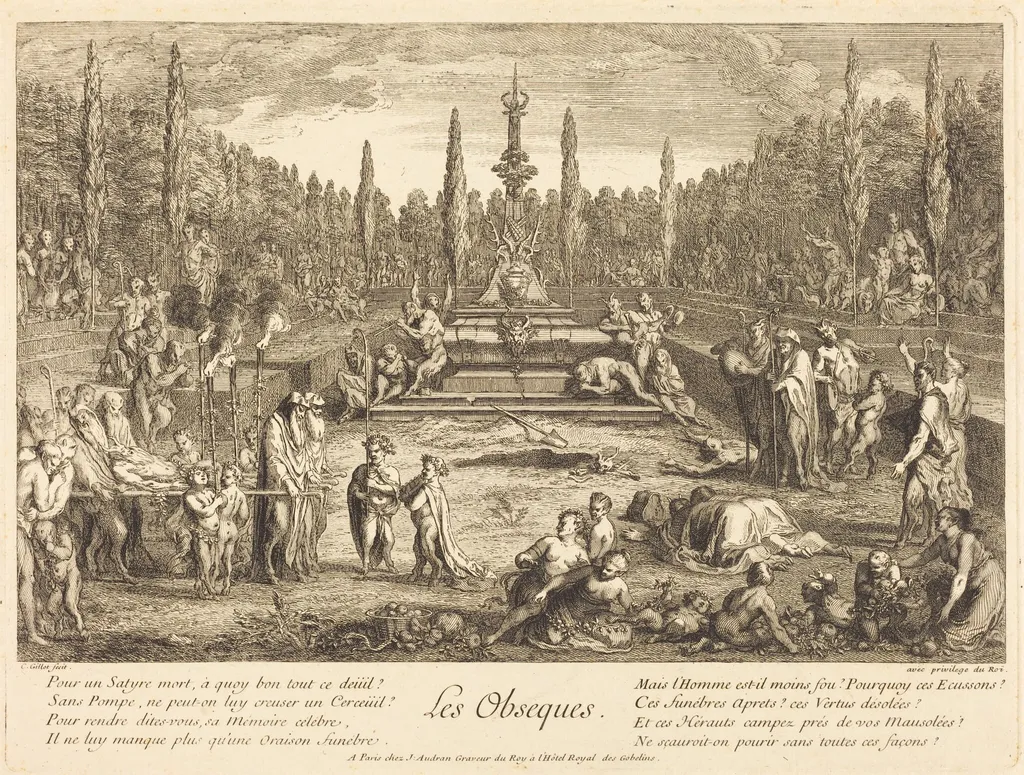
Les Obseques (The Funeral Rites) is an ink print by the Baroque artist Claude Gillot. It dates from 1710 and is held in the collection of the National Gallery of Art.
About this work
Overview
Created around 1710 by French artist Claude Gillot, *Les Obseques (The Funeral Rites)* is an etching and engraving that captures a complex funeral procession.
Created around 1710 by French artist Claude Gillot, *Les Obseques (The Funeral Rites)* is an etching and engraving that captures a complex funeral procession. As a printmaker active in early 18th-century Paris, Gillot employed fine line work to convey movement and emotion. The composition is densely populated, reflecting his interest in narrative detail rather than isolated drama. This work exemplifies his role in the transition from Baroque theatricality to the more intimate modes of Rococo.
Subject & Meaning
The scene portrays a public funeral, with figures arranged in varied postures—some standing in solemn attention, others seated or reclining as if overcome by grief. A tall, ornate monument dominates the center, adorned with sculpted figures, suggesting the status of the deceased. The inclusion of onlookers and textual inscriptions at the base implies a ritualized social event, possibly referencing contemporary French funerary customs. The work does not idealize death but presents it as a communal, layered experience.
Technique & Style
Gillot combined etching and engraving to achieve nuanced tonal variation and precise linear detail. The etched lines create soft shadows across the figures and landscape, while engraved strokes define sharp contours and textures, such as fabric folds and stone surfaces. The crowded composition is organized through overlapping forms and receding planes, giving depth to a scene that could easily become chaotic. His method prioritizes clarity of narrative over dramatic lighting, typical of his printmaking approach.
History & Provenance
Produced during Gillot’s most active period in Paris, the print was likely made for a private or scholarly audience rather than mass distribution. It reflects his engagement with the decorative arts and theatrical themes that influenced his pupils, including Watteau. Though no early ownership records are widely documented, the work survives in several institutional collections, attesting to its recognition among connoisseurs of French graphic art in the 18th and 19th centuries.
Context
In early 18th-century France, funeral rites were both religious and civic occasions, often marked by elaborate processions and public displays of mourning. Gillot’s print aligns with a broader interest in documenting social rituals through print, a trend supported by the growing market for illustrated books and graphic art. His depiction avoids overt sentimentality, instead offering a quiet, observational record of communal behavior during moments of collective grief.
Legacy
Though less celebrated than his students, Gillot’s prints like *Les Obseques* helped shape the visual language of French Rococo narrative art. His ability to embed multiple figures and subtle gestures within a single composition influenced later artists in their treatment of crowd scenes and emotional nuance. The work remains a key example of how printmaking could convey social observation with precision and restraint, bridging the gap between Baroque grandeur and Rococo intimacy.
Artist & collection
Artist
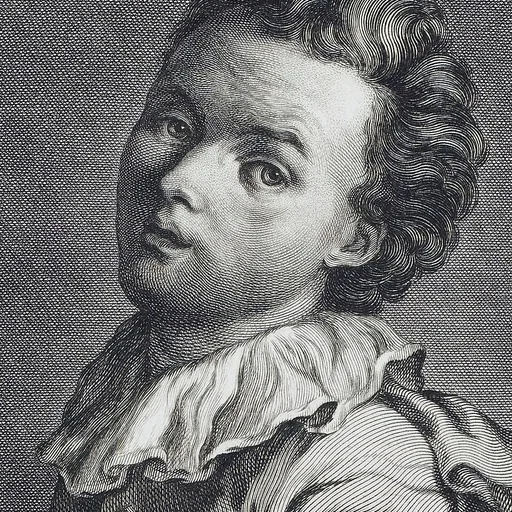
Claude Gillot (April 27, 1673 – May 4, 1722) was a French painter, printmaker, and illustrator, best known as the master of Watteau and Lancret.

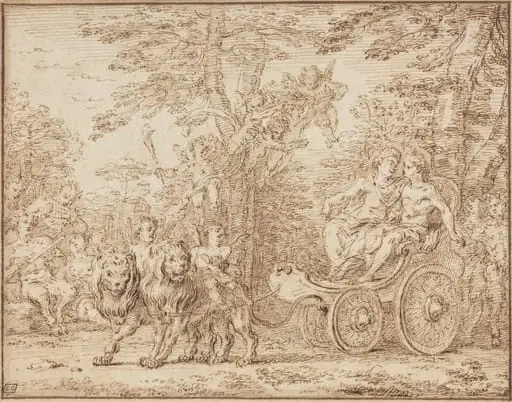 The Triumph of Marriage
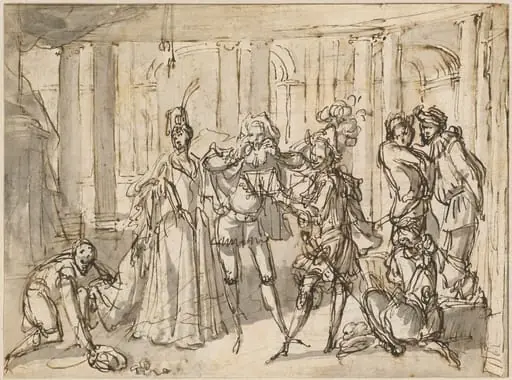 A Performance by the Commedia dell'Arte
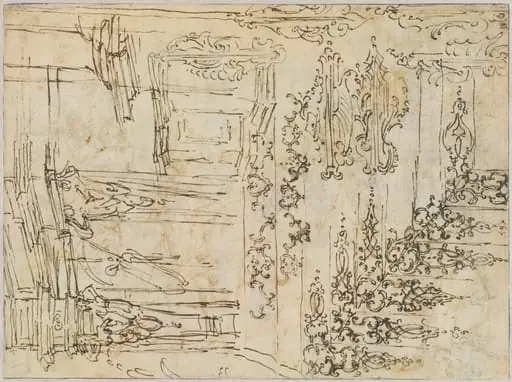 Studies of Ornament and Architecture
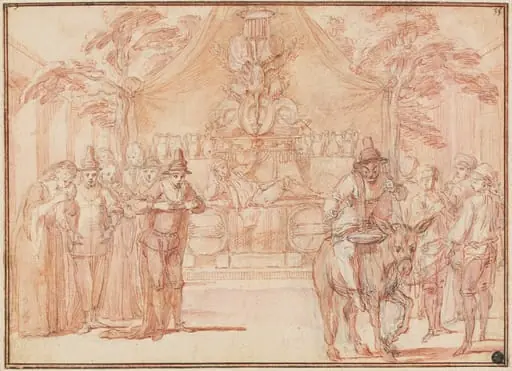 Scene from "The Tomb of Master André"
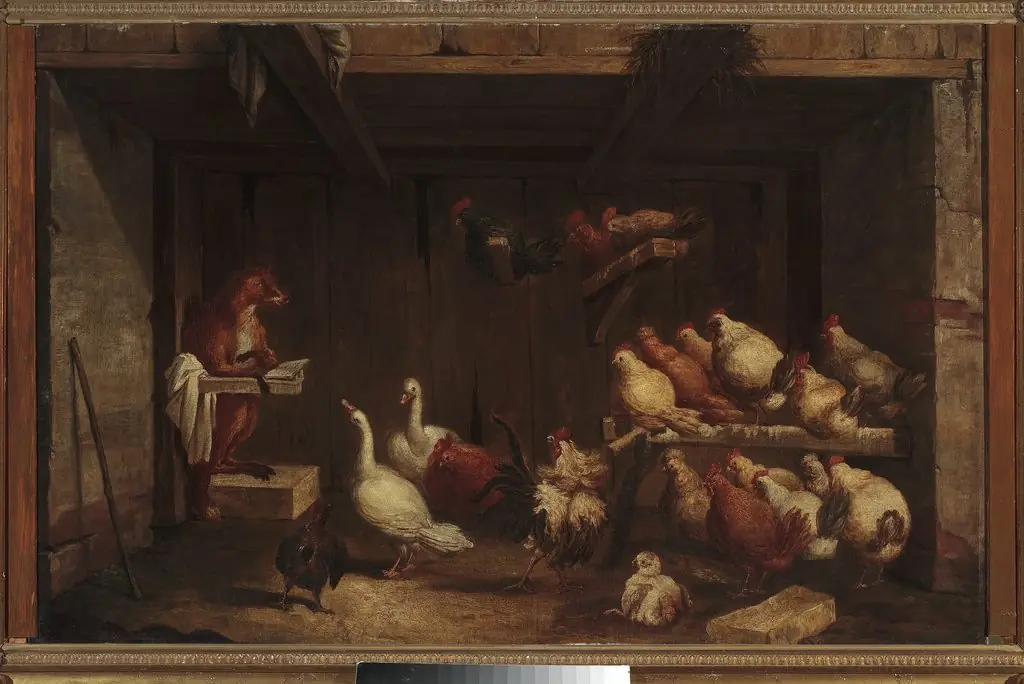 Fox preaching to birds
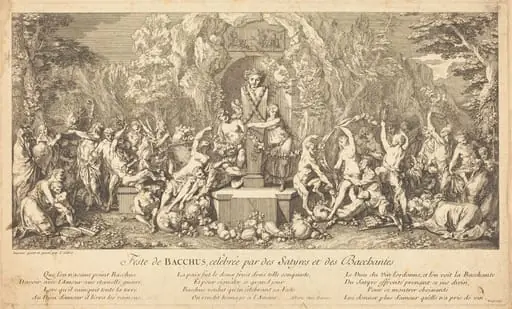 Feste de Bacchus, celebree par des Satyres et des Bacchantes (Feast of Bacchus Celeb rated by Satyrs and Bacchanales)
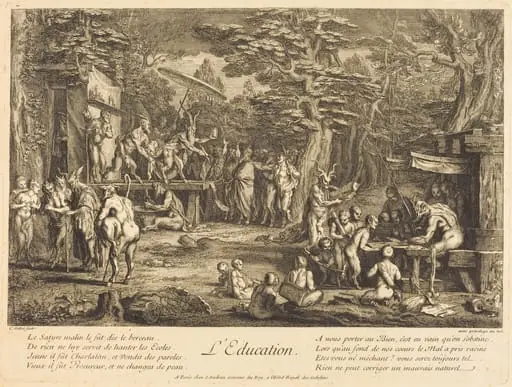 L'Education (Education)
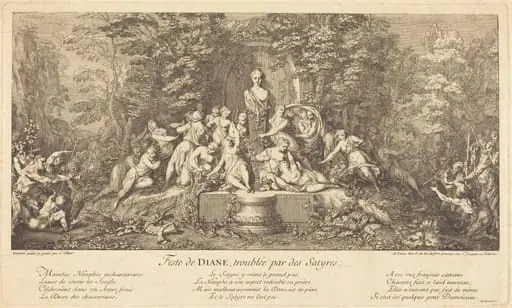 Feste de Diane, Troublee par des Satyres (Feast of Diana Disrupted by Satyrs)
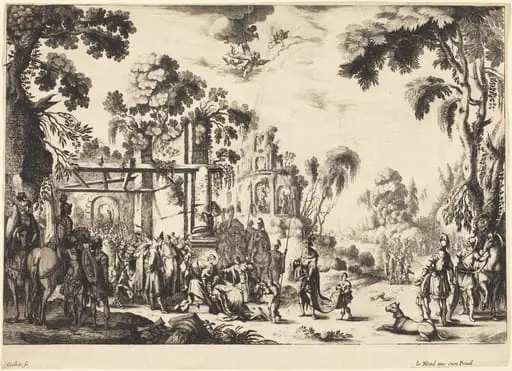 The Adoration of the Magi
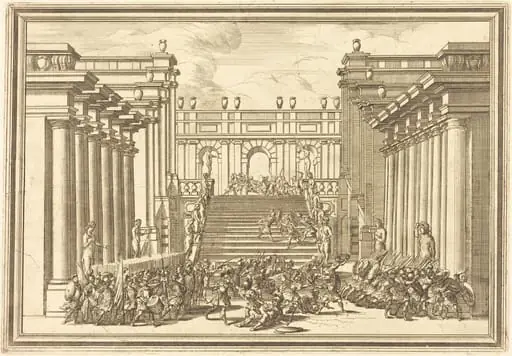 Il Greco in Troia: Plate 3
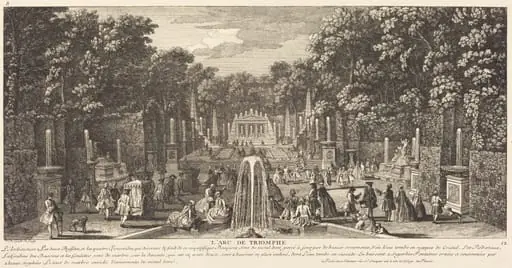 L'Arc de Triomphe
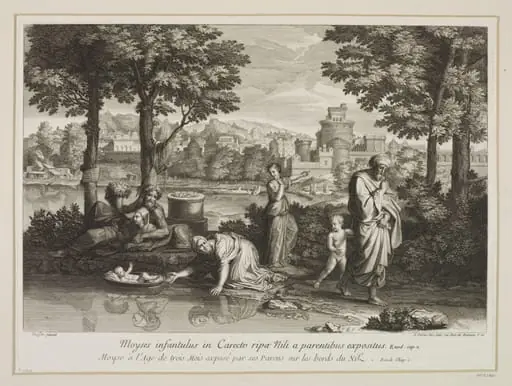 Infant Moses
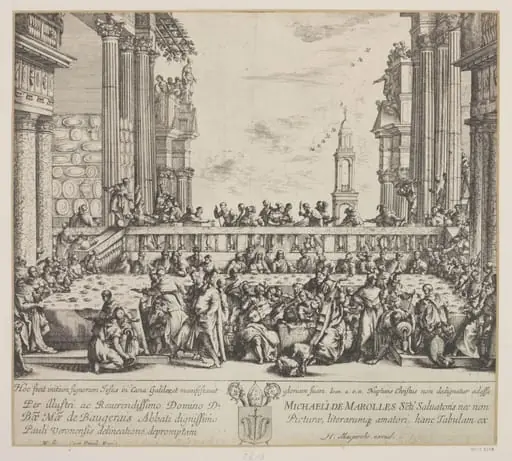 Marriage at Cana
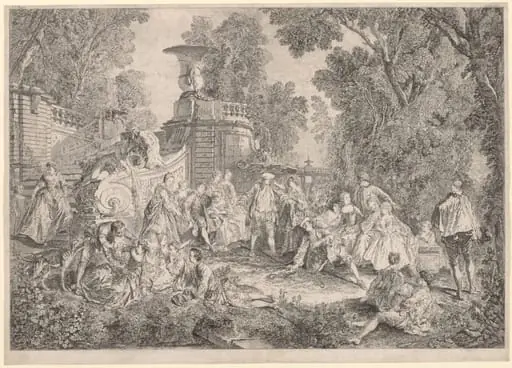 The Game of Blind Man's Bluff
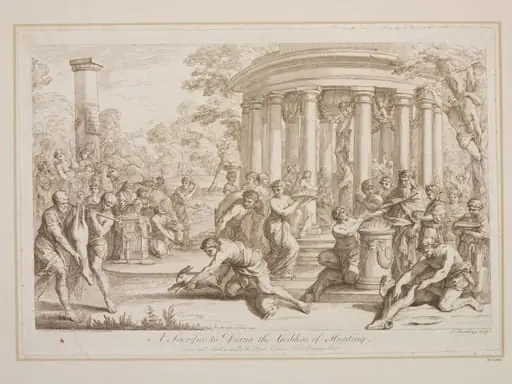 A Sacrifice to Diana, the Goddess of Hunting
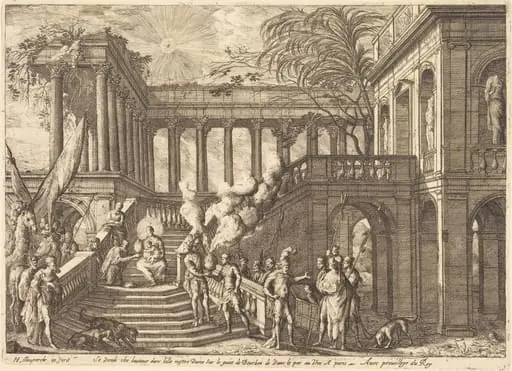 The Adoration of the Kings
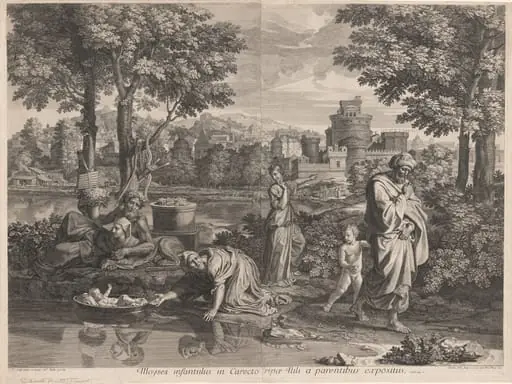 Moyses infantulus in Carecto ripae Nili a parentibus expositus (Baby Moses Placed in the Nile by his Parents)
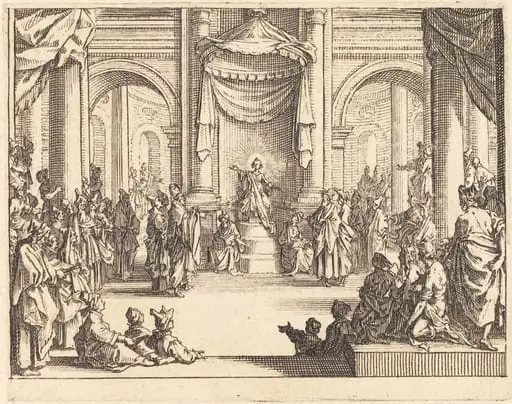 Christ Disputing with the Doctors
 Infant Moses
 May and June