Artwork
Strachină lucrată în manieră Kuty, de formă tronconică, modelată la roată; decor amplasat pe toată suprafața vasului organizat în două registre despărțite de linii circulare concentrice realizate cu cornul; central prezintă un motiv antropomorf: Ștefan cel Mare, în stânga și dreapta sunt desenate motive heraldice: sabie întretăiată cu halebardă și arc cu săgeți; în registrul de la extremitatea vasului sunt desenate motive geometrice unghiulare despărțite de grupuri de liniuțe; cromatică: fond alb dat de angobă, decor cu galben, verde și cărămiziu.
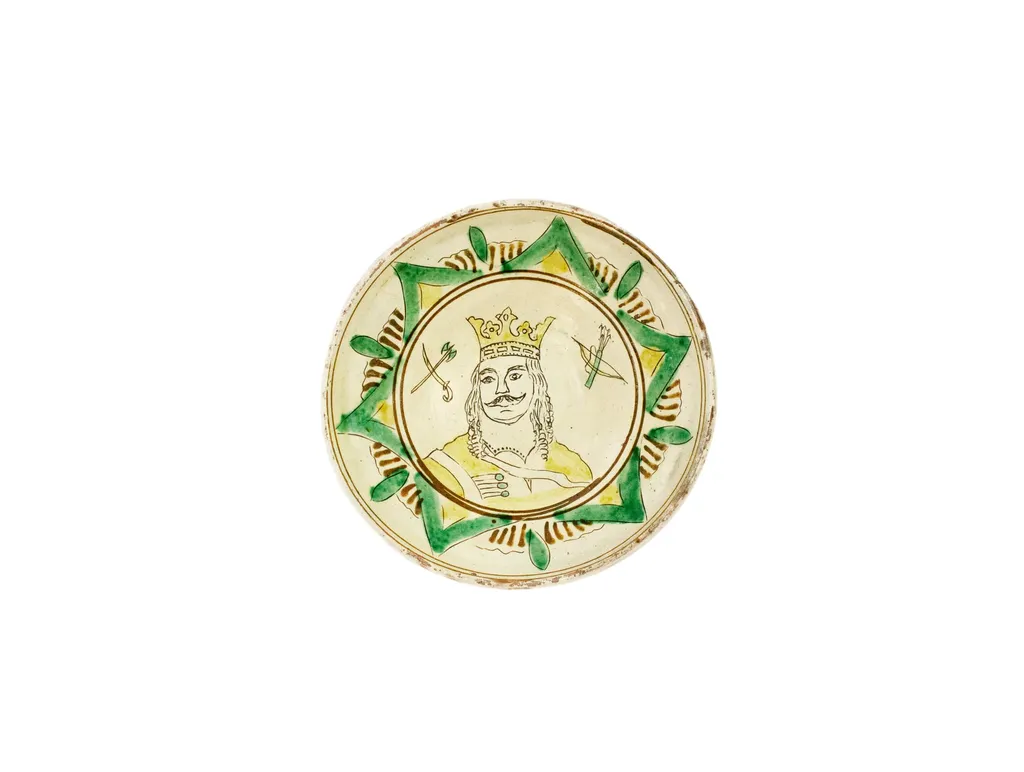
Strachină lucrată în manieră Kuty, de formă tronconică, modelată la roată; decor amplasat pe toată suprafața vasului organizat în două registre despărțite de linii circulare concentrice realizate cu cornul; central prezintă un motiv antropomorf: Ștefan cel Mare, în stânga și dreapta sunt desenate motive heraldice: sabie întretăiată cu halebardă și arc cu săgeți; în registrul de la extremitatea vasului sunt desenate motive geometrice unghiulare despărțite de grupuri de liniuțe; cromatică: fond alb dat de angobă, decor cu galben, verde și cărămiziu. is a photography by Colibaba Constantin. It dates from 1967 and is held in the collection of the National Museum of Bukovina.
About this work
Overview
This tronconic-shaped ceramic dish, crafted in the Kuty style and wheel-thrown, features a comprehensive decorative scheme across its entire surface. Executed in 1967 by Colibaba Constantin, it is now part of the Museum of Ethnography's collection.
Subject & Meaning
The central motif depicts Ștefan cel Mare (Stephen the Great), flanked by heraldic symbols: a crossed sword and halberd on one side, and a bow with arrows on the other. These elements likely allude to historical and symbolic narratives of the depicted figure.
Technique & Style
The design is organized into two registers, separated by concentric circular lines applied with a corn tool. The color palette contrasts a white engobe background with yellow, green, and brick-red decorations, characteristic of the Kuty style's bold and vibrant aesthetic.
History & Provenance
Created in 1967 by Colibaba Constantin, the piece is currently housed at the Museum of Ethnography, providing insight into mid-20th-century interpretations of traditional ceramic arts.
Context
While the piece's style evokes a historical appearance, its creation in 1967 situates it within a contemporary revival or reinterpretation of traditional Kuty ceramic techniques and motifs, possibly reflecting a nostalgic or cultural preservation effort.
Legacy
As a piece in the Museum of Ethnography, it contributes to the understanding and appreciation of Romanian ceramic heritage, particularly the evolution and modern expressions of the Kuty style.
Artist & collection
Artist
Constantin Colibaba made colorful folk pottery following the Kuty and Rădăuți styles.

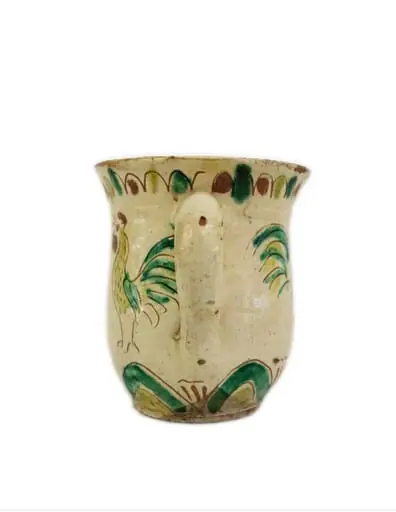 Căniță lucrată în manieră Kuty, de formă cilindrică, bombată la mijloc, modelată la roată; prezintă o toartă pentru prindere; decor geometrizant organizat la extremități: la bază semicercuri despărțite de linii curbe iar spre gura vasului un șir de semiovaluri alternând cromatic; pe restul suprafeței apar motive avimorfe: cocoșul alternând cu sabie și halebardă întretăiate; cromatică: fond alb dat de angobă, decor cu verde, galben și cărămiziu.
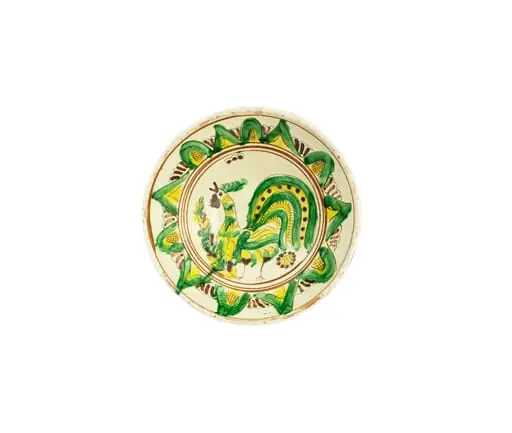 Strachină lucrată în manieră Kuty, de formă tronconică, modelată la roată; decor naturalist amplasat pe toată suprafața vasului organizat în două registre despărțite de linii circulare concentrice realizate cu cornul; central prezintă un motiv avimorf: cocoș; în registrul de la extremitatea vasului sunt desenate motive geometrice unghiulare alternând cu motive semiovoidale realizate cu linii drepte, linii curbe și hașuri; cromatică: fond alb dat de angobă, decor cu galben, verde și brun. Pe exterior este ștampilat numele meșterului cu majusculă și caractere italice: Colibaba.
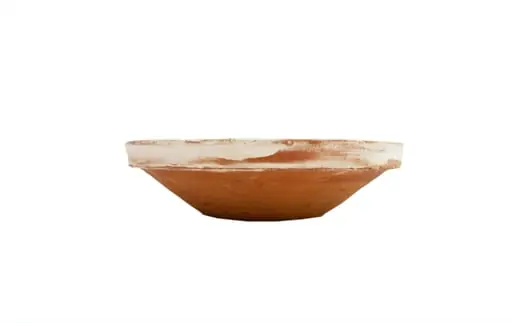 Strachină lucrată în manieră Kuty, de formă tronconică, modelată la roată; decor geometrizant și naturalist amplasat pe toată suprafața vasului organizat în două registre despărțite de linii circulare realizate cu cornul: central prezintă un motiv fitomorf: plantă în ghiveci cu trei inflorescențe: lalea și floarea soarelui; spre marginea vasului un registru cu motive geometrice unghiulare, despărțite de grupuri de liniuțe; cromatică: fond alb dat de angobă, decor realizat cu verde, galben, negru și cărămiziu. Pe exterior este imprimată ștampila cu numele meșterului scris cu majusculă și caractere italice: Colibaba.
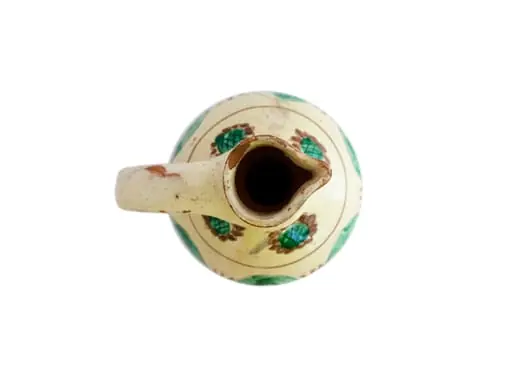 Ulcior lucrat în manieră Kuty, de formă cilindrică bombat la mijloc și cu gât îngust, modelat la roată; prezintă o toartă pentru prindere și un lob pentru turnarea lichidelor realizat prin impresiune cu degetul; decor geometrizat organizat în trei registre, despărțite de linii circulare realizate cu cornul: în registrul inferior apar motive geometrice unghiulare despărțite de grupuri de liniuțe; în registrul din mijloc motive geometrice semicirculare despărțite de grupuri de liniuțe și realizate cu linii curbe și hașuri, spre gâtul vasului un registru cu motive astrale: soare realizate cu cercuri, hașuri și puncte de culoare; cromatică: fond alb dat de angobă, decor realizat cu verde, galben și cărămiziu.
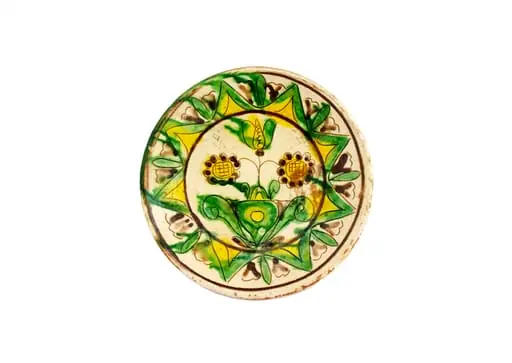 Farfurie lucrată în manieră Kuty, de formă tronconică, modelată la roată; decor geometrizat amplasat pe toată suprafața vasului organizat în două registre despărțite de linii circulare concentrice realizate cu cornul; central prezintă un motiv fitomorf: lalea într-un ghiveci cu trei inflorescențe; în registrul de la extremitatea vasului sunt desenate motive geometrice unghiulare realizate cu linii drepte despărțite de grupuri de liniuțe; cromatică: fond alb dat de angobă, decor cu galben, verde, brun. Pe exterior este imprimată ștampila cu numele meșterului scris cu majusculă și caractere italice: Colibaba.
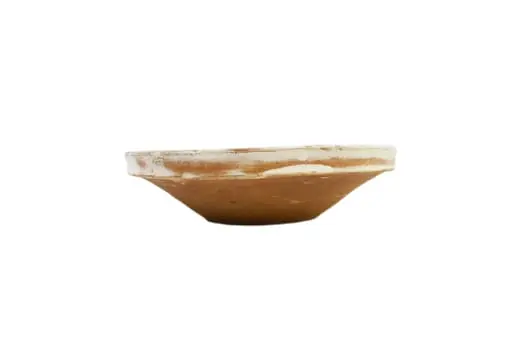 Strachină lucrată în manieră Kuty, de formă tronconică, modelată la roată; decor naturalist amplasat pe toată suprafața vasului organizat în două registre despărțite de linii circulare concentrice realizate cu cornul; central prezintă un motiv avimorf: pasăre; în registrul de la extremitatea vasului sunt desenate motive geometrice semiovoidale realizate cu linii curbe și despărțite de grupuri de trei liniuțe; cromatică: fond alb dat de angobă, decor cu galben, verde și brun. Pe exterior este ștampilat numele meșterului cu majusculă și caractere italice: Colibaba.
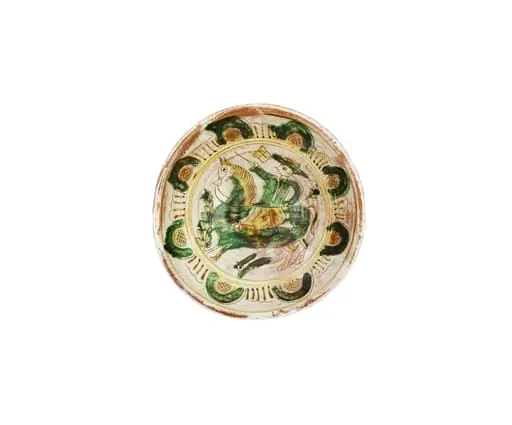 Strachină lucrată în manieră Kuty, de formă tronconică, modelată la roată; decor geometrizat amplasat pe toată suprafața vasului organizat în două registre despărțite de linii circulare concentrice realizate cu cornul; central prezintă un motiv antropomorf: cavaler cu sabia în mână încălecat pe cal; în registrul de la extremitatea vasului sunt desenate motive geometrice semicirculare realizate cu linii curbe și hașuri, despărțite de grupuri de câte patru linii; cromatică: fond alb dat de angobă, decor cu galben, verde, cărămiziu. Pe exterior este ștampilat numele meșterului cu majuscule de tipar: COLIBABA.
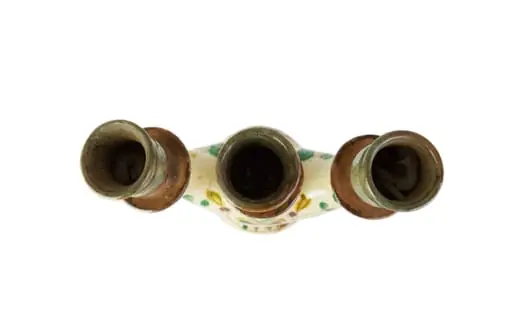 Sfeșnic lucrat în manieră Kuty, cu trei brațe pentru suportul lumânărilor, modelat la roată; prezintă decor naturalist pe cele trei brațe realizat cu motive fitomorfe: floarea soarelui, laleaua și frunze de diferite dimensiuni; pe piciorul sfeșnicului sunt desenate motive geometrice: alveole, linii drepte, triunghiuri și motive astrale: soare; suporturile pentru lumânări sunt trei discuri așezate peste cilindrele din care sunt lucrate brațele sfeșnicului; cromatică: fond alb, decor realizat cu galben, verde, cărămiziu. Pe interiorul piciorului de susținere apare semnătua autorului incizată, cu majusculă și litere de mână: Colibaba C-tin.
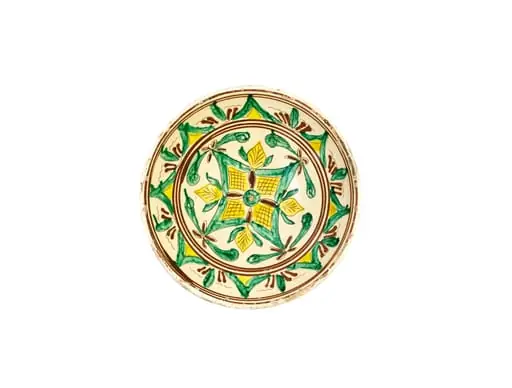 Strachină lucrată în manieră Kuty, de formă tronconică, modelată la roată; decor geometrizant amplasat pe toată suprafața vasului organizat în două registre despărțite de linii circulare concentrice realizate cu cornul; central prezintă motive fitomorfe stilizate dispuse în X; în registrul de la extremitatea vasului sunt desenate motive geometrice unghiulare despărțite de grupuri de liniuțe; cromatică: fond alb dat de angobă, decor cu galben, verde și cărămiziu. Pe exterior este ștampilat numele meșterului cu majuscule de tipar: COLIBABA.
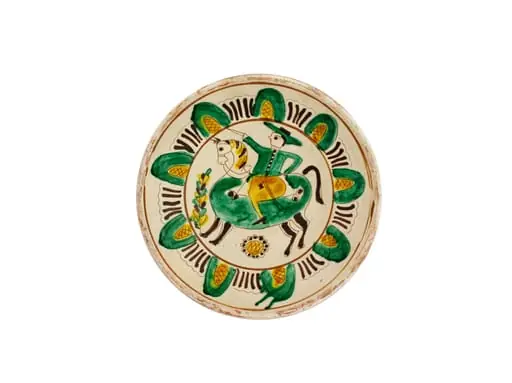 Strachină lucrată în manieră Kuty, de formă tronconică, modelată la roată; decor geometrizat și naturalist amplasat pe toată suprafața vasului organizat în două registre despărțite de linii circulare realizate cu cornul: central prezintă un motiv antropomorf: călăreț cu sabia în mână încălecat pe cal și motive fitomorfe: floarea soarelui și brăduț; spre marginea vasului un registru cu motive geometrice semiovoidale realizate cu linii curbe și hașuri, despărțite de grupuri de liniuțe; cromatică: fond alb dat de angobă, decor realizat cu verde, galben, brun și cărămiziu. Pe exterior este imprimată ștampila cu numele meșterului scris cu majusculă și caractere italice: Colibaba.
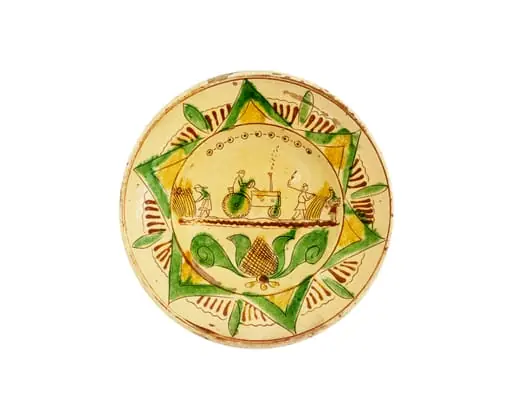 Farfurie lucrată în manieră Kuty, de formă tronconică, modelată la roată; decor geometrizat și naturalist amplasat pe toată suprafața vasului organizat în două registre despărțite de linii circulare realizate cu cornul: central prezintă la partea superioară motive antropomorfe: personaje în diferite ipostaze la muncile agrare și un tractor, la partea inferioară un motiv fitomorf: lalea realizată cu linii curbe și hașuri; spre marginea vasului un registru cu motive geometrice unghiulare despărțite de grupuri de liniuțe; cromatică: fond alb dat de angobă, decor realizat cu verde, galben și cărămiziu.
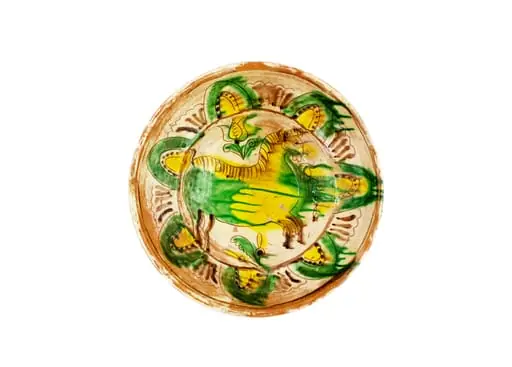 Strachină lucrată în manieră Kuty, de formă tronconică, modelată la roată; decor geometrizat și naturalist amplasat pe toată suprafața vasului organizat în două registre despărțite de linii circulare realizate cu cornul: central prezintă un motiv zoomorf: animal, înconjurat de motive fitomorfe: flori de lalea și frunze; spre marginea vasului un registru cu motive geometrice semiovoidale realizate cu linii curbe și puncte, despărțite de grupuri de liniuțe; cromatică: fond alb dat de angobă, decor realizat cu verde, galben și brun. Pe exterior este imprimată ștampila cu numele meșterului scris cu majusculă și caractere italice: Colibaba.
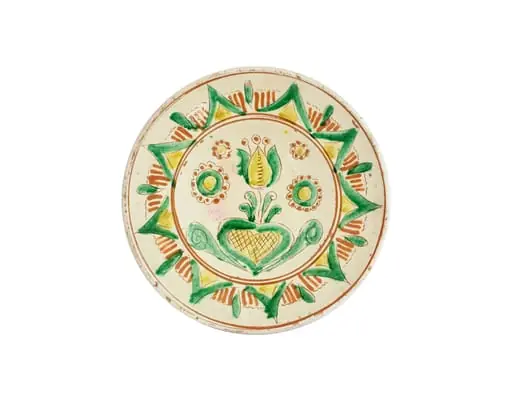 Farfurie lucrată în manieră Kuty, de formă tronconică, modelată la roată; decor geometrizant și naturalist amplasat pe toată suprafața vasului organizat în două registre despărțite de linii circulare realizate cu cornul: central prezintă un motiv fitomorf: lalea în ghiveci și motive astrale: soare realizate cu cercuri, linii curbe și puncte de culoare; spre marginea vasului un registru cu motive geometrice unghiulare, despărțite de grupuri de liniuțe; cromatică: fond alb dat de angobă, decor realizat cu verde, galben și cărămiziu.
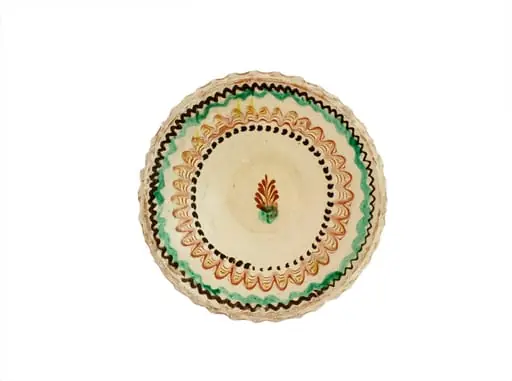 Strachină cu marginea zimțată, de formă tronconică, modelată la roată; decor geometrizant realizat cu linii circulare concentrice peste care sunt suprapuse linii curbe; spre centrul vasului decorul se continuă cu un șir de puncte de culoare, iar spre gura vasului decorul se termină cu două linii vălurite una pictată cu pensonul, cealaltă realizată cu cornul; central prezintă un motiv fitomorf: crenguța de brad; cromatică: fond alb, decor realizat cu verde, cărămiziu și brun. Pe exteriorul vasului este imprimată ștampila cu numele meșterului scris cu majuscule de tipar: COLIBABA.
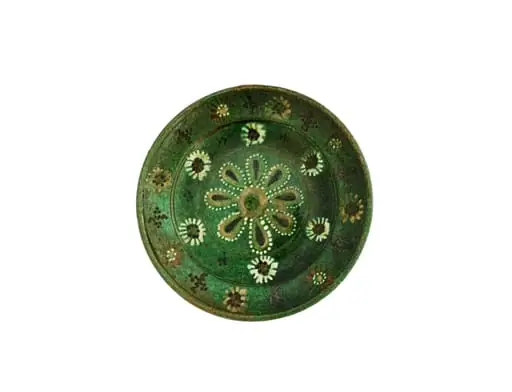 Platou de formă tronconică, modelat la roată; decor geometrizant realizat cu linii circulare concentrice între care sunt așezate motive fitomorfe: flori realizate cu puncte de culoare și petale desenate cu pensonul sau cornul între care sunt intercalate grupuri de puncte; central prezintă un motiv fitomorf: floare, conturul acesteia find realizat cu puncte de culoare; cromatică: fond verde, decor realizat cu alb, cărămiziu și brun. Pe exteriorul vasului este impresată semnătura meșterului scrisă cu majusculă și caractere italice: Colibaba C. și anul când a fost confecționat 1967.