Artwork
Monument to William Pitt
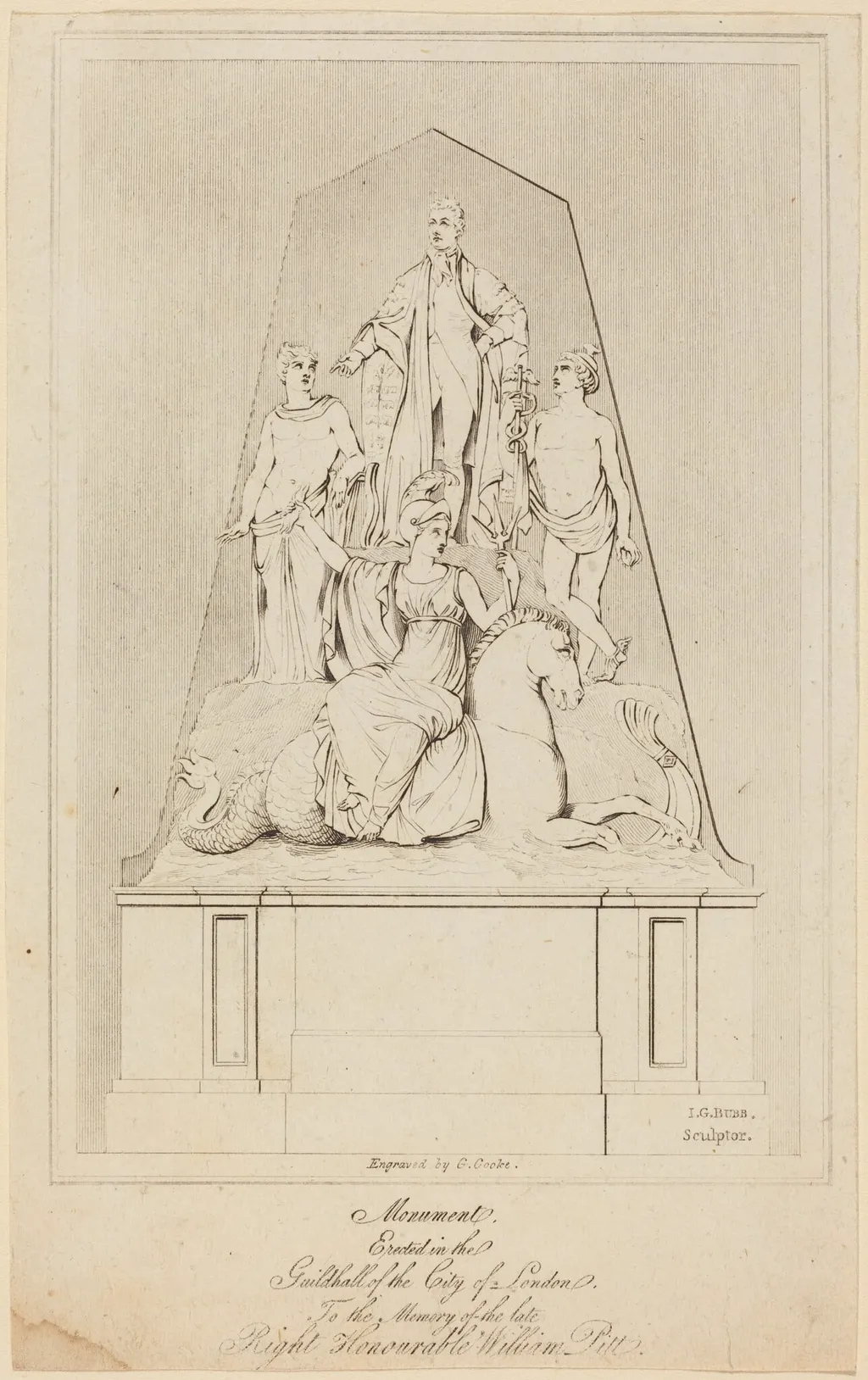
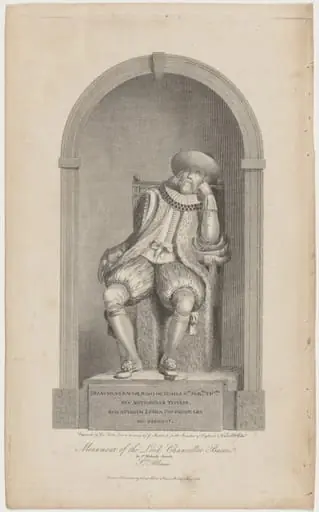
Monument to William Pitt is an ink print by the Romanticist artist George Cooke. It dates from 1808 and is held in the collection of the National Gallery of Art.
About this work
Overview
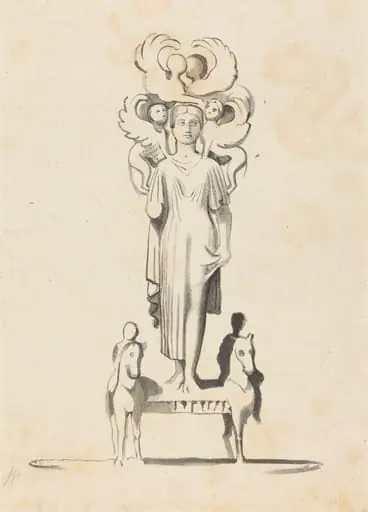
George Cooke’s 1808 etching, titled Monument to William Pitt, presents a sculptural composition that commemorates the British statesman. Rendered in black‑line engraving, the work captures a towering central figure flanked by attendant characters and a horse, creating a narrative tableau that emphasizes public reverence.
Subject & Meaning
At the summit of the imagined monument a man in a long coat grips a staff, evoking the dignified presence of Pitt. Below, two male figures, a female figure, and a horse bearing a seated woman suggest allegorical virtues or supporters, reinforcing the notion of collective homage to the political leader.
Technique & Style
Cooke employs the etching process to achieve crisp, decisive lines that delineate the figures’ dramatic poses. The strong contour work and stark contrasts are characteristic of early‑19th‑century printmaking, aligning the image with the heightened expressiveness later associated with Romantic visual language.
History & Provenance
Created in 1808, shortly after Pitt’s death, the print reflects contemporary efforts to memorialize the former prime minister. While specific ownership records are scarce, the work circulated among collectors of political memorabilia and British prints during the early nineteenth century.
Context
The image emerges from a period when public monuments and printed reproductions served to shape national memory. Etchings like Cooke’s functioned as accessible visual records of commemorative architecture, extending the reach of monumental sculpture beyond its physical site.
Artist & collection

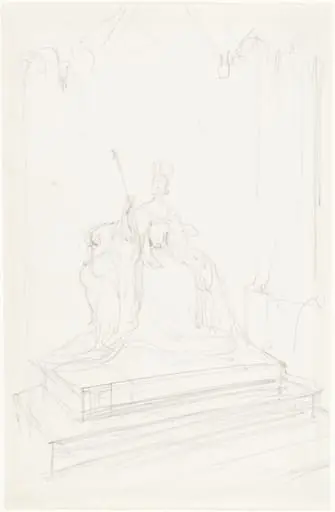 Study for "Queen Victoria"
 Design for Monument or Metalwork
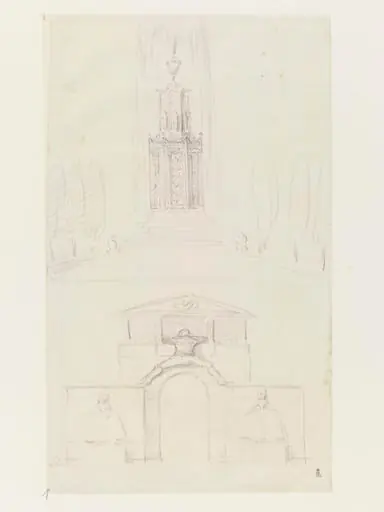 Pencil drawing of a fountain and entryway
 Abundance and the Face of a Lion, from the Villa Pamphili
 Fantasy of a Magnificent Wall Monument
 Untitled
 Allegory on the Recovery of the King
 Bronze Figure of Minerva, Found in the Barrowof Achilles
 Study for a Monument