Artwork
Tablou, ulei pe pânză, „Portret Nicolae Ceaușescu”, semnat în partea dreaptă jos C.Macavei și datat 1978. Tablou împărțit în mai multe registre, în plan central Nicolae Ceaușescu salutând oamenii muncii din celelalte registre. Comandat și oferit de Comitetul Județean de Partid Ilfov, 23 ianuarie 1978.
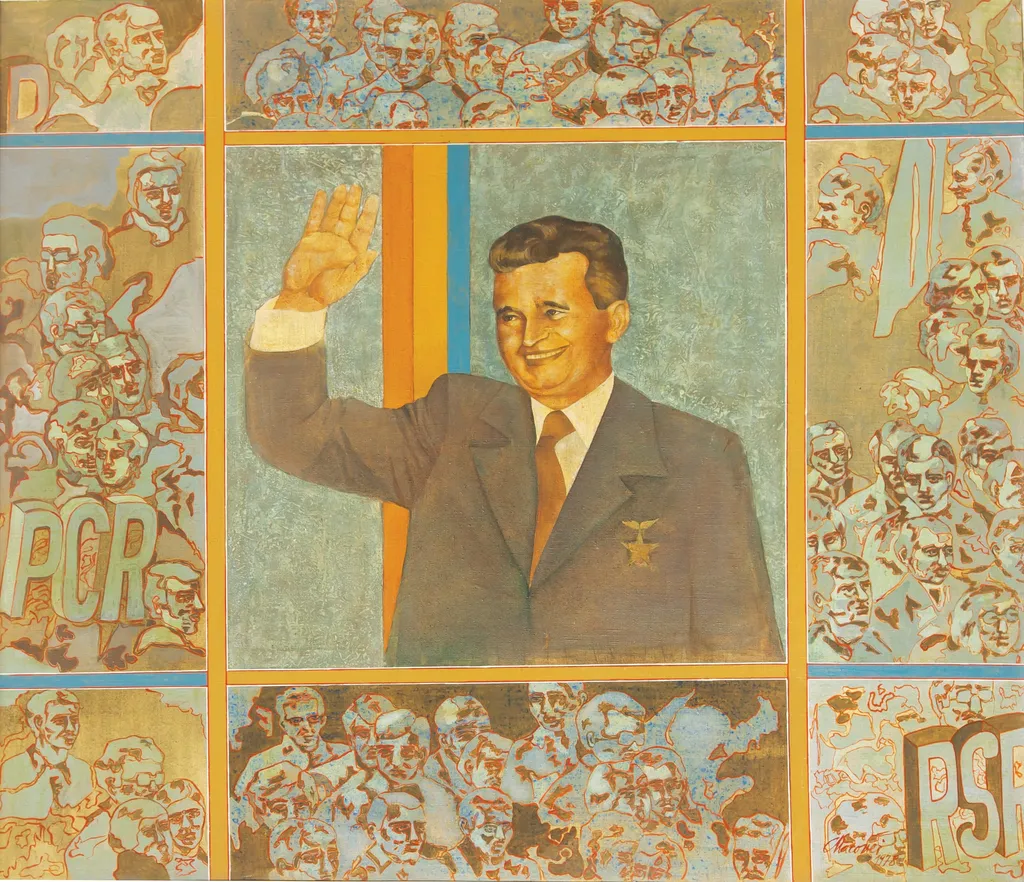
Tablou, ulei pe pânză, „Portret Nicolae Ceaușescu”, semnat în partea dreaptă jos C.Macavei și datat 1978. Tablou împărțit în mai multe registre, în plan central Nicolae Ceaușescu salutând oamenii muncii din celelalte registre. Comandat și oferit de Comitetul Județean de Partid Ilfov, 23 ianuarie 1978. is a print by Cornelia Macavei. It is held in the collection of the National Museum of Romanian History.
About this work
The colors are warm: earthy browns, soft yellows, and a few bright orange lines that outline the faces and shapes.
This painting shows a man in a suit waving with one hand raised. Around him, smaller faces—some blurred, some clear—fill the borders like a crowd. The colors are warm: earthy browns, soft yellows, and a few bright orange lines that outline the faces and shapes.
The central figure is larger than the others, making him stand out. The artist signed and dated it 1978 in the corner, but the rest of the story isn’t clear from the painting alone.
If you like this style, check out Cornelia Macavei.
Overview
The oil on canvas titled “Portret Nicolae Ceaușescu” was completed in 1978 by Cornelia Macavei. The composition is organized into several horizontal registers, with the Romanian leader occupying the central register, his hand raised in a greeting toward figures that populate the surrounding bands.
Subject & Meaning
At the core of the work stands Nicolae Ceaușescu, depicted in a formal suit and gesturing toward an imagined crowd of workers. The surrounding faces, rendered with varying degrees of clarity, suggest a collective audience, reinforcing the official narrative of the leader’s connection to the laboring populace.
Technique & Style
Macavei employs a warm palette of earthy browns, muted yellows and occasional orange accents that outline the figures. The central figure is rendered larger and more detailed, while the peripheral registers contain softer, sometimes blurred visages, creating a hierarchical visual emphasis.
History & Provenance
The painting was commissioned by the Ilfov County Party Committee and formally presented on 23 January 1978. It bears the artist’s signature and date in the lower right corner, confirming its creation for a specific political occasion.
Context
Created during the late 1970s, the portrait reflects the cult of personality surrounding Ceaușescu in socialist Romania. Such state‑commissioned works were intended for public display to legitimize the leader’s authority and to illustrate his purported solidarity with the working class.
Legacy
While the piece remains a document of its era’s official visual propaganda, it also offers insight into the aesthetic strategies employed by Romanian artists under party directives, illustrating how portraiture was used to convey political messages through compositional hierarchy and color.
Artist & collection
Artist
Cornelia Macavei didn't just paint portraits—she painted the air around them. In 1978, she was handed a rare gig: a state-commissioned portrait of Nicolae Ceaușescu, split into stacked registers like a comic strip. The…

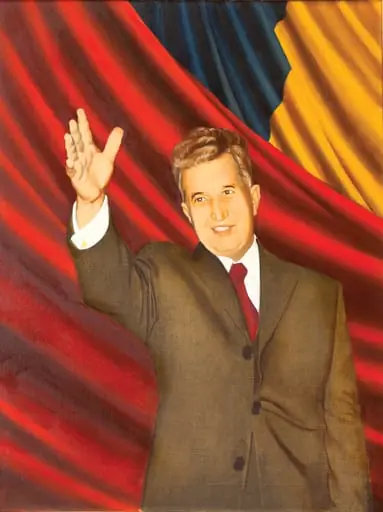 Tablou, ulei pe pânză, „Salutul președintelui”, atribuit lui Viorel Toma, nedatat. Nicolae Ceaușescu este reprezentat în centrul tabloului salutând, pe fundal steagul PCR și cel al RSR. Comandat și oferit de Comitetul Județean de Partid Timiș (1985).
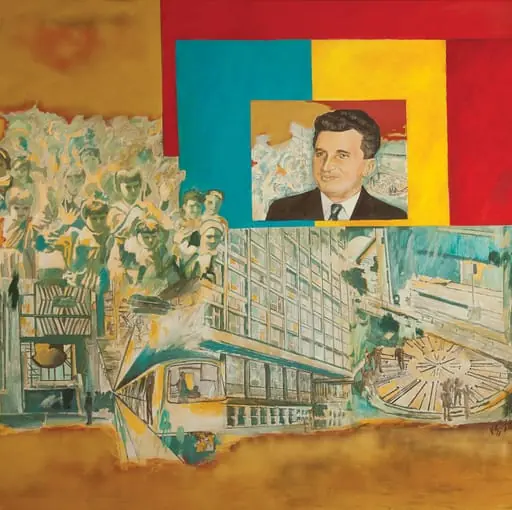 Tablou „Omagiu”, semnat Ion Bitzan și Vladimir Setran.Tabloul prezintă portretul lui Nicolae Ceaușescu încadrat de tricolor în partea dreaptă sus. Restul tabloului este completat de realizările epocii socialiste. Comandat de Comitetul Municipal de Partid 1981.
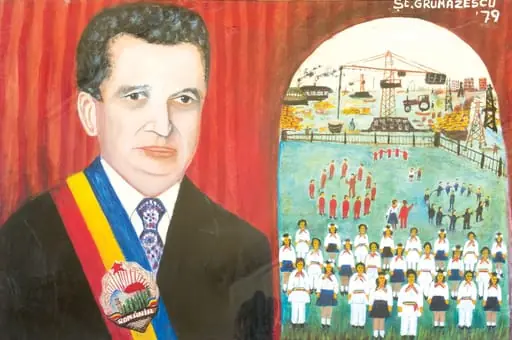 Tablou, ulei pe pânză, Nicolae Ceaușescu și copii, semnat și datat în partea dreaptă sus Șt. Grumăzescu, 1979. Nicolae Ceaușescu este prezentat în partea stângă urmărind o festivitate - pionieri, copii dansând în horă. Maniera de realizare a tabloului este una naivă. Oferit de Ștefan Grumăzescu din București.
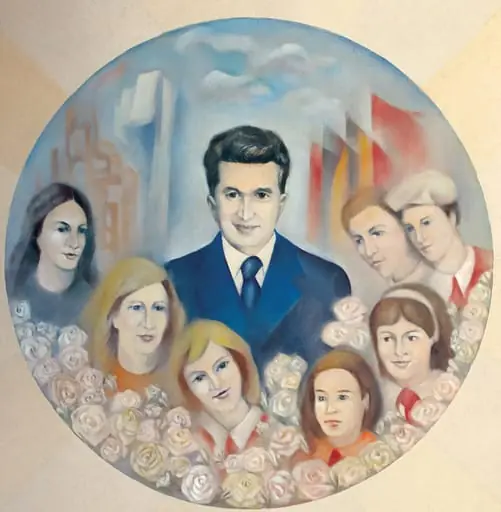 Tablou ulei pe pânză, „Nicolae Ceaușescu”, nesemnat, atribuit lui Ion Pantilie, nedatat. Nicolae Ceaușescu este reprezentat în mijlocul copiilor și tinerilor. Comandat și oferit de Comitetul Județean de Partid Argeș (1988).
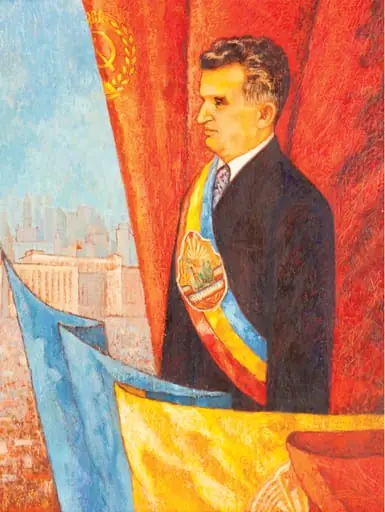 Tablou, ulei pe pânză, „Nicolae Ceaușescu, întâiul președinte al României”, semnat C.Aurel și datat 1974 în partea dreaptă jos. Nicolae Ceaușescu purtând banderolă tricoloră cu stema R.S.R., stând la balcon primind ovații din partea oamenilor muncii adunați într-o piață. În spatele său, steagul cu sigla PCR. Tablou oferit de către autor originar din Câmpina (Prahova), 19 august 1974.
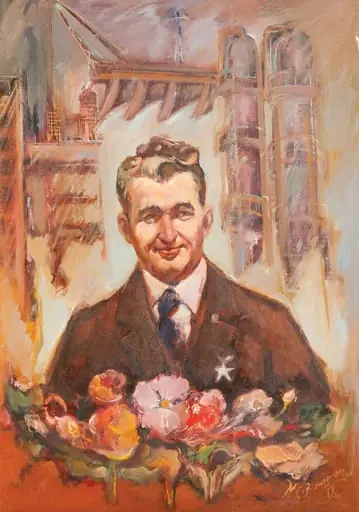 Tablou, ulei pe pânză, „Portret Nicolae Ceaușescu”, semnat C. Radovan și datat în partea dreaptă jos 1978. Nicolae Ceaușescu este reprezentat înt-o atitudine jovială, în piept are însemnul ”Erou al Republicii Socialiste România”. Pe fundal realizări ale regimului comunist. Oferit de Comitetul Județean de Partid Timiș, 22 ianuarie 1978.
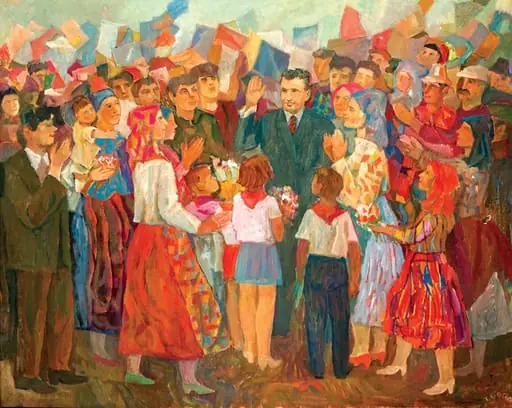 Tablou, ulei pe pânză, „Moment de sărbătoare bihoreană”, semnat T. Goga în partea dreaptă jos. Nicolae Ceaușescu este reprezentat în mijlocul oamenilor munci și al tinerilor din județul Bihor care-l întâmpină cu flori și aplauze. Comandat de Comitetul Județean de Partid Bihor,oferit lui Nicolae Ceaușescu în ianuarie 1978.
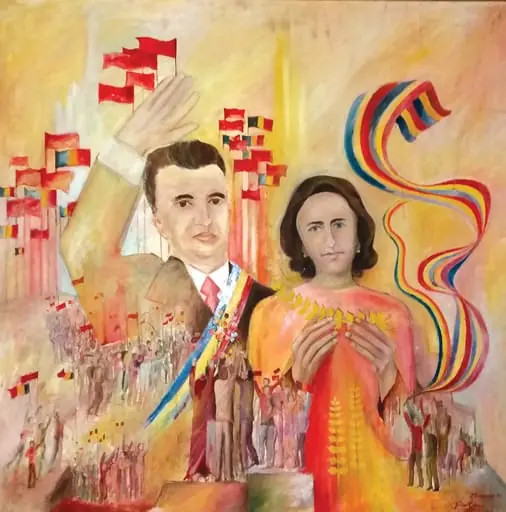 Tablou, ulei pe pânză, ”23 August”, nesemnat, atribuit Teodor Cioată. Nicolae și Elena Ceaușescu sunt prezentați în mijlocul mulțimii. Proporțiile reprezentării personajelor principale, soții Ceaușescu, nu sunt respectate de către artist - capetele sunt prea mari, la fel și mâinile care sunt ținute în poziții nefirești. În partea de jos a tabloului oameni ai muncii cu steaguri ovaționând. Tablou oferit de autor, Iași, august 1974.
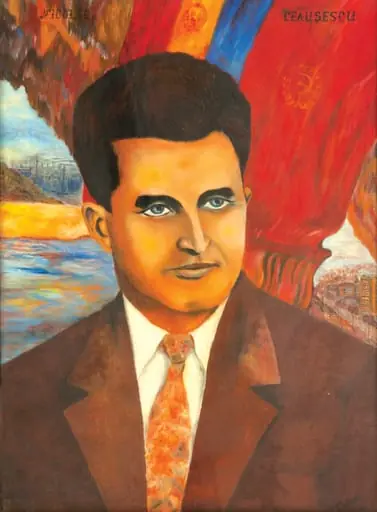 Tablou, ulei pe pânză, ”Portret Nicolae Ceaușescu”, nesemnat, atribuit lui Teodor Istrati. Portret Nicolae Ceaușescu pe fundal steagul cu stema R.S.R. și steagul cu sigla P.C.R., elemente de peisaj urban, inscripție cu majuscule în partea de sus ”NICOLAE CEAUȘESCU”. Oferit de autor lui Nicolae Ceaușescu, București, 25 iunie 1971.
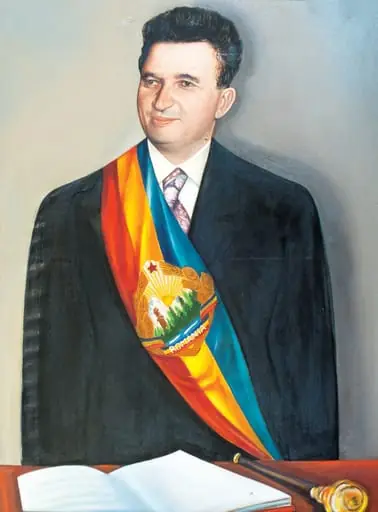 Tablou, ulei pe pânză, ”Portret Nicolae Ceaușescu”, nesemnat, atribui lui Nicolae Toma. Oferit de autor, cu ocazia zilei de naștere a lui Nicolae Ceaușescu, Ploiești, ianuarie 1978.
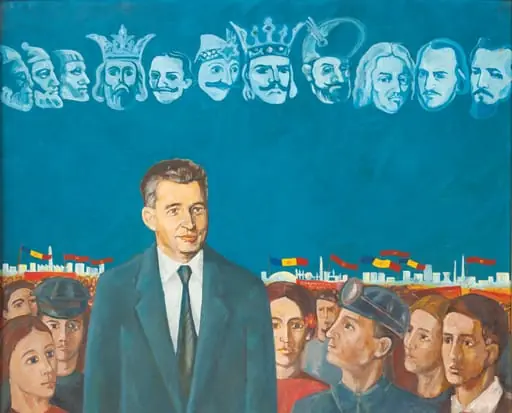 Tablou, ulei pe pânză, „Omagiu”, nesemnat. Nicolae Ceaușescu este prezentat în mijlocul oamenilor muncii vegheat de ”fantomele” eroilor neamului : Burebista, Decebal, Traian, Mircea cel Bătrân, Iancu de Hunedoara, Vlad Țepeș, Ștefan cel Mare, Mihai Viteazul, Dimitrie Cantemir, Nicolae Bălcescu, Alexandru Ioan Cuza (de la stânga la dreapta). Comandat și oferit de Comitetul Județean de Partid Tulcea, 22 ianuarie 1978.
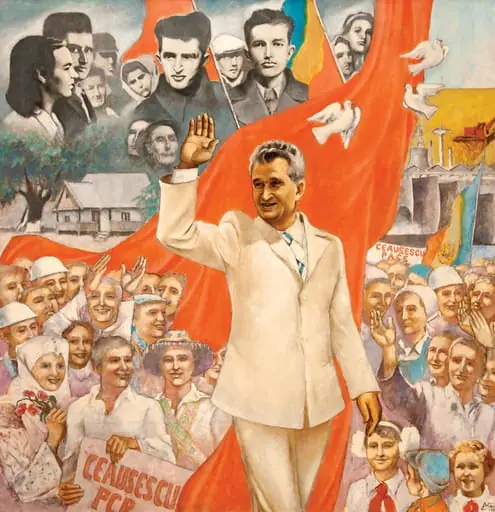 Tablou „Eroul României Socialiste” , semnat și datat în dreapta jos ”Constantin Nițescu 1988”. Comandat de Comitetul Județean de Partid Olt și oferit cadou lui Nicolae Ceaușescu la împlinirea vârstei de 70 de ani (ianuarie 1988).
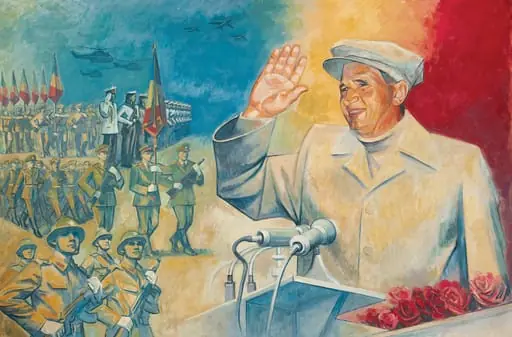 Tablou ulei pe pânză „Onor comandantului suprem”, semnat stânga jos în monogramă C.M., atribuit lui Maricel Chițac, nedatat. Tabloul îl prezintă pe ”comandantul suprem”, Nicolae Ceaușescu, la tribună primind onorul din partea aviației, trupelor de uscat și a marinei. Pe fundal tricolorul. Tablou comandat și oferit de Ministerul Apărării Naționale lui Nicolae Ceaușescu cu ocazia aniversării zilei de naștere (ianuarie 1989).
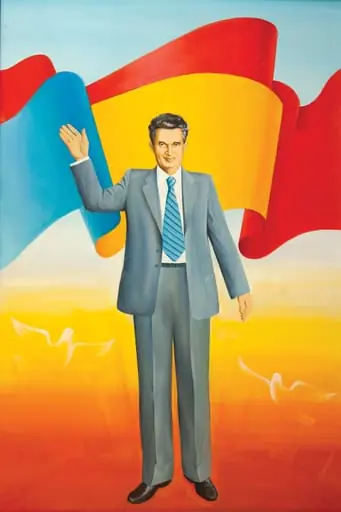 Tablou „ Ceaușescu Pace”, semnat M. Ceacîru și datat dreapta jos. Tabloul îl prezintă pe Nicolae Ceaușescu salutând, în spatele său flutură tricolorul și stegul PCR, în stânga și în dreapta sa doi porumbei albi în zbor.Comandat de Comitetul Județean de Partid Neamț (1989)
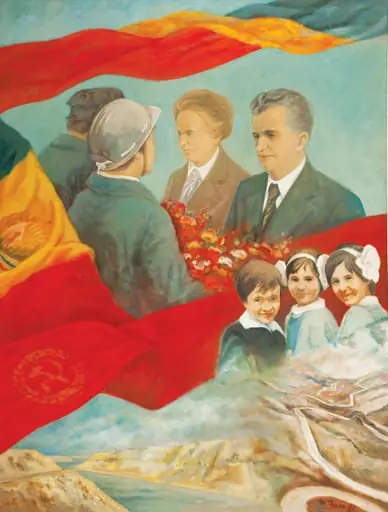 Tablou „Omagiul Președintelui Țării”, ulei pe pânză; semnat Gheorghe Pogan și datat în partea dreaptă jos. Tabloul îi prezintă pe soții Ceaușescu întâmpinați cu flori de două personaje masculine (un miner și un petrolist), învăluiți de tricolor și steagul PCR. În dreapta lui Nicolae Ceaușescu (dreapta tabloului) trei elevi. Partea de jos a tabloului este completată cu reprezentarea Transfăgărășanului și a Canalului Dunăre - Marea Neagră. Comandat și oferit de Comitetul Județean de Partid Hunedoara (1988).
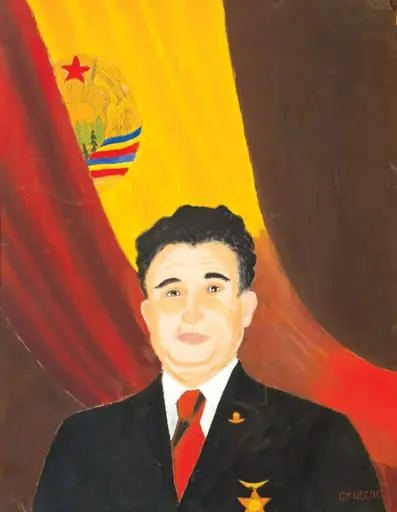 Tablou, ulei pe carton, ”Nicolae Ceaușescu”, semnat Gh. Nechita în partea dreaptă jos. Nicolae Ceaușescu este prezentată cu o figură veselă, în piept are însemnul de ”Erou al Republicii Socialiste România. În spatele său s-a vrut a fii reprezentat steagul cu stema RSR, numai ca, nu există culoarea albastru ea fiind înlocuită de culoarea maro. Oferit lui Nicolae Ceaușescu de către autor Gheorghe Nechita din Baia Mare, 26 ianuarie 1976.
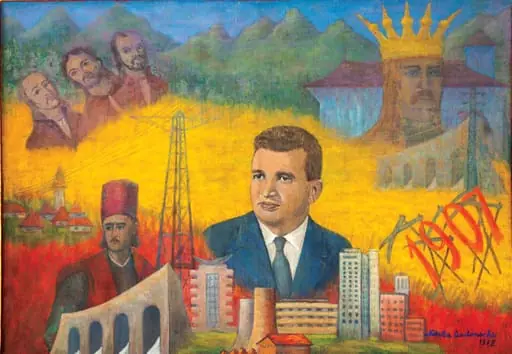 Tablou, ulei pe pânză, „Nicolae Ceaușescu și scene din istoria poporului”, semnat Natalia Gadonschi și datat 1972 în partea dreaptă jos. Nicolae Ceaușescu este reprezentat înconjurat de personalități și evenimenta cu trecut revoluționar: Horia, Cloșca și Crișan, Tudor Vladimirescu, Răscoala de la 1907, Ștefan cel Mare (în fața uneia din ctitoriile sale). Nicolae Ceaușescu este reprezentat ca un ctitor al socialismului. Tablou oferit de Natalia și Nicolae Gadonschi – Țepeș, cu ocazia aniversării zilei de naștere al lui Nicolae Ceaușescu, ianuarie 1978.
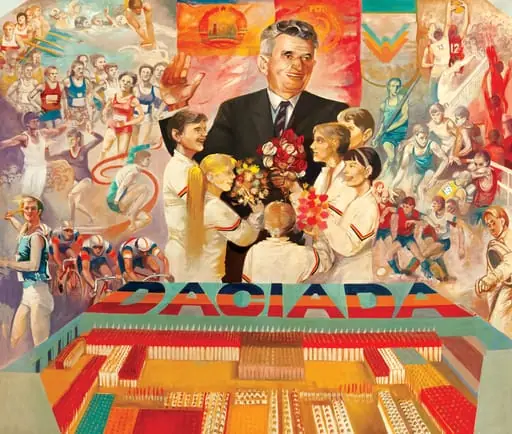 Tablou, ulei pe pânză, „Omagiul mișcării sportive – conducătorului sportiv”, nesemnat, atribuit lui Doru Rotaru. Nicolae Ceaușescu este reprezentat în centrul imaginii primind omagiile unui grup de tinerii sportiv care-i dăruiesc flori. În plan secund sunt reprezentați sportivi reprezentând diferite discipline - gimnastică, atletism, ciclism, canotaj, volei, handbal, box, lupte, fotbal, polo, scrimă etc. Prima ediție a competiției sportive ”Daciada” a avut loc în 1977/1978, ultima în 1989. Comandat de Consiliul Național pentru Educație Fizică și Sport (1988).
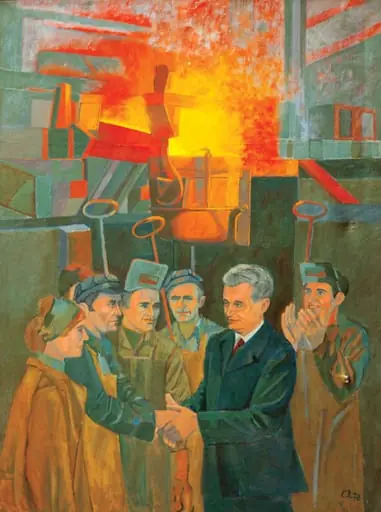 Tablou, ulei pe pânză, ”Întâlnire cu siderurgiștii”, semnat ”A„ și datat 1978 în partea dreaptă jos, atribuit lui Gh. Andrei. Nicolae Ceaușescu într-o uzină dând mâna călduros cu oamenii muncii din siderurgie, pe fundal un furnal aprins. Oferit de Consiliul Central al Sindicatelor, 23 ianuarie 1978.