Artwork
The Last Judgment Triptych
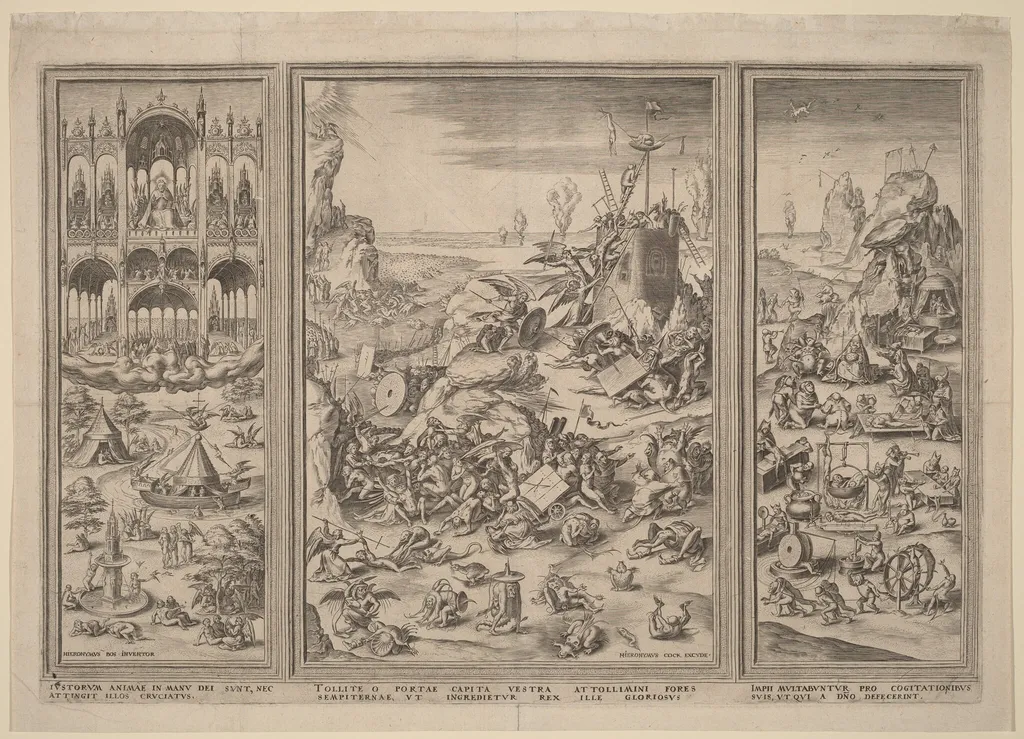
The Last Judgment Triptych is an ink print by the Renaissance artist Cornelis Cort. It dates from 1565 and is held in the collection of the National Gallery of Art.
About this work
Overview
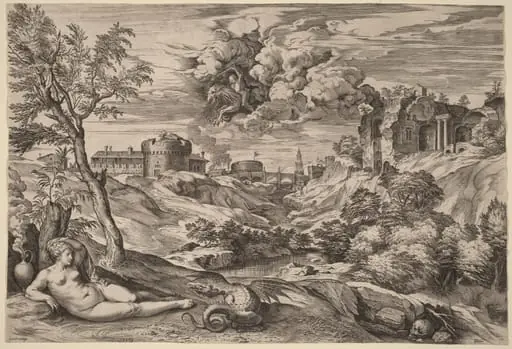
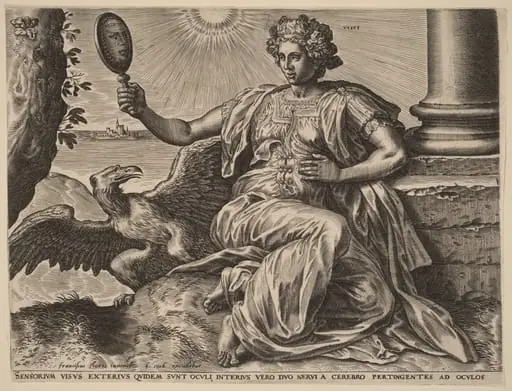
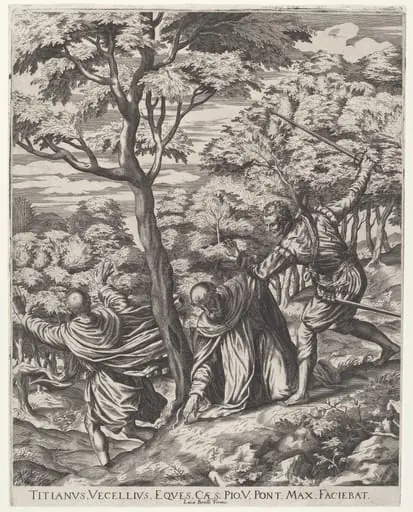
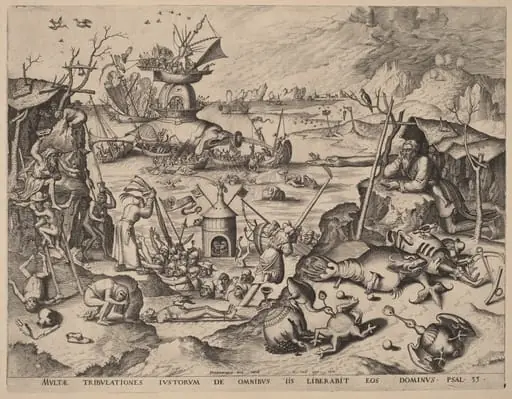
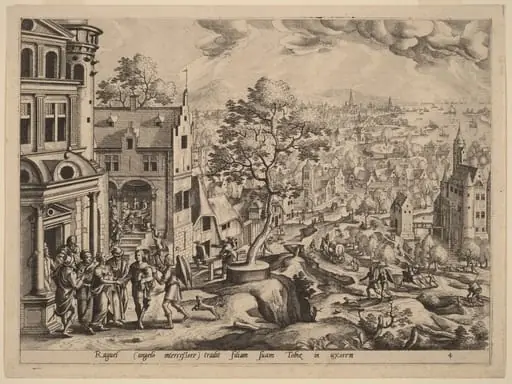
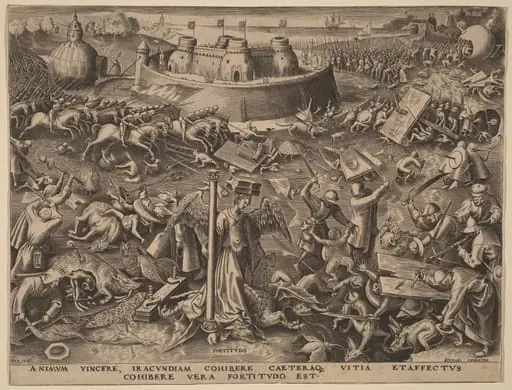
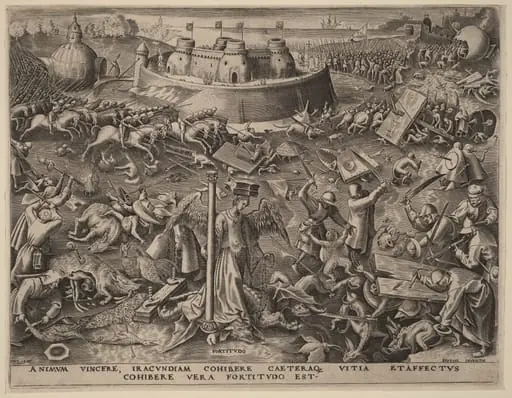
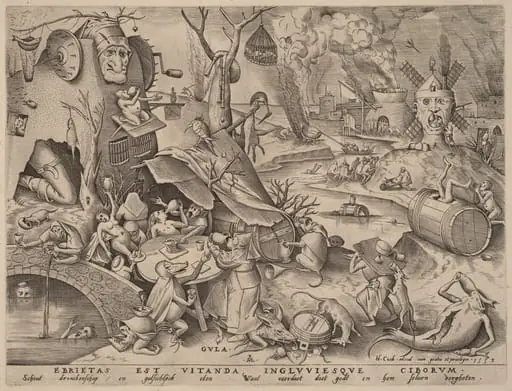
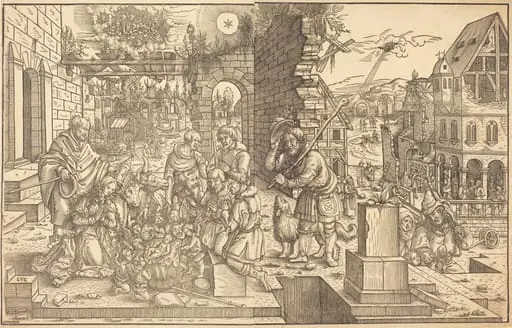
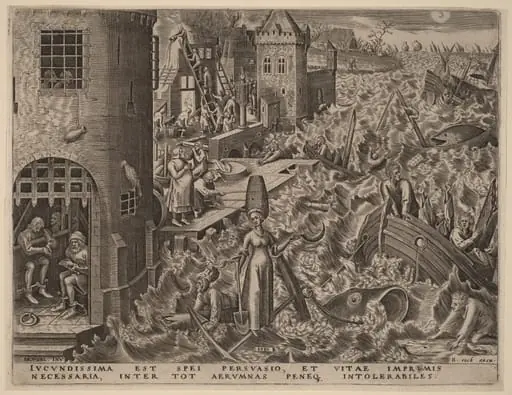
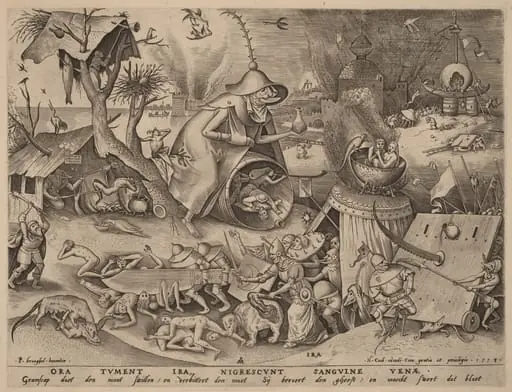
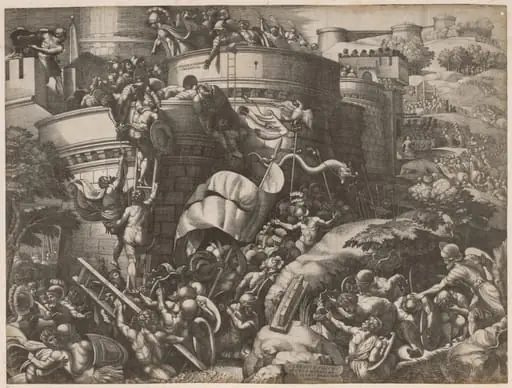
Created around 1565 by Dutch engraver Cornelis Cort, this triptych is a detailed engraving on laid paper depicting the biblical Last Judgment.
Created around 1565 by Dutch engraver Cornelis Cort, this triptych is a detailed engraving on laid paper depicting the biblical Last Judgment. Though trained in the Netherlands, Cort produced this work during his time in Italy, where he was known as Cornelio Fiammingo. The composition unfolds across three vertical panels, each densely populated with figures and symbolic elements, rendered through fine, precise lines characteristic of engraving technique.
Subject & Meaning
The triptych illustrates the Christian doctrine of divine judgment, divided into three stages. The left panel shows Christ enthroned in a church-like setting, presiding over the saved. The center portrays violent chaos—demons, soldiers, and falling souls amid stormy skies—representing damnation. The right panel depicts shipwreck and drowning figures on a rocky shore, symbolizing the fate of the damned. Latin inscriptions reinforce the moral urgency of the scene.
Technique & Style
Cort employed fine, controlled engraving lines to achieve extraordinary detail across the entire composition. Every figure, weapon, garment, and facial expression is meticulously carved into the copper plate, allowing for sharp contrasts and intricate textures. The dense arrangement of forms reflects a Northern European tradition of detailed printmaking, where clarity and narrative complexity are prioritized over spatial depth.
History & Provenance
Cornelis Cort moved to Italy in the mid-1550s and spent his final years there, adapting to Italian artistic circles while retaining his Northern technique. This triptych was likely made during his Roman period, possibly for a collector interested in religious themes. Though few impressions survive, its existence attests to the circulation of Northern prints in late Renaissance Italy and Cort’s role as a bridge between artistic traditions.
Context
In the mid-16th century, prints like this served as accessible religious imagery amid the Reformation’s upheavals. The Last Judgment was a common subject, used to reinforce doctrinal teachings and moral behavior. Cort’s work aligns with the Counter-Reformation’s emphasis on vivid, emotionally charged depictions of divine justice, even as it retains the intricate detail favored in Northern European print culture.
Legacy
Cort’s triptych exemplifies the technical mastery of engraving in the 16th century and influenced later printmakers through its narrative density and precision. While not widely reproduced today, it remains a significant example of how Northern artists adapted their methods in Italy, contributing to the transnational exchange of religious imagery during a period of profound theological and artistic change.
Artist & collection

Artist
Cornelis Cort (c. 1533 – c. 17 March 1578) was a Dutch engraver and draughtsman. He spent the last 12 years of his life in Italy, where he was known as Cornelio Fiammingo.