Artwork
Fortitude
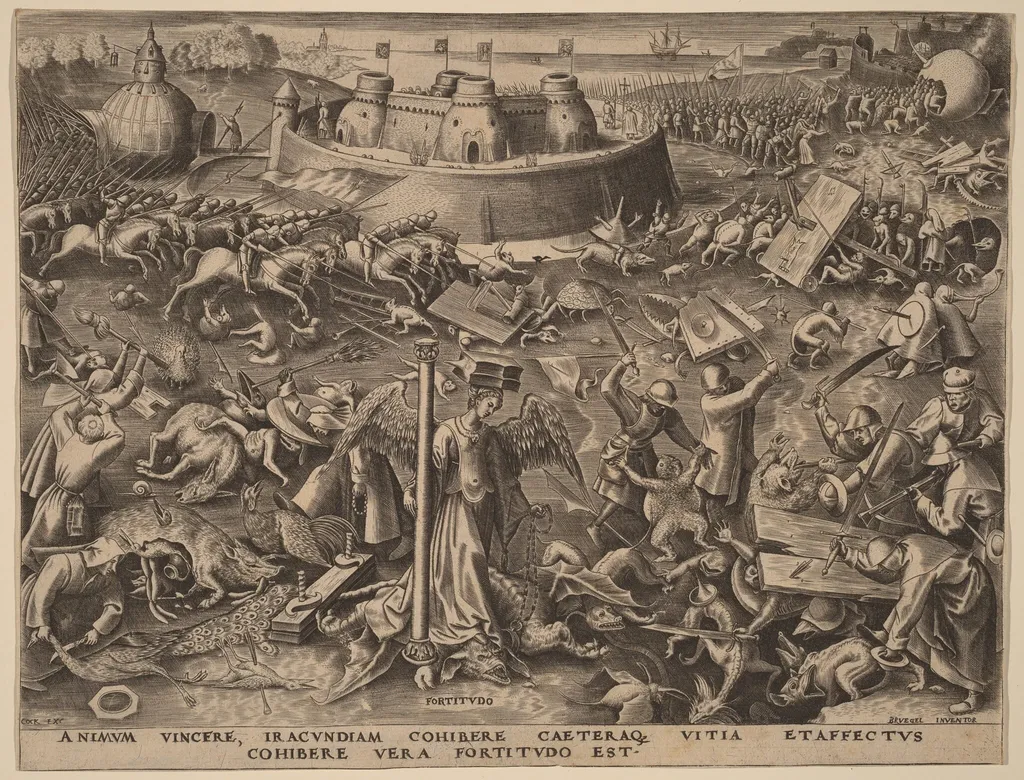
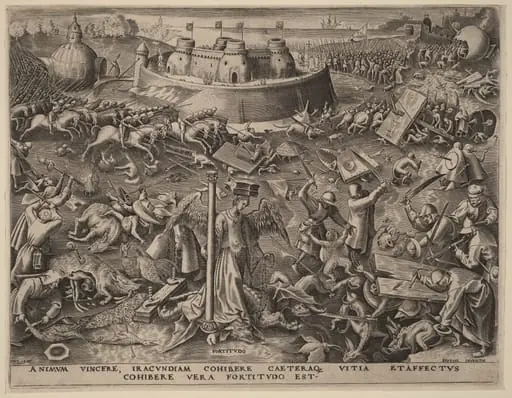
Fortitude is an ink print by the Renaissance artist Philip Galle. It dates from 1559 and is held in the collection of the National Gallery of Art.
About this work
Overview
Philip Galle’s 1559 engraving Fortitude is a reproductive print from the Northern Renaissance, produced in Antwerp.
Philip Galle’s 1559 engraving Fortitude is a reproductive print from the Northern Renaissance, produced in Antwerp. As a publisher and engraver, Galle specialized in translating painted compositions into detailed printed images. This work is part of a broader tradition that adapted moral and classical themes for wide dissemination through print, making philosophical ideals accessible beyond elite audiences.
Subject & Meaning
The figure represents Fortitude, one of the cardinal virtues, depicted as a woman in classical attire holding a column—a symbol of steadfastness. Her composed posture and restrained expression convey inner resolve rather than physical power. Such personifications were common in Renaissance humanist art, intended to instruct viewers in ethical conduct through visual allegory rooted in antiquity.
Technique & Style
Executed in engraving, the image relies on fine, controlled lines to define form and texture. Galle’s linework is precise and economical, emphasizing clarity over atmospheric effects. The absence of shading or tone highlights the graphic nature of the medium, aligning with Northern Renaissance printmaking’s preference for linear definition and structural clarity over painterly illusion.
History & Provenance
Created in Antwerp during the height of its print-publishing industry, the engraving likely circulated among educated elites and artisans. Galle’s workshop produced numerous such prints, often based on designs by other artists, serving both commercial and didactic purposes. While the original painting it may derive from is now lost, the engraving survives as evidence of the period’s print culture.
Context
In mid-16th century Europe, moral virtues were frequently visualized in art as part of humanist education. Printmaking allowed these ideals to be replicated and distributed widely, reinforcing civic and religious values. Galle’s work fits within a network of publishers who collaborated with artists to translate intellectual themes into accessible visual formats for a growing literate public.
Legacy
Galle’s Fortitude exemplifies how reproductive prints preserved and propagated classical themes across Europe. Though not an original composition, its technical precision and symbolic clarity contributed to the standardization of virtue iconography in print. The work remains a reference point for understanding the role of engraving in shaping Renaissance moral discourse.
Artist & collection
Artist
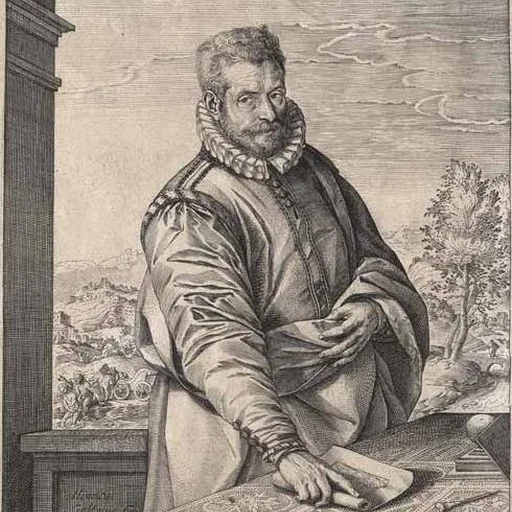
Philip (or Philips) Galle (1537 – March 1612) was a Dutch publisher, best known for publishing old master prints, which he also produced as designer and engraver. He is especially known for his reproductive engravings of paintings.

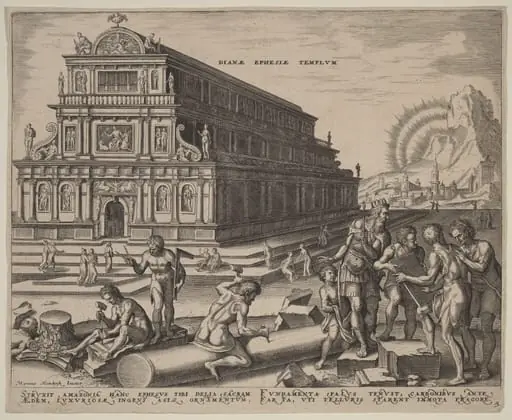 Dianae Ephesiae Templum (The Temple of Diana at Ephesus)
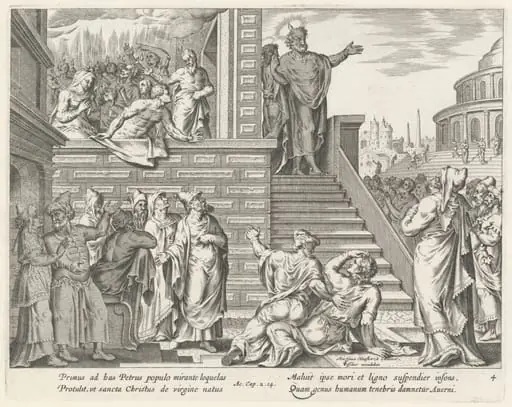 Saint Peter Speaks to the People about Christ
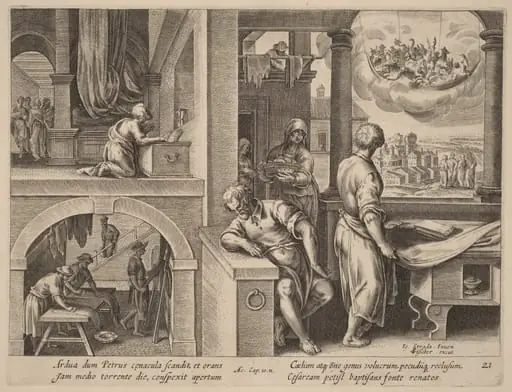 The Vision of Saint Peter
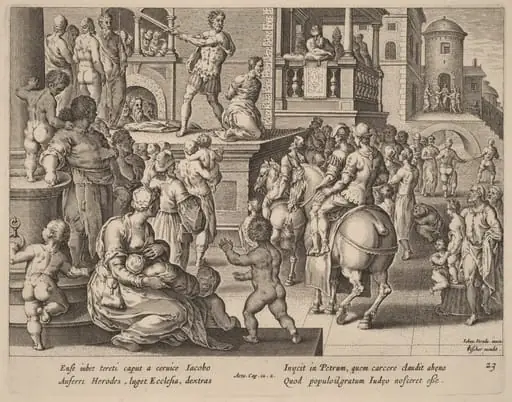 Beheading of Saint James
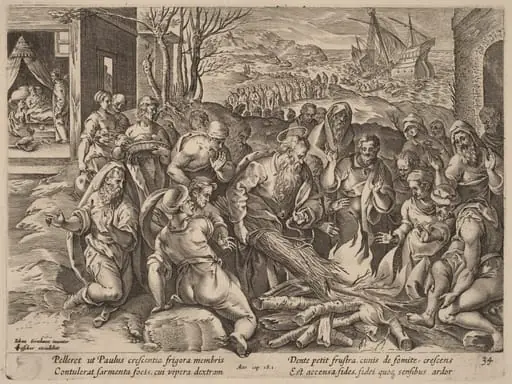 Saint Paul Shipwrecked on the Island of Melita
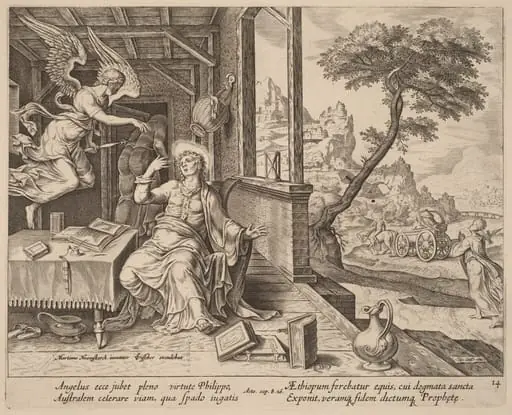 The Angel Orders Saint Philip to Accompany the Ethiopian Eunuch
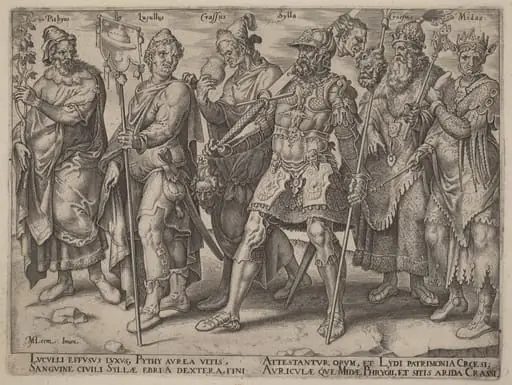 Notorious Examples of Wealth from Antiquity
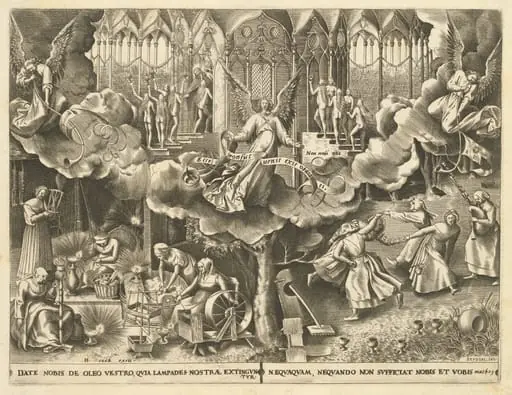 The Parable of the Wise and Foolish Virgins
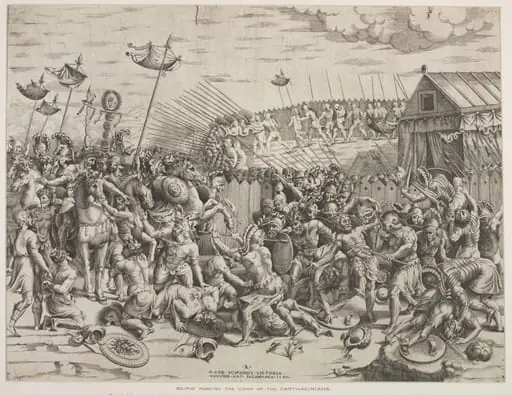 Untitled
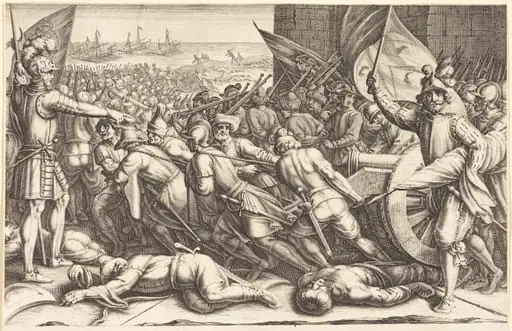 The Re-embarkation of the Troops
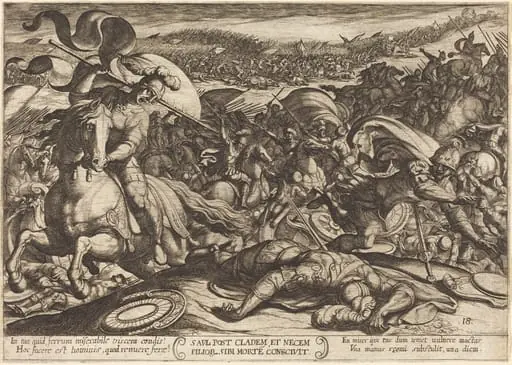 Saul Kills Himself after the Defeat of his Army by the Philistines
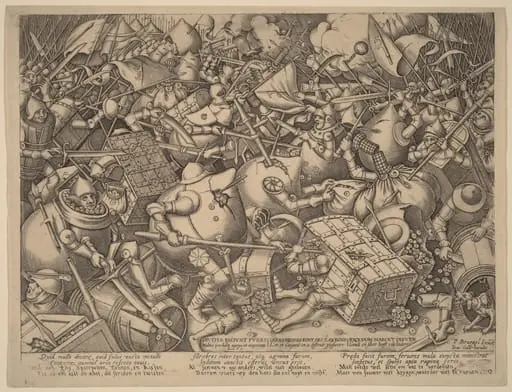 The Battle of the Moneybags and the Strongboxes
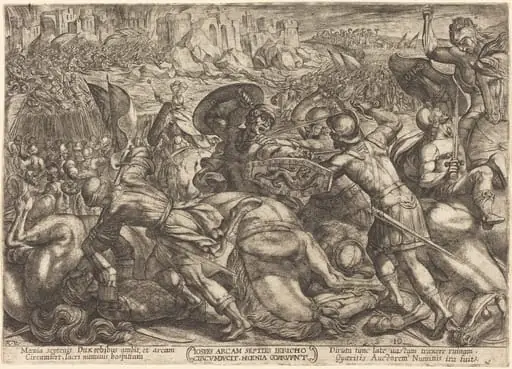 The Taking of the City of Jericho
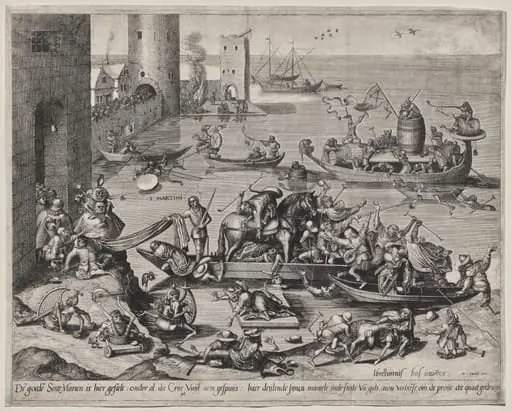 Saint Martin with His Horse on a Ship
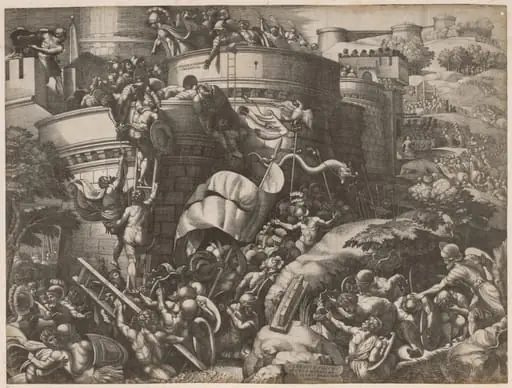 The Seige of Carthage
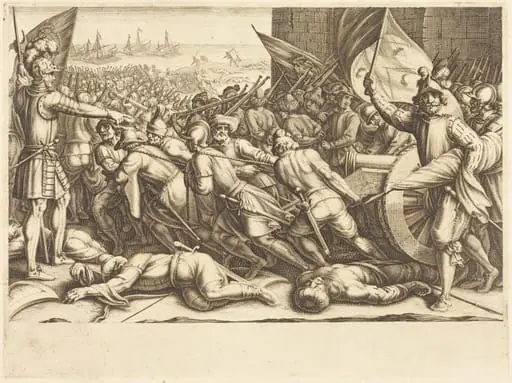 The Re-embarkation of the Turks
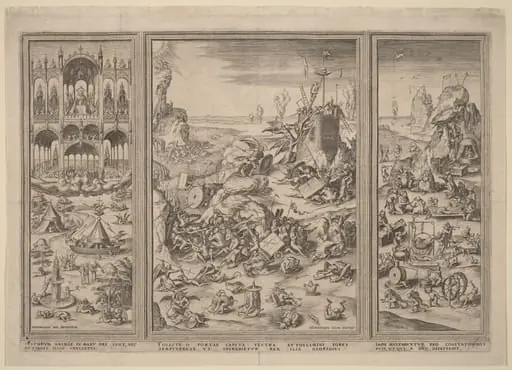 The Last Judgment Triptych
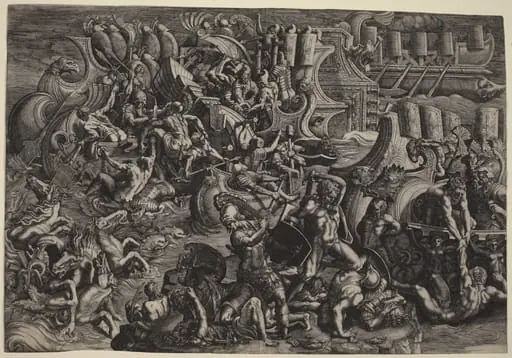 The Trojans Repulsing the Greeks
 The Troops Forcing the Gate of a Town
 Fortitude