Artwork
Portrait of Paulus Potter
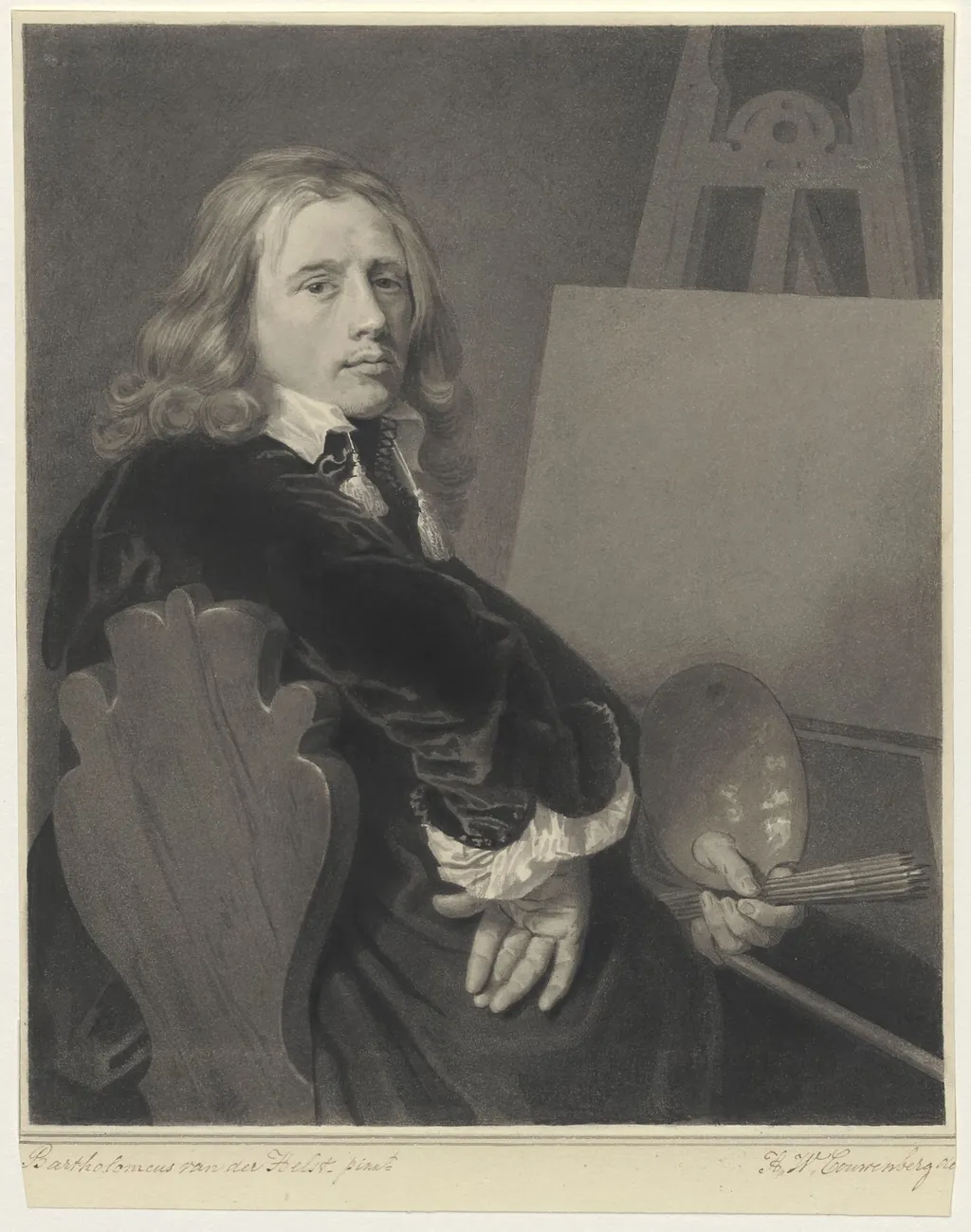
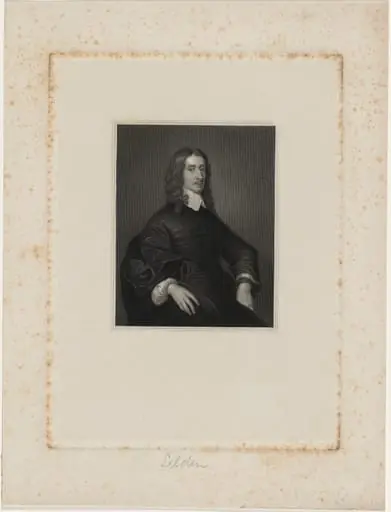
Portrait of Paulus Potter is an unspecified painting by the Realist artist Henricus Wilhelmus, (1814-1845), Couwenberg. It dates from 1850 and is held in the collection of the Leiden University Libraries. A small ink drawing by Henricus Couwenberg depicts the Dutch painter Paulus Potter seated in a simple chair.
About this work
If you like this, try looking up Couwenberg, Henricus Wilhelmus, (1814-1845), (artist).
This is a small ink portrait of a man named Paulus Potter. He sits in a chair, dressed in old-fashioned clothes. His face is calm, his eyes steady.
Potter was a painter too, but this isn’t his work. It’s by Henricus Couwenberg, who made it with pen and grey wash. The lines are soft but clear, giving Potter a quiet presence.
Couwenberg wasn’t famous, but he knew how to catch a face with few strokes. If you like this, try looking up Couwenberg, Henricus Wilhelmus, (1814-1845), (artist).
Overview
A small ink drawing by Henricus Couwenberg depicts the Dutch painter Paulus Potter seated in a simple chair. Executed in pen and grey wash, the portrait captures Potter with restrained precision. Though modest in scale, the work conveys a sense of quiet dignity. Couwenberg, a lesser-known artist of the early 19th century, used minimal strokes to define form and expression, avoiding embellishment in favor of direct observation.
Subject & Meaning
Paulus Potter, known for his animal paintings, is portrayed not as a celebrated artist but as a composed individual. His calm gaze and still posture suggest introspection rather than grandeur. The portrait does not reference his artistic achievements; instead, it presents him as a man of quiet presence. This approach reflects a personal, intimate mode of representation common among contemporaries who valued character over status.
Technique & Style
Couwenberg employed fine pen lines and diluted ink washes to model form with subtlety. The grey tones create soft transitions across the face and clothing, avoiding harsh contrasts. Lines are deliberate yet economical, defining features without overworking the surface. The technique emphasizes clarity and restraint, aligning with a tradition of Dutch draftsmanship that prioritized observation over dramatic effect.
History & Provenance
The drawing dates to the early 19th century, created by Couwenberg after Potter’s death. It likely served as a study or personal tribute, given the absence of commission records. No known exhibition history exists, and its early ownership remains undocumented. The work survives as a private artifact, preserved for its likeness rather than its fame.
Context
In the decades after Potter’s death, artists like Couwenberg revisited earlier Dutch masters through portraiture, often as acts of scholarly homage. These images were not public commissions but private engagements with artistic heritage. Couwenberg’s work reflects a broader 19th-century interest in preserving the likenesses of regional figures, even when their reputations had faded.
Legacy
Though Couwenberg left few known works, this portrait endures as a quiet testament to his skill in capturing likeness with economy. It offers a rare visual record of Paulus Potter beyond his paintings, grounding his legacy in human presence rather than artistic output. The drawing remains a modest but thoughtful link between two generations of Dutch artists.
Artist & collection
Artist
Henricus Wilhelmus, (1814-1845), Couwenberg
Dutch painter in the early 1800s, Henricus Couwenberg made formal portraits that feel more like records than experiments.