Artwork
Sir Robert Naunton
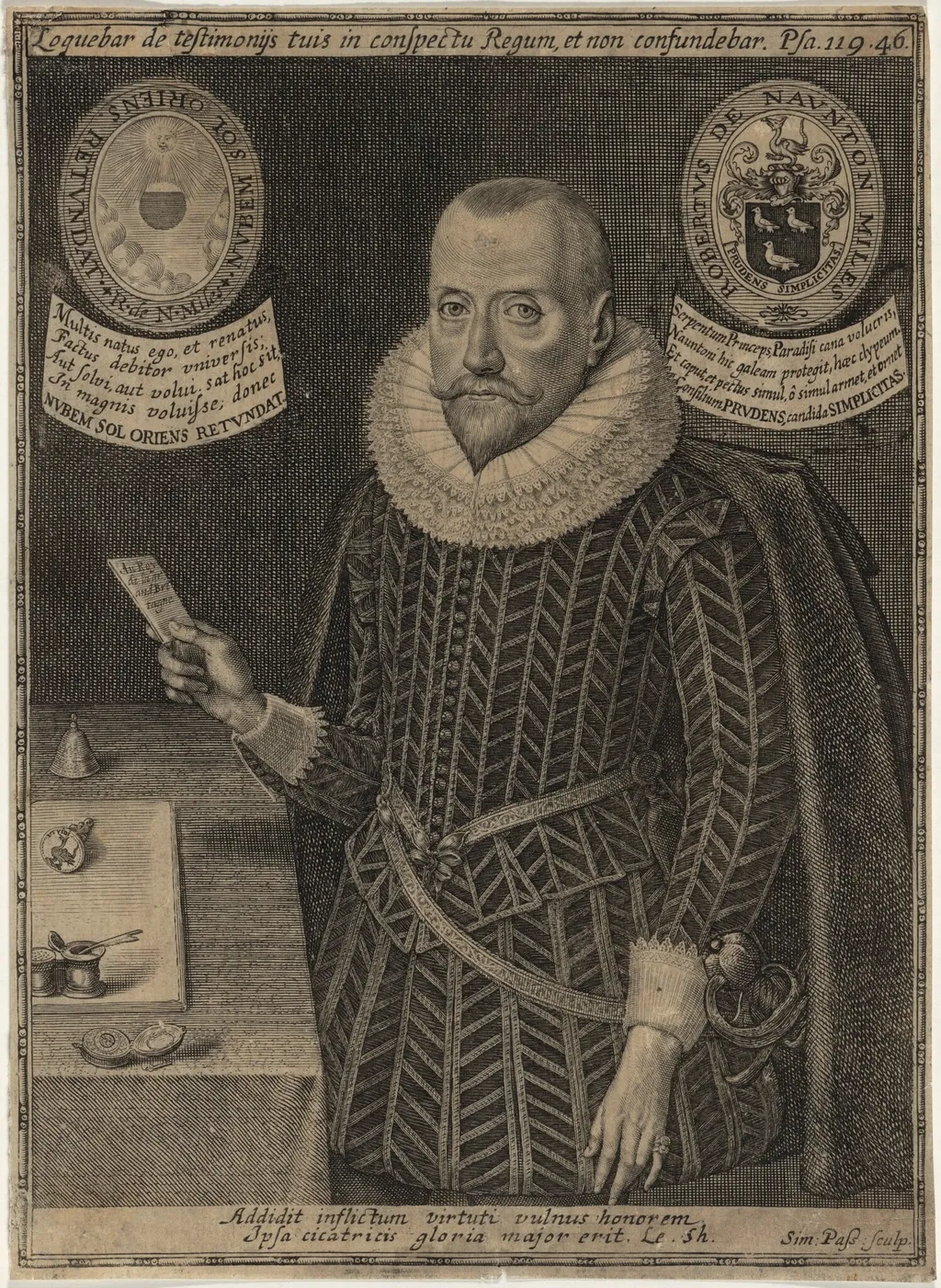
Sir Robert Naunton is an ink print by the Renaissance artist Simon van de Passe. It dates from 1621 and is held in the collection of the National Gallery of Art.
About this work
Overview
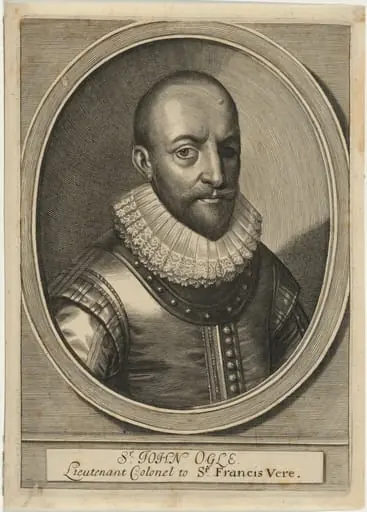
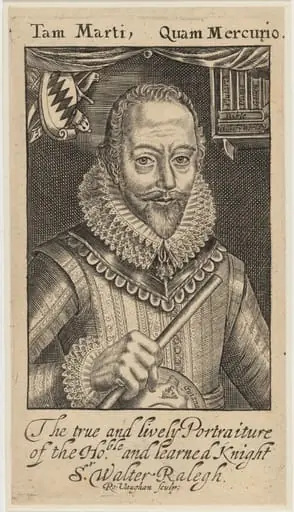
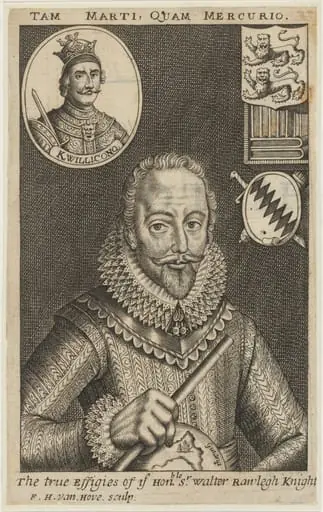
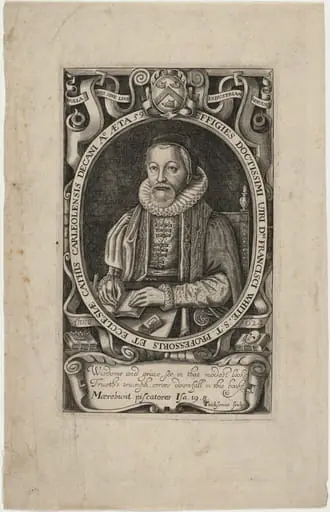
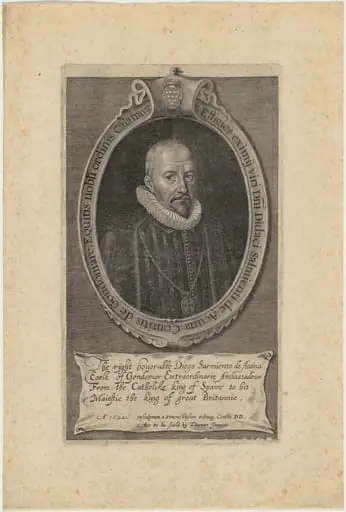
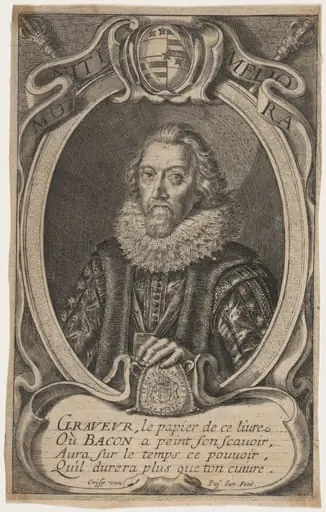
Simon van de Passe’s 1621 engraving depicts Sir Robert Naunton, a figure of early‑17th‑century England, rendered in monochrome. The portrait presents the sitter in elaborate contemporary attire, set against an unadorned background that emphasizes his facial features and the objects he holds.
Subject & Meaning
The image shows Naunton in a ruffled collar and a dark, patterned coat, with a chain draped around his neck, suggesting status. His right hand grasps a small, flat object—perhaps a document—while his left rests on a miniature table bearing a hat, a spoon and a book, items that may allude to his scholarly or official duties.
Technique & Style
Executed as an engraving, the work was created by incising lines into a metal plate, allowing for fine detail in the sitter’s visage and the intricate textures of his clothing. The stark black‑and‑white palette highlights the contrast between the richly patterned garments and the plain backdrop.
History & Provenance
The print was produced in 1621, during the active period of the Dutch‑born engraver Simon van de Passe, who worked extensively for English patrons. It represents one of the few surviving visual records of Sir Robert Naunton, an English courtier and writer of the early Stuart era.
Context
Engravings such as this served both as personal portraiture and as a means of disseminating the likenesses of notable individuals across Europe. The inclusion of Latin text and decorative round symbols along the margins reflects contemporary conventions for framing and annotating printed portraits.
Artist & collection