Artwork
Tablou, ulei pe pânză, portret Elena Ceaușescu, semnat dreapta jos B.G. Comandat și oferit de Comitetul Județean de Partid Caraș Severin, 6 ianuarie 1979.
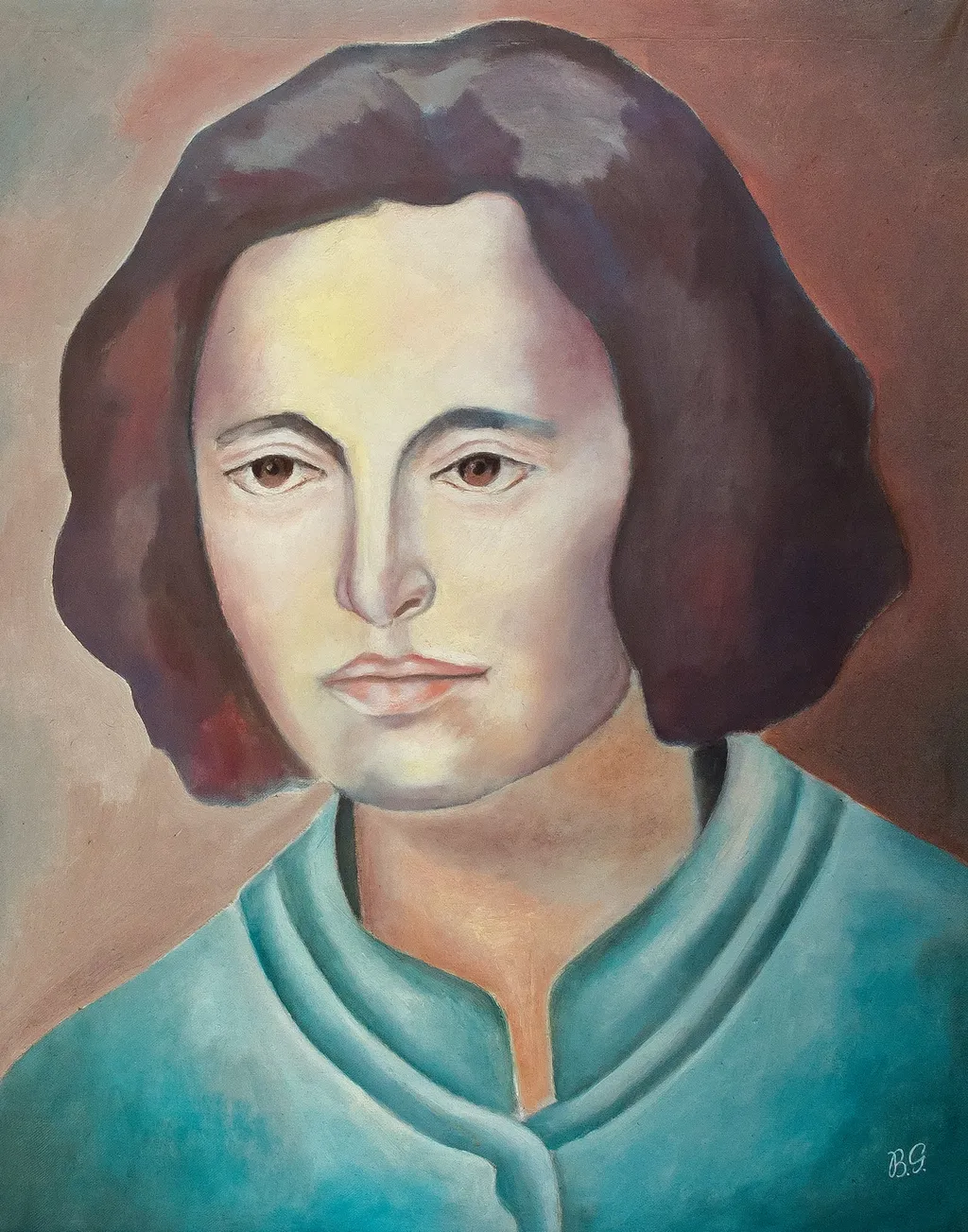
Tablou, ulei pe pânză, portret Elena Ceaușescu, semnat dreapta jos B.G. Comandat și oferit de Comitetul Județean de Partid Caraș Severin, 6 ianuarie 1979. is a print by Gheorghe Bucur. It is held in the collection of the National Museum of Romanian History. This oil on canvas painting is a portrait of a woman, executed by an artist who signed with the initials B.
About this work
* The painting looks like it was made for someone important, since it was given as a gift in 1979.
This is a close-up portrait of a woman with dark hair pulled back. She’s wearing a light green collared shirt, and her face is calm but serious. The background is a plain, warm pinkish color that makes her face stand out.
The artist signed the painting in the bottom right corner with the initials *B.G.* The painting looks like it was made for someone important, since it was given as a gift in 1979.
Next, look up Gheorghe Bucur to see more of his work.
Overview
This oil on canvas painting is a portrait of a woman, executed by an artist who signed with the initials B.G. It was gifted by the Caraș-Severin County Party Committee on January 6, 1979.
Subject & Meaning
The portrait depicts Elena Ceaușescu with dark hair pulled back, wearing a light green collared shirt. Her calm yet serious expression is set against a warm, pinkish background that highlights her features.
Technique & Style
The artist's style is characterized by a straightforward representation of the subject. The plain background and focus on the subject's face suggest a formal, representational approach.
History & Provenance
The painting was commissioned and gifted by the Caraș-Severin County Party Committee, indicating its significance as an official or ceremonial work. The artist's initials, B.G., correspond to Gheorghe Bucur.
Artist & collection
Artist
Gheorghe Bucur spent the 1970s painting official portraits in a studio whose windows rattled from the trains rolling into Bucharest.

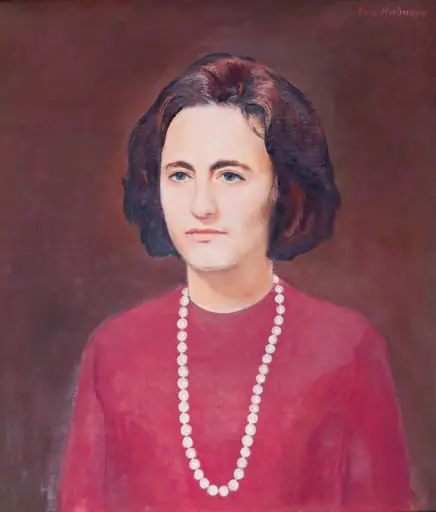 Tablou, ulei pe pânză, „Elena Ceaușescu”, semnat în partea dreaptă sus Dan Hatmanu. Oferit de autor, 6 ianuarie 1979.
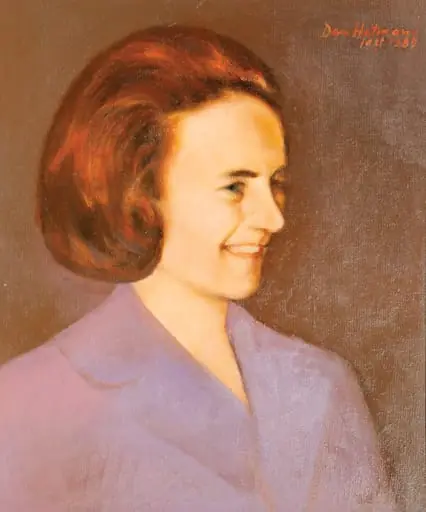 Tablou ”Portret Elena Ceaușescu” semnat Dan Hatmanu și datat dreapta sus.Ulei/pânză. Comandat de Comitetul Județean de Partid Iași și oferit cadou Elenei Ceaușescu cu ocazia aniversării a 70 de ani (ianuarie 1989).
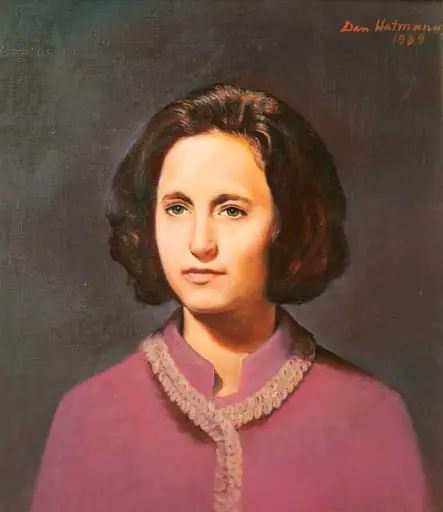 Tablou ulei pe pânză, , „Elena Ceaușescu”, semnat Dan Hatmanu și datat 1989 în partea dreaptă sus. Tabloul o înfățișază pe Elena Ceaușescu într-un costum cu volane în nuanțe de roz. Comandat de Consiliul Național al Femeilor și oferit Elenei Ceaușecu cu ocazia împlinirii vârstei de 70 de ani (ianuarie 1989).
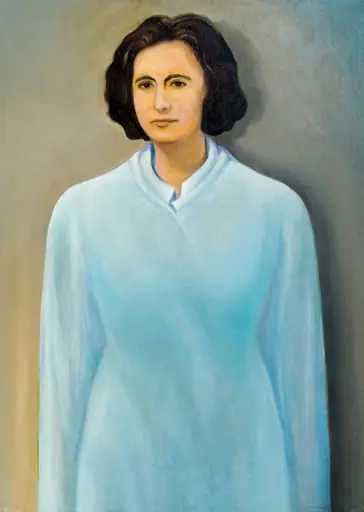 Tablou, ulei pe pânză, ”Portret Elena Ceaușescu”, nesemnat, atribui lui Nicolae Toma. Oferit de autor, cu ocazia zilei de naștere a Elenei Ceaușescu, Ploiești, ianuarie 1978.
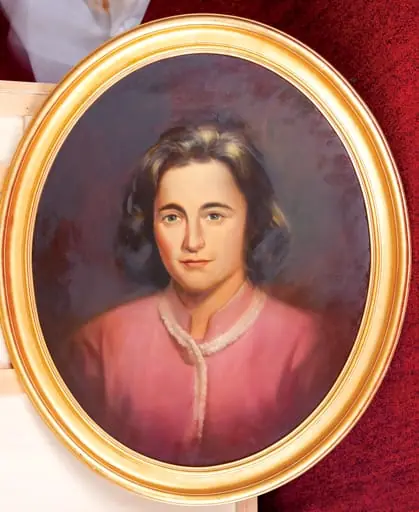 Tablou, ulei pe pânză, portret Elena Ceaușescu, atribuit Corneliu Brudașcu. Oferit de Uniunea Artiștilor Plastici (1979).
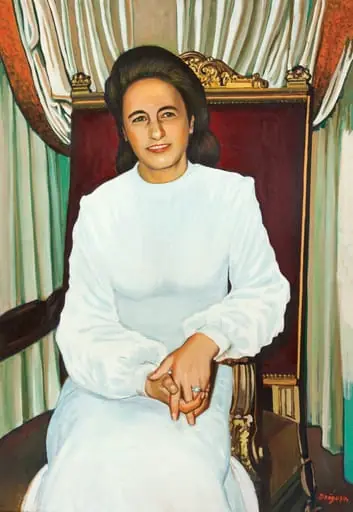 Tablou, ulei pe pânză, „Portret Elena Ceaușescu”, semnat Drăgușin în partea dreaptă jos, nedatat. Elena Ceaușescu, stând pe un scaun cu spătar înalt (jilț) într-o rochie elegantă de culoare albă. Comandat și oferit de Ministerul de Interne, 5 ianuarie 1979.
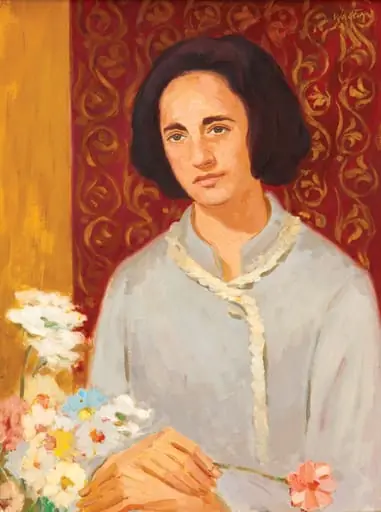 Tablou, ulei pe pânză, Portret Elena Ceaușescu, atribuit lui Fredric Bytoy. Elena Ceaușescu reprezentată înt-o atitudine melancolică alături de un buchet de flori. Comandat și oferit de Comitetul de Partid Maramureș, 7 ianuarie 1979.
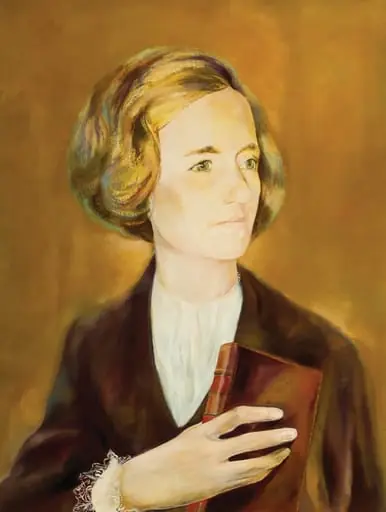 Tablou, ulei pe pânză, „Portret Elena Ceaușescu”, nedemnat, atribuit lui Zamfir Dumitrescu. Elena Ceaușescu este prezentată într-o postură contemplativă, ținând în mâna dreraptă un volum îmbrăcat în piele. Comandat și oferit de Consiliul Național al Femeilor, cu ocazia împlinirii vârstei de 60 de ani de către Elena Ceaușescu (5 ianuarie 1979).
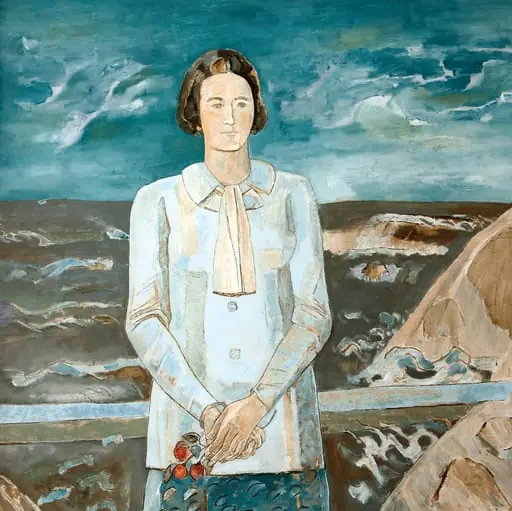 Tablou reprezentând-o pe Elena Ceaușescu, atribuit lui Traian Brădeanu. Tablou comandat de Consiliul Culturii și Educației Socialiste și oferit în dar Elenei Ceaușescu la împlinirea vârstei de 60 de ani (ianuarie 1979).
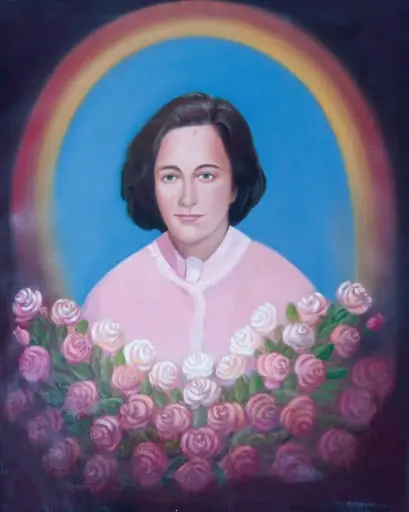 Tablou „Omagiu”, semnat N. Porumb și datat în partea dreaptă jos. Tabloul o reprezintă pe Elena Ceaușescu cu tricolorul în spate sub formă de curcubeu; în partea de jos a tabloului o ”mare” de trandafiri. Comandat de Comitetul Județean de Partid Sibiu și dăruit Elenei Ceaușescu cu ocazia zilie de naștere (ianuarie 1989).
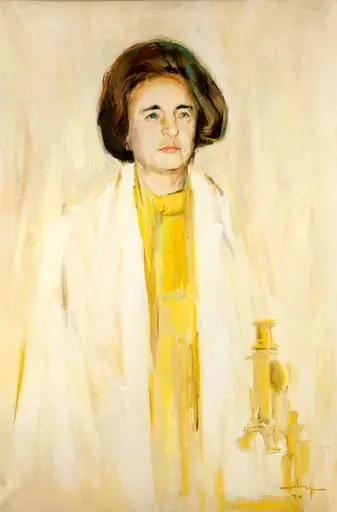 Tablou „Elena Ceușescu” semnat dreapta jos indescifrabil, atribuit lui Ion Țarălungă. Tabloul o prezintă pe Elena Ceaușescu într-o postură gravă de cercetător (halat alb și microscop alăturat). Comandat de Consiliul de Conducere al Ministerului Apărării Naționale și oferit Elenei Ceaușescu la 5 ianuarie 1979.
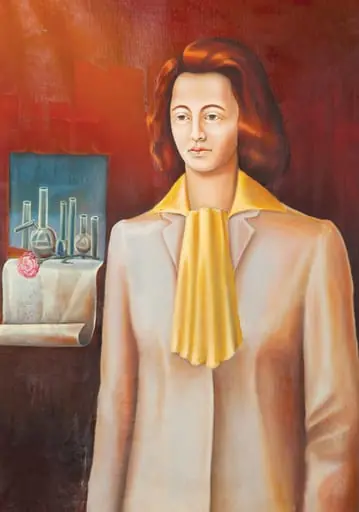 Tablou, ulei pe pânză, portret Elena Ceaușescu, nesemnat, nedatat. Elena Ceaușescu este reprezentată alături de recipiente folosite în laboratoare, alături de o diplomă și o garoafă roz. Comandat și oferit de Comitetul Județean de Partid Caraș Severin, 6 ianuarie 1979.