Artwork
Emperor Charles V
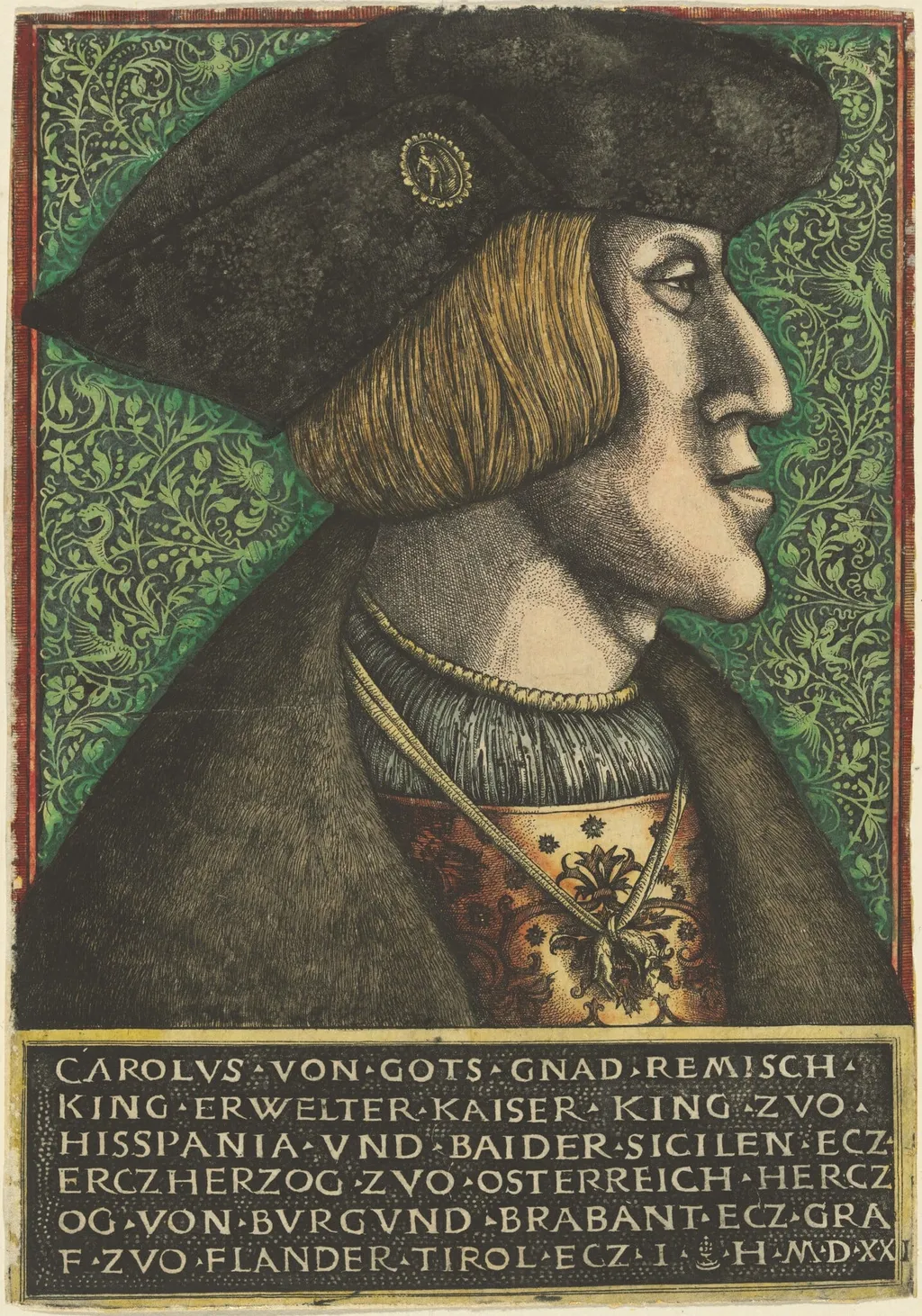
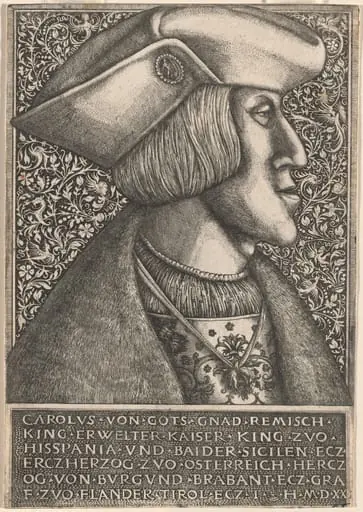
Emperor Charles V is an ink print by the Renaissance artist Daniel Hopfer. It dates from 1520 and is held in the collection of the National Gallery of Art.
About this work
Overview
Emperor Charles V is an etched print on iron, created by Daniel Hopfer in 1520, featuring unique contemporary hand-coloring in multiple hues.
Subject & Meaning
The work is a close-up portrait of Emperor Charles V, adorned in regalia, including a jeweled hat and chained high collar, with Latin text enumerating his titles, such as King of Spain and Duke of Burgundy, set against a green leafy background.
Technique & Style
Hopfer, a pioneer in etching, utilized iron plates, a material familiar from his steel plate armor background, contrasting with the later prevalent use of copper. The print showcases open biting techniques and vibrant, hand-applied colors in green, red, yellow, pink, and brown.
History & Provenance
Created in 1520 by German artist Daniel Hopfer (active 1470–1536), this etching demonstrates his innovative approach to the medium, which he introduced at the end of the 15th century, also contributing to the commercial success of etchings and the print publishing model.
Context
Unlike later etchings on copper, Hopfer’s use of iron reflects his diverse craftsmanship background, which included woodcuts and armor production, influencing his etching technique.
Legacy
Emperor Charles V exemplifies Hopfer’s pioneering role in etching, highlighting his contributions to the technique’s early development, commercial viability, and the establishment of the print publisher business model.
Artist & collection

Artist
Daniel Hopfer (c. 1470 – 1536) was a German artist who is widely believed to have been the first to use etching in printmaking, at the end of the 15th century. He also worked in woodcut. Although his etchings were…

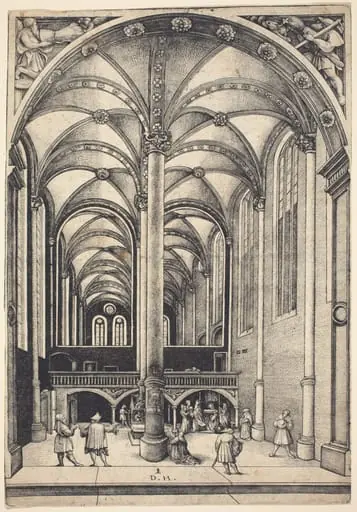 Interior of the Church of Saint Maria Magdalena with the Parable of the Offering of the Widow
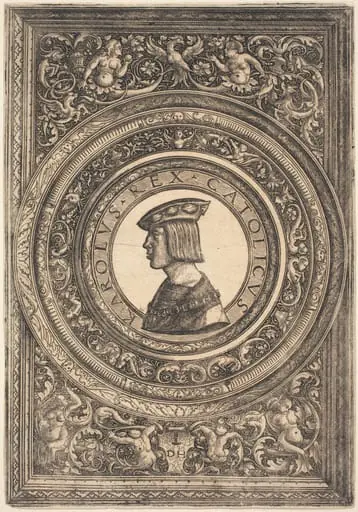 Emperor Charles V
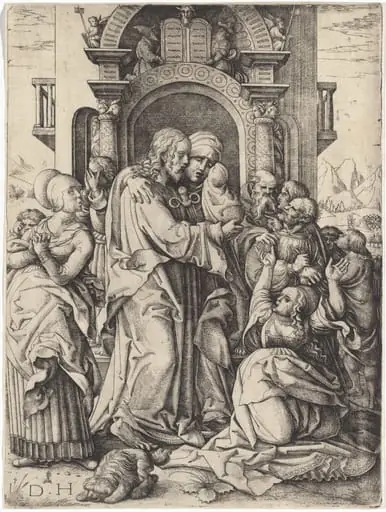 The Virgin Mary Taking Leave of Christ
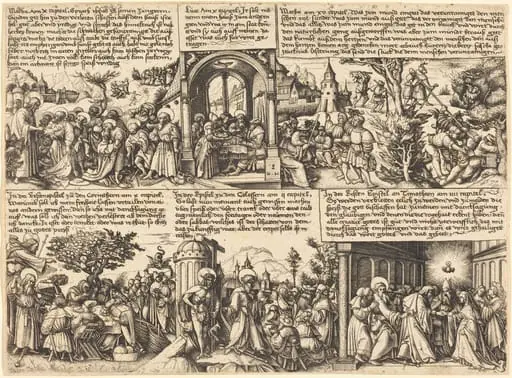 Jesus Christ Giving the Mission to the Apostles and Other New Testament Scenes
 Soldier Embracing a Woman
 Girolamo da Siena
 The Virgin and Child with Saint Anne by a Portal
 Emperor Charles V