Artwork
Le Supplice de Tantale
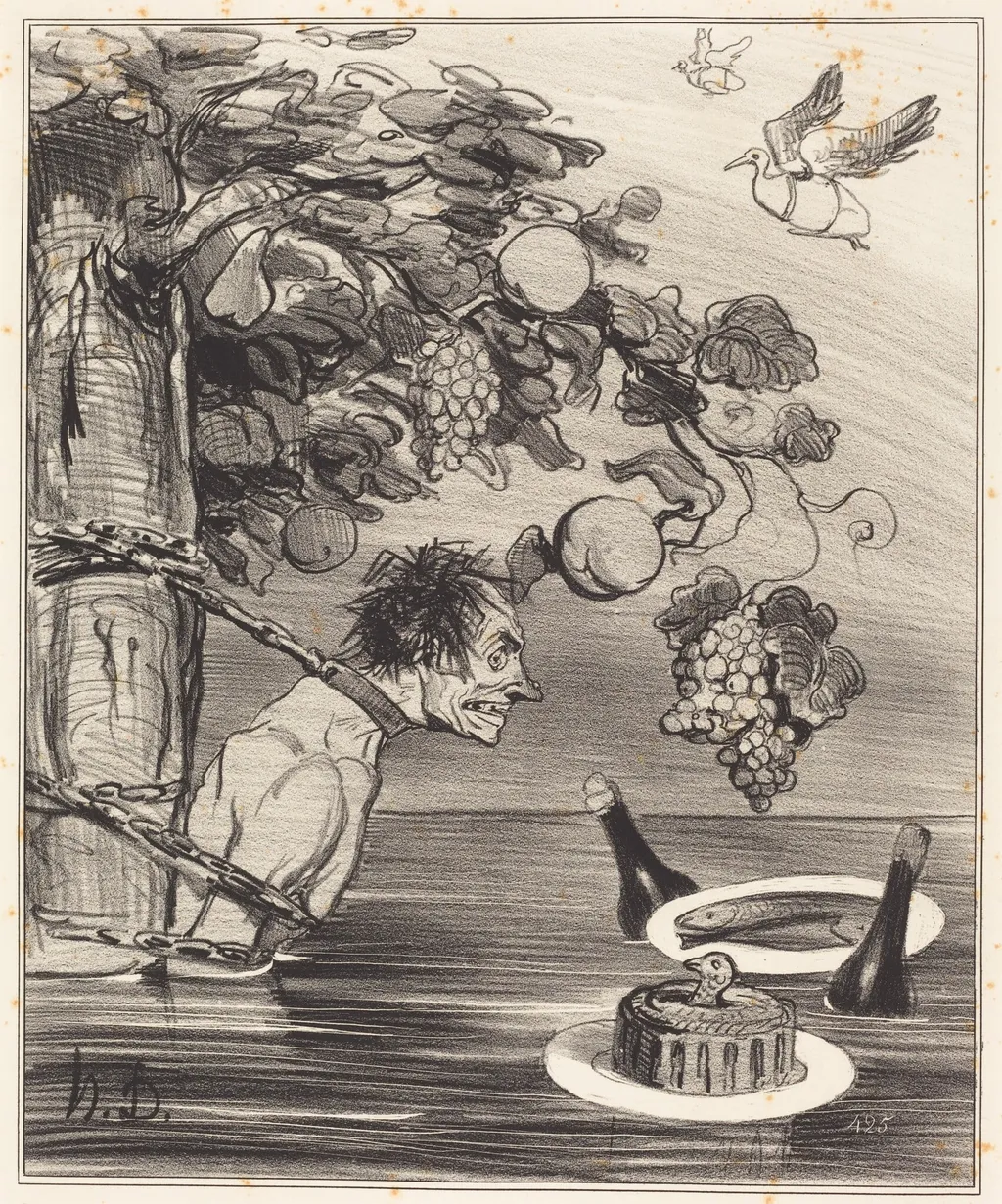
Le Supplice de Tantale is an ink print by the Romanticist artist Honoré Daumier. It dates from 1842 and is held in the collection of the National Gallery of Art.
About this work
Overview
Created in 1842, *Le Supplice de Tantale* is a lithograph by French artist Honoré Daumier. It belongs to a body of work produced during a time of political tension in France, when Daumier used printmaking to critique social and institutional power. The image draws from classical mythology to comment on contemporary greed and frustration, blending allegory with sharp visual wit.
Subject & Meaning
The print depicts a man trapped in a mythic torment: within reach of fruit and food, yet perpetually denied access.
The print depicts a man trapped in a mythic torment: within reach of fruit and food, yet perpetually denied access. Water surrounds him, fruit hangs just above, and a bird carries off bread while a cake remains untouched. Daumier adapts the myth of Tantalus to symbolize the futility of desire and the moral decay of the privileged class, suggesting a society where abundance is visible but unattainable to those who crave it.
Technique & Style
Executed in lithography, the work employs loose, energetic lines and dense ink washes to convey urgency and disorder. The rough texture and uneven shading emphasize the physical strain of the figure, while the chaotic composition mirrors the instability of the era. Daumier’s draftsmanship prioritizes expressive immediacy over refinement, aligning with the satirical urgency of his journalistic practice.
History & Provenance
Daumier produced this print during his tenure as a political cartoonist for *La Caricature* and *Le Charivari*, publications that frequently faced censorship. Though originally published in a periodical, the image was later collected and preserved as part of his broader graphic oeuvre. Its survival reflects its resonance as both artistic and political commentary during a volatile period in French history.
Context
In 1842, France was under the July Monarchy, marked by rising class tensions and suppressed dissent. Daumier’s work responded to the hypocrisy of elites who enjoyed privilege while the public suffered. By invoking Tantalus, he framed contemporary greed as a timeless punishment, linking mythic consequence to the moral failures of his own time.
Legacy
The print endures as a clear example of Daumier’s ability to fuse classical reference with social critique. It influenced later generations of satirical artists and reinforced lithography’s role as a vehicle for political expression. Its enduring power lies in its simplicity and universality—depicting a human condition of longing and denial that transcends its historical moment.
Artist & collection
Artist
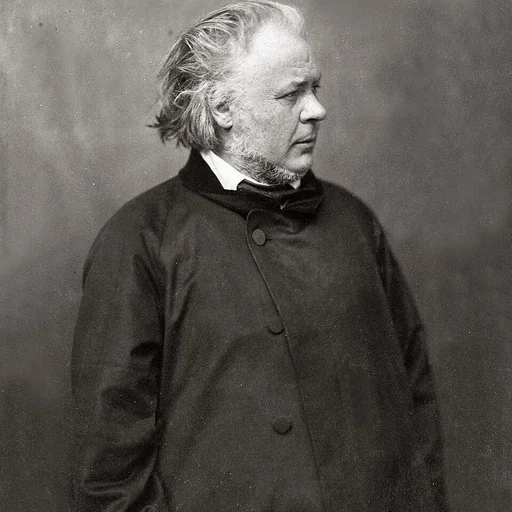
Honoré-Victorin Daumier was a French painter, sculptor, and printmaker, whose many works offer commentary on the social and political life in France, from the Revolution of 1830 to the fall of the Second French Empire in 1870.

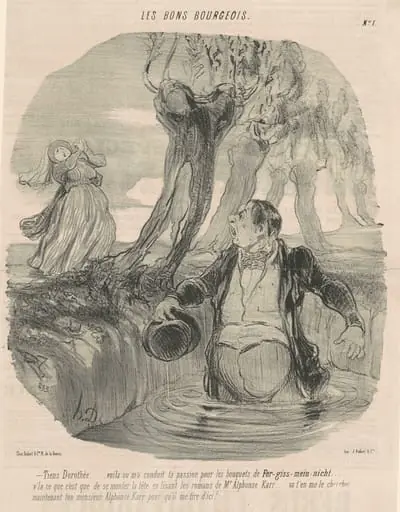 Tiens Dorothée ... Voila où m'a conduit ...
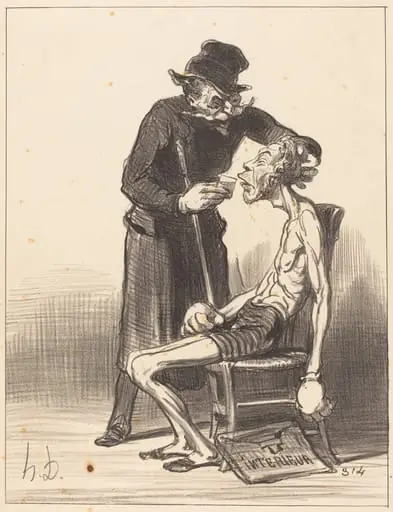 Un Lutteur malheureux
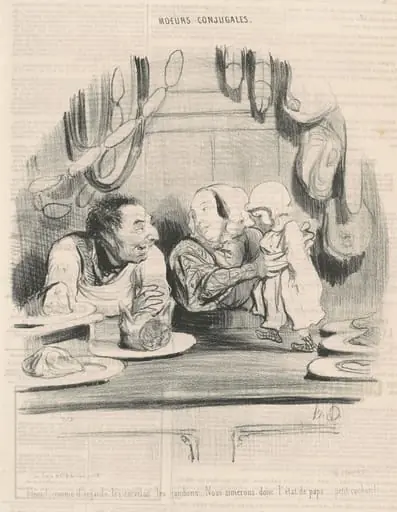 Hein! comme il regarde les cervelas...
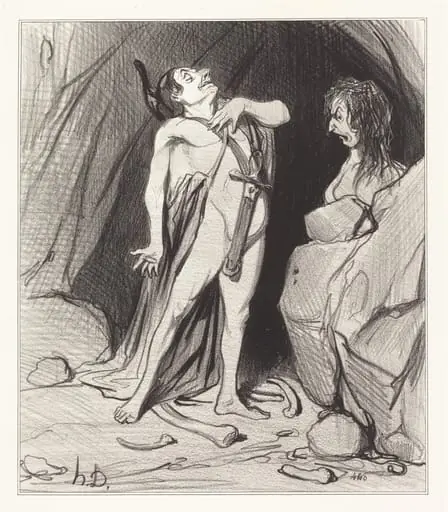 Oedipe chez le Sphinx
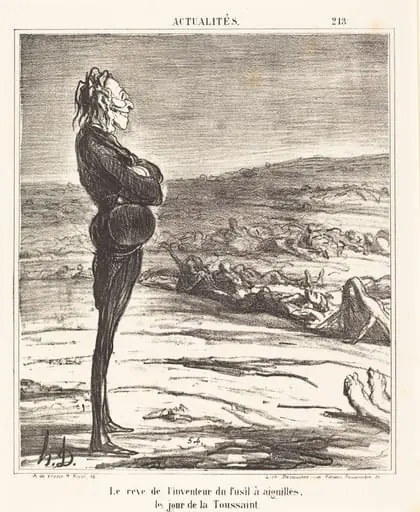 Le Rêve de l'inventeur du fusil a aiguilles...
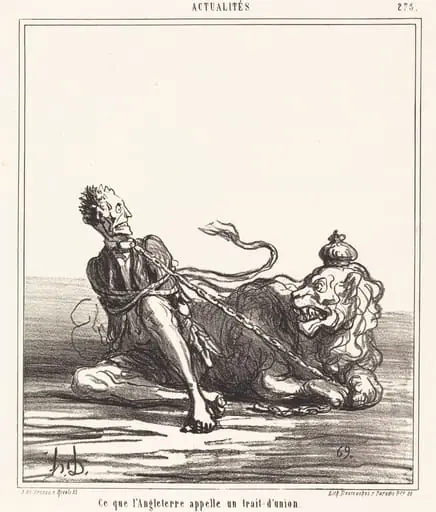 Ce que l'Angleterre appelle un trait-d'union
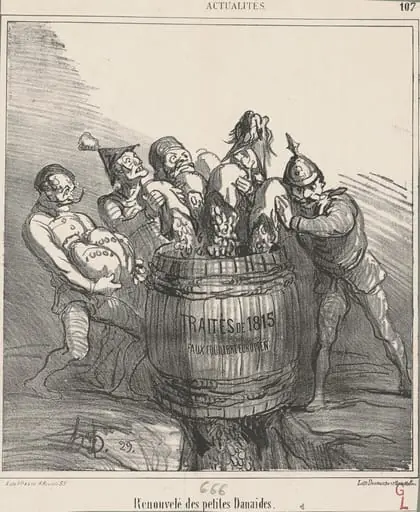 Renouvelé des petites Danaides
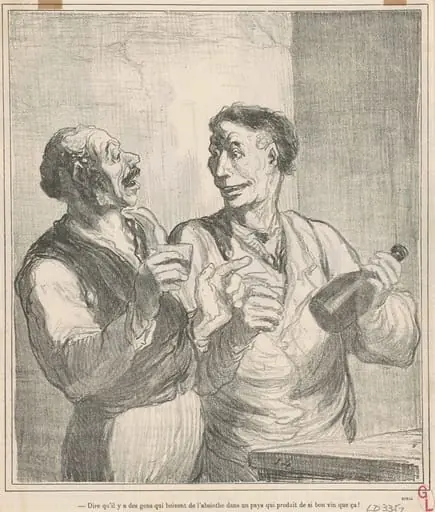 Dire qu'il y a des gens qui boivent de l'absinthe ...
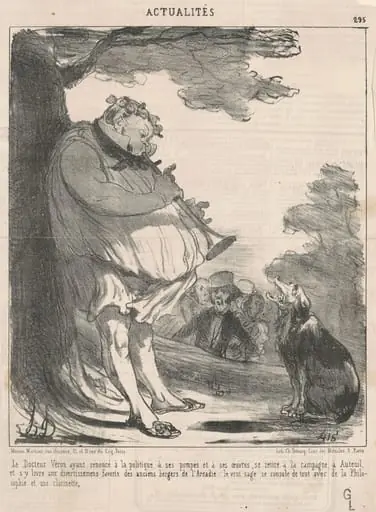 Le docteur Véron ... a Auteuil ...
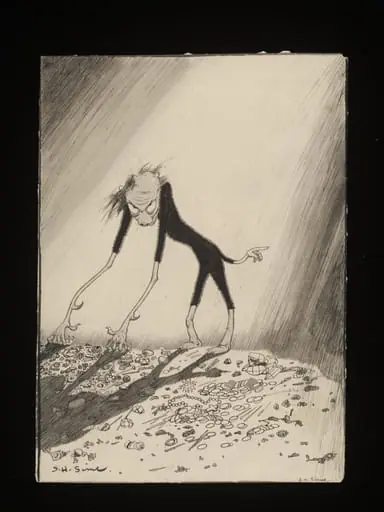 The Snide
 Les Tritons de la Seine
 Le Constitutionnel contemplant l'horizon politique