Artwork
One of the Hesperides
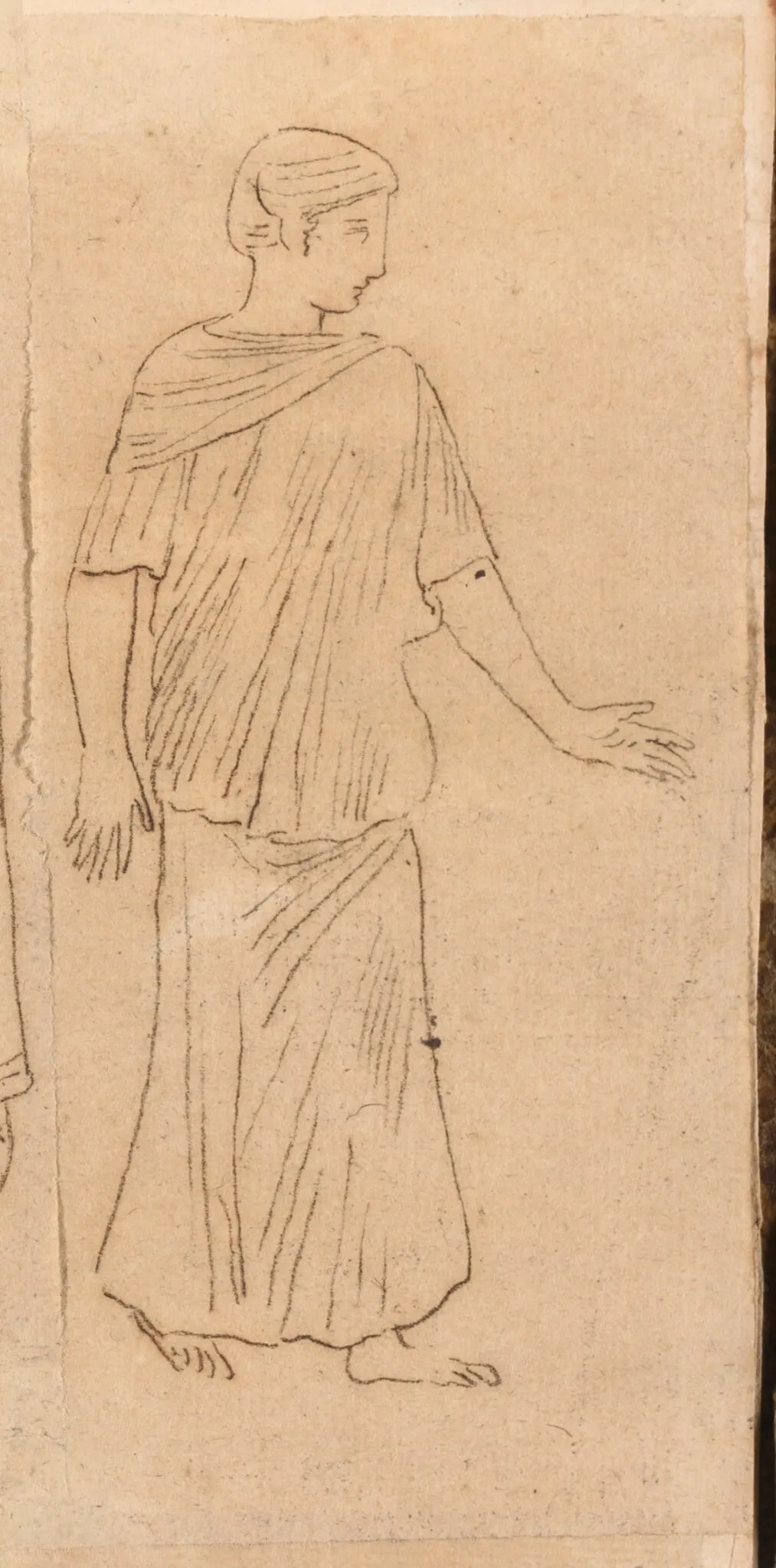
One of the Hesperides is an oil drawing by the Neoclassicist artist Jacques-Louis David. It dates from 1778 and is held in the collection of the National Gallery of Art.
About this work
Overview
The technique involved tracing an existing image, a standard practice among artists of the period to transfer forms accurately.
This drawing, titled One of the Hesperides, is a transfer tracing on oiled laid paper created by Jacques-Louis David in 1778. It serves as a preparatory study, likely made to refine a figure for a larger composition. The technique involved tracing an existing image, a standard practice among artists of the period to transfer forms accurately. The medium and method suggest a focus on form and posture rather than finished detail.
Subject & Meaning
The figure represents one of the Hesperides, nymphs from Greek myth who guarded a golden apple tree. Depicted in motion, the figure walks with an outstretched arm and a gently tilted head, suggesting grace and quiet purpose. The absence of narrative elements or setting emphasizes the idealized human form, aligning with classical themes David explored early in his career before shifting toward historical subjects.
Technique & Style
David employed transfer tracing, a method where he traced lines from a pre-existing image onto oiled laid paper to preserve proportions and contour. The resulting lines are fluid and precise, capturing the soft fall of draped fabric with minimal shading. The plain background isolates the figure, highlighting the artist’s attention to anatomical rhythm and the weight of cloth, characteristic of his neoclassical training.
History & Provenance
Created in 1778 during David’s formative years in Rome, this drawing reflects his engagement with classical mythology and academic study. It likely preceded a planned painting that was never completed. The work remained in David’s possession or within his circle, eventually entering a public collection. Its survival offers insight into his preparatory process before his major historical commissions.
Context
In the late 1770s, David was immersed in the study of antiquity, absorbing classical sculpture and mythological themes central to academic art. Transfer tracing was a common tool among students and professionals to internalize compositional structures. This drawing aligns with broader trends in French art, where mythological figures served as vehicles for exploring idealized beauty and controlled movement.
Legacy
Though not a finished painting, this study reveals David’s disciplined approach to form and his reliance on classical models. It documents a transitional phase in his career, before his style became more austere and politically charged. As a surviving example of his preparatory work, it contributes to understanding the evolution of neoclassical drawing practices in late 18th-century Europe.
Artist & collection
Artist
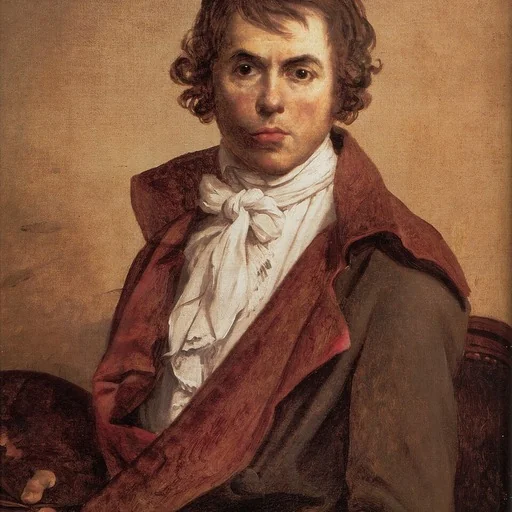
Jacques-Louis David was born in Paris on 30 August 1748 into a bourgeois family; his father died in a duel when the boy was nine, and a maternal uncle guided his education.

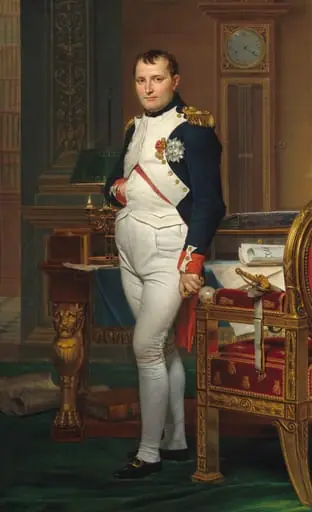 The Emperor Napoleon in His Study at the Tuileries
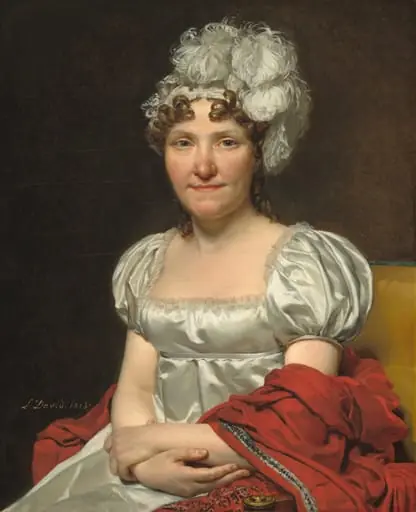 Madame David
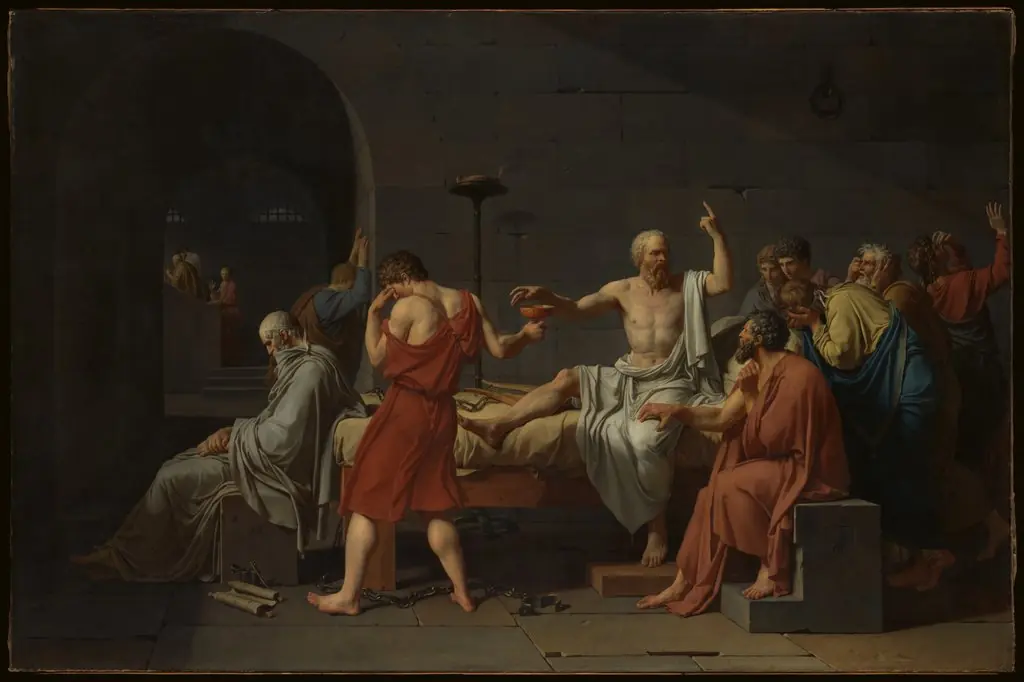 The Death of Socrates
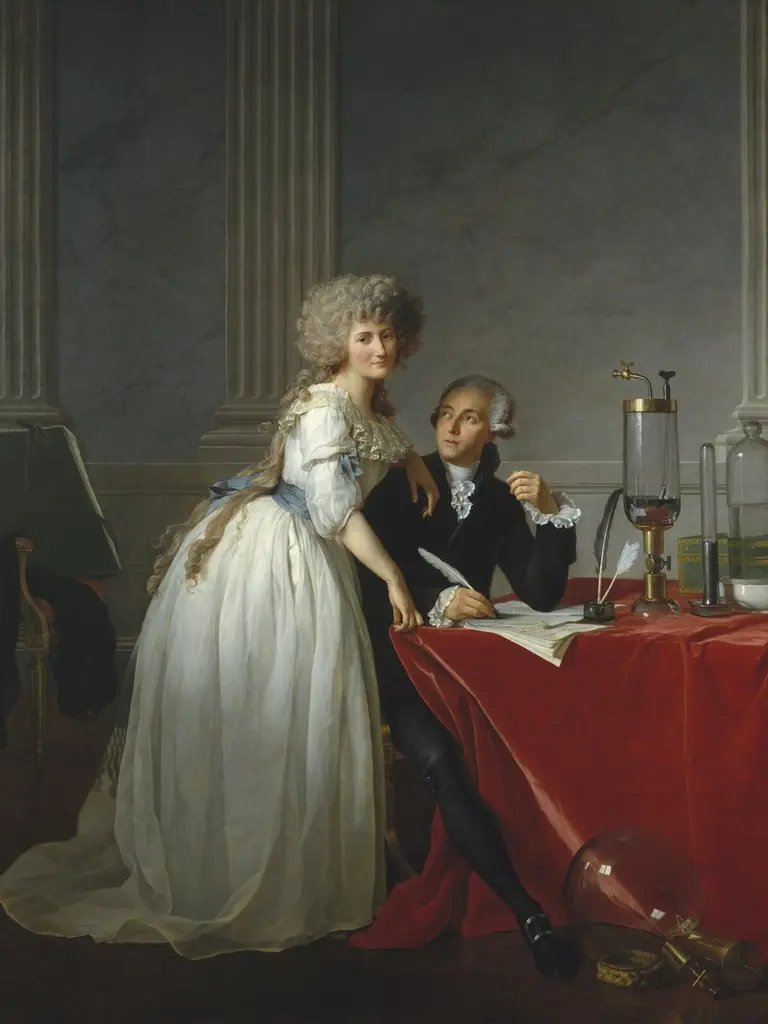 Portrait of Antoine-Laurent Lavoisier and his wife
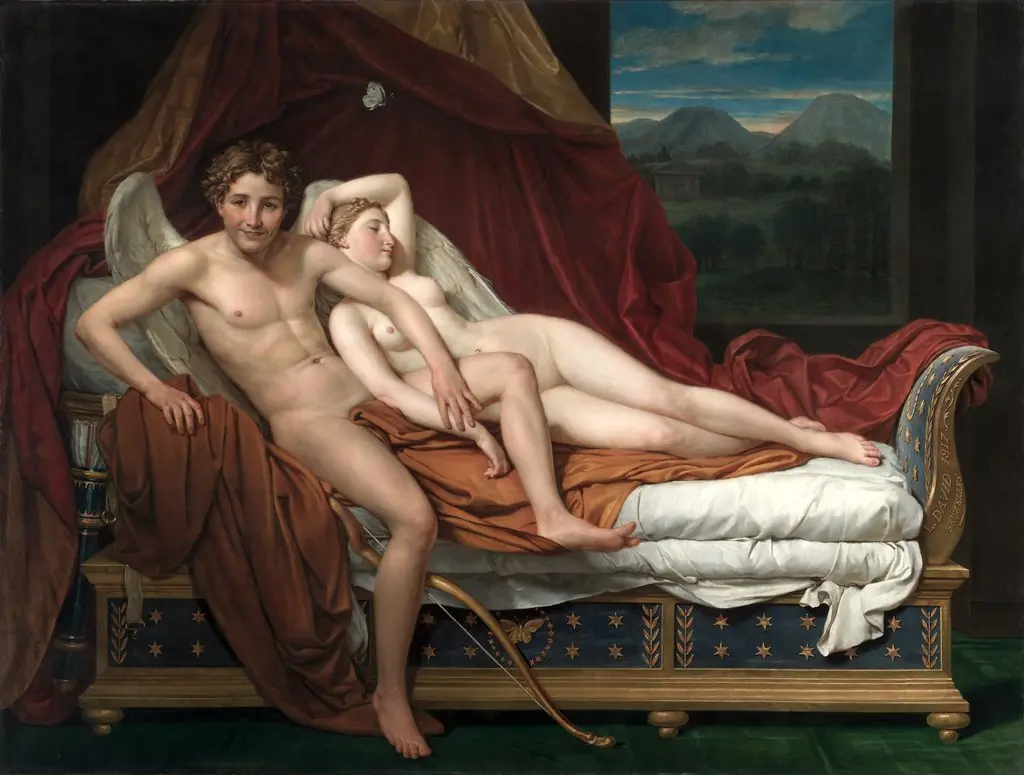 Cupid and Psyche
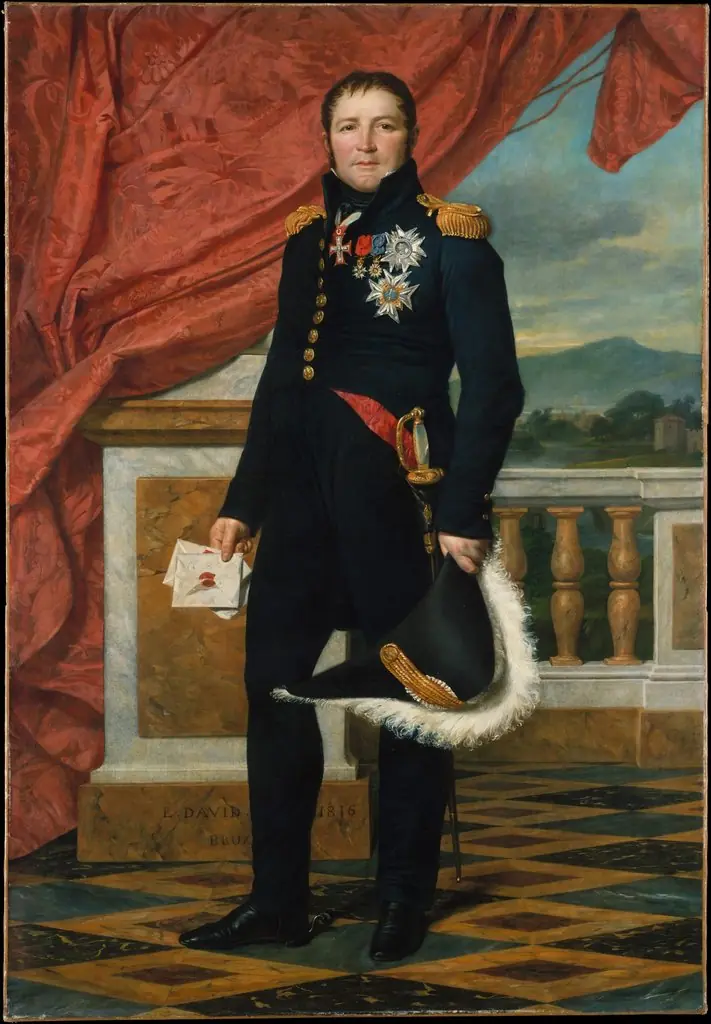 General Étienne-Maurice Gérard (1773–1852), Marshal of France
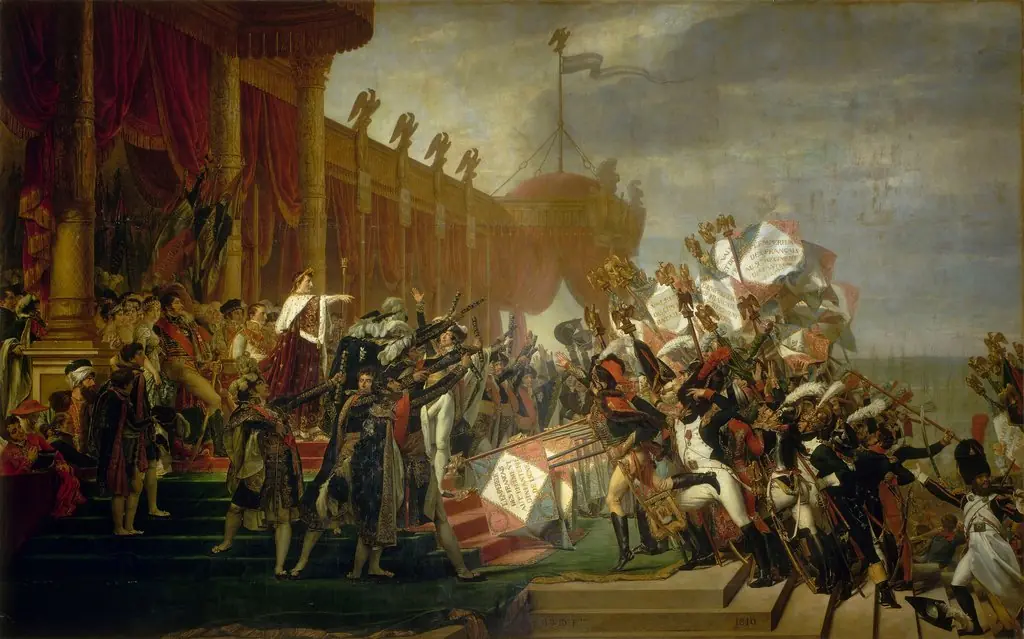 The Distribution of the Eagle Standards
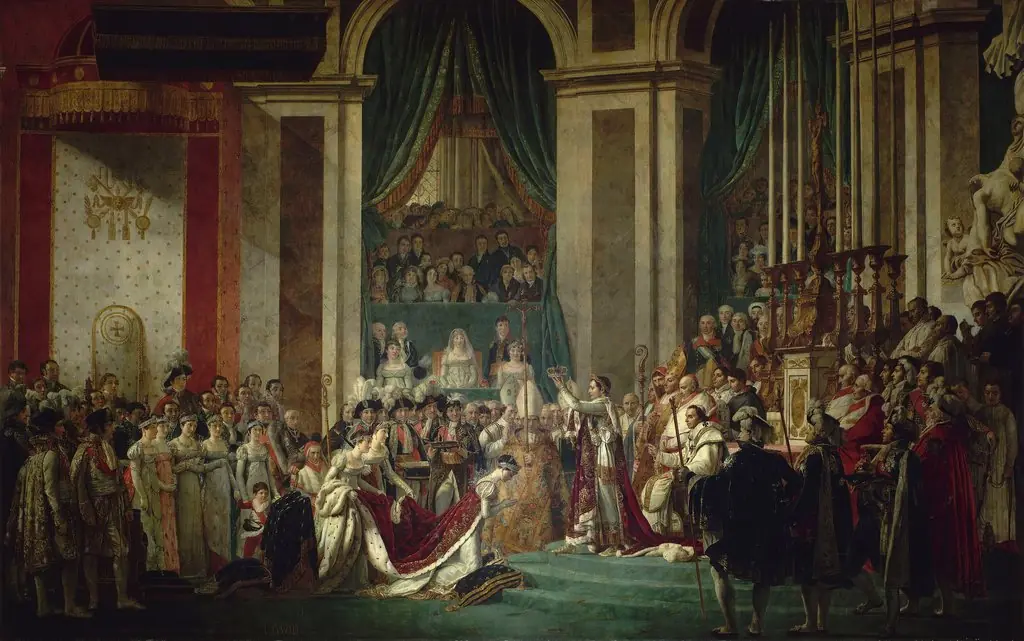 Coronation of Emperor Napoleon I and Coronation of the Empress Josephine
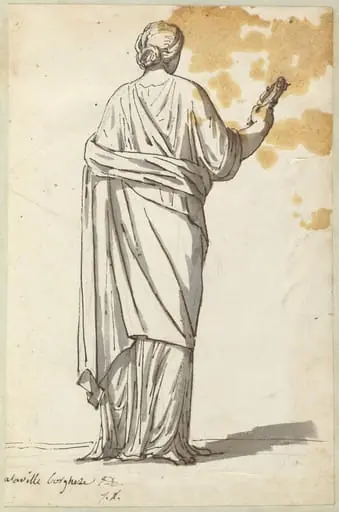 Woman with a Mirror, from the Villa Borghese
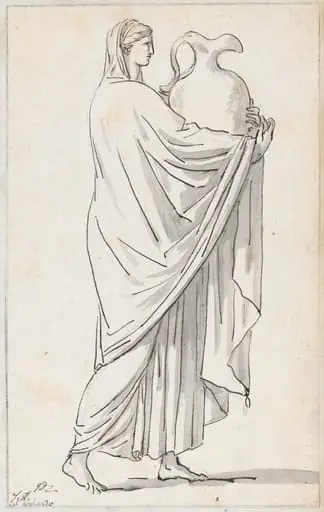 Woman with a Pitcher, from the Palazzo Mattei
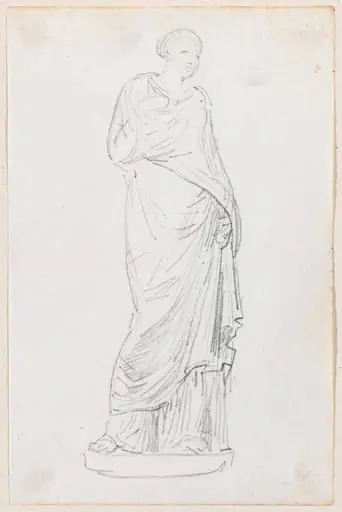 Statue of a Female in a Toga
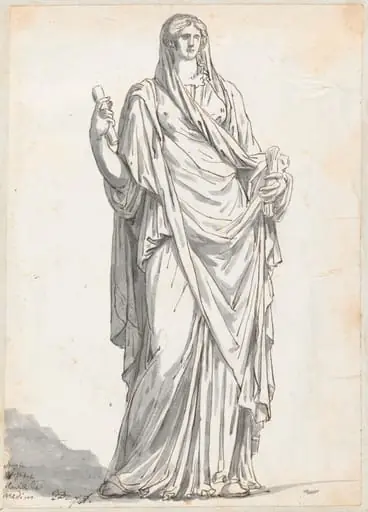 Orante from the Villa Medici
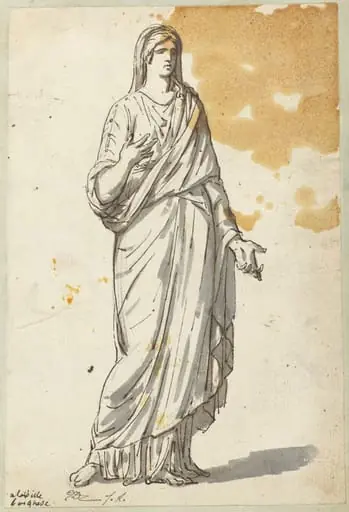 Woman from the Villa Borghese
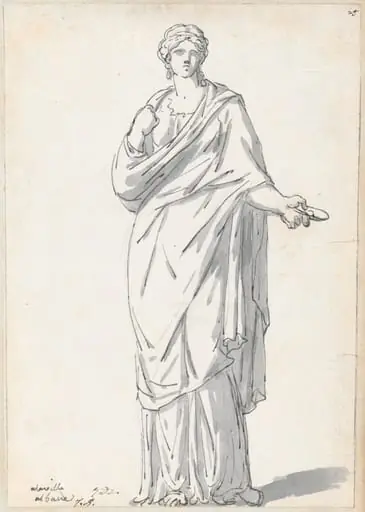 Woman from the Villa Albani
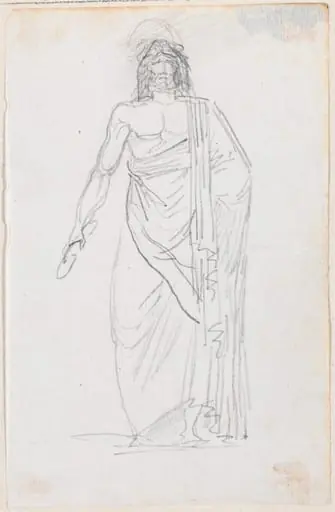 Statue of Zeus Holding a Thunderbolt
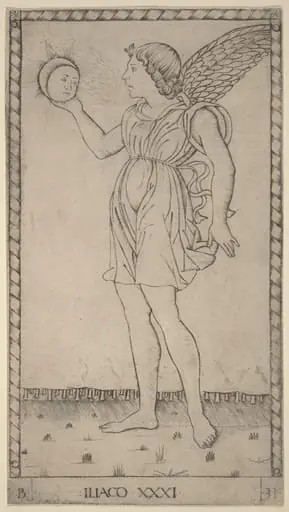 Iliaco (Genius of the Sun)
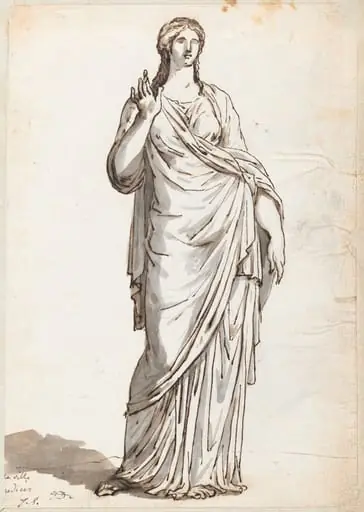 Woman with a Raised Hand, from the Villa Medici
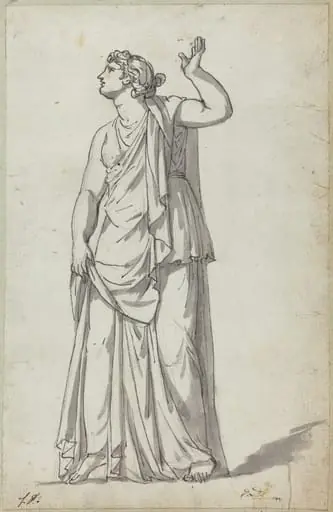 Roman Statue of a Muse (Anchyrrhoe)
![Standing Young Man [verso], by Sperandio](https://artifactworldgallery.com/img/sperandio--standing-young-man-verso--f2e257c4a458802d-w320.webp) Standing Young Man [verso]
Standing Young Man [verso]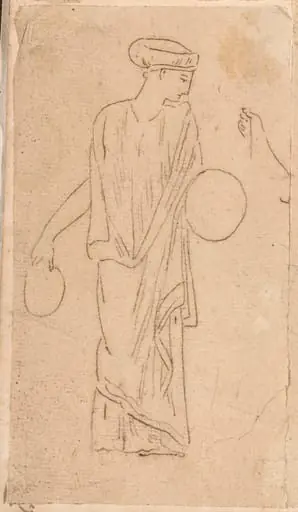 Woman with Tambourines