Artwork
Sir Anthony Shirley, Traveler and Ambassador to Persia
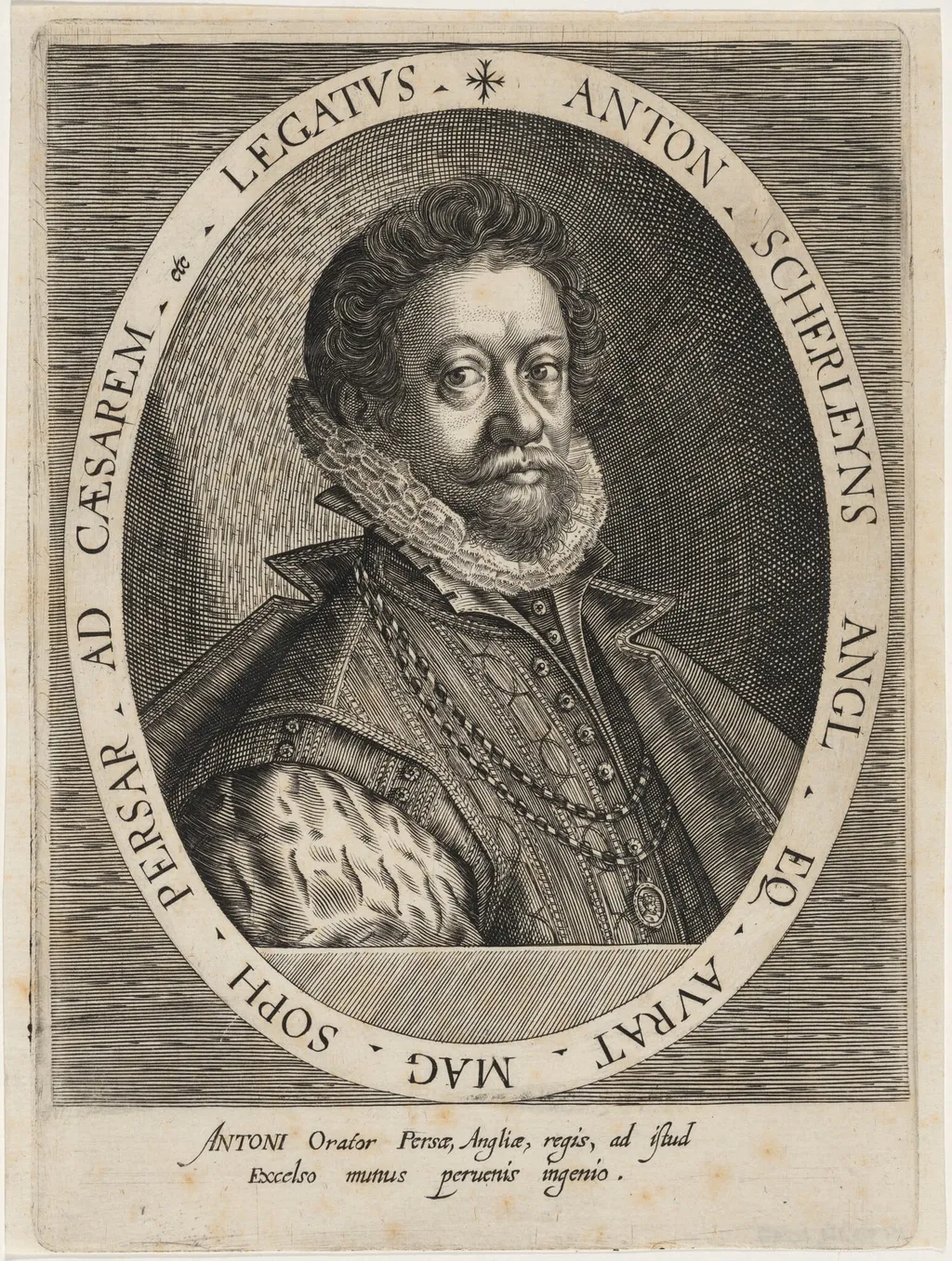
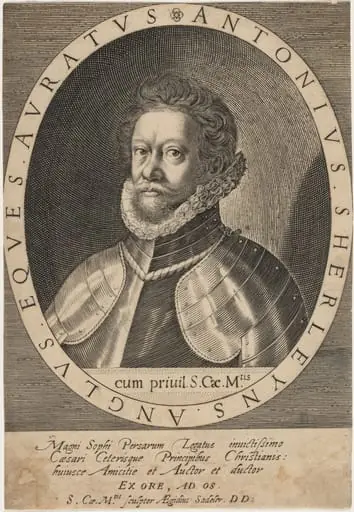
Sir Anthony Shirley, Traveler and Ambassador to Persia is an ink print by the Baroque artist Dominicus Custos. It dates from 1600 and is held in the collection of the National Gallery of Art.
About this work
Overview
This 1600 engraving by Dominicus Custos portrays Sir Anthony Shirley, an English diplomat who traveled to Persia. Executed on laid paper, the work belongs to a tradition of portrait prints produced in early 17th-century Augsburg, where Custos was active. The image is rendered in fine, controlled lines characteristic of copperplate engraving, emphasizing detail over color.
Subject & Meaning
The surrounding inscription identifies his diplomatic mission to Persia, anchoring the portrait in the political context of Anglo-Persian relations.
Sir Anthony Shirley is depicted as a serious, composed figure, reflecting his role as an ambassador. His attire—dark coat and high ruff collar—signals status and formality. The surrounding inscription identifies his diplomatic mission to Persia, anchoring the portrait in the political context of Anglo-Persian relations. The image functions as both likeness and credential, asserting his identity and official function.
Technique & Style
Custos employed a burin to carve precise lines into a copper plate, creating sharp contrasts and intricate textures. The folds of fabric, facial wrinkles, and fine details of the ruff are rendered with meticulous control. The circular border frames the portrait and integrates text seamlessly, a common compositional device in portrait engravings of the period, enhancing both structure and legibility.
History & Provenance
Custos, trained in Antwerp and based in Augsburg, produced this print during his tenure under Emperor Rudolf II in Prague. Augsburg was a hub for printmaking, and Custos’s workshop was known for high-quality engravings of nobility and travelers. This portrait likely circulated among European elites interested in foreign diplomacy and exploration, serving as a visual record of cross-cultural engagement.
Context
In the late 16th and early 17th centuries, European powers sought alliances with Persia to counter Ottoman influence. Shirley’s mission was part of this geopolitical strategy. Engravings like this one helped disseminate images of diplomats and explorers, reinforcing narratives of English involvement in global affairs. The medium allowed for replication and distribution, making such portraits accessible beyond court circles.
Legacy
Custos’s engraving remains a documented example of how portraiture served diplomatic purposes in the early modern era. It preserves the visual language of status and authority used by traveling envoys. While not widely known today, it contributes to the historical record of how European societies visually represented their engagement with the wider world through print culture.
Artist & collection
Artist
Dominicus Custos (1560–1612) was a Flemish artist, printer and copperplate engraver, who worked in the service of Emperor Rudolph II in Prague.

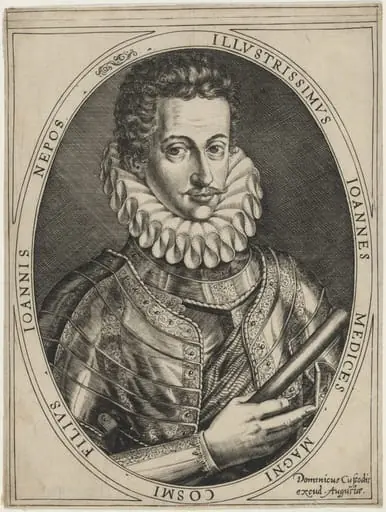
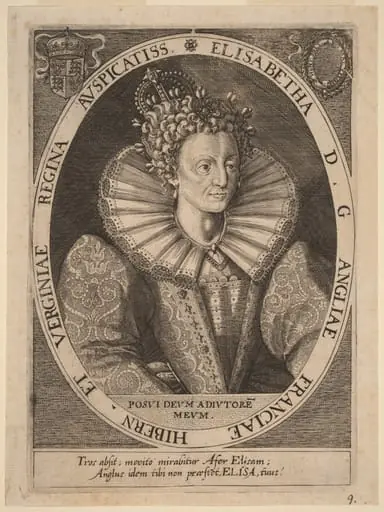
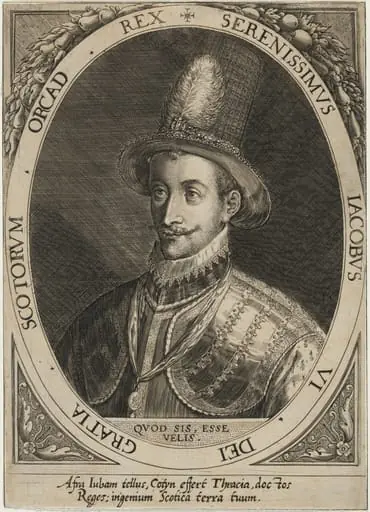
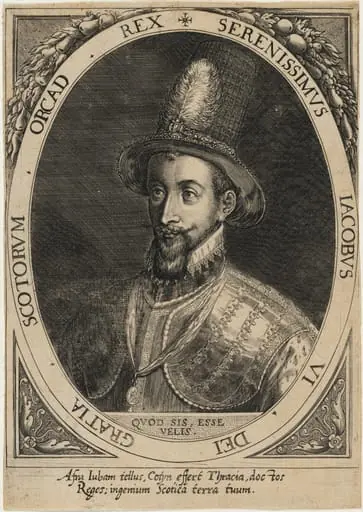
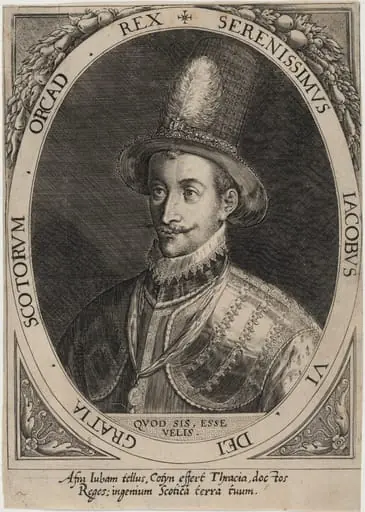
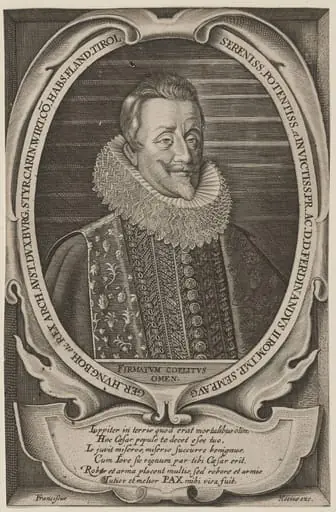 Ferdinand II, Roman Emperor
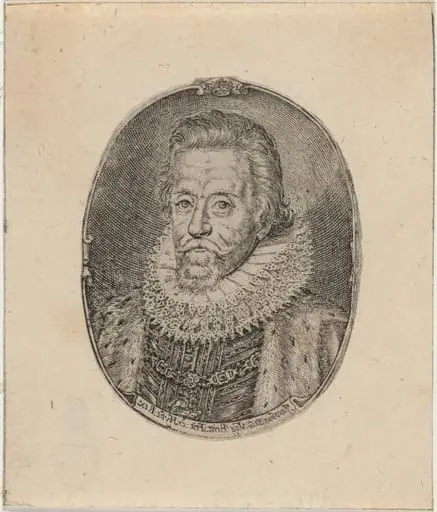 James I, King of England
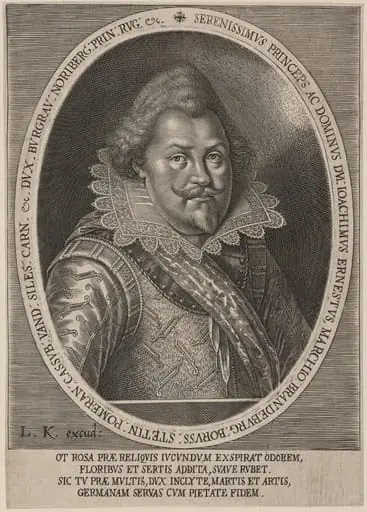 Joachim Ernest, Elector of Brandenburg
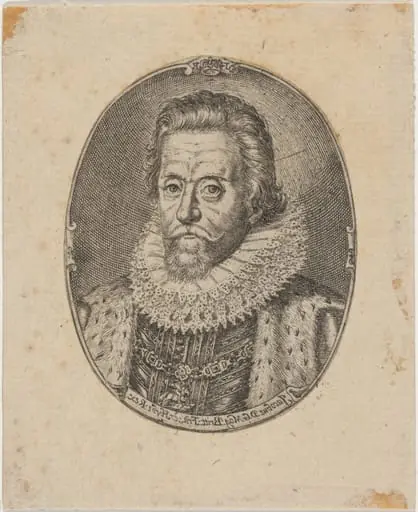 James I, King of England
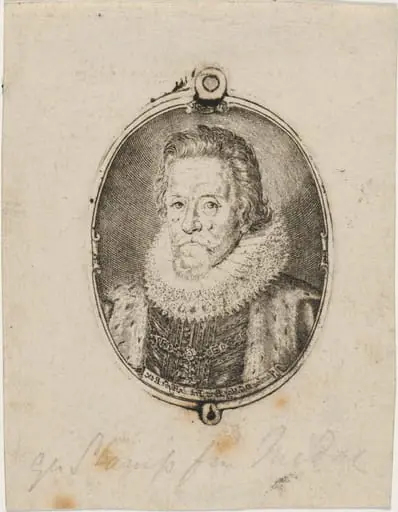 James I, King of England
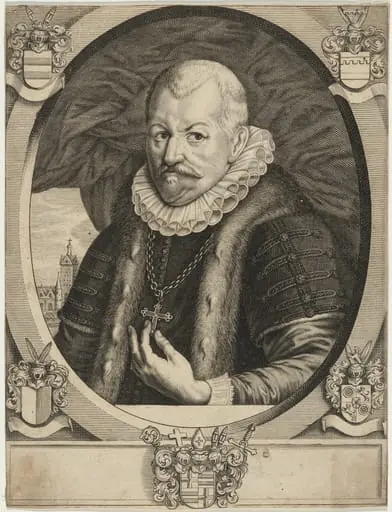 Portrait of a Man With Cross Around Neck
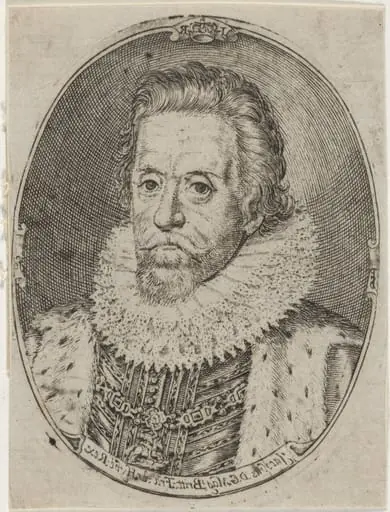 James I, King of England
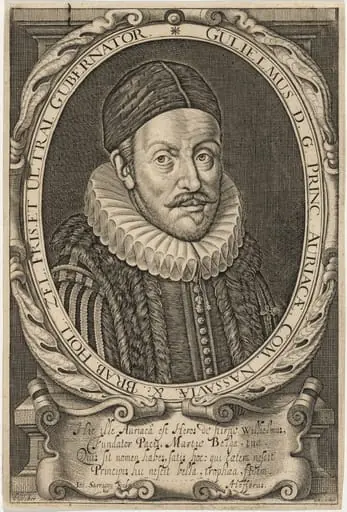 William I, Prince of Orange
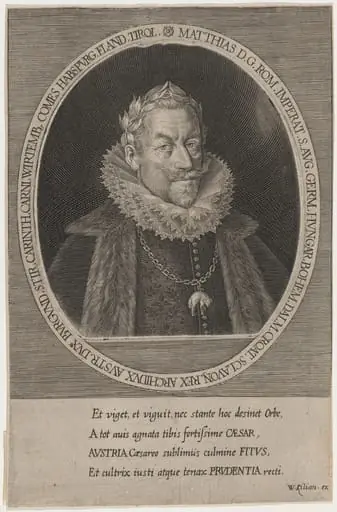 Emperor Matthias
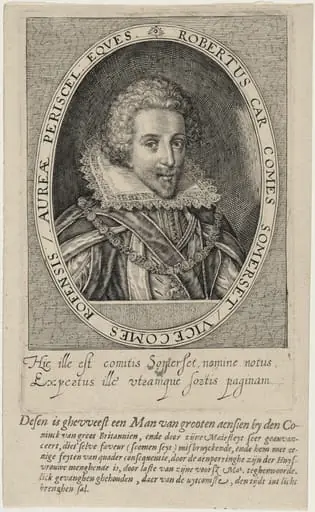 Robert Carr, Earl of Somerset
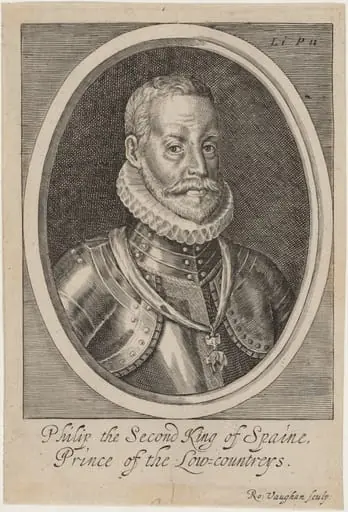 Philip II, King of Spain
 Sir Anthony Shirley