Artwork
Giovanni de' Medici
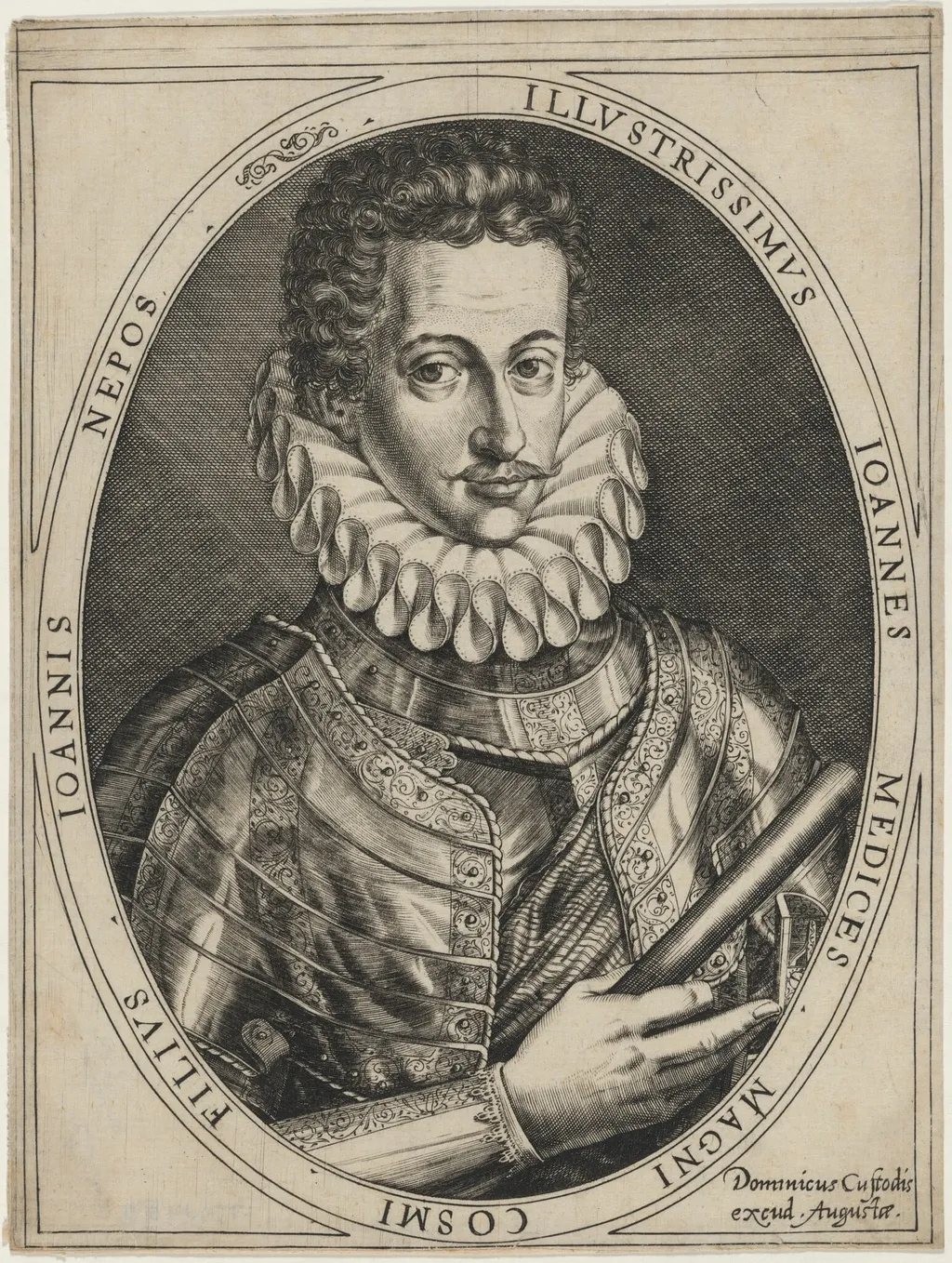
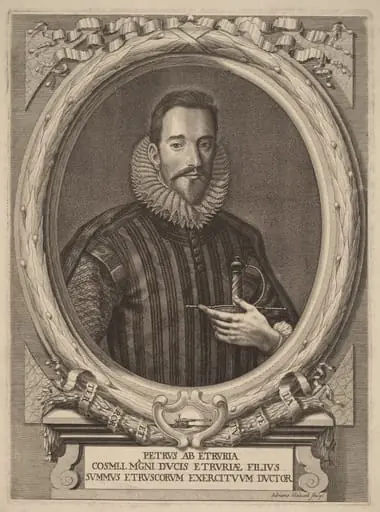
Giovanni de' Medici is an ink print by the Baroque artist Dominicus Custos. It dates from 1600 and is held in the collection of the National Gallery of Art.
About this work
Overview
The work exemplifies the technical precision and cultural transmission characteristic of Central European print culture at the turn of the seventeenth century.
Created in 1600 by Flemish engraver Dominicus Custos, this black-and-white print depicts Giovanni de' Medici on laid paper using copperplate engraving. Custos, based in Augsburg and employed by Emperor Rudolf II, produced this portrait as part of a broader practice of reproductive printmaking. The work exemplifies the technical precision and cultural transmission characteristic of Central European print culture at the turn of the seventeenth century.
Subject & Meaning
The portrait represents Giovanni de' Medici, a member of the influential Florentine family, identified by Latin inscriptions referencing his lineage as the grandson of Cosimo I. His formal attire—elaborate ruff, buttoned doublet, and curled hair—signals aristocratic status. The solemn expression and Latin text emphasize lineage and prestige, aligning the image with dynastic propaganda common among European noble families seeking to cement their legacy through visual representation.
Technique & Style
Custos employed fine, controlled lines to render texture and volume, characteristic of copperplate engraving. The ruff’s lace, fabric folds, and hair curls are defined through dense hatching and cross-hatching, creating tonal depth without shading. The composition is tightly framed, focusing attention on the sitter’s face and attire. Inscriptions frame the image, reinforcing identity and social rank, typical of engraved portraiture in imperial workshops.
History & Provenance
Dominicus Custos, trained in Antwerp and active in Prague, produced this engraving during his tenure at the court of Rudolf II. He later integrated his stepsons, Wolfgang and Lukas Kilian, into his workshop, continuing his legacy in printmaking. The print likely circulated among European elites as a means of disseminating Medici imagery, reflecting the interconnected networks of artists, patrons, and print distributors across the Holy Roman Empire.
Context
In early 17th-century Central Europe, engraved portraits served as tools of political and familial visibility, especially for families without direct access to court painters. Custos’s work fits within a tradition of reproductive prints that translated painted likenesses into widely distributed formats. The use of Latin inscriptions and formal dress reflects the humanist ideals and dynastic ambitions shared by noble houses across the continent.
Legacy
Custos’s engraving contributed to the standardization of noble portraiture in print form, influencing later generations of engravers in the Kilian workshop. While not widely known today, such works were instrumental in shaping public perceptions of aristocratic identity across Europe. The print remains a documented example of how printmaking facilitated cultural exchange beyond the boundaries of painting and sculpture.
Artist & collection
Artist
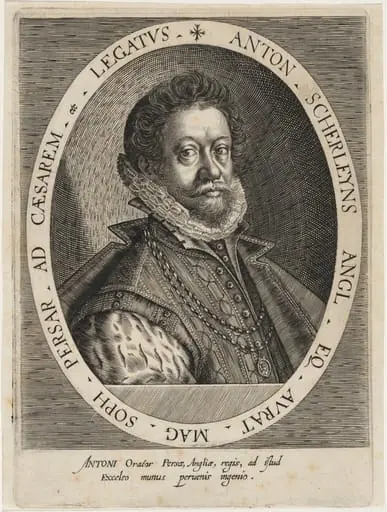
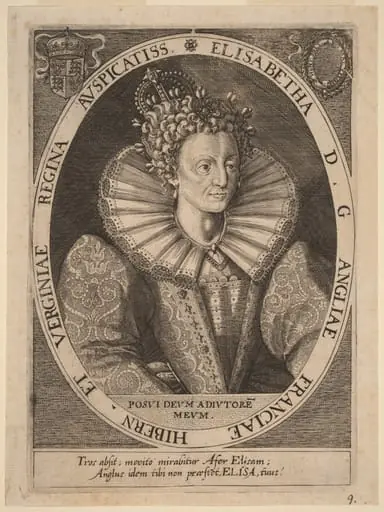
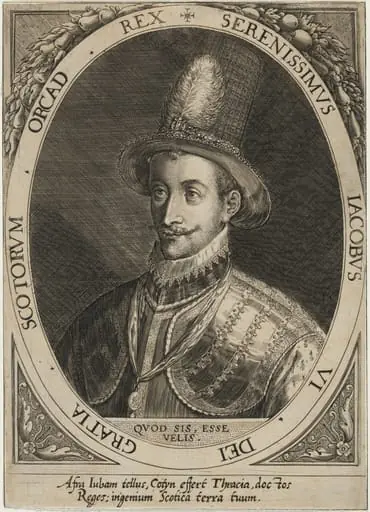
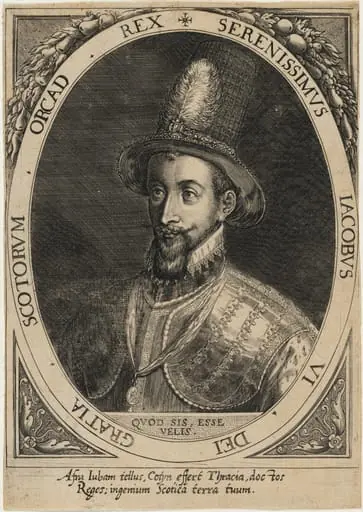
Dominicus Custos (1560–1612) was a Flemish artist, printer and copperplate engraver, who worked in the service of Emperor Rudolph II in Prague.

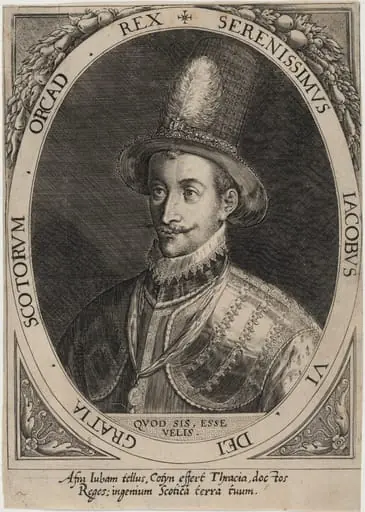
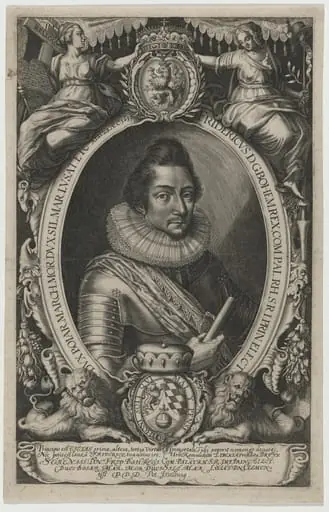 Frederick V, King of Bohemia
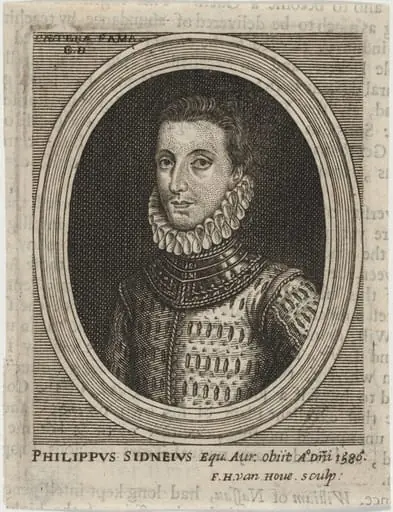 Sir Philip Sidney
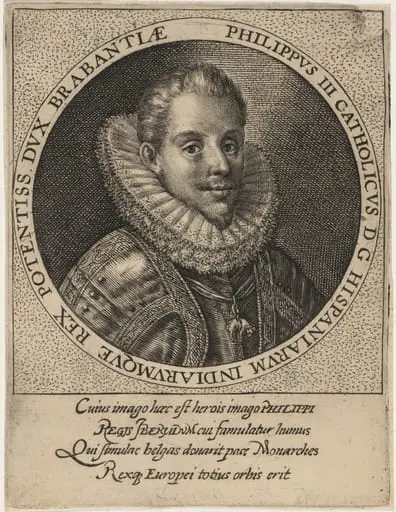 Philip III, King of Spain
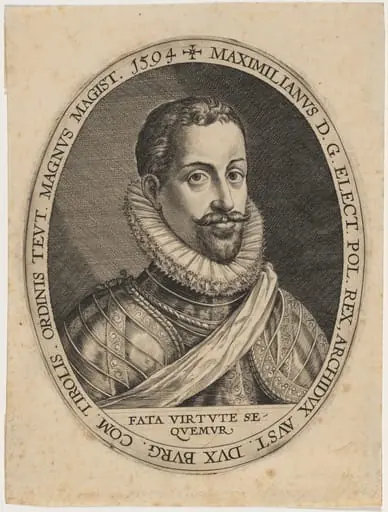 Maximilian II, Roman Emperor
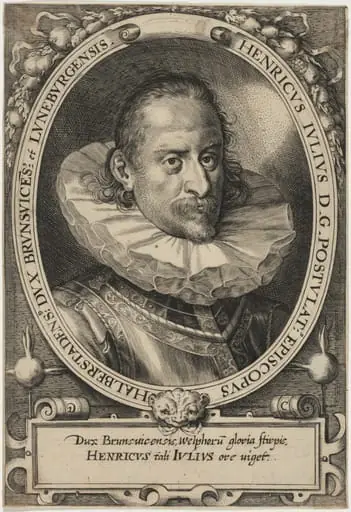 Henry Julius, Duke of Brunswick, Bishop of Halberstadt
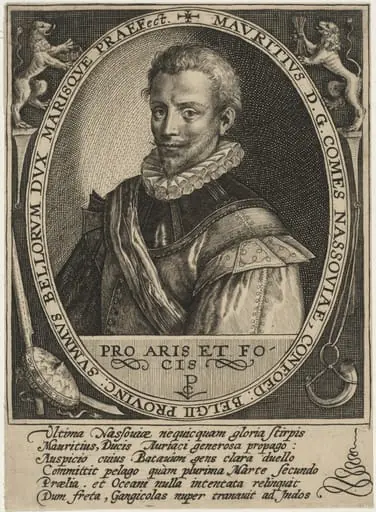 Maurice of Nassau, Prince of Orange
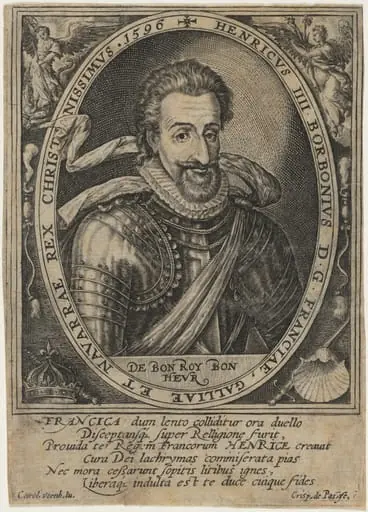 Henry IV, King of France
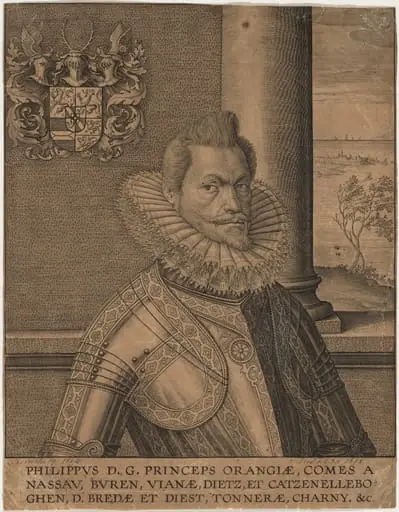 Philip William, Prince of Orange
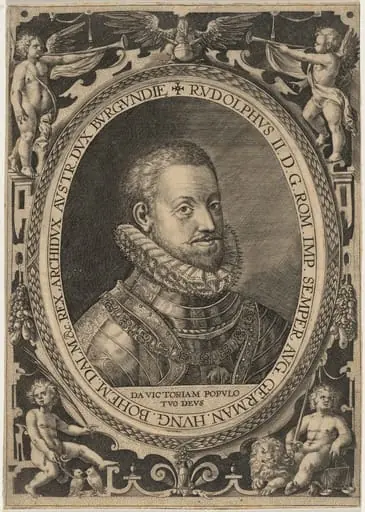 Rudolph II, Roman Emperor
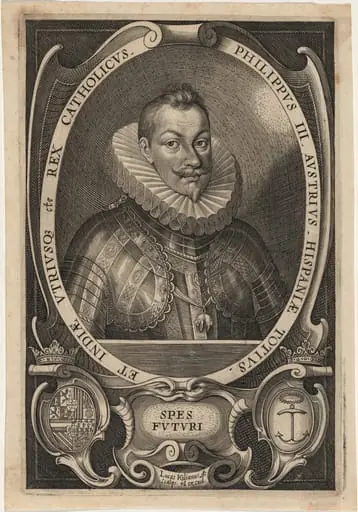 Philip III, King of Spain
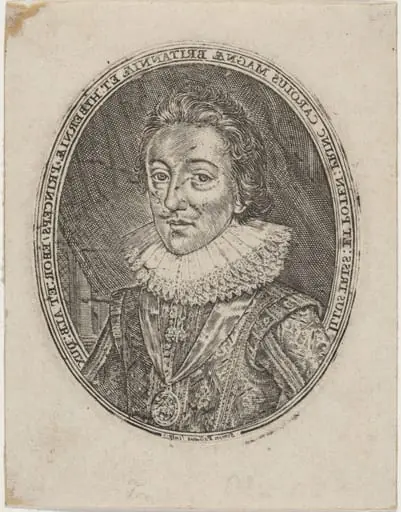 Charles I, King of England
 Don Pietro dei Medici