Artwork
Samuel Johnson
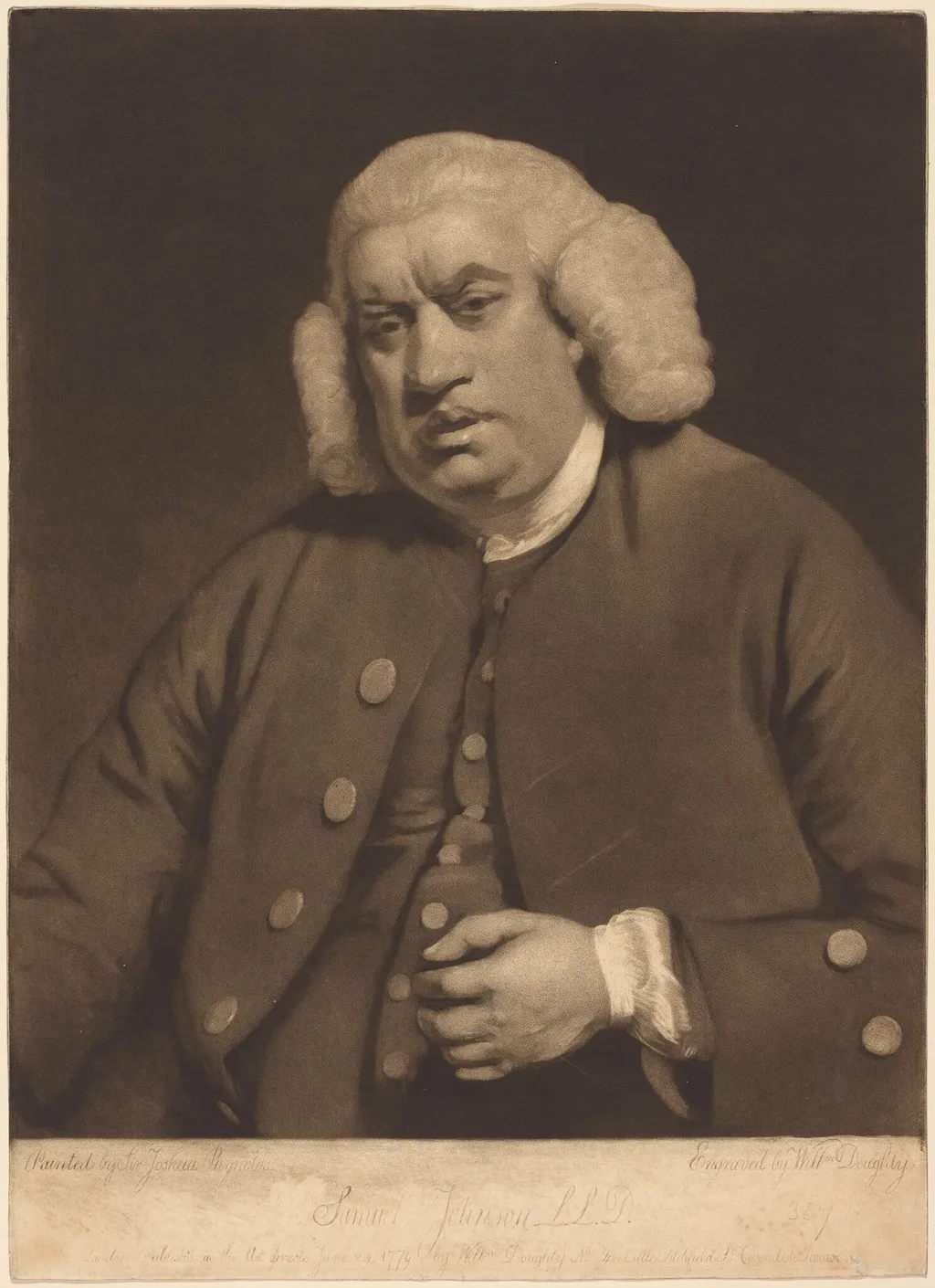
Samuel Johnson is an ink print by the Romanticist artist William Doughty. It dates from 1779 and is held in the collection of the National Gallery of Art.
About this work
The painting is done in a style that emphasizes contrast between light and dark areas, which gives it a sense of depth.
This painting is a portrait of a man with white hair, wearing a dark jacket with buttons and a white shirt. He is looking down, and his hands are clasped together in front of him. The background is dark, which makes the man stand out.
The man's face is serious, and his eyes seem to be looking at something below him. His hair is styled in a way that was common during the 18th century. The painting is done in a style that emphasizes contrast between light and dark areas, which gives it a sense of depth.
This portrait is a good example of the Romanticism movement, which emphasized emotion and individualism. To learn more about this style, you can explore the work of artist William Doughty.
Overview
William Doughty, an English engraver born in 1757, produced this mezzotint portrait of Samuel Johnson in 1779. Though trained as a painter, Doughty shifted focus to printmaking after limited success with portraiture in Ireland. His work here reflects his technical skill in mezzotint, a process known for its rich tonal range. The portrait captures Johnson, a towering intellectual figure of the 18th century, in a moment of quiet introspection.
Subject & Meaning
The portrait depicts Samuel Johnson, the renowned lexicographer and essayist, seated with hands clasped and gaze lowered. His expression conveys solemnity, aligning with contemporary perceptions of his intellectual gravity. The absence of overt symbolism or setting directs focus to his demeanor, emphasizing his reputation for contemplative depth. Doughty’s choice to portray Johnson in repose, rather than in action, reinforces the cultural reverence for his inner life and moral authority.
Technique & Style
Doughty employed mezzotint, a labor-intensive printmaking method that achieves subtle gradations of tone through textured copper plates. The image relies on strong contrasts between light and shadow to model Johnson’s face and clothing, lending volume and texture without line. The dark background isolates the figure, enhancing the three-dimensionality of his form. The technique’s capacity for soft transitions suits the quiet intensity of the subject’s presence.
History & Provenance
Created in 1779, the print was made during Johnson’s later years, shortly before his death in 1784. Doughty, a former pupil of Sir Joshua Reynolds, likely based his composition on existing portraits of Johnson, though no direct source has been confirmed. The print circulated among literary circles and collectors, serving as a visual reference for Johnson’s public image. Its survival in institutional collections attests to its enduring documentary value.
Context
In late 18th-century Britain, portraiture of intellectuals was increasingly valued as a form of cultural commemoration. Johnson, as editor of the first comprehensive English dictionary and a central figure in London’s literary salons, was a natural subject for such works. Mezzotint, favored for its ability to reproduce tonal richness, was commonly used for portraits of notable figures, bridging fine art and printed dissemination.
Legacy
Doughty’s mezzotint remains one of the most widely reproduced images of Samuel Johnson from his lifetime. It contributed to the visual canon of the writer, influencing later depictions and reinforcing his public persona. While not artistically revolutionary, the print endures as a precise, respectful record of a defining intellectual figure, valued for its historical clarity rather than stylistic innovation.
Artist & collection
Artist
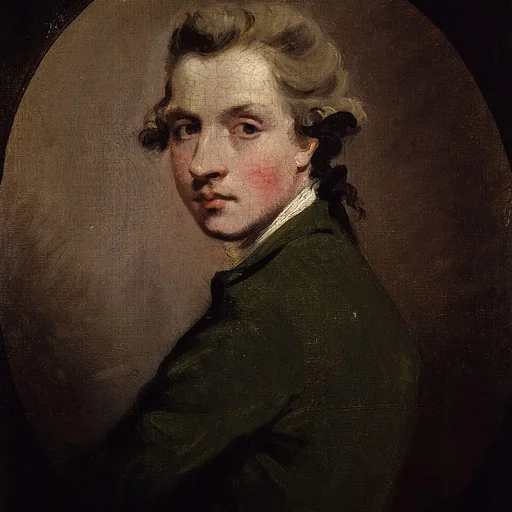
William Doughty (1757–1782), a painter and engraver, was born in York in 1757. In 1776, he became a pupil of Sir Joshua Reynolds, and after an unsuccessful attempt as a portrait painter in Ireland, he in 1779 settled…

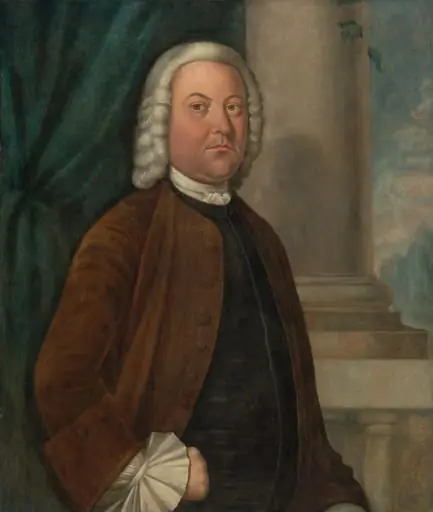 Dr. Samuel Boude
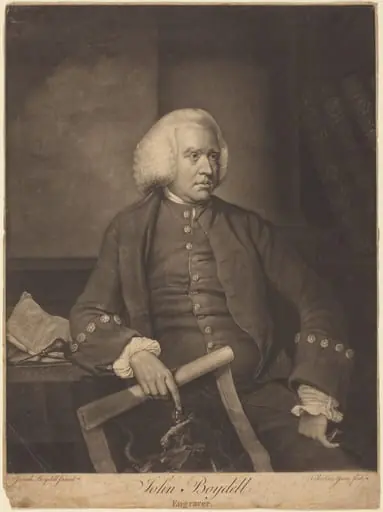 John Boydell
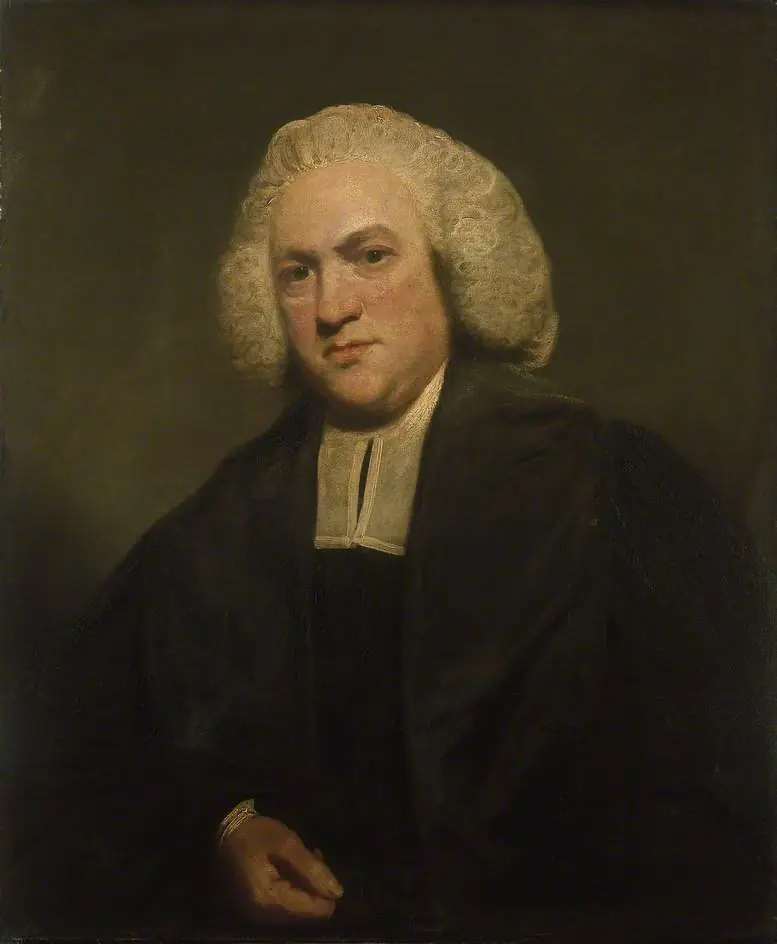 Dr Joseph Warton
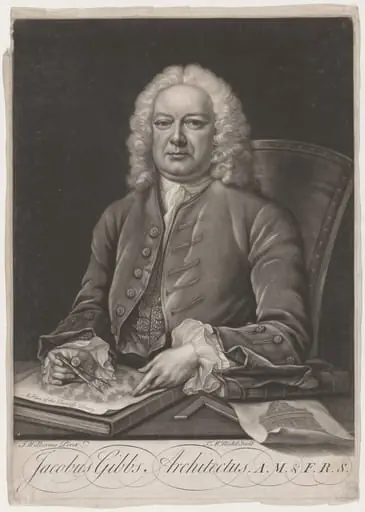 James Gibbs, Architect
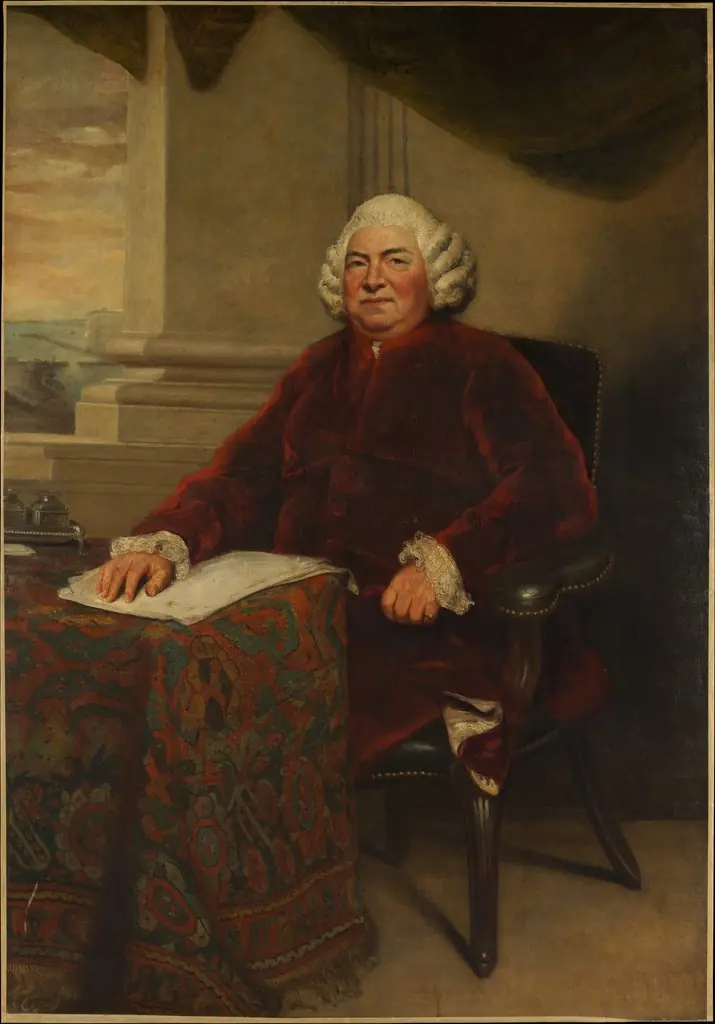 John Barker (1707–1787)
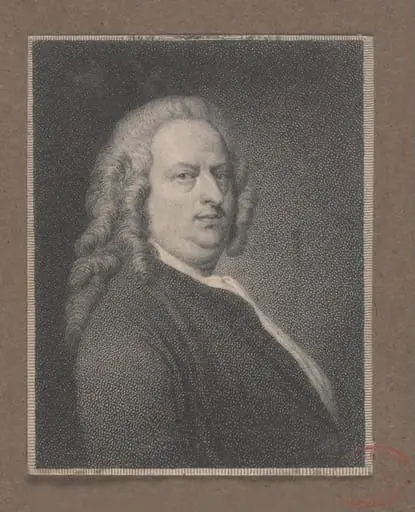 James Quin
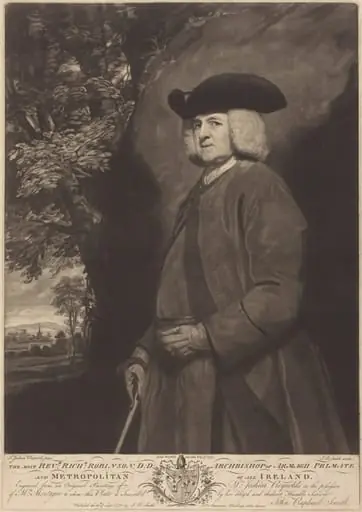 Richard Robinson
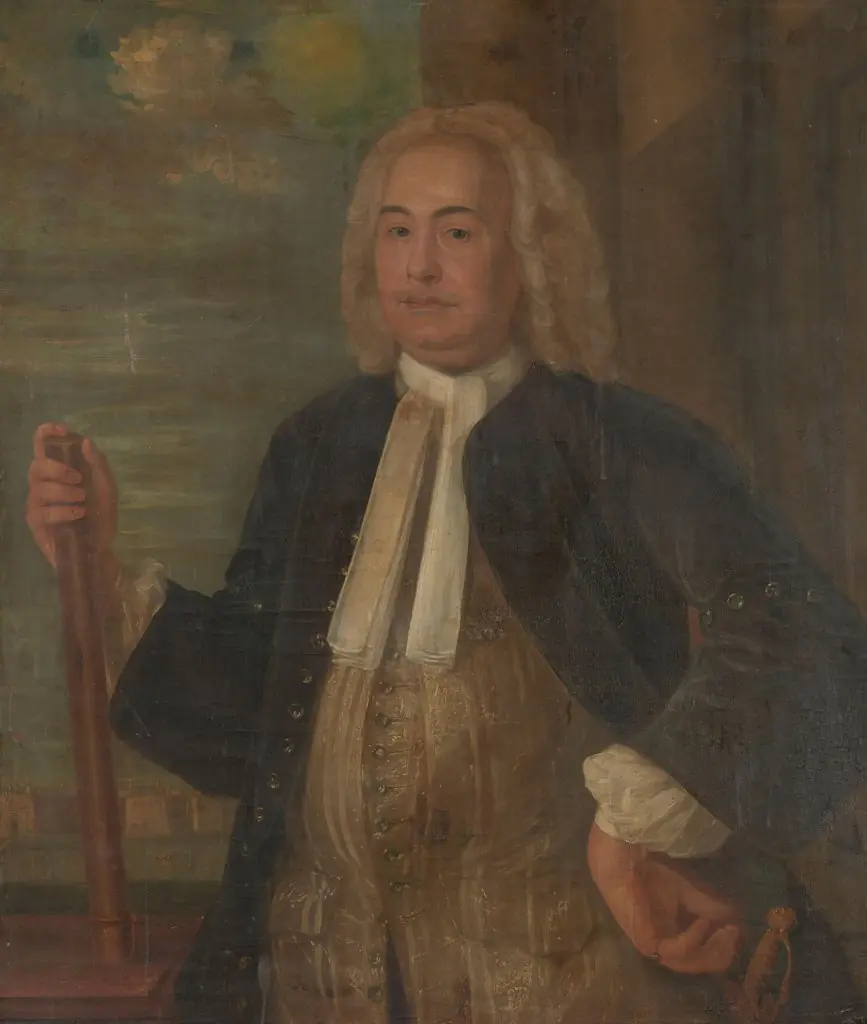 Portrait of Johannes Thedens, Governor-General of the Dutch East India Company
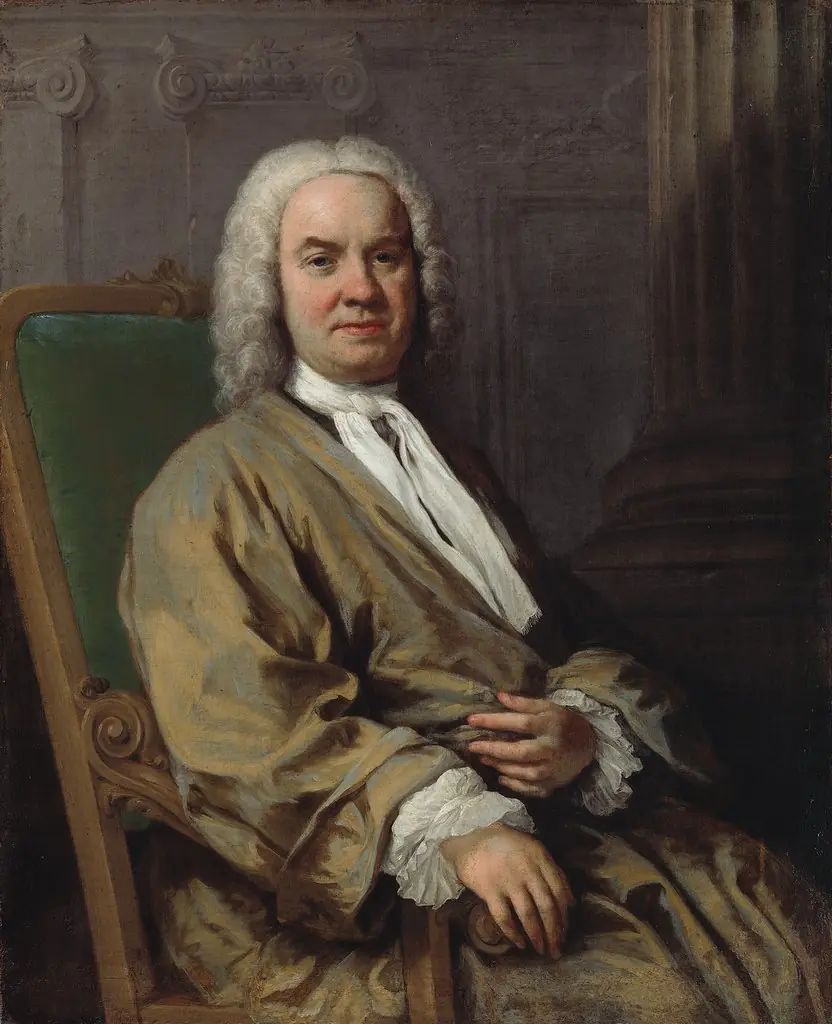 Portrait of Sigismund Streit
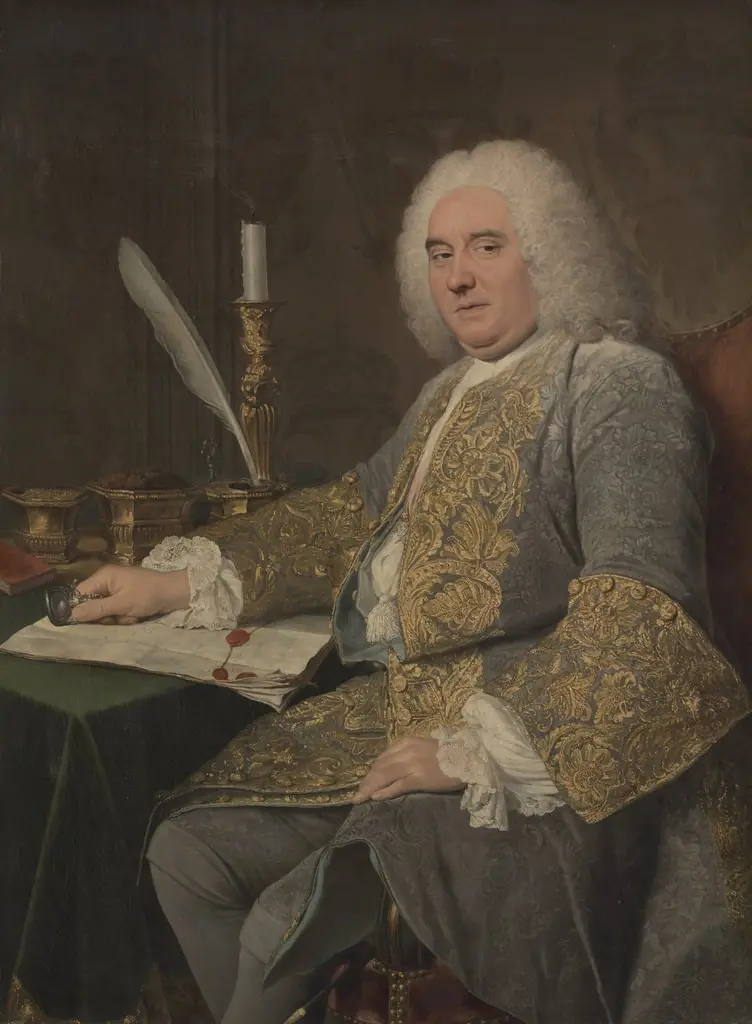 Portrait of Jean-Gabriel du Theil at the Signing of the Treaty of Vienna
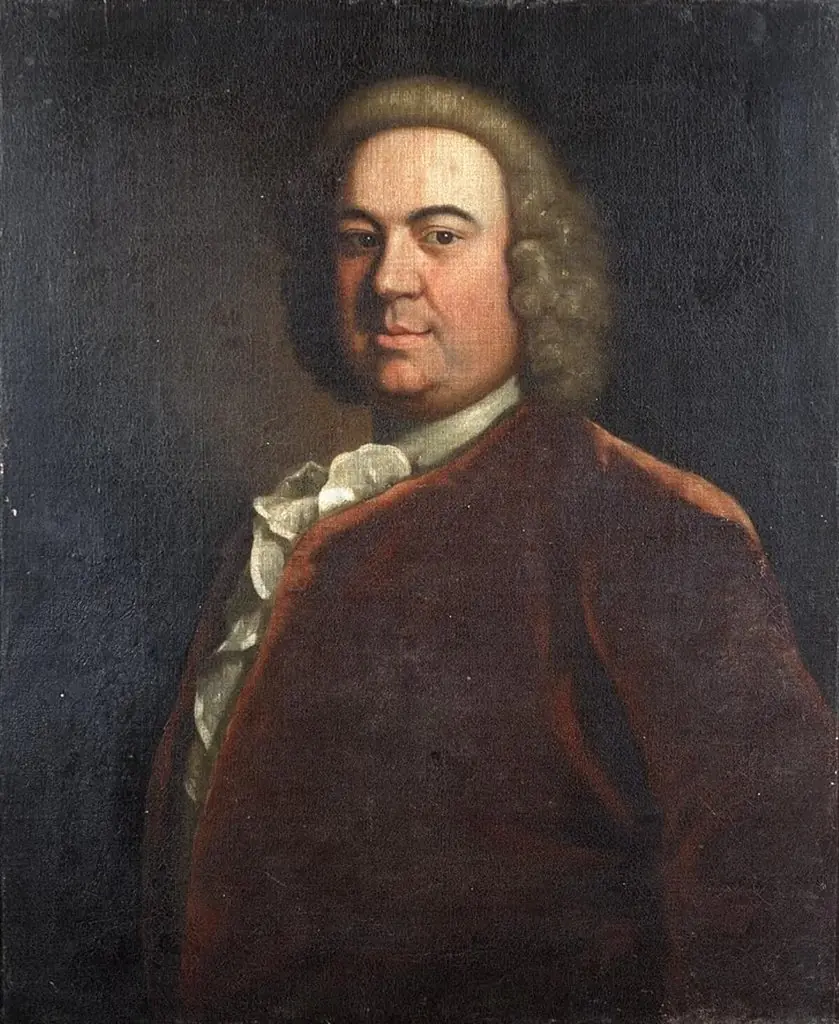 Morgan Lloyd Esq
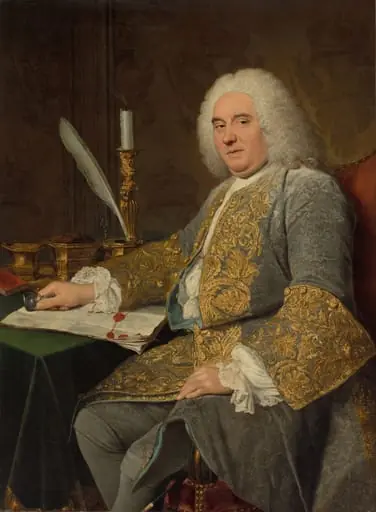 Portrait of Jean-Gabriel du Theil at the Signing of the Treaty of Vienna