Artwork
Rucellai Madonna
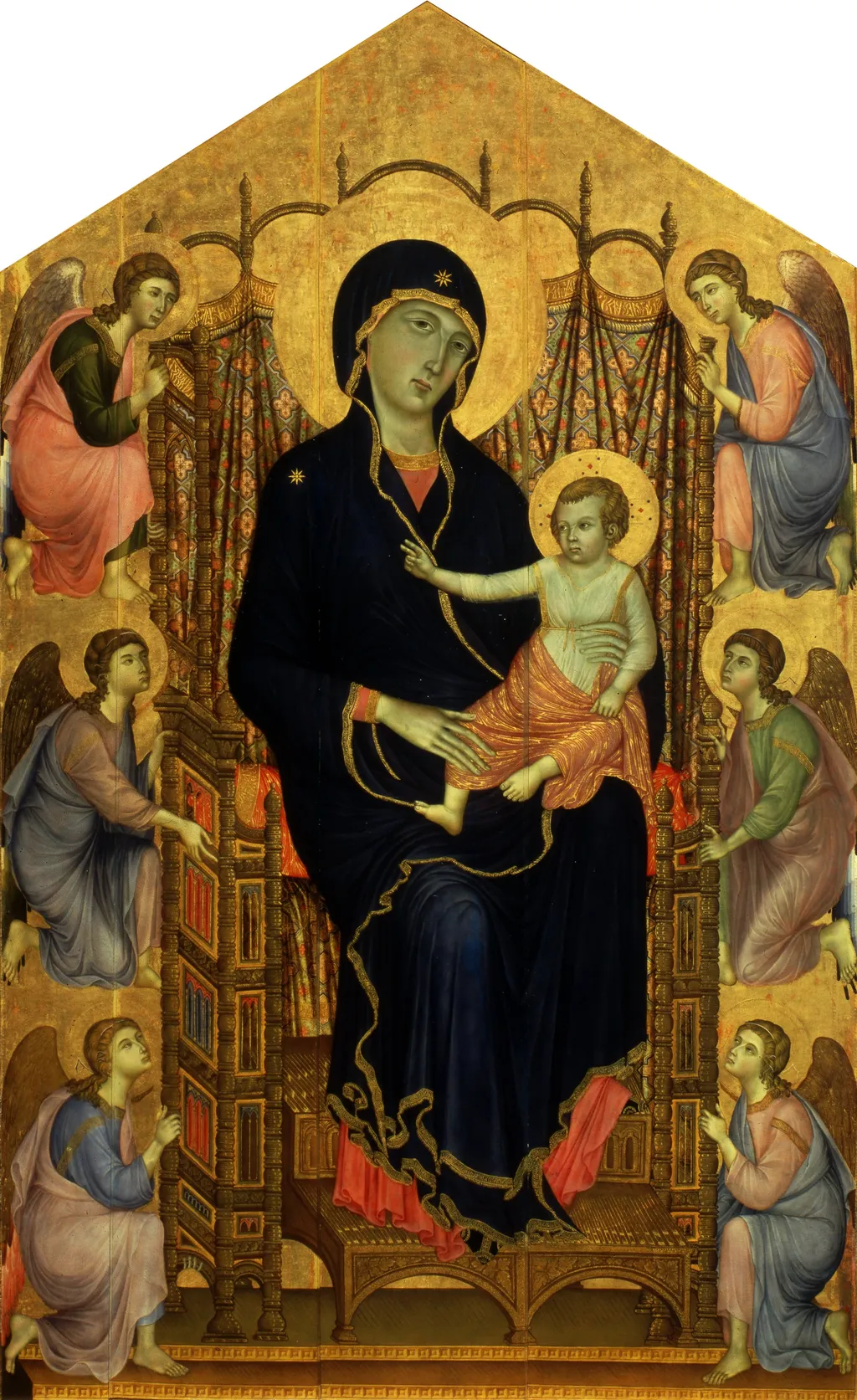
Rucellai Madonna is a tempera painting by the Byzantine icon painting artist Duccio di Buoninsegna. It dates from 1293 and is held in the collection of the Uffizi Gallery.
About this work
Overview
The Rucellai Madonna is a large tempera panel painting created by Duccio di Buoninsegna, a Sienese artist, in the late 13th century. It is one of the largest surviving panel paintings from this period.
Subject & Meaning
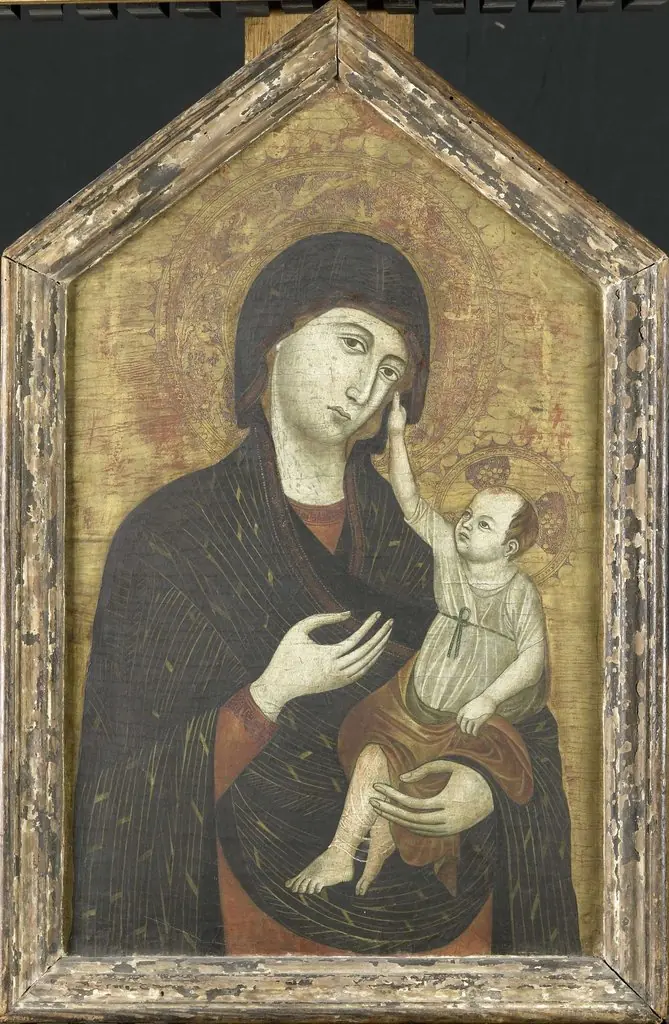
The painting depicts the Virgin Mary enthroned with the Christ Child, surrounded by adoring angels. Mary wears a dark blue robe with gold trim, while the Christ Child is dressed in white and red. The scene is set against a gold background, evoking a sense of reverence and devotion.
Technique & Style
The Rucellai Madonna is characterized by its Byzantine-inspired style, with intricate details and a sense of depth. The use of tempera on panel allows for delicate rendering of the figures and their clothing, creating a richly textured and dimensional effect.
History & Provenance
Commissioned by the Laudesi confraternity of Florence in 1285, the painting was likely completed in 1286 for their chapel in Santa Maria Novella. It was later moved to the Rucellai family chapel in 1591 and eventually transferred to the Galleria degli Uffizi in the 19th century.
Artist & collection


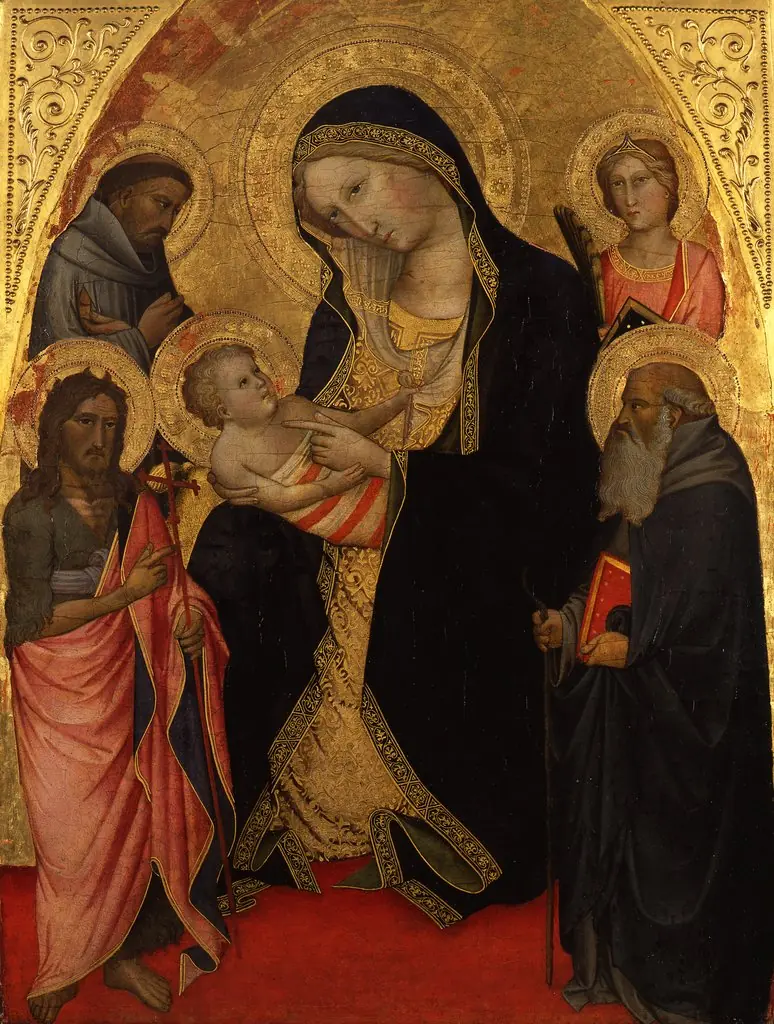 Madonna with the child, St. John the Baptist, St. Francis and St. Anthony and a martyr
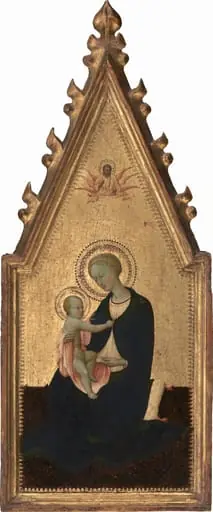 Madonna of Humility
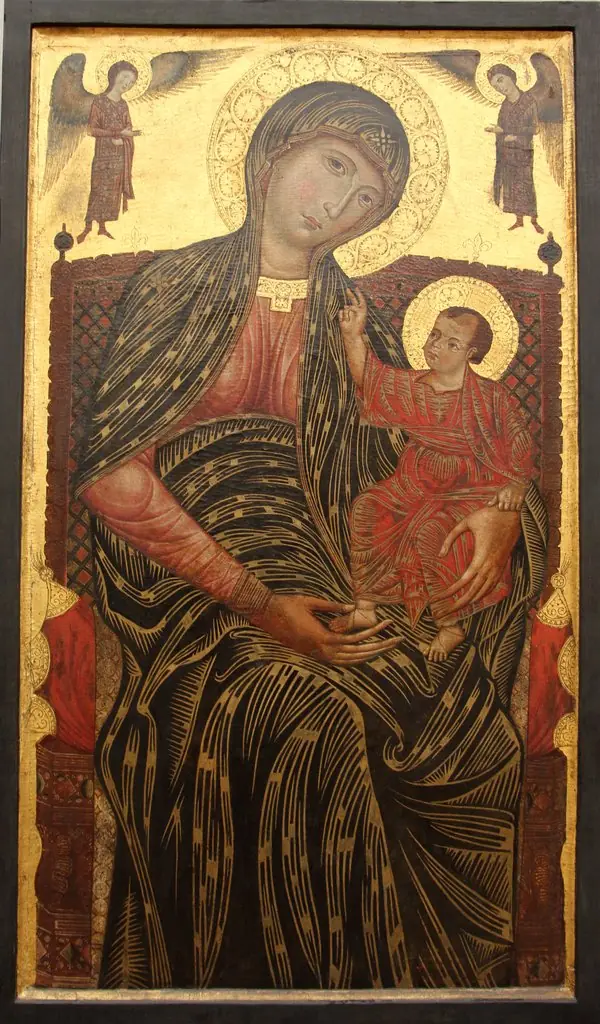 Madonna enthroned with two angels
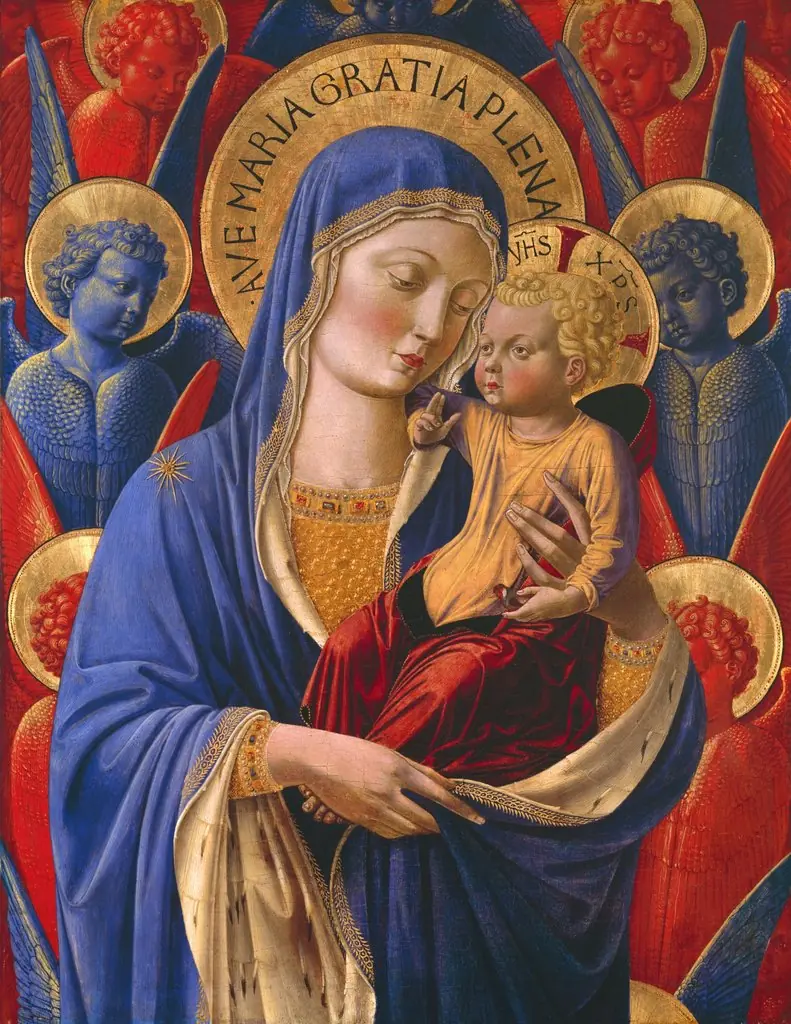 Virgin and Child with Angels
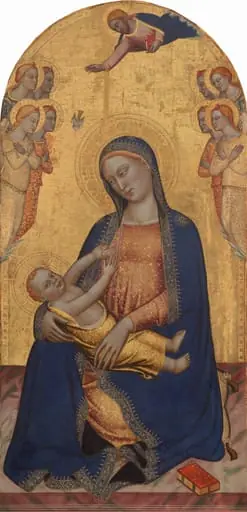 Madonna and Child with God the Father Blessing and Angels
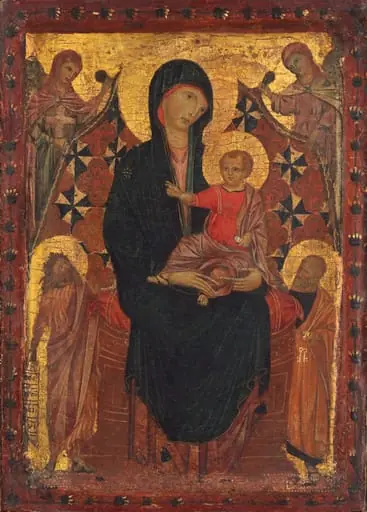 Madonna and Child with Saint John the Baptist, Saint Peter, and Two Angels
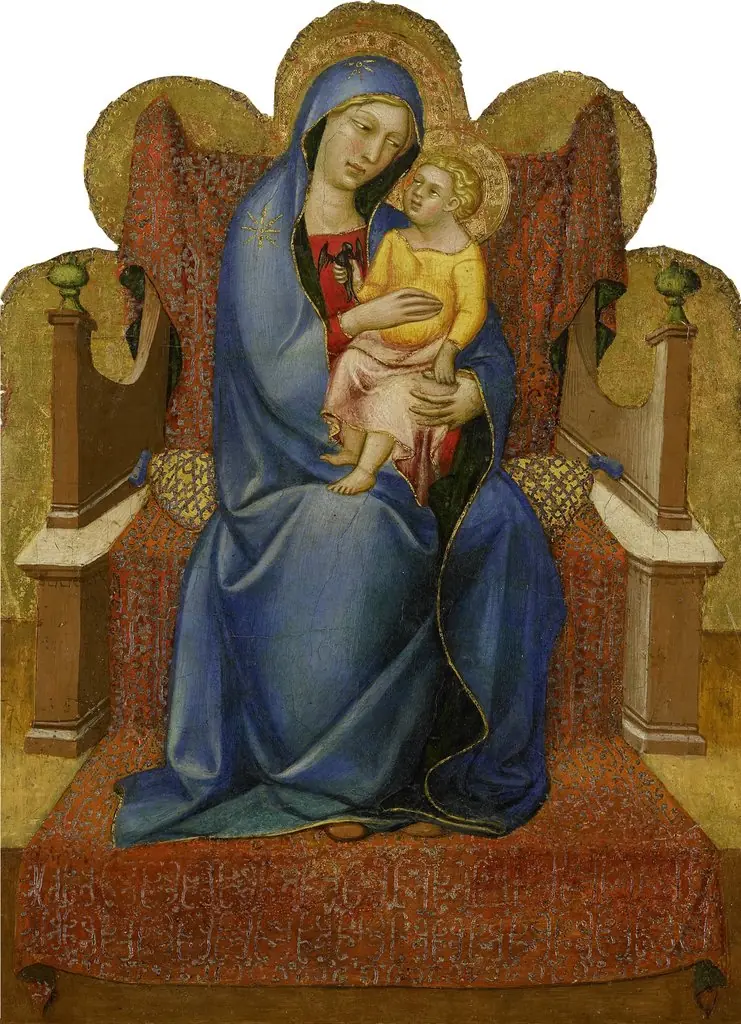 Virgin and Child
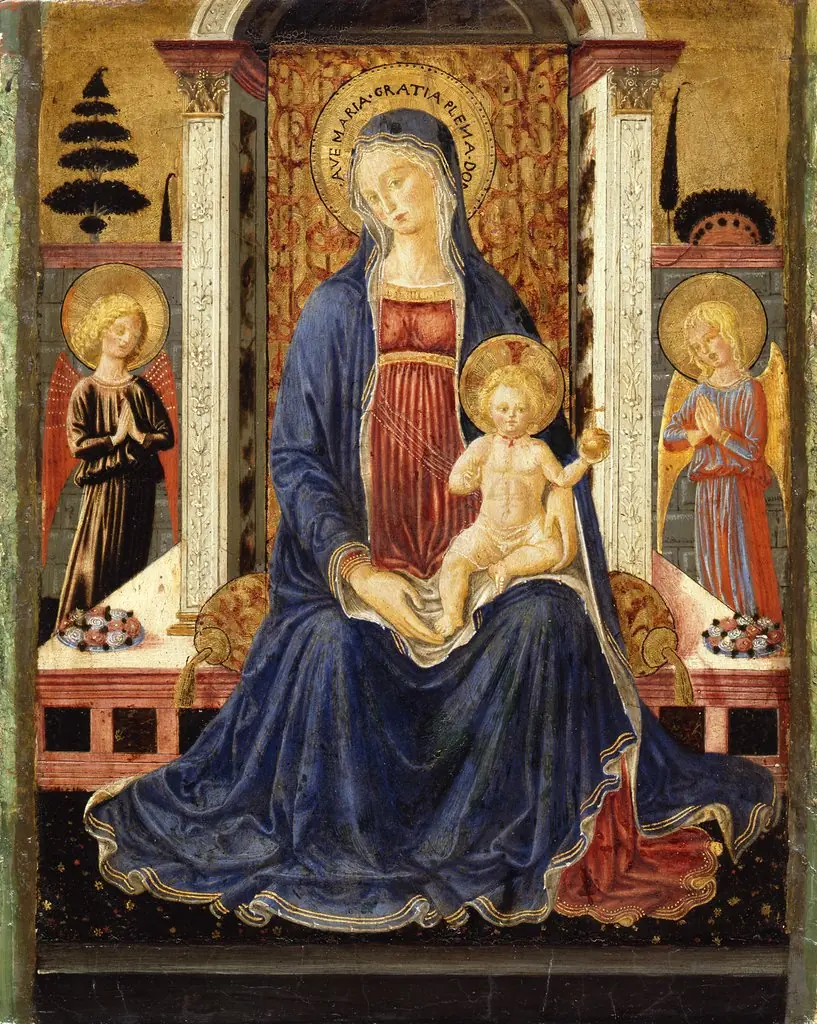 The Virgin and Child enthroned with two angels
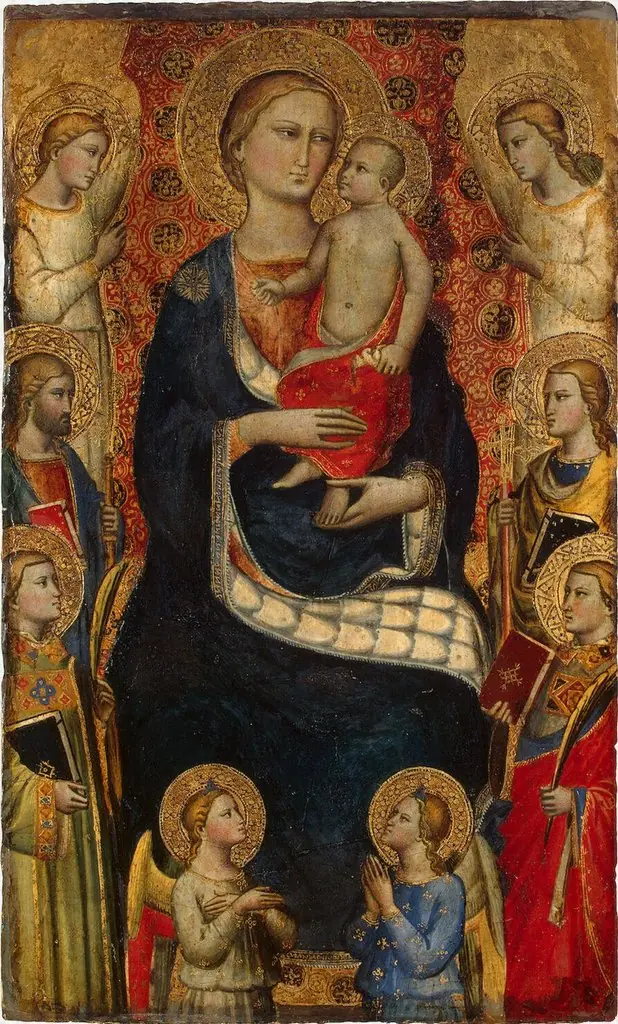 Madonna and Child, Four Saints and Four Angels
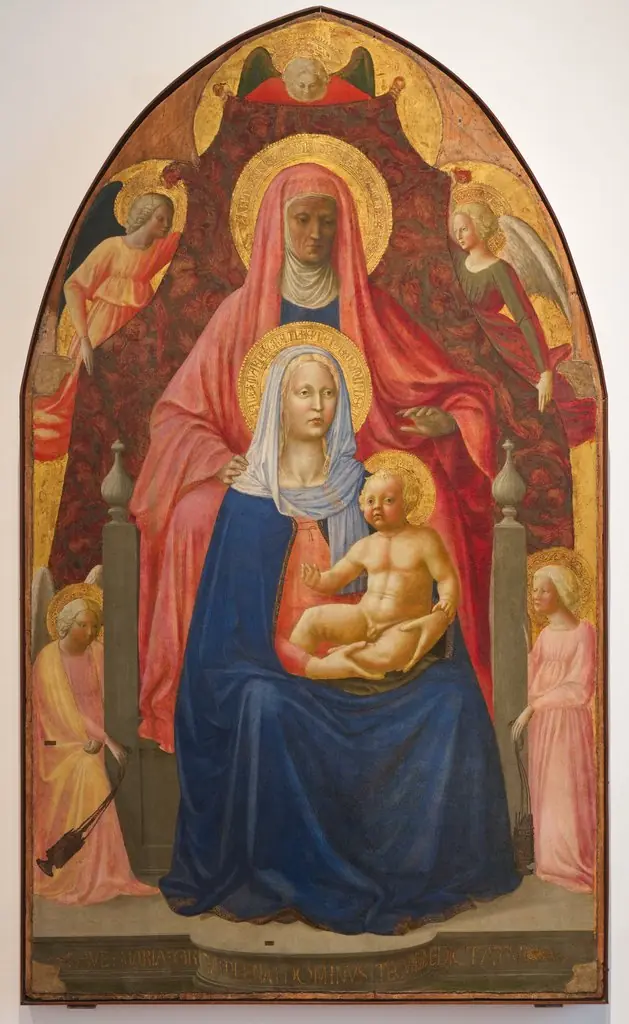 Virgin and Child with Saint Anne
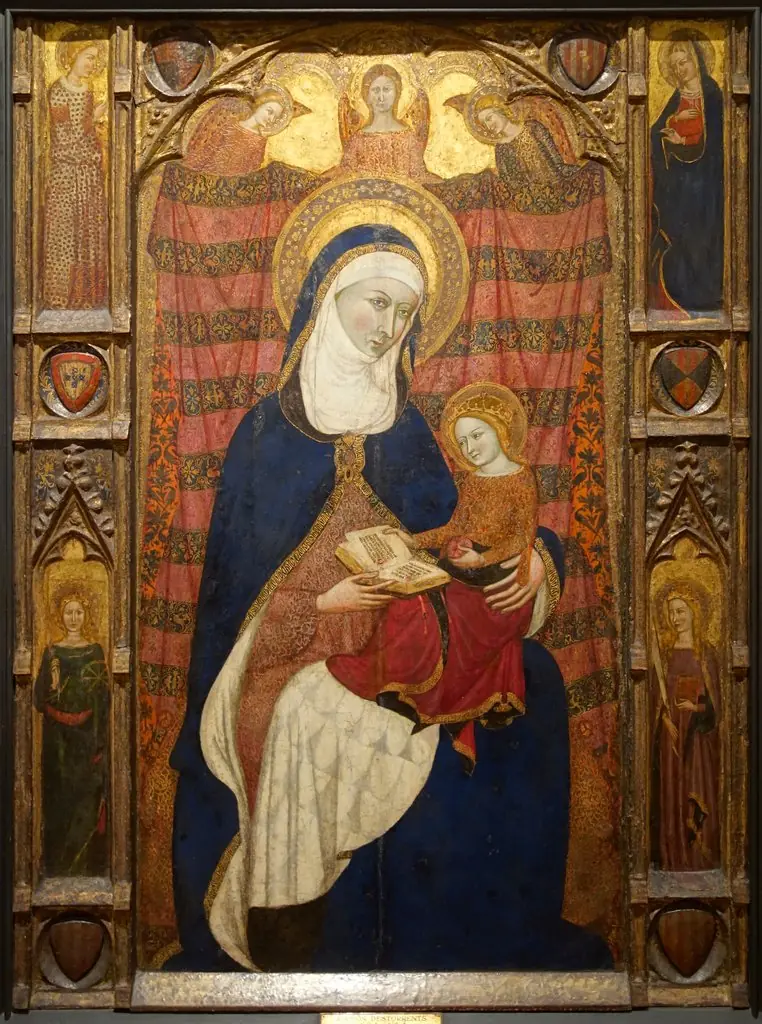 Retaule de Santa Anna i la Mare de Déu
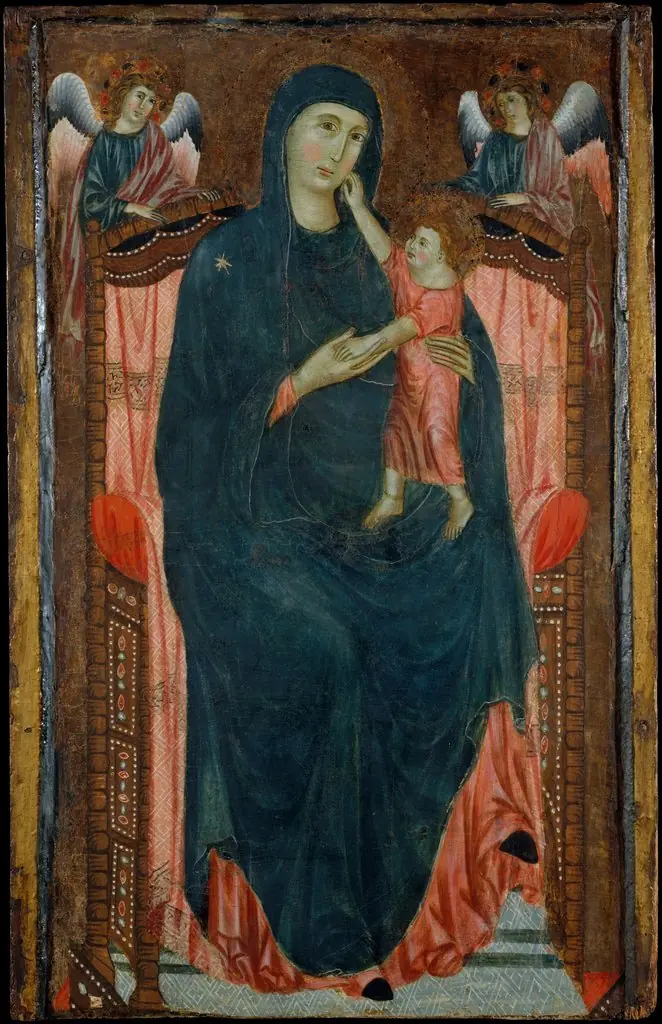 Madonna and Child Enthroned with Angels