Artwork
The Martyrdom of Saint John the Evangelist
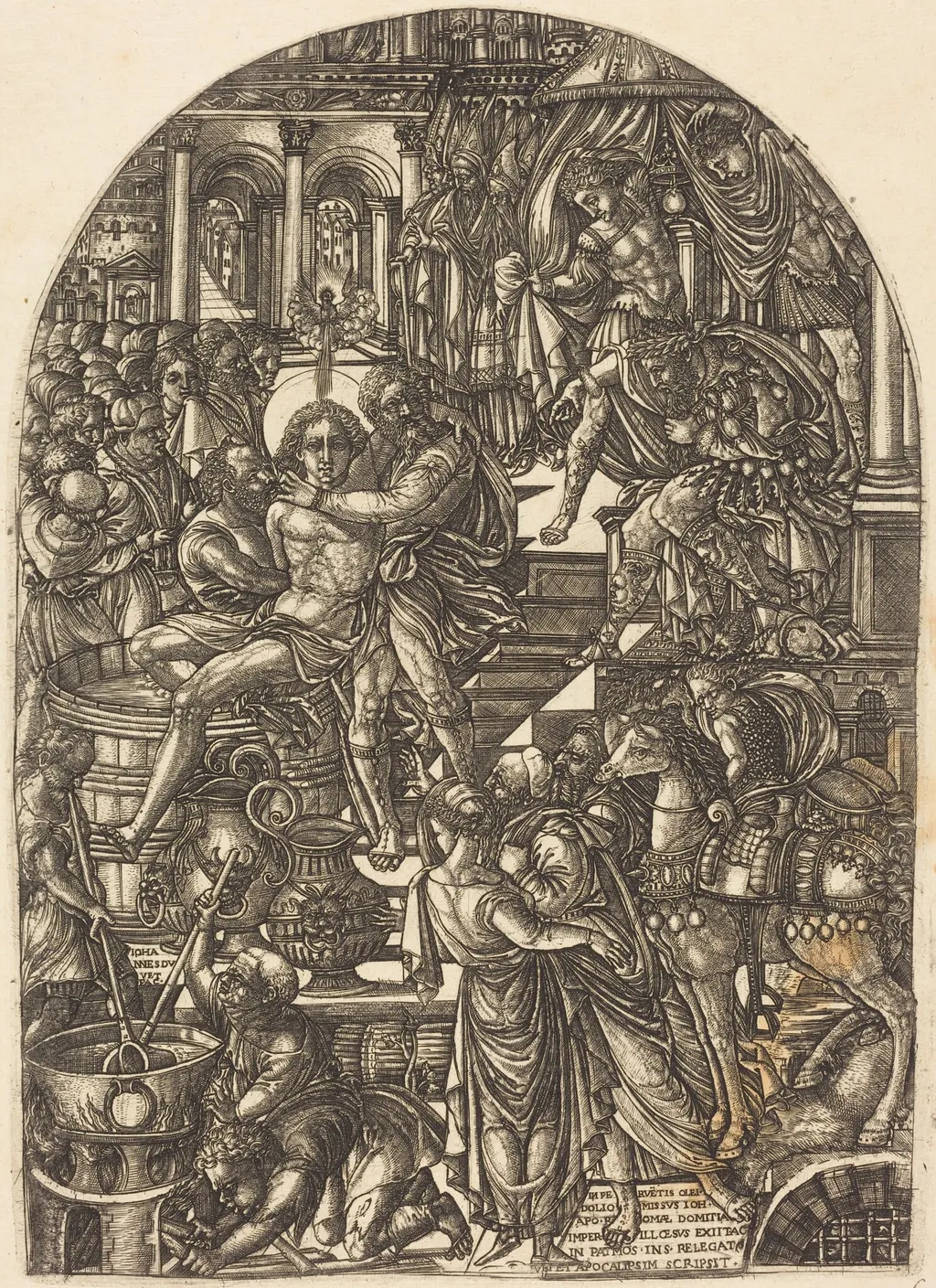
The Martyrdom of Saint John the Evangelist is an ink print by the Renaissance artist Jean Duvet. It dates from 1551 and is held in the collection of the National Gallery of Art.
About this work
Overview
Executed on laid paper, the work exemplifies Duvet’s distinctive style: densely packed scenes, intricate line work, and a focus on intense religious narratives.
Created in 1551, this engraving by Jean Duvet is one of approximately 73 known plates by the French artist, who worked primarily as a goldsmith before turning to printmaking. Executed on laid paper, the work exemplifies Duvet’s distinctive style: densely packed scenes, intricate line work, and a focus on intense religious narratives. Unlike the polished clarity of many Italian Renaissance prints, Duvet’s approach feels urgent and idiosyncratic, rooted in personal devotion rather than academic convention.
Subject & Meaning
The scene depicts the traditional legend of Saint John the Evangelist surviving an attempt to martyr him by boiling oil, here reimagined as a violent, nail-driven execution. The central figure, stripped and pinned to a stone surface, is surrounded by armed soldiers and onlookers whose varied reactions—shock, indifference, reverence—heighten the emotional tension. The architectural backdrop, including a throne and stairways filled with figures, suggests divine judgment unfolding within a worldly setting, reinforcing the spiritual stakes of the moment.
Technique & Style
Duvet employed fine, controlled engraving lines to model form and texture, creating a striking sense of volume in flesh, armor, and drapery without color or tone. His use of cross-hatching and dense linear patterns builds shadow and depth, while the chaotic arrangement of figures avoids classical balance. The result is a work that feels both meticulously crafted and emotionally raw, with a rhythmic energy that draws the eye across the crowded composition.
History & Provenance
Jean Duvet, active from the late 15th century into the 1560s, was among the earliest French artists to produce original prints as standalone works rather than reproductive copies. This engraving, dated 1551, reflects his mature style and was likely circulated among collectors and religious communities in France. Few of his prints survive in large numbers, and this piece remains a rare example of his independent vision during a period dominated by Italian and Northern European print traditions.
Context
In mid-16th-century France, religious imagery was shaped by both Catholic orthodoxy and rising Protestant critiques. Duvet’s graphic depiction of martyrdom aligns with Counter-Reformation emphases on suffering and faith, yet his unconventional composition and emotional intensity set him apart from official ecclesiastical art. His work emerged in a cultural moment when printmaking was becoming a vehicle for personal expression, allowing artists like him to bypass traditional patronage systems.
Legacy
Duvet’s prints, including this one, were largely overlooked until the 19th century, when their expressive force attracted attention from Romantic and Symbolist artists. His disregard for classical proportion and his emphasis on inner spiritual turmoil anticipated later movements, notably the work of William Blake. Though never widely popular in his lifetime, Duvet’s engravings are now recognized for their unique voice within Renaissance printmaking, offering a deeply individual response to sacred narrative.
Artist & collection

Artist
Jean Duvet (1485 – after 1562) was a French Renaissance goldsmith and engraver, now best known for his engravings.

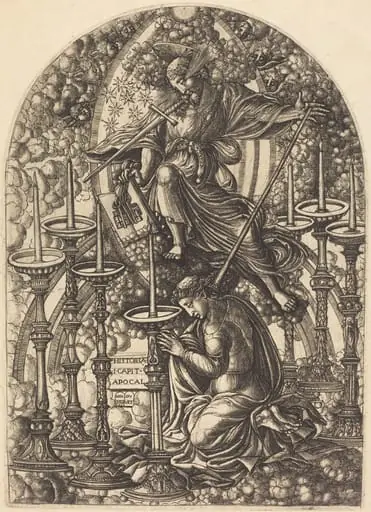
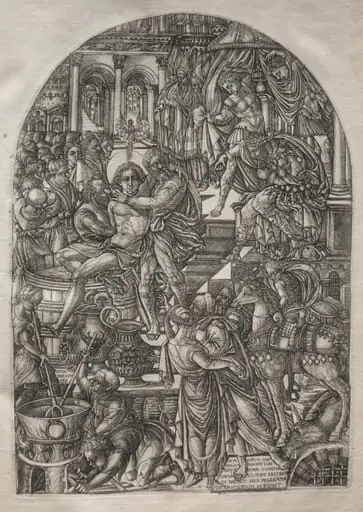 The Apocalypse: The Martyrdom of St. John the Evangelist
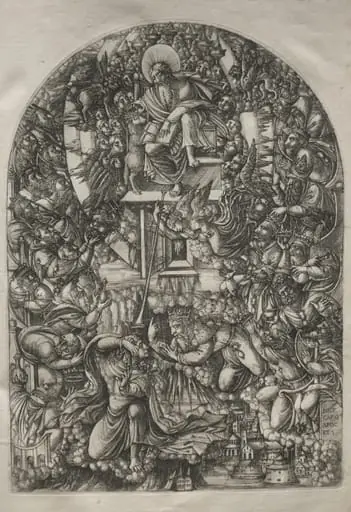 The Apocalypse: St. John Summoned to Heaven
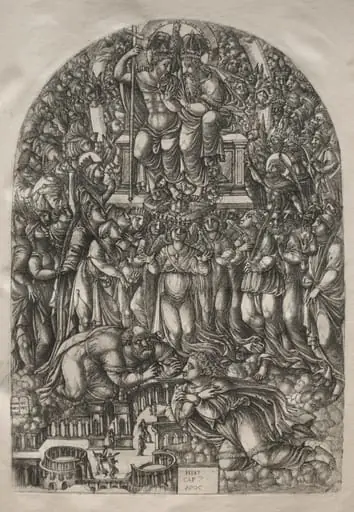 The Apocalypse: An Innumerable Multitude Which Stand before the Throne
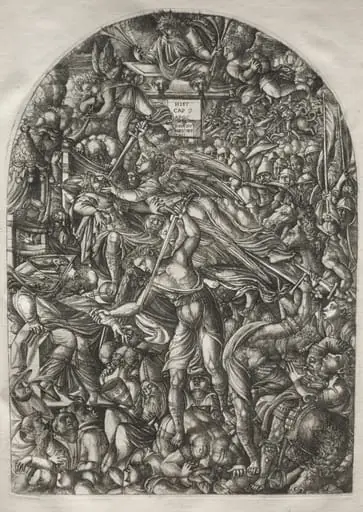 The Apocalypse: The Angel Sounding the Sixth Trumpet
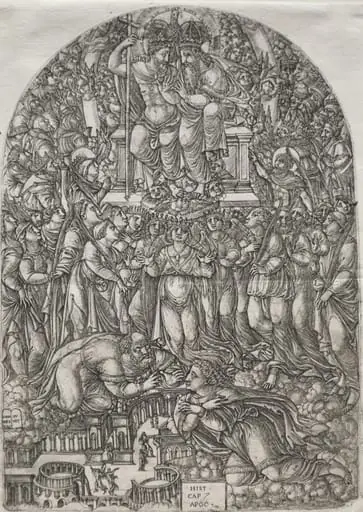 The Apocalpse: An Innumerable Multitude which stand before the Throne
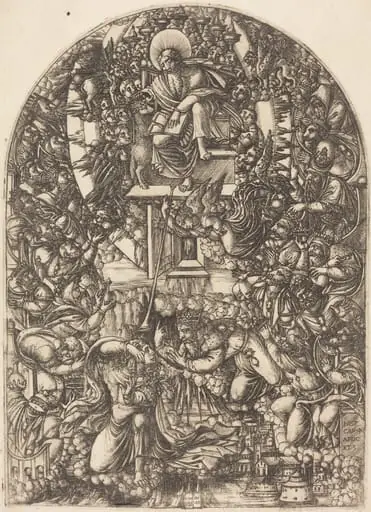 Saint John Summoned to Heaven
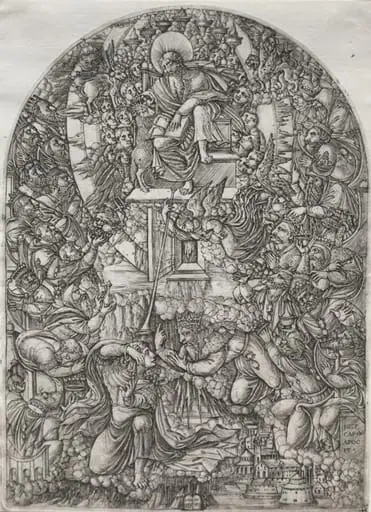 The Apocalpse: St. John Summoned to Heaven
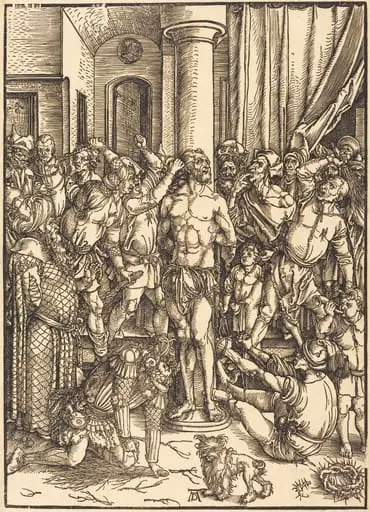 The Flagellation
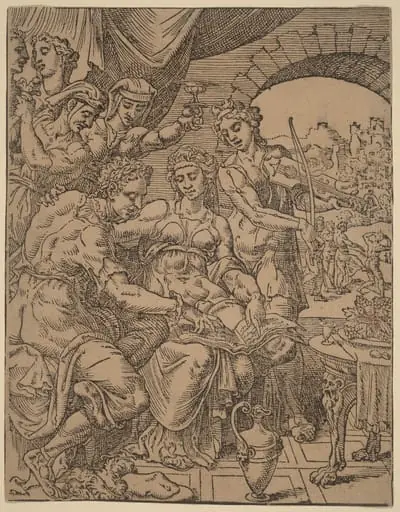 The Prodigal Son Squandering His Inheritance on Harlots
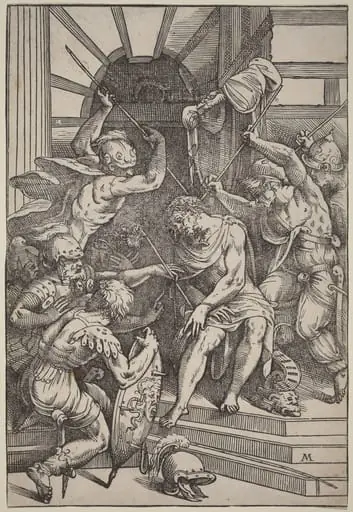 Christ Crowned with Thorns
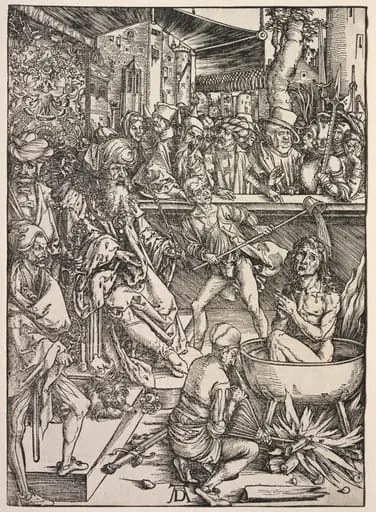 Revelation of St. John: Martyrdom of St. John