Artwork
The Dance
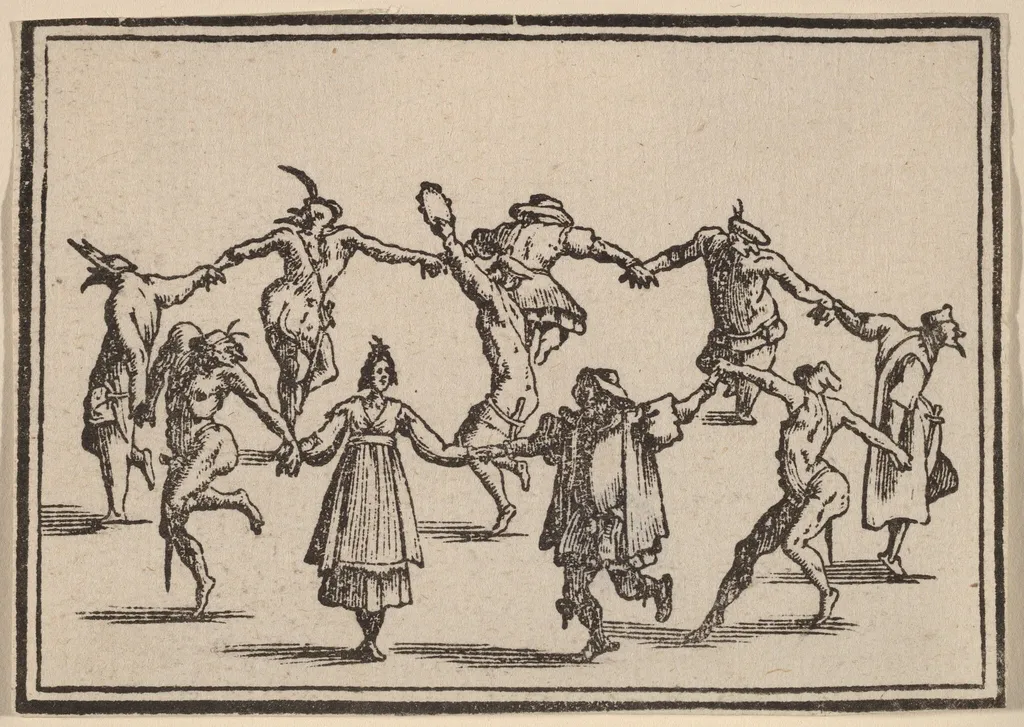
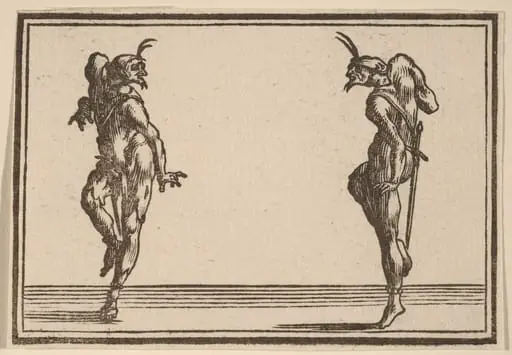
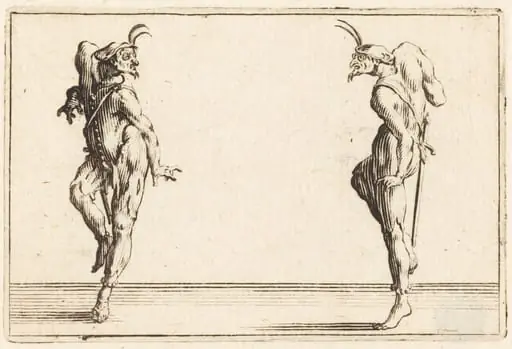
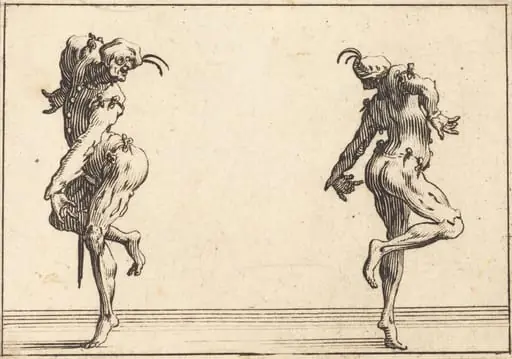
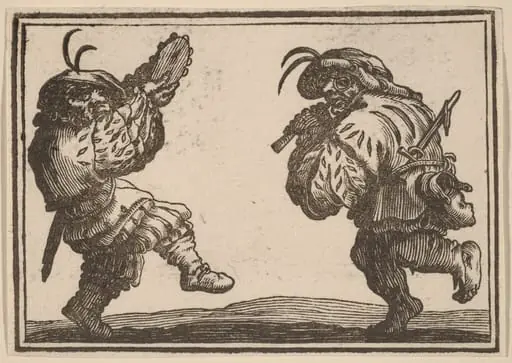
The Dance is an ink print by the Baroque artist Edouard Eckman. It dates from 1621 and is held in the collection of the National Gallery of Art.
About this work
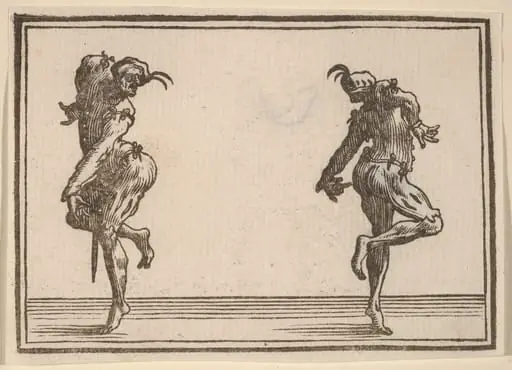
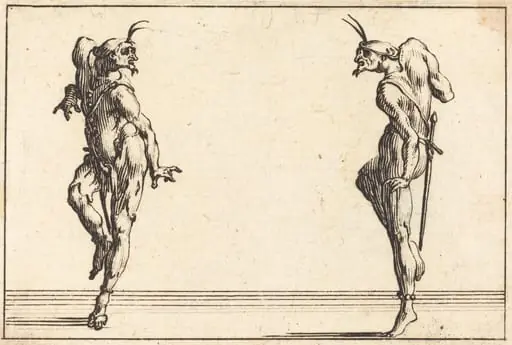
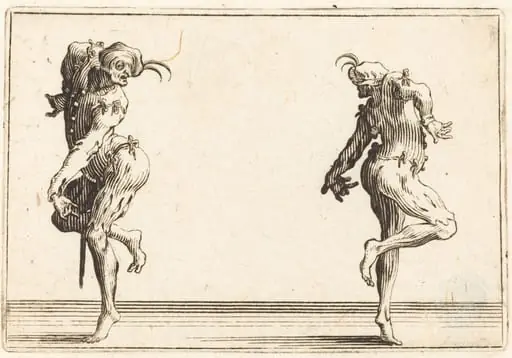
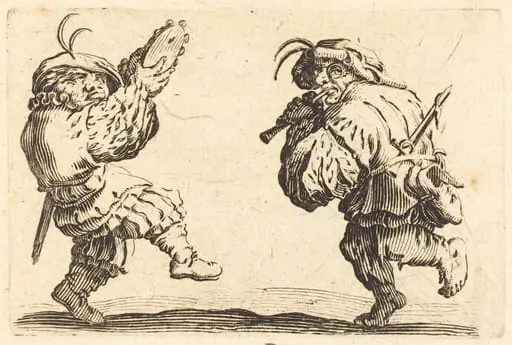
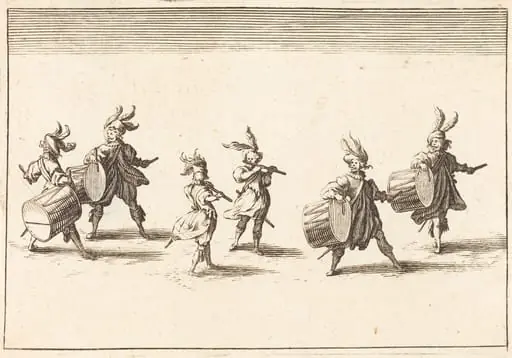
This small woodcut shows three men dancing in a circle. Their clothes look stiff, not flowing. One man holds a stick while the others clap.
This was made in 1621 by Edouard Eckman. It’s a rare look at a simple folk dance from early 1600s France. The lines are sharp but the scene feels stiff, like the dancers don’t bend much.
See how Eckman’s woodcut compares to Albrecht Dürer’s work.
Overview
The work titled *The Dance* is a woodcut print executed on laid paper. Produced in 1621 by the French engraver Edouard Eckman, the image measures only a few centimeters across, reflecting the modest scale typical of early seventeenth‑century folk prints.
Subject & Meaning
The composition depicts three male figures arranged in a circular formation, each engaged in a simple dance. One participant grips a slender stick, while the others appear to clap their hands. The attire is rendered with rigid lines, suggesting formal costume rather than flowing movement, and the scene conveys a straightforward, communal celebration.
Technique & Style
Eckman employed the traditional woodcut method, carving the design into a block of wood and pressing ink onto laid paper. The carving is characterized by crisp, angular lines that define the figures and their garments. The overall effect is stark and graphic, emphasizing outline over subtle shading, which contributes to the work’s austere visual tone.
History & Provenance
Created in the early 1620s, the print is among the relatively few surviving examples of Eckman’s output, a period when French printmakers were beginning to document everyday life. Its rarity is heightened by the limited circulation of such folk subjects, and the piece has passed through several private collections before entering a public institution.
Context
*The Dance* offers a glimpse into popular recreational practices in early modern France, a subject less frequently portrayed by contemporary artists who favored religious or aristocratic themes. Its straightforward representation invites comparison with the more elaborate woodcuts of Albrecht Dürer, highlighting differing aesthetic priorities between Northern Renaissance masters and French vernacular printmakers of the 1600s.
Artist & collection