Artwork
Rocca Giovane
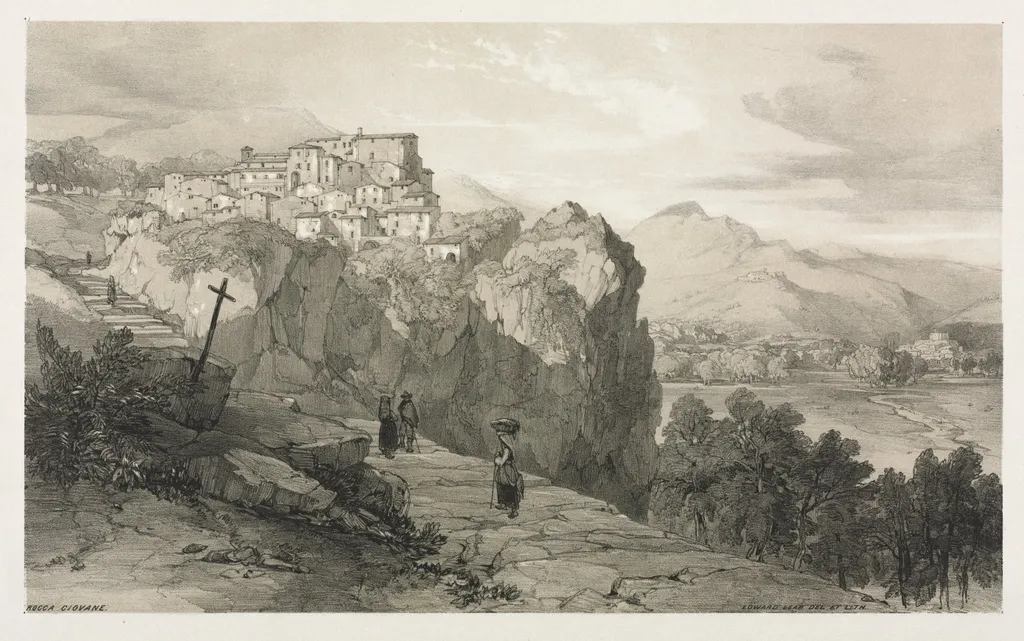
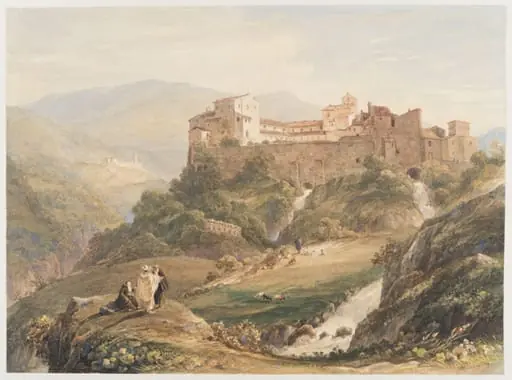
Rocca Giovane is a print by the Romanticist artist Edward Lear. It dates from 1841 and is held in the collection of the Cleveland Museum of Art.
About this work
Overview
The work captures a secluded hillside settlement with precise observation, reflecting Lear’s commitment to recording real landscapes rather than idealized ones.
Rocca Giovane is a pencil and watercolor drawing by Edward Lear, completed in 1841 during his travels through Italy. It belongs to a series of topographical studies he produced while journeying across the peninsula, later used as references for published illustrated travel books. The work captures a secluded hillside settlement with precise observation, reflecting Lear’s commitment to recording real landscapes rather than idealized ones.
Subject & Meaning
The scene portrays a modest village clinging to a rugged slope, accessible by a narrow path that winds upward. A solitary cross on a rock and two figures—one carrying a bundle, the other in a broad hat—suggest quiet human presence amid isolation. The composition evokes stillness and remoteness, emphasizing the relationship between human habitation and untamed terrain, without overt narrative or symbolism.
Technique & Style
Lear employed fine pencil lines to define the fractured rock surfaces, layered with translucent watercolor washes to suggest atmospheric depth and light. The texture of the stone is rendered with careful hatching, while the sky is softly graded to imply cloud cover. His method prioritizes accuracy over embellishment, aligning with his scientific approach to landscape documentation rather than romantic dramatization.
History & Provenance
Created during Lear’s extended Italian tour in the early 1840s, the drawing was likely made on-site and later refined in his studio. It was included in his 1843 publication *Illustrated Excursions in Italy*, which compiled his sketches into a travelogue. The work remained in private collections after publication, eventually entering institutional holdings where it is now preserved as part of his documentary legacy.
Context
Lear worked at a time when travel in southern Europe was becoming more accessible to British artists and scholars. His drawings contributed to a growing interest in topographical accuracy, distinct from the emotional intensity of Romantic painting. While contemporaries like Turner emphasized mood, Lear focused on record-keeping, offering a quiet, observational alternative within 19th-century landscape art.
Legacy
Though best known for his nonsense verse, Lear’s topographical drawings are regarded as significant contributions to Victorian visual culture. His meticulous field studies provided valuable records of Italian architecture and terrain before modernization. These works influenced later generations of illustrators and travel writers who valued precision and restraint over theatricality.
Artist & collection
Artist
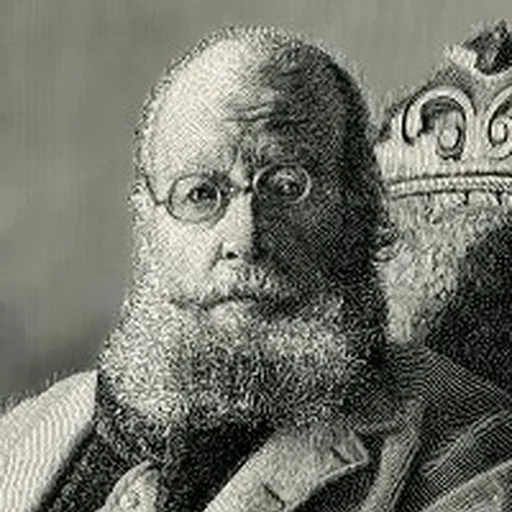
Edward Lear (12 May 1812 – 29 January 1888) was an English artist, illustrator, musician, author and poet, who is known mostly for his literary nonsense in poetry and prose and especially his limericks, a form he popularised but which term…

 Italian landscape
 Ovindoli negli Abruzzi
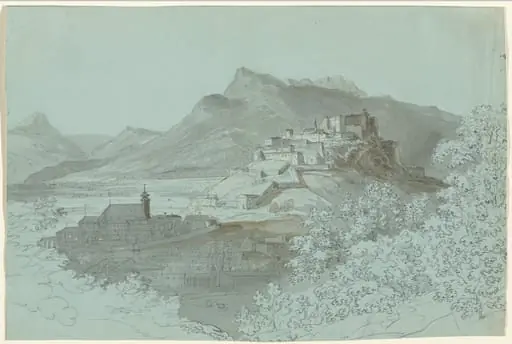 View of Salzburg
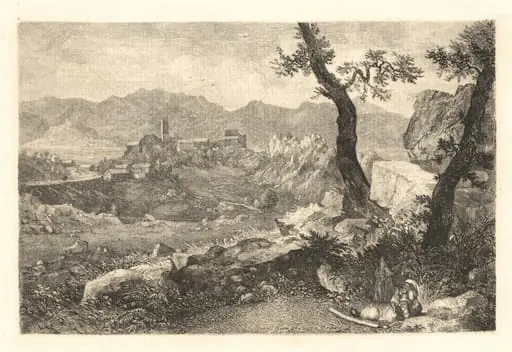 A View near Rome
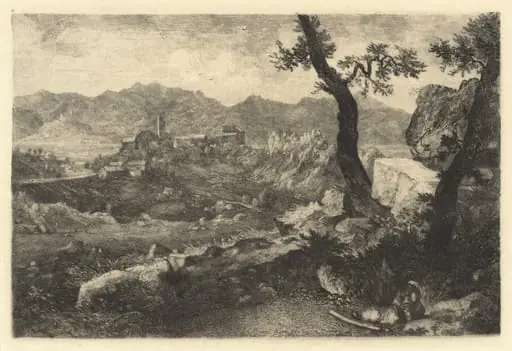 A View Near Rome
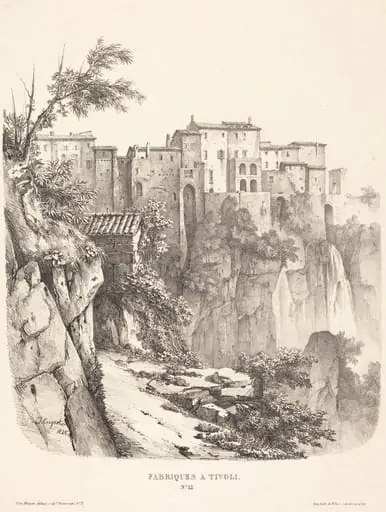 Fabriques à Tivoli (Buildings at Tivoli)
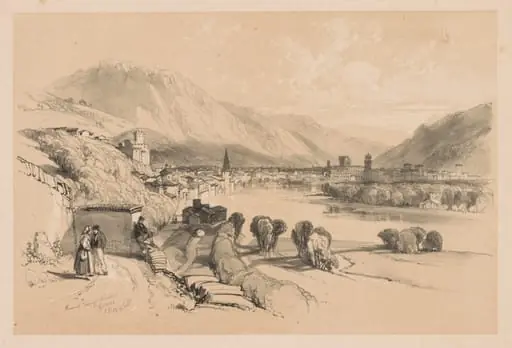 Sketches at Home and Abroad: General View of Trento
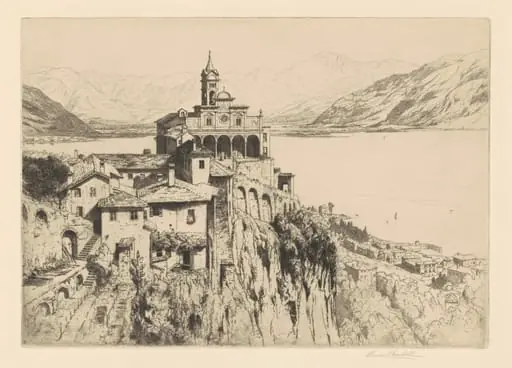 Santa Maria del Sasso, Locarno
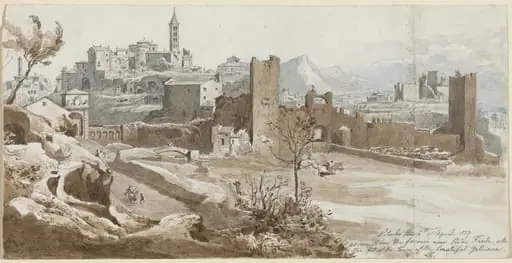 Viterbo
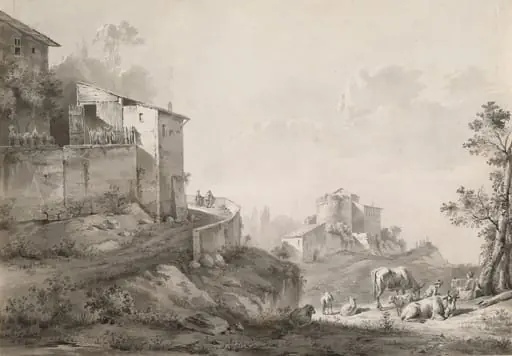 A Sunlit Landscape with Hilltop Houses
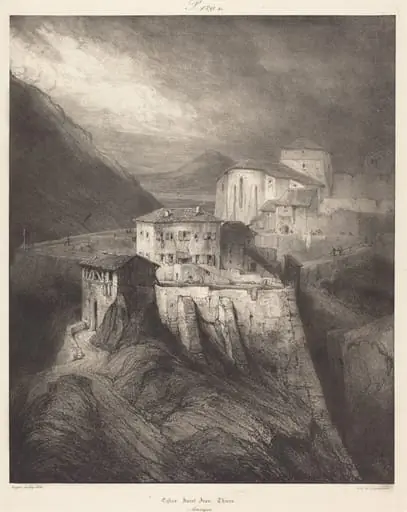 Eglise Saint-Jean, Thiers
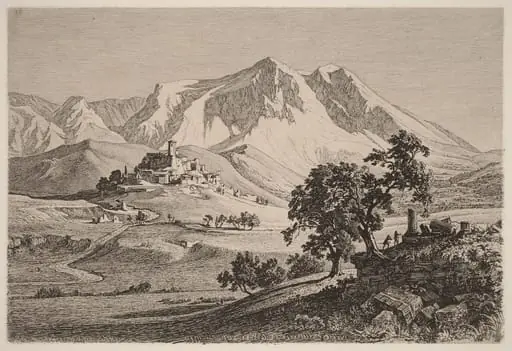 Veduta di Albe e Monte Velino negli Abruzzi