Artwork
Portfolio II, Plate 57
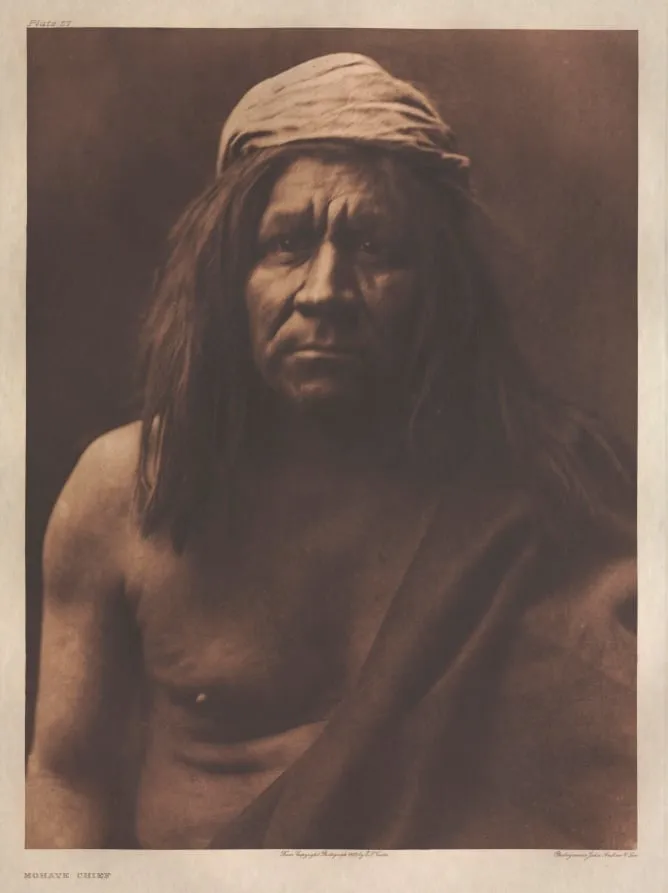
Portfolio II, Plate 57 is a work on paper by Edward S. Curtis. It dates from 1903 and is held in the collection of the Cleveland Museum of Art. Created in 1903 by Edward S.
About this work
Overview
The Cleveland Museum of Art holds this print, which exemplifies his methodical approach to capturing cultural figures during a period of rapid societal change.
Created in 1903 by Edward S. Curtis, this black-and-white photograph is Plate 57 from his Portfolio II series. It depicts a Mohave man, identified as a chief, in a formal portrait setting. The image is part of Curtis’s larger project to document Indigenous peoples of North America. The Cleveland Museum of Art holds this print, which exemplifies his methodical approach to capturing cultural figures during a period of rapid societal change.
Subject & Meaning
The subject is presented as a figure of authority, identified by the title 'Mohave Chief.' His composed posture, crossed arms, and direct gaze convey dignity and stillness. The absence of decorative regalia suggests a deliberate choice to emphasize personal presence over ceremonial display. The label reinforces his role within his community, though Curtis’s framing may reflect contemporary assumptions about leadership and authenticity.
Technique & Style
Curtis employed dramatic chiaroscuro lighting to isolate the subject against a dark backdrop, enhancing the sculptural quality of the face. The contrast between light and shadow draws attention to the contours of his features and the texture of his clothing. The soft focus and fine tonal gradations reflect the technical capabilities of large-format plate photography, typical of Curtis’s studio practice and his pursuit of a painterly aesthetic in photographic portraiture.
History & Provenance
This print originates from Curtis’s privately funded expedition to photograph Native American communities between 1900 and 1930. Plate 57 was produced as part of a limited subscription series, distributed to subscribers of his monumental work, The North American Indian. The Cleveland Museum of Art acquired the print as part of its broader collection of early 20th-century photographic documentation.
Context
Curtis worked during a time when federal policies were displacing Indigenous populations and suppressing traditional practices. His portraits were intended as ethnographic records, though they often omitted contemporary realities in favor of idealized, pre-contact imagery. This image reflects both the respect Curtis held for his subjects and the limitations of his romanticized vision, shaped by the cultural biases of his era.
Legacy
Though criticized for staging and omission, Curtis’s photographs remain significant as historical artifacts. This portrait contributes to a visual archive that continues to inform discussions about representation, identity, and cultural preservation. Today, it is viewed not only as a document of Mohave presence but also as a complex product of early 20th-century American ethnography and visual culture.
Artist & collection

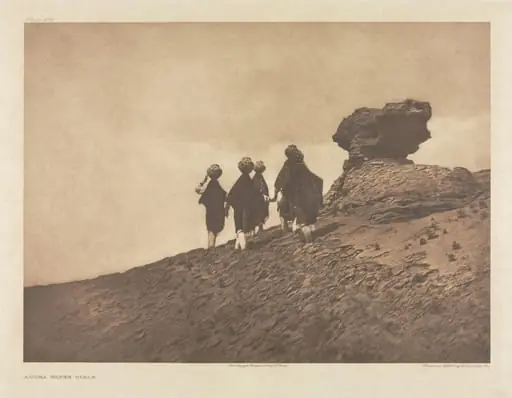 Portfolio XVI, Plate 573: Acoma Water Girls
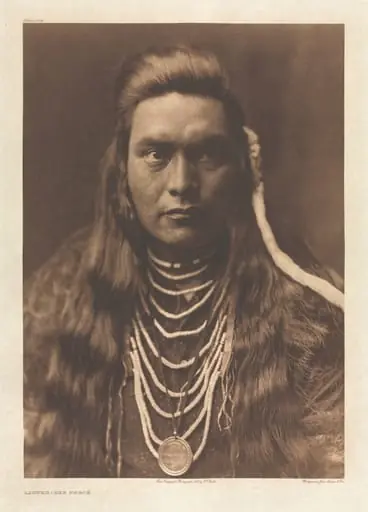 Portfolio VIII, Plate 264: Lawyer - Nez Percé
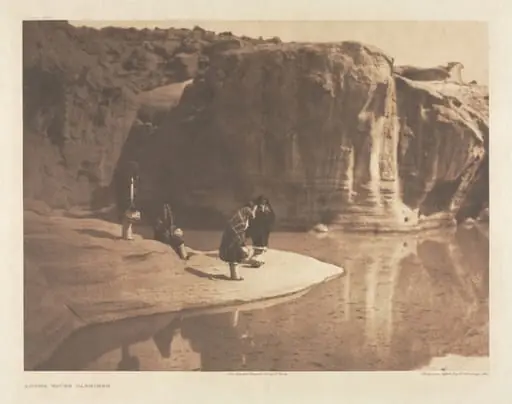 Portfolio XVI, Plate 568: Acoma Water Carriers
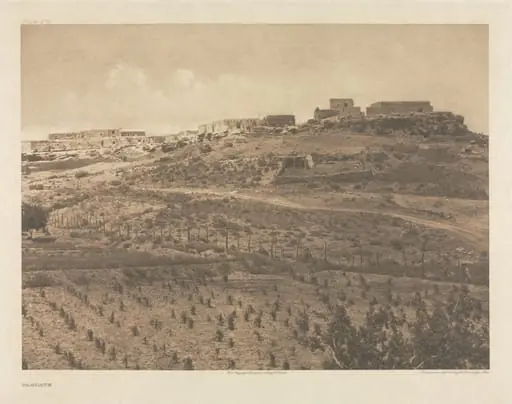 Portfolio XVI, Plate 574: Paguate
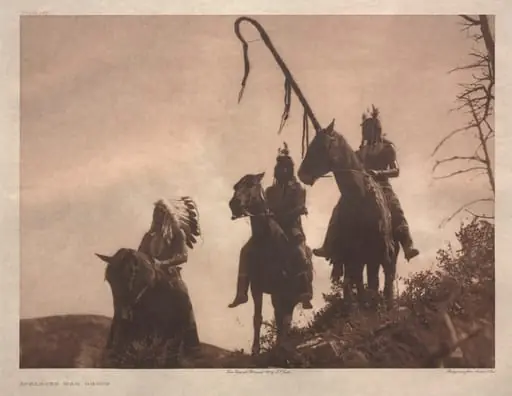 Portfolio IV, Plate 147: Apsaroke War Group
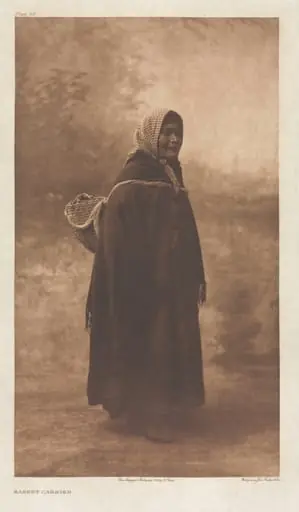 Portfolio IX, Plate 311: Basket Carrier
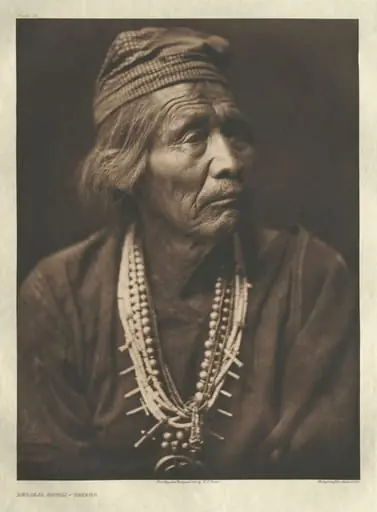 Portfolio I, Plate 31: Nesjája Hatáli-Navaho
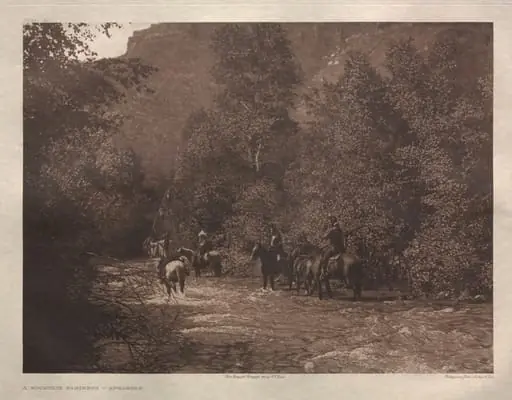 Portfolio IV, Plate 140: A Mountain Fastness--Apsaroke
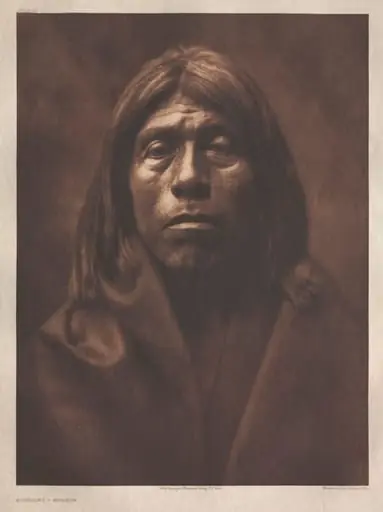 Portfolio II, Plate 60
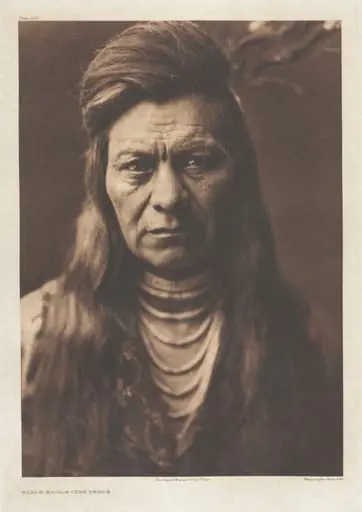 Portfolio VIII, Plate 265: Black Eagle - Nez Percé
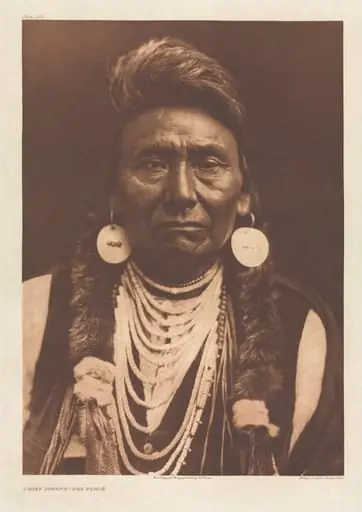 Portfolio VIII, Plates 256- 292
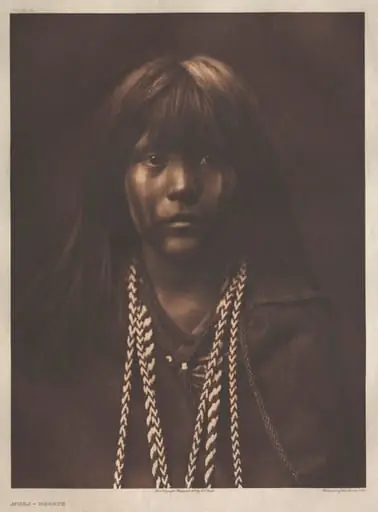 Portfolio II, Plate 61: Mósa-Mohave
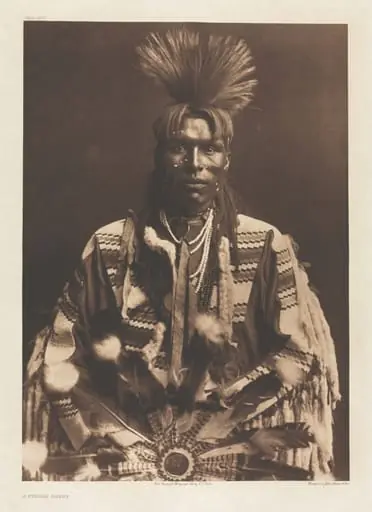 Portfolio VI, Plate 208: A Piegan Dandy
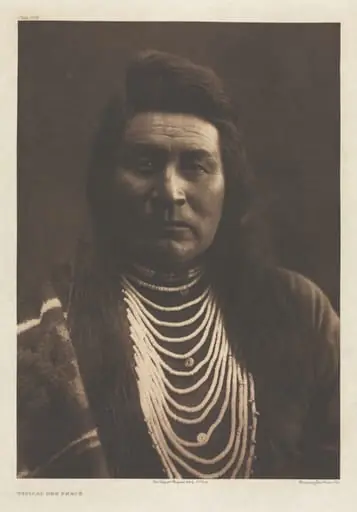 Portfolio VIII, Plate 258: Typical Nez Percé
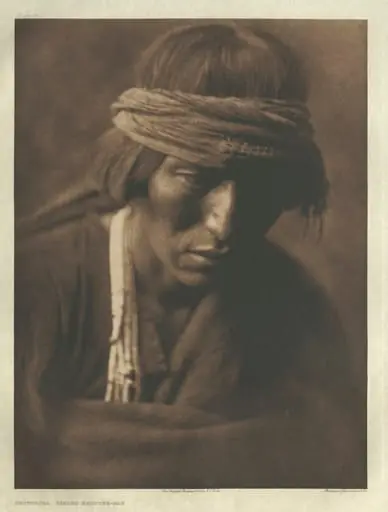 Portfolio I, Plate 35: Hastobíga-Navaho Medicine-Man
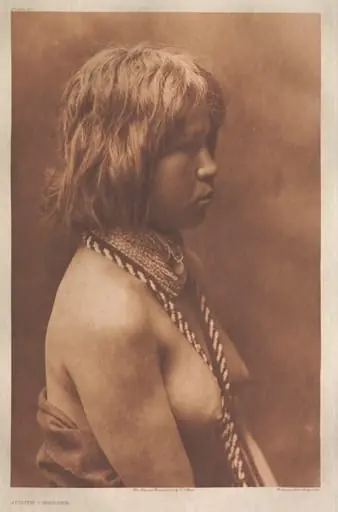 Portfolio II, Plate 59: Judith-Mohave
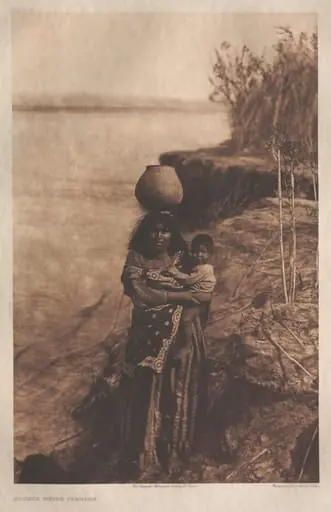 Portfolio II, Plate 58: Mohave Water Carrier
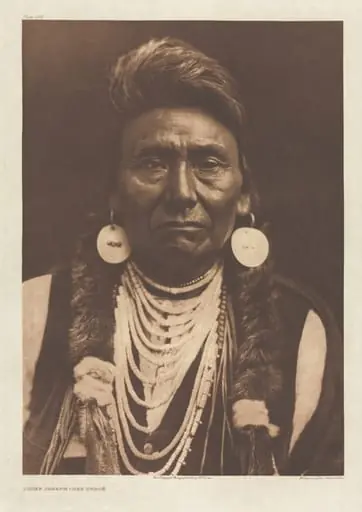 Portfolio VIII, Plate 256: Chief Joseph - Nez Percé
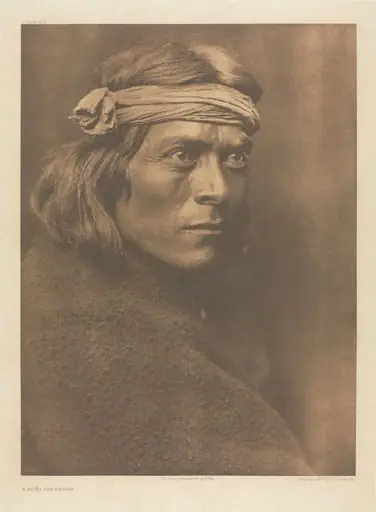 Portfolio XVII, Plate 607: A Zuñi Governor