Artwork
Predella of the Barbadori altarpiece

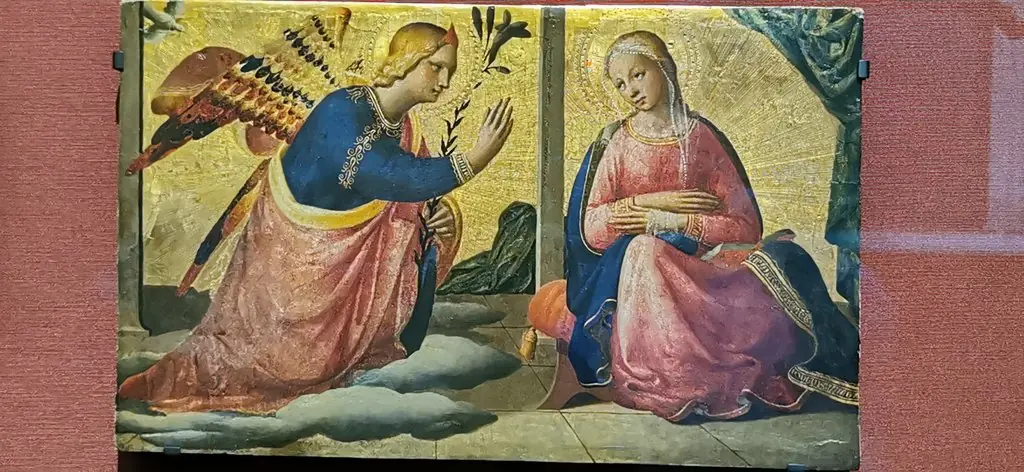
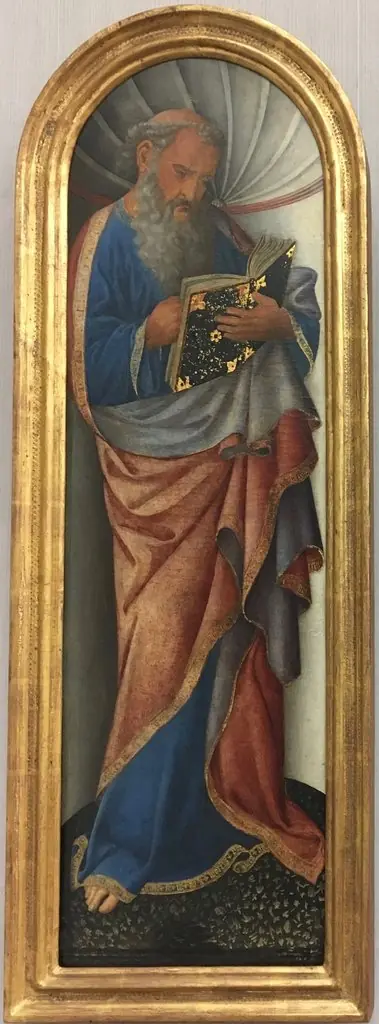
Predella of the Barbadori altarpiece is a tempera painting by the High Renaissance artist Filippo Lippi. It dates from 1438 and is held in the collection of the Uffizi Gallery.
About this work
Overview
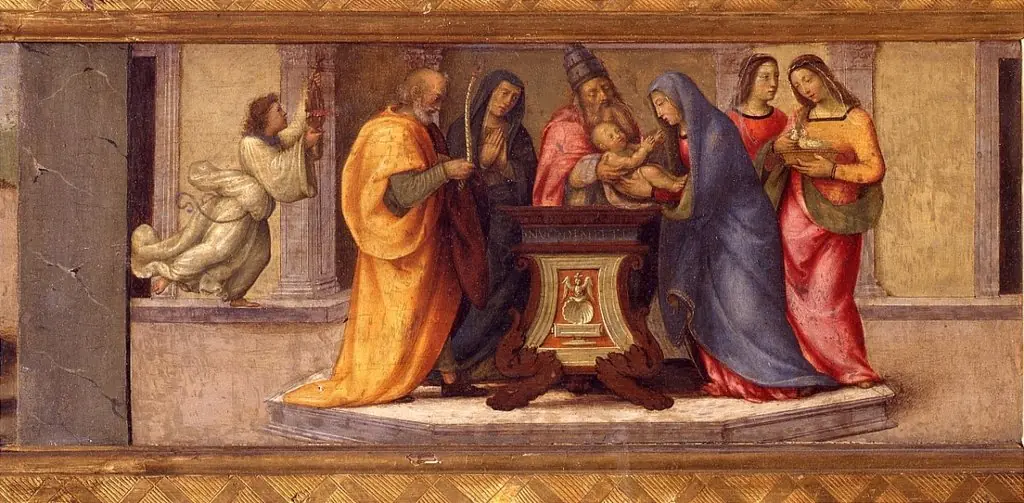
Created in 1438 by the Carmelite friar Filippo Lippi, this wooden predella originally formed the lower register of the Barbadori altarpiece. Now displayed in the Uffizi, the work consists of five small panels that together illustrate a sequence of religious figures and scenes rendered in a restrained palette.
Subject & Meaning
The panels portray a series of holy personages: Augustine of Hippo, the local saint Fridianus, the Holy Spirit, and the Virgin Mary, each identified by distinctive garments and attributes. Their arrangement reflects a devotional program intended to complement the main altarpiece’s central narrative.
Technique & Style
Lippi employs tempera on wood, using muted tones and delicate chiaroscuro to model the figures against architectural settings of columns, arches and distant buildings. The composition balances linear clarity with subtle atmospheric shading, characteristic of his early Renaissance approach.
History & Provenance
After serving its original liturgical function in the Barbadori chapel, the predella was eventually acquired by the Uffizi Gallery, where it remains part of the museum’s collection of early Renaissance works.
Context
The piece belongs to a period when Lippi’s workshop was a training ground for future masters, including his son Filippino and the young Sandro Botticelli. Its modest scale and devotional focus exemplify the role of predella panels in 15th‑century Italian altarpieces.
Artist & collection

Artist
Filippo Lippi (c. 1406 – 8 October 1469), also known as Lippo Lippi, was an Italian Renaissance painter of the Quattrocento (fifteenth century) and a Carmelite priest. He was an early Renaissance master of a painting…

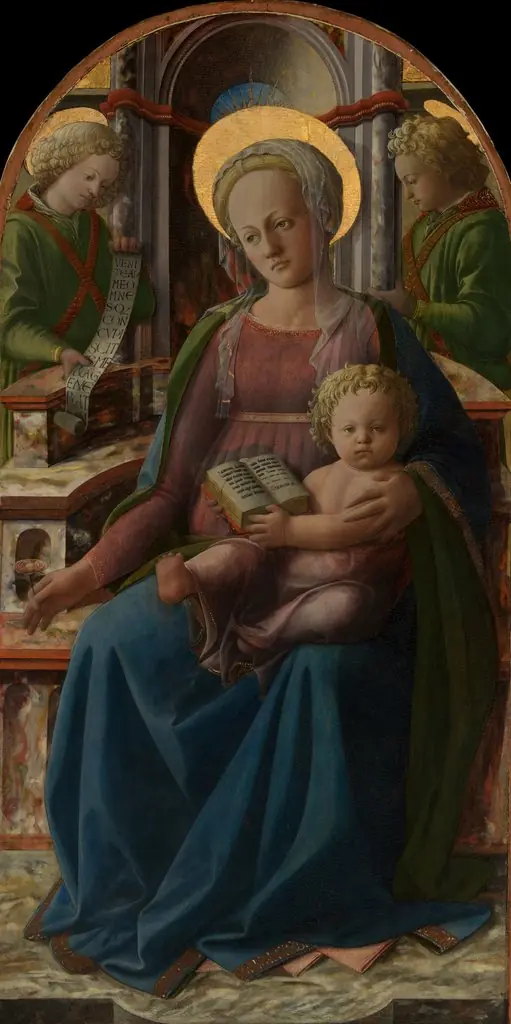 Madonna and Child Enthroned with Two Angels
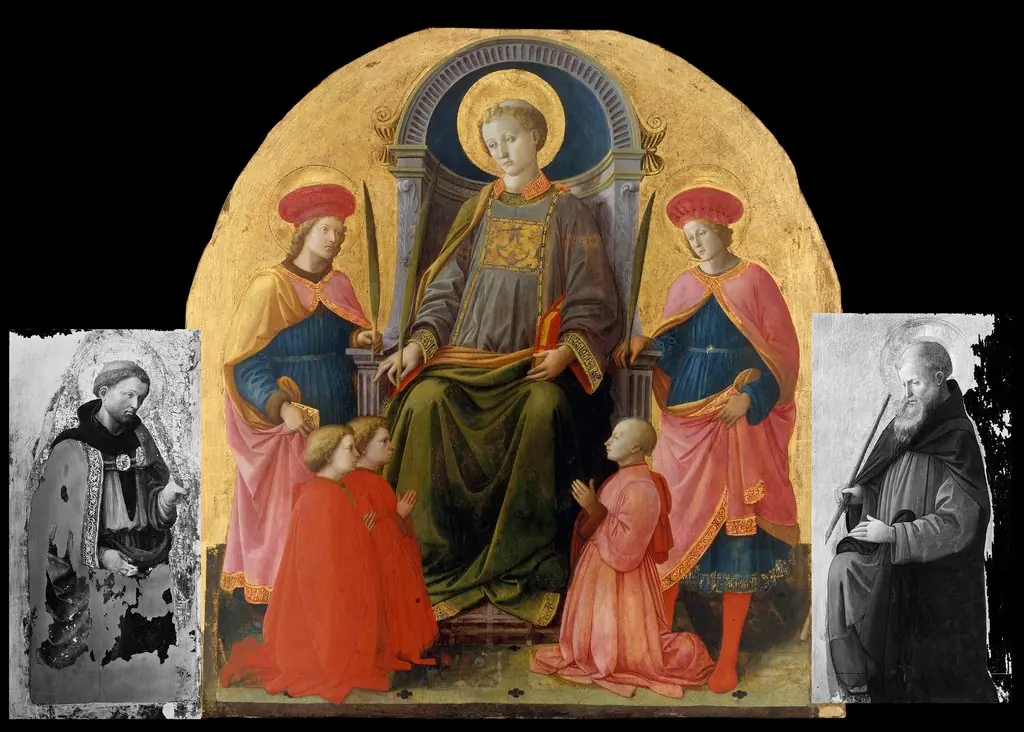 Saint Lawrence Enthroned with Saints and Donors
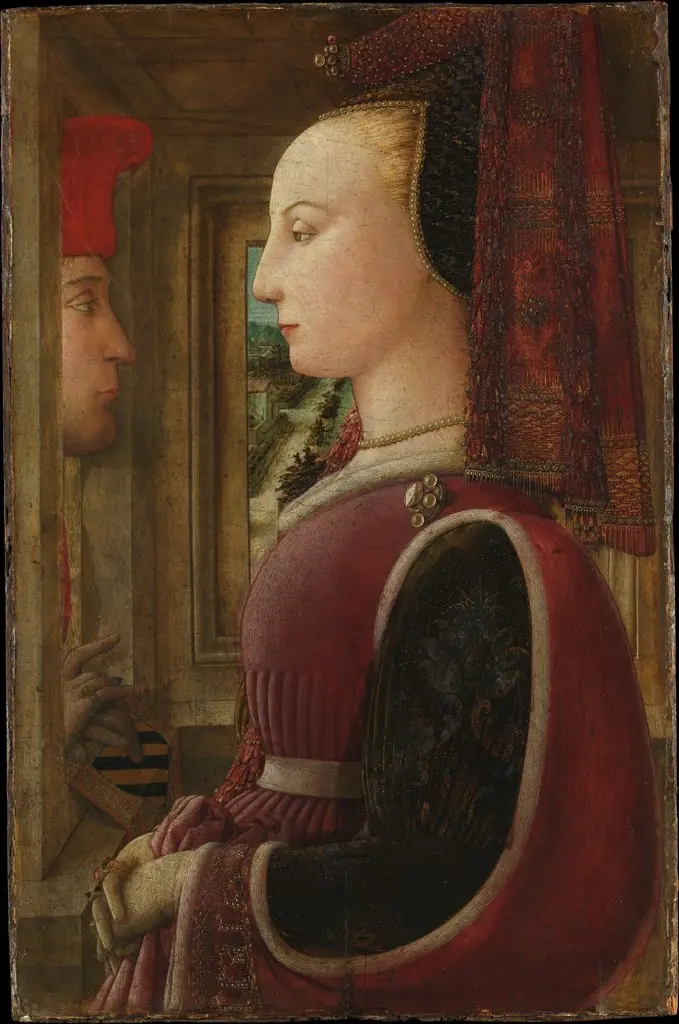 Portrait of a Woman with a Man at a Casement
 Saints Augustine and Francis, a Bishop Saint, and Saint Benedict
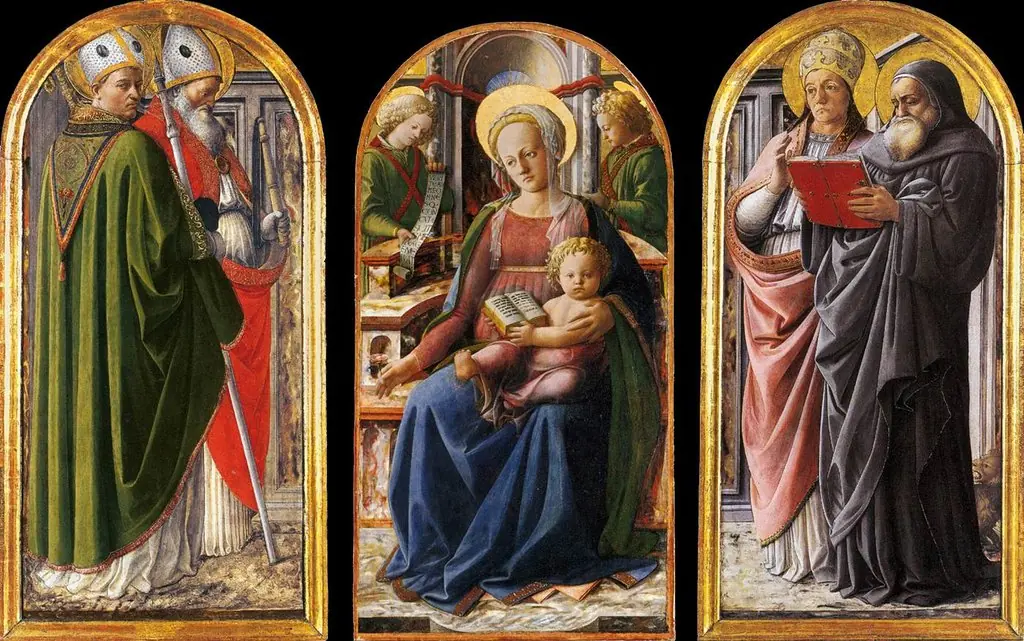 Madonna and Child with Angels and Saints
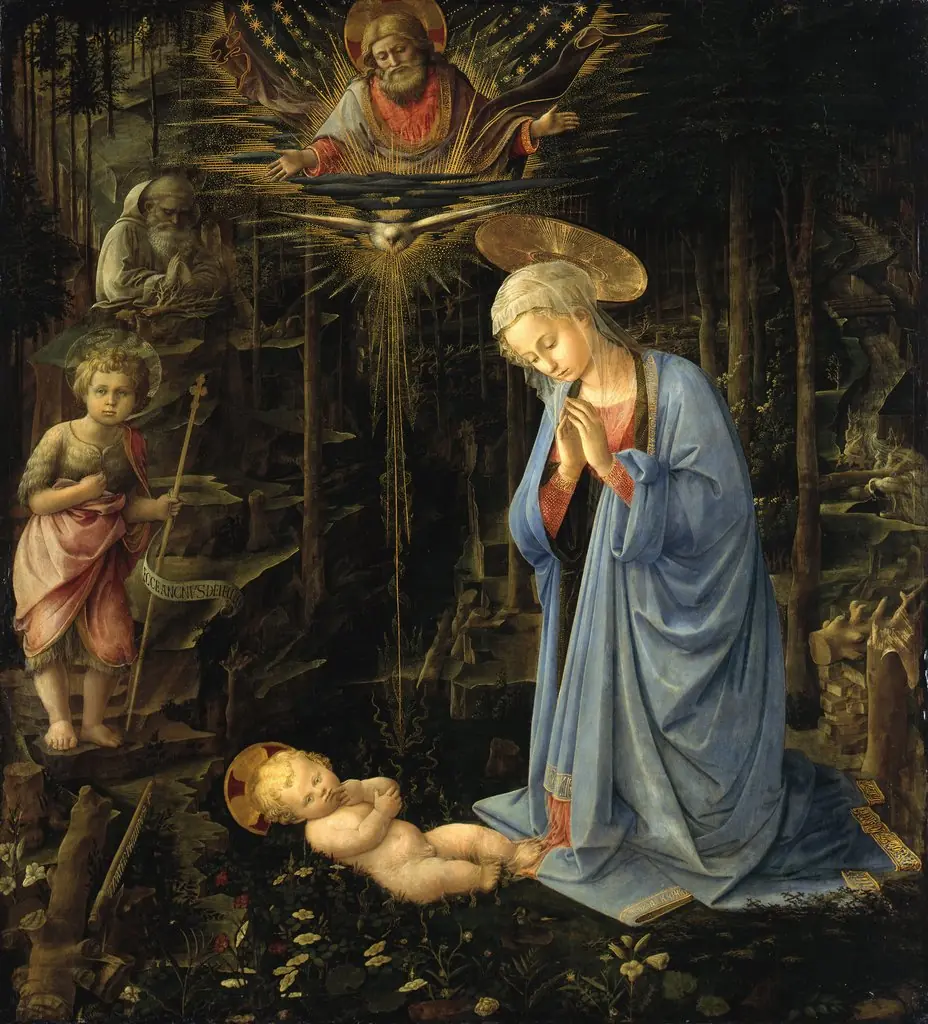 Adoration in the Forest
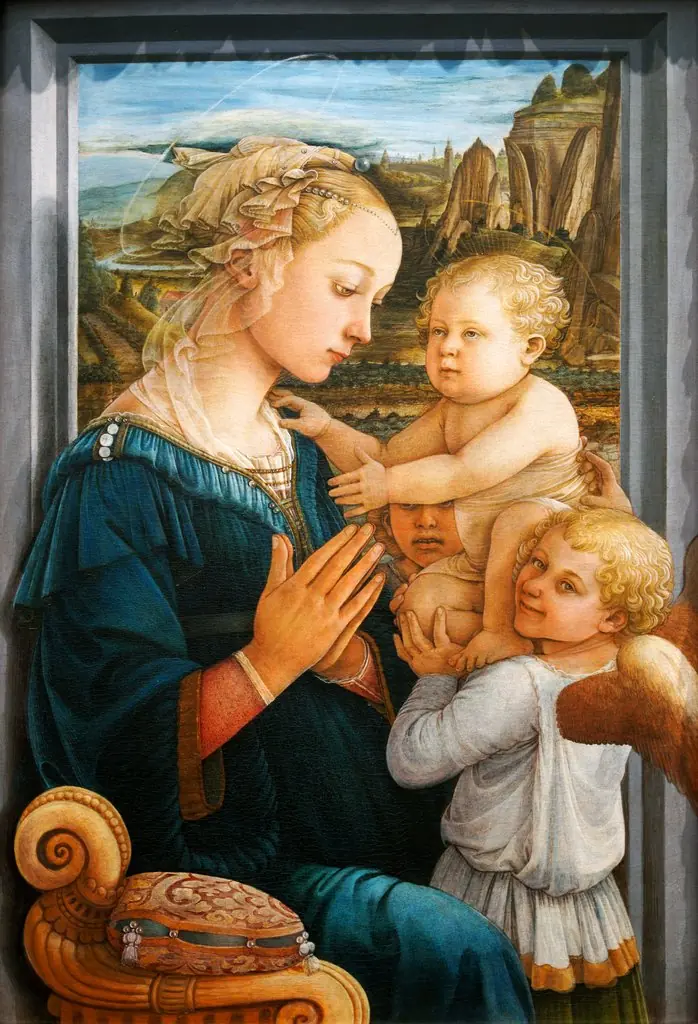 Madonna and Child
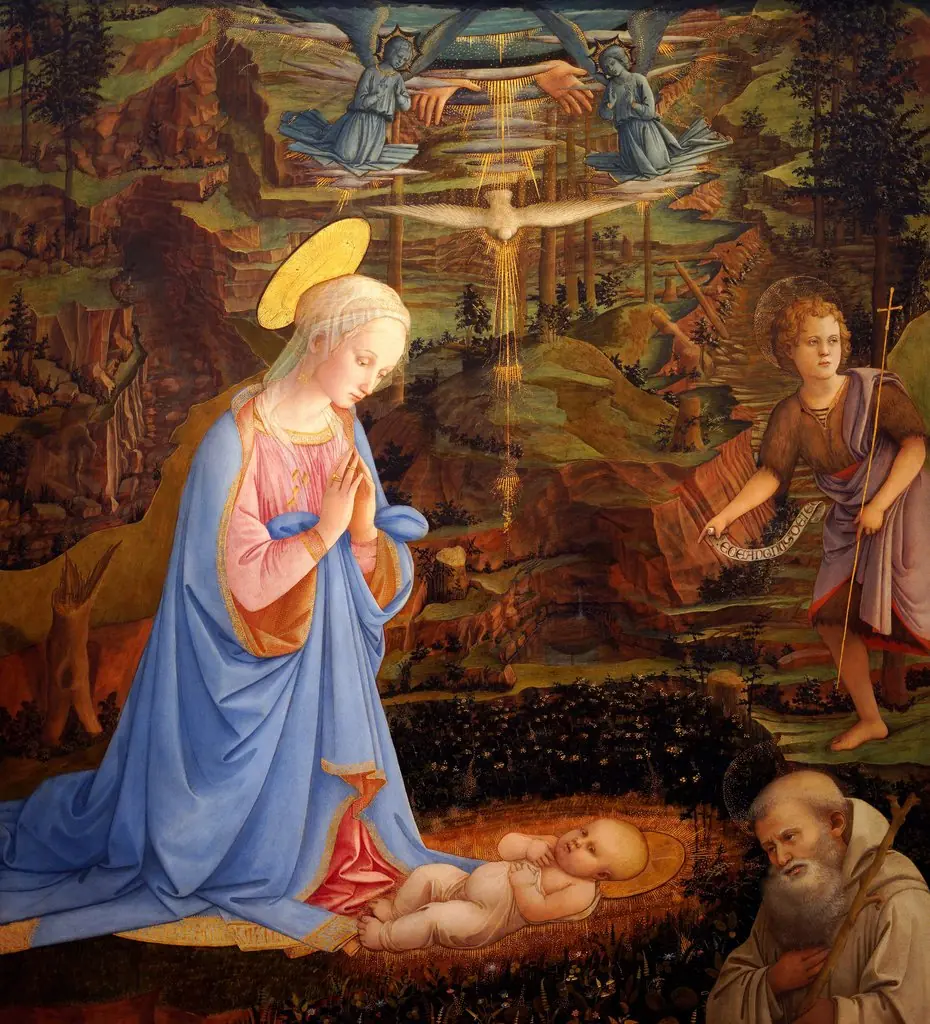 Adoration of Camaldoli