Artwork
Sir Henhy Guldeford
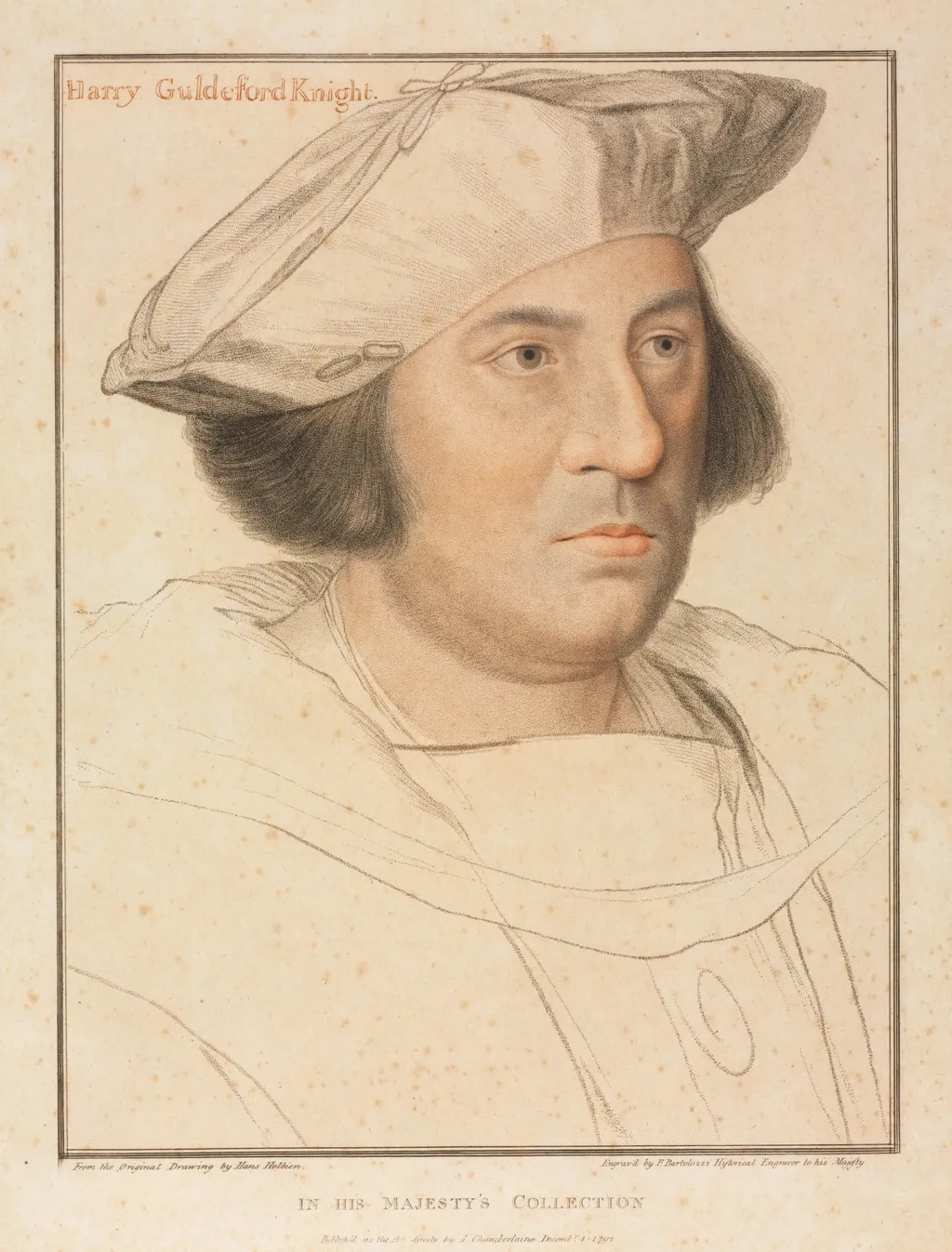
Sir Henhy Guldeford is a print by the Romanticist artist Francesco Bartolozzi. It dates from 1792 and is held in the collection of the Cleveland Museum of Art.
About this work
Overview
Created in 1792 by Francesco Bartolozzi, this black-and-white print depicts a man identified as Sir Henry Guldeford. Though executed in the late 18th century, the image is based on an earlier drawing attributed to Hans Holbein the Younger. The work is part of the collection at The Cleveland Museum of Art, where it is preserved as an example of reproductive engraving from the period.
Subject & Meaning
' His formal attire—high collar, wide-brimmed hat with a bow, and trimmed beard—suggests status and solemnity.
The subject is portrayed as a nobleman, identified in the inscription as 'Harry Guldeford Knight.' His formal attire—high collar, wide-brimmed hat with a bow, and trimmed beard—suggests status and solemnity. The serious expression and precise rendering convey dignity rather than individual personality, aligning with conventions of portraiture meant to affirm social rank rather than intimate character.
Technique & Style
Bartolozzi employed a fine-line stippling technique characteristic of his reproductive engravings. The surface is rendered with delicate, controlled strokes that model form without heavy shading. Facial features, particularly around the eyes and mouth, are defined with exceptional precision, while the overall tone remains restrained, reflecting the medium’s emphasis on clarity and fidelity to the original drawing.
History & Provenance
The print originates from a drawing by Hans Holbein the Younger, likely made during his time in England in the early 16th century. Bartolozzi reinterpreted it nearly 200 years later as part of a broader effort to reproduce and disseminate Renaissance portraiture. The work entered The Cleveland Museum of Art’s collection with minor paper discoloration, consistent with age and handling over centuries.
Context
In the late 18th century, reproductive prints like this were widely circulated to make historical images accessible beyond elite collections. Bartolozzi, a leading engraver of his time, specialized in translating Old Master drawings into prints for collectors and institutions. This piece reflects a cultural interest in preserving and recontextualizing Tudor-era likenesses through contemporary technical methods.
Legacy
The print endures as a testament to the transmission of portraiture across centuries. While not an original Holbein, it preserves the composition and demeanor of a Tudor-era figure through the refined hand of an 18th-century engraver. It remains a key example of how historical imagery was reinterpreted and preserved in the age of print before photography.
Artist & collection
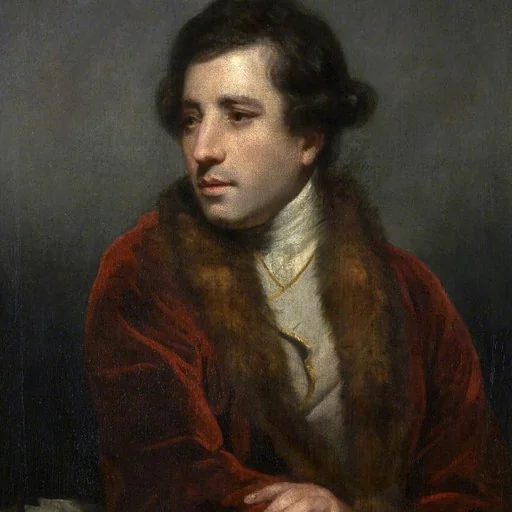
Artist
Francesco Bartolozzi (21 September 1727 – 7 March 1815) was an Italian engraver, whose most productive period was spent in London. He is noted for popularizing the "crayon" method of engraving.

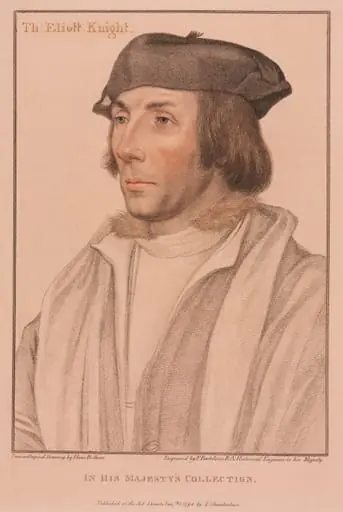 Sir Thomas Elyot
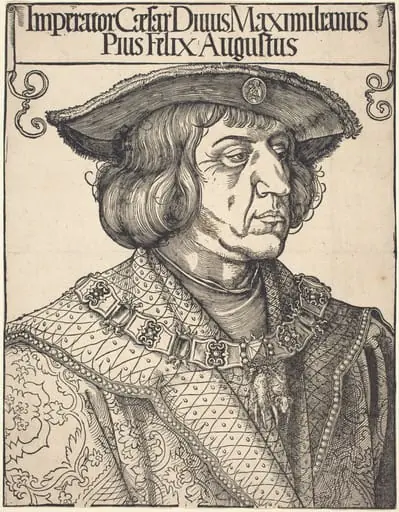 Emperor Maximilian I
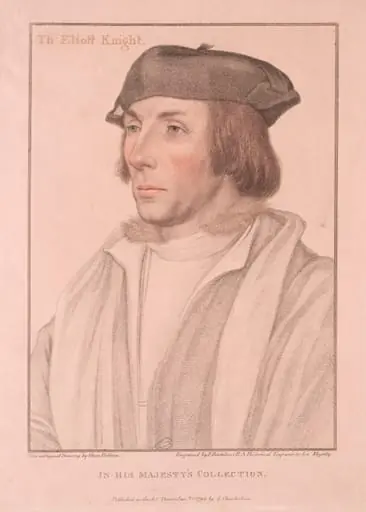 Sir Thomas Eliott
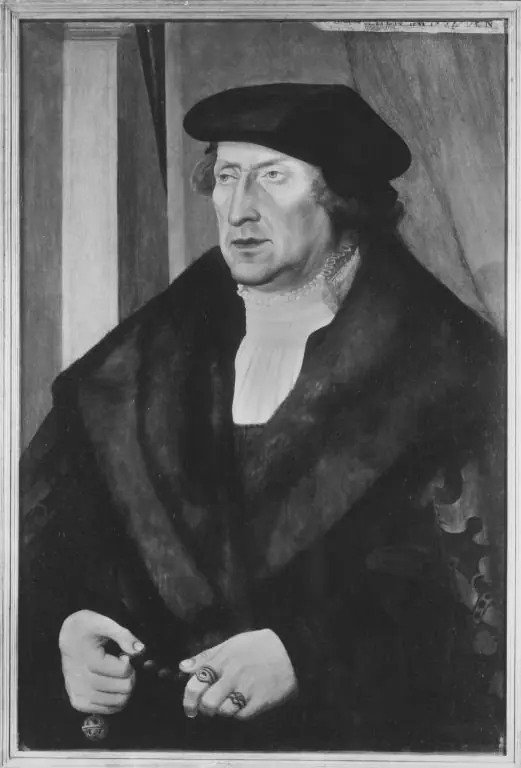 Pfalzgraf Philipp, Bischof von Freising
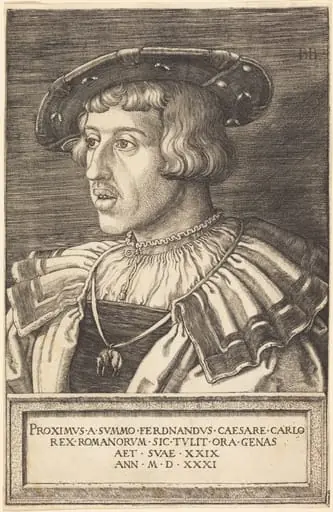 King Ferdinand I
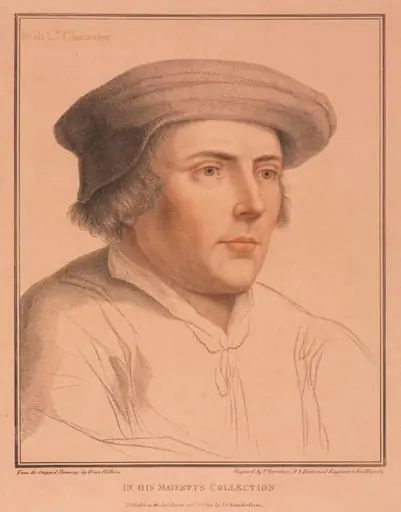 Lord Rich
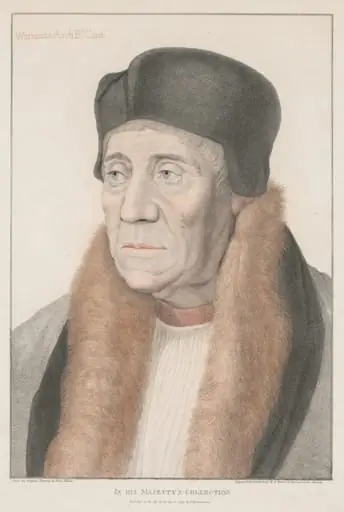 Waramus Arch Bishop of Canterbury
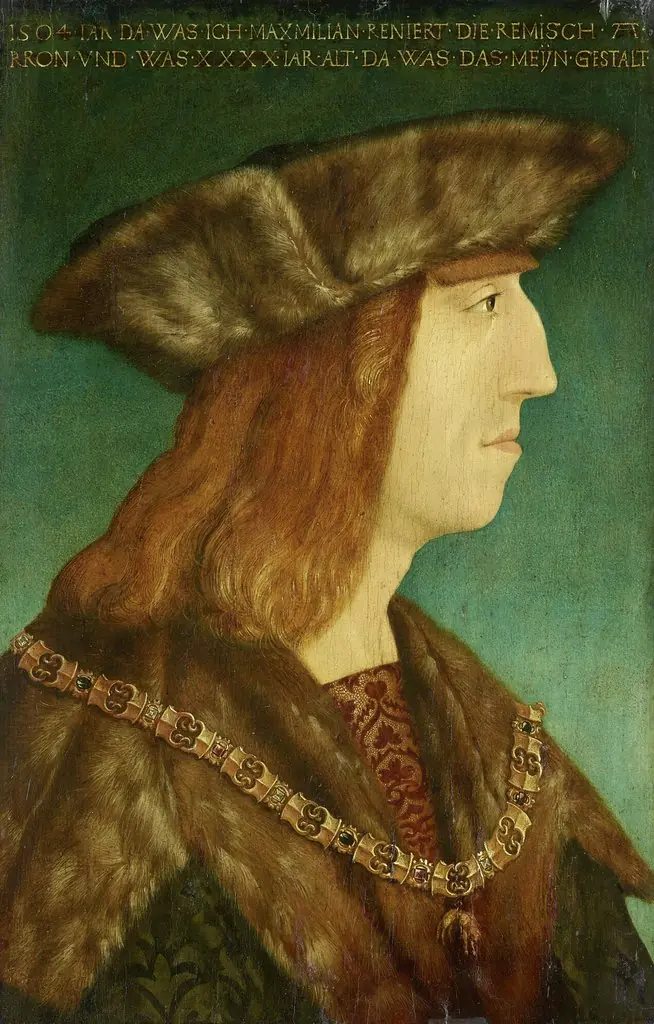 Emperor Maximilan I. (1459-1519)
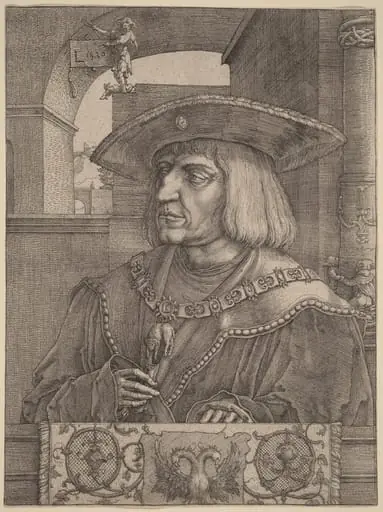 Emperor Maximilian I
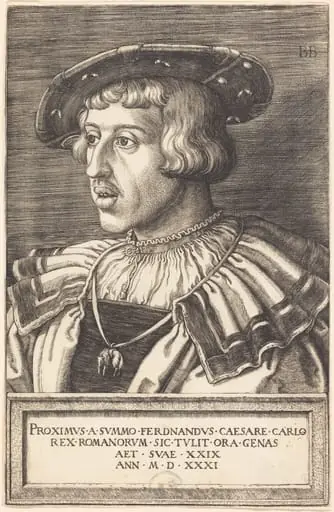 King Ferdinand I
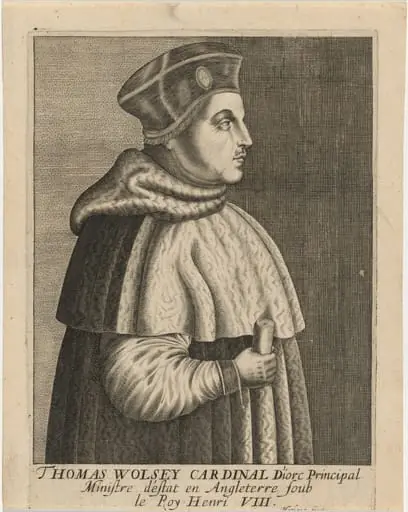 Thomas Wolsey, Cardinal, Lord Chancellor, Archbishop of York
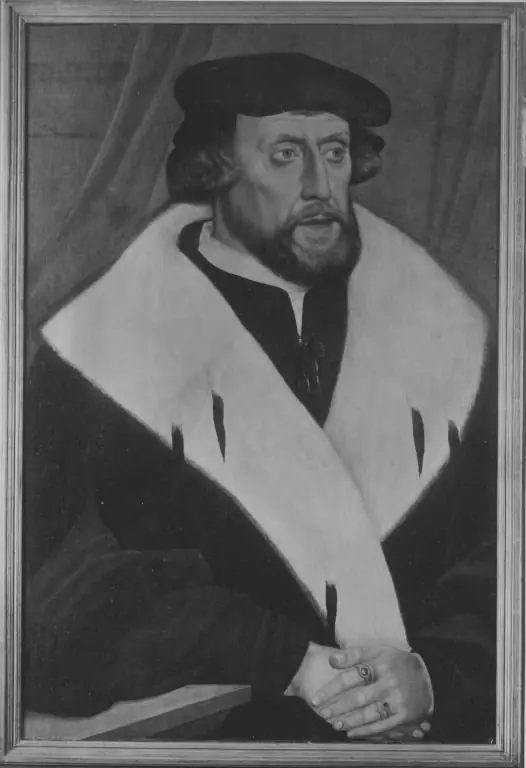 Pfalzgraf Wolfgang, Herzog in Bayern