Artwork
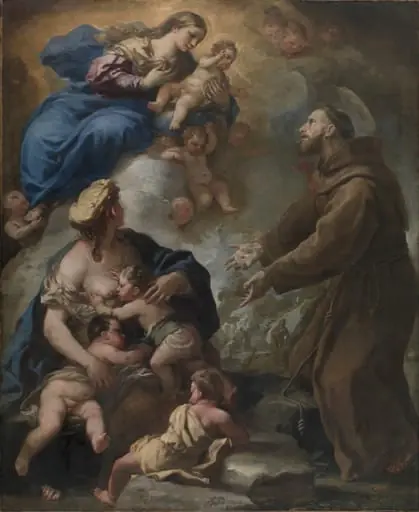
The Virgin and Child, with a boy presented by his Guardian Angel, and S. Francesco Di Paola
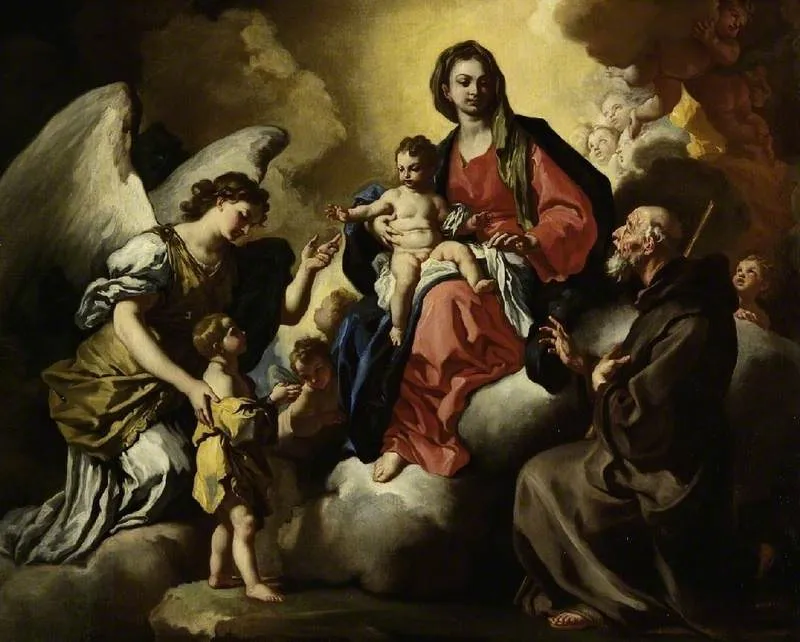
The Virgin and Child, with a boy presented by his Guardian Angel, and S. Francesco Di Paola is an oil painting by Francesco Solimena. It dates from 1706 and is held in the collection of the Fitzwilliam Museum.
About this work
Overview
Painted in 1706 by Francesco Solimena, this oil on canvas work presents a devotional scene centered on the Virgin Mary and Christ Child, framed by celestial and earthly figures. Solimena, a prominent figure in Neapolitan Baroque painting, rendered the composition with a luminous interplay of light and shadow, reflecting the regional style of the early eighteenth century while hinting at the classical restraint that would define his later output.
Subject & Meaning
The grouping suggests divine intercession: the angel mediates between the child and heavenly grace, while the saint embodies piety and devotion.
The Virgin Mary holds the Christ Child, who reaches toward a guardian angel presenting a young boy. To the side, Saint Francis of Paola kneels in prayer, gesturing heavenward. The grouping suggests divine intercession: the angel mediates between the child and heavenly grace, while the saint embodies piety and devotion. The calm, solemn expression of the Virgin underscores her role as intercessor, anchoring the spiritual narrative in quiet reverence.
Technique & Style
Solimena employed chiaroscuro to model forms with depth, using soft gradations of light to lift figures from a swirling, atmospheric sky. Drapery folds are rendered with fluid precision, and the angelic figures glow with pale gold and blue tones, contrasting against darker backgrounds. The composition is dynamic yet balanced, with gestures and glances directing the viewer’s eye through the sacred hierarchy, characteristic of Neapolitan Baroque sensibilities.
History & Provenance
Commissioned likely for a private chapel or religious institution in southern Italy, the painting remained within ecclesiastical or noble collections until entering public ownership. Its survival through centuries reflects its devotional significance and Solimena’s reputation. No definitive records of its early patrons exist, but its subject matter aligns with Counter-Reformation themes favored in Naples at the time.
Context
In early 1700s Naples, religious imagery served both spiritual and social functions, reinforcing Catholic doctrine through emotionally resonant visuals. Solimena’s training under Luca Giordano and Mattia Preti shaped his dramatic lighting and expressive figures. While his later works adopted classical clarity, this painting captures the vibrant, theatrical energy of Neapolitan Baroque art before the tide of Enlightenment classicism began to shift aesthetic priorities.
Legacy
Though overshadowed in modern memory by later movements, this work exemplifies Solimena’s mastery of narrative and light during his most expressive period. It remains a representative example of how Neapolitan painters fused emotional intensity with technical refinement to serve devotional needs. The painting continues to inform studies of regional Baroque practice and the evolution of sacred imagery in southern Italy.
Artist & collection
Artist
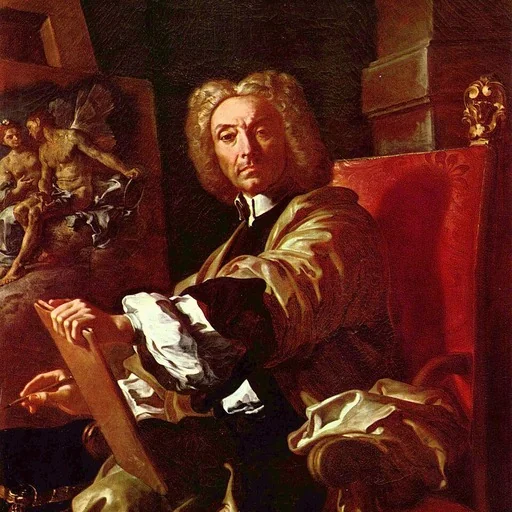
Francesco Solimena (4 October 1657 – 3 April 1747) was a prolific Italian Baroque painter, one of an established family of painters and draughtsmen.

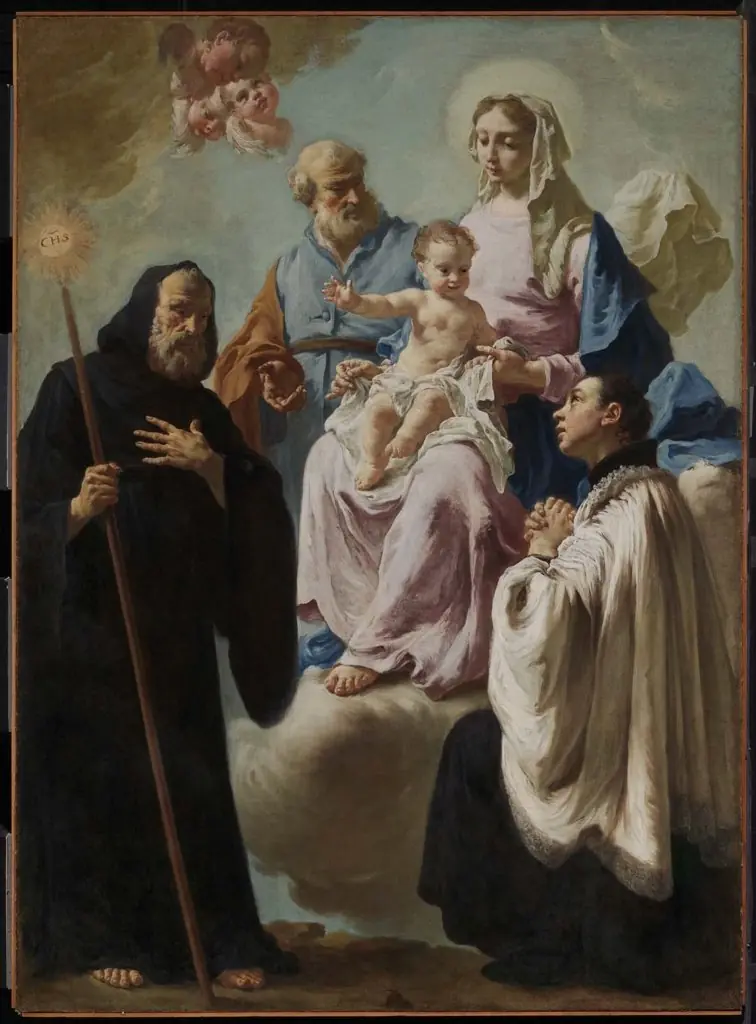 The Holy Family in Glory with Saints Francis of Paola and Aloysius Gonzaga
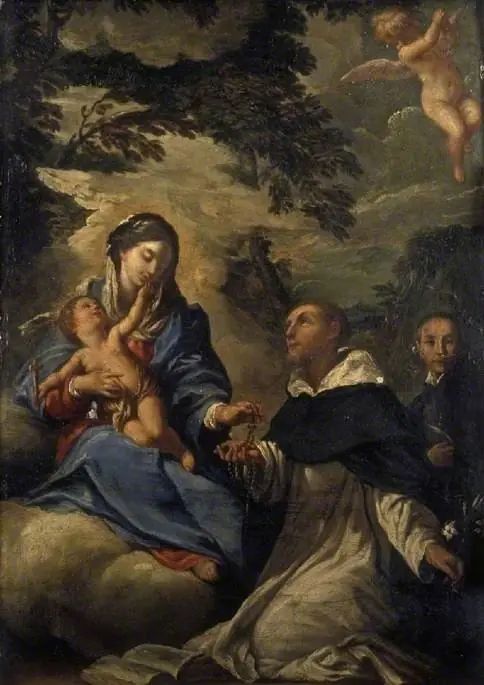 Saint Dominic Receiving the Rosary from the Virgin Mary
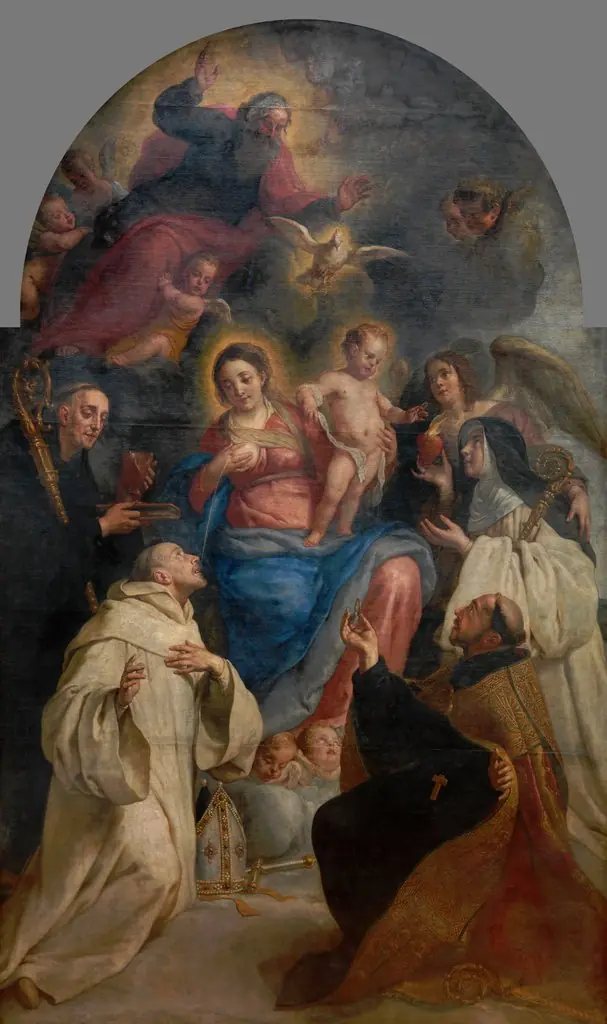 Lactatio of Saint Bernard of Clairvaux
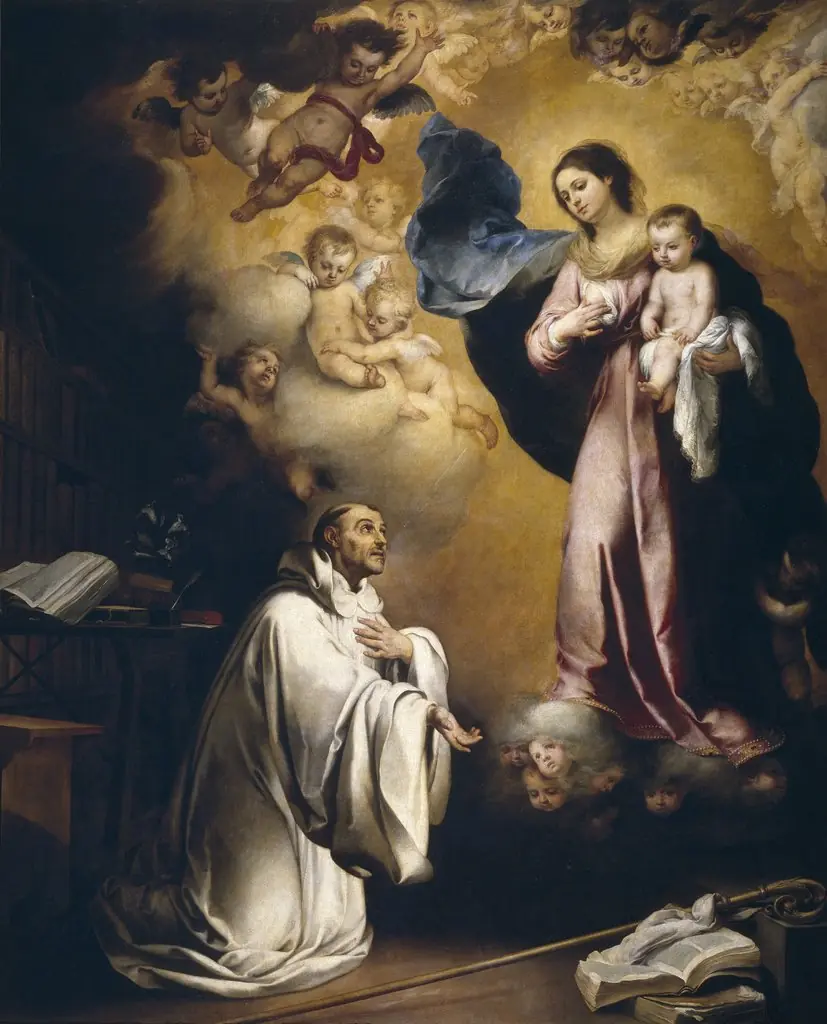 The Apparition of the Virgin to Saint Bernard
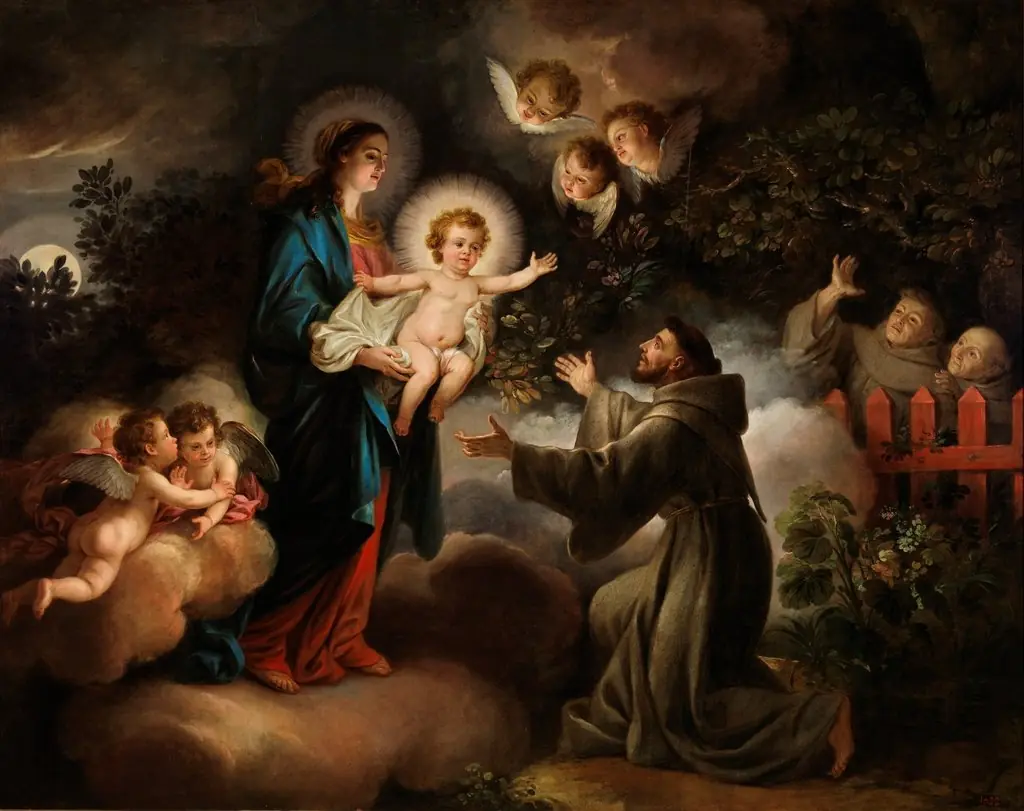 La Aparición de la Virgen a San Francisco
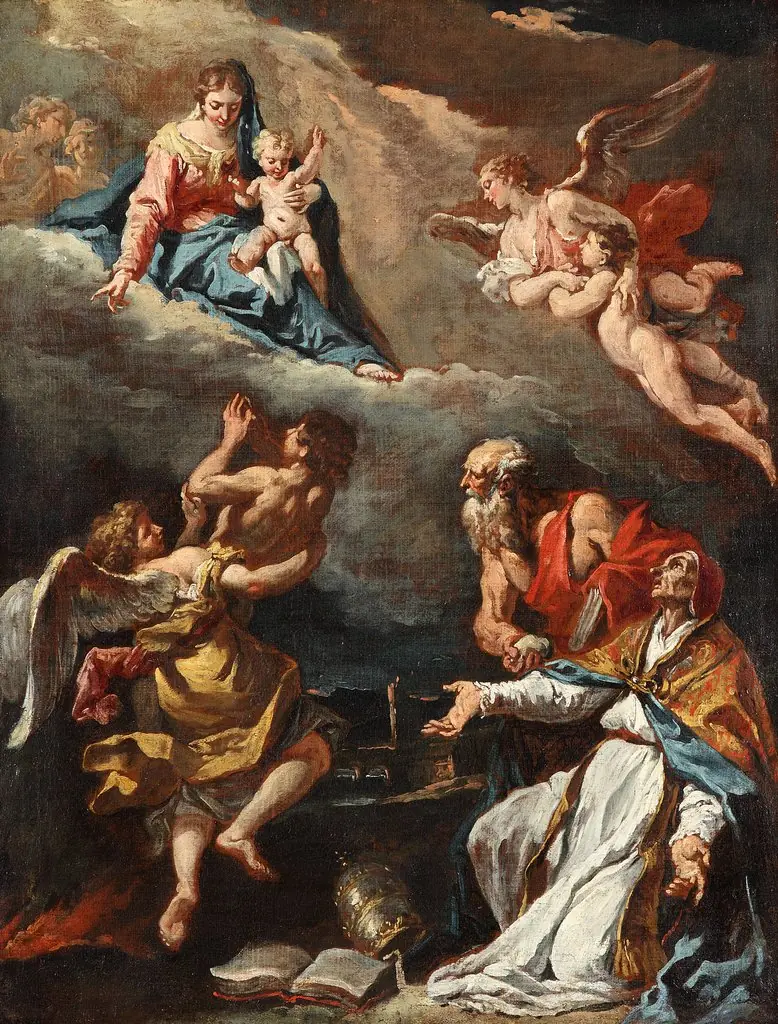 Die Fürbitte des Heiligen Gregor für die Seelen im Fegefeuer
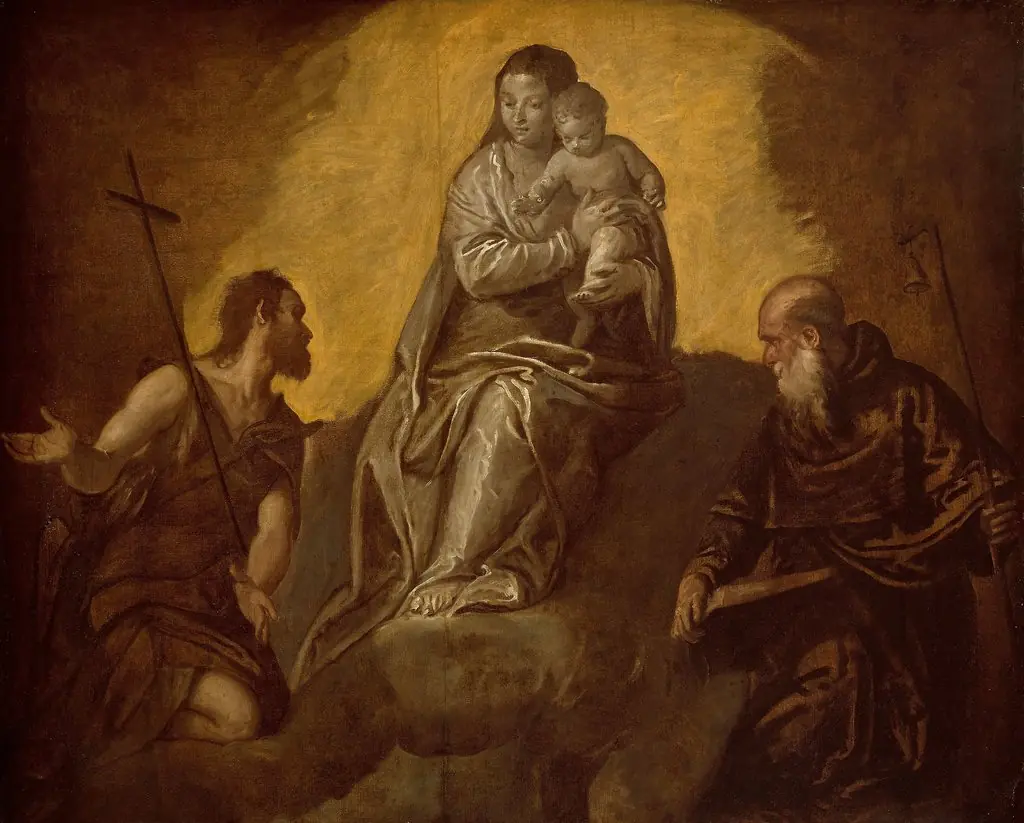 Virgin and Child with Saints John the Baptist and Anthony Abbot
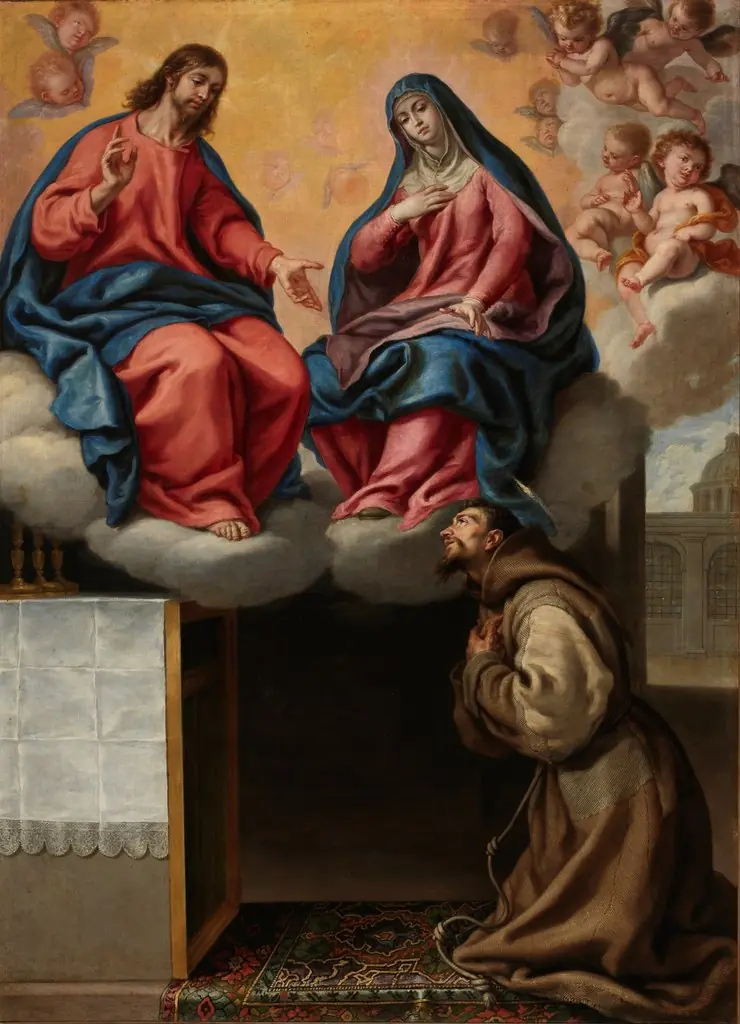 Saint Francis of Assisi in la Porziuncola
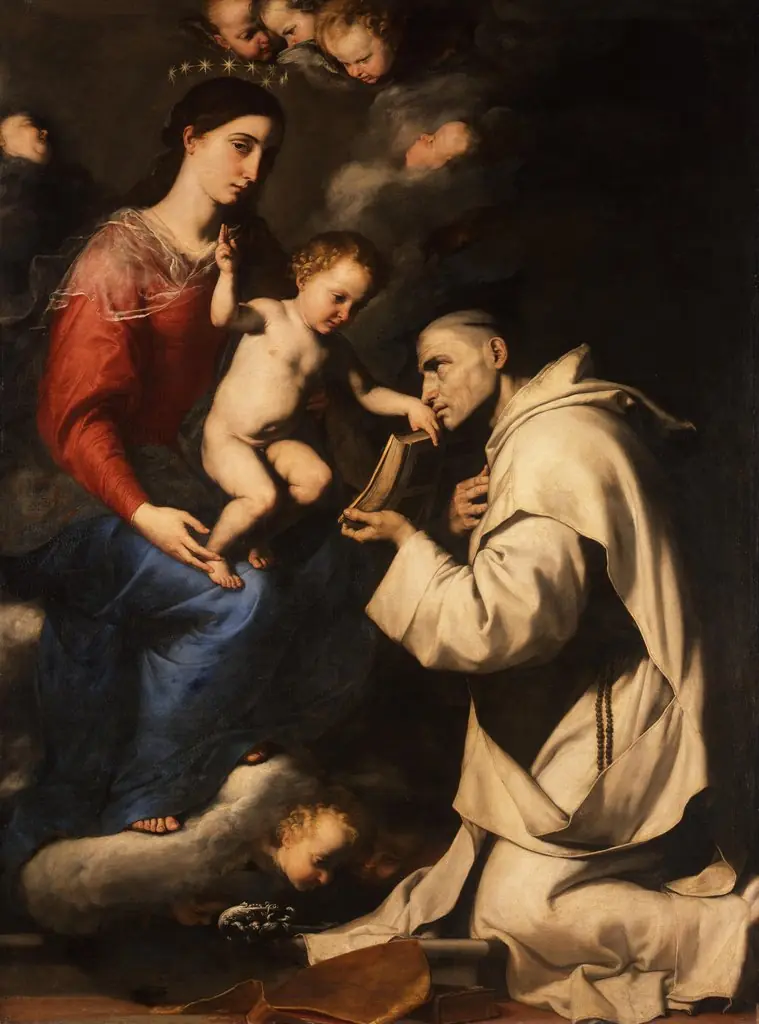 Madonna with the Christ Child and Saint Bruno
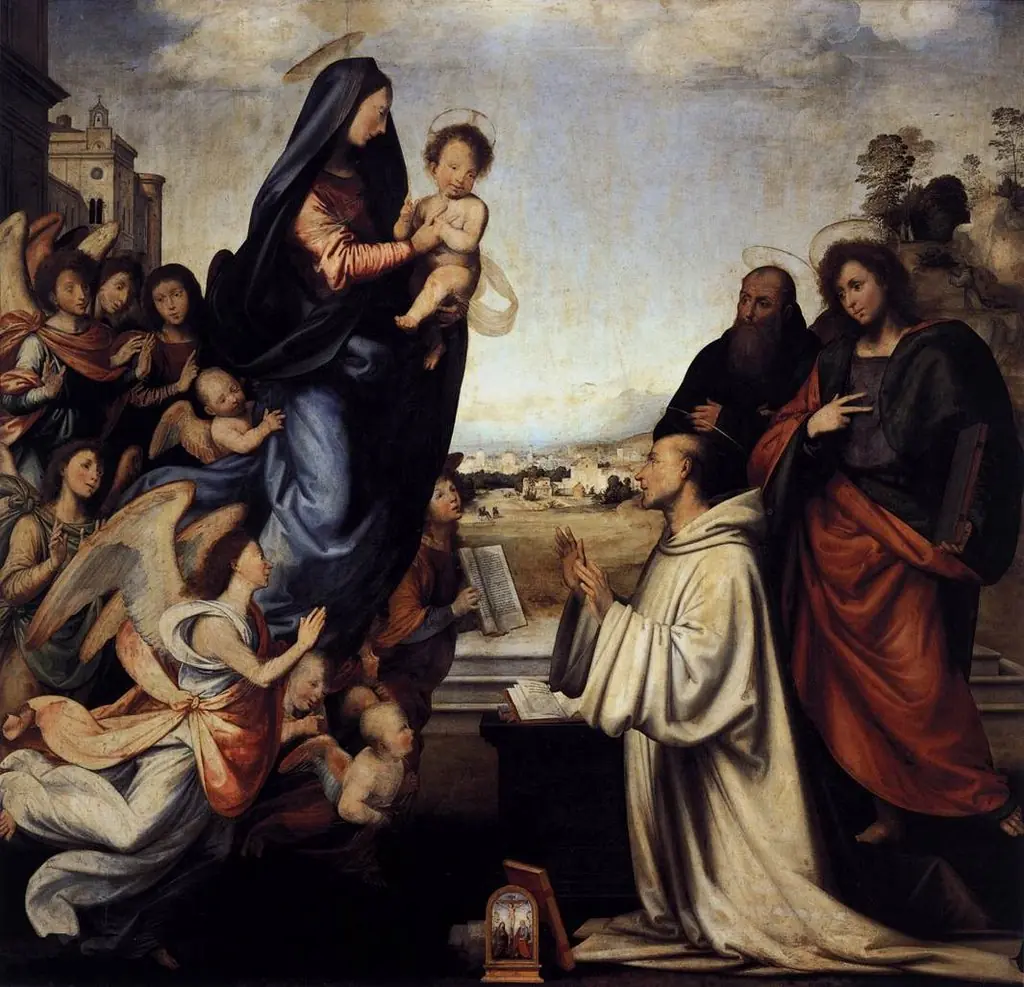 The Vision of Saint Bernard
 The Virgin and Child Appearing to Saint Francis of Assisi
 Vision of Saint Philip Neri