Artwork
Art (design for a mosaic in the Victoria and Albert Museum)
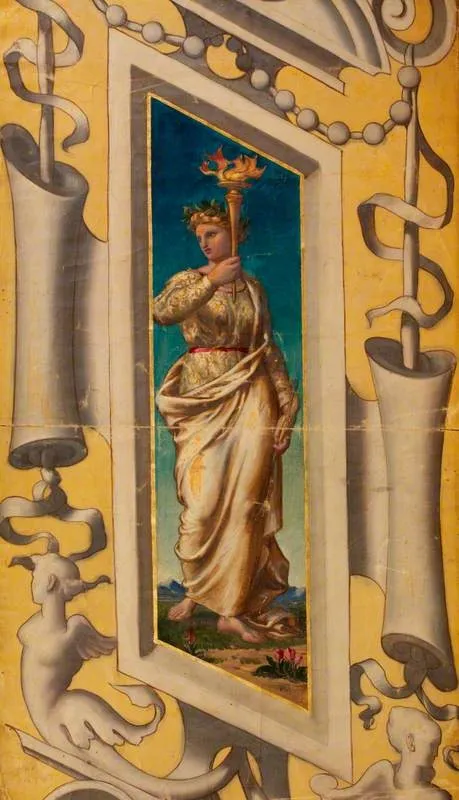
Art (design for a mosaic in the Victoria and Albert Museum) is an oil painting by Francis Wollaston Moody. It dates from 1865 and is held in the collection of the Victoria and Albert Museum.
About this work
Overview
Created around 1865 by Francis Wollaston Moody, this oil painting serves as a preparatory design for a mosaic intended for the Victoria and Albert Museum.
Created around 1865 by Francis Wollaston Moody, this oil painting serves as a preparatory design for a mosaic intended for the Victoria and Albert Museum. Though executed in paint, its composition reflects the demands of mosaic translation—bold forms, clear contours, and symbolic imagery. The work remains in the museum’s collection, preserved as a study for a larger decorative scheme that was never fully realized in its original medium.
Subject & Meaning
The central figure is a female personification of Art, depicted with a torch raised above her head—an emblem of enlightenment and creative illumination. Barefoot and draped in white and gold, she stands in a serene landscape, suggesting harmony between human ingenuity and nature. The surrounding scrolls and borders evoke classical ornamentation, reinforcing the theme of Art as a timeless, elevated force.
Technique & Style
Moody employed oil paint to simulate the flat, luminous qualities suited to mosaic work. The figure is rendered with smooth, even surfaces and minimal shading, emphasizing outline over depth. The yellow background and stark white robe create strong contrast, while gold and red accents guide the eye. Decorative elements like scrolls frame the figure, mirroring the ornamental language of architectural mosaics.
History & Provenance
The painting was produced as a model for a mosaic commission in the 1860s, likely for the South Kensington Museum—later the Victoria and Albert Museum. Though the mosaic was never executed, the oil study was retained by the institution. It remains part of the museum’s permanent collection, offering insight into Victorian-era design processes and the transition from preparatory art to public decoration.
Context
In mid-19th-century Britain, public institutions sought to elevate design through monumental decorative arts. Moody’s work reflects the influence of the Arts and Crafts movement and the museum’s mission to connect fine art with applied design. This painting exemplifies how artists were commissioned to bridge painting and craft, aligning aesthetic ideals with educational and civic goals.
Legacy
Though the mosaic was never completed, Moody’s design endures as a document of Victorian artistic ambition. It illustrates how preparatory works were valued not merely as tools but as autonomous expressions of design philosophy. Today, it contributes to scholarly understanding of how decorative programs were conceived and how symbolic figures were used to convey cultural values in institutional spaces.
Artist & collection

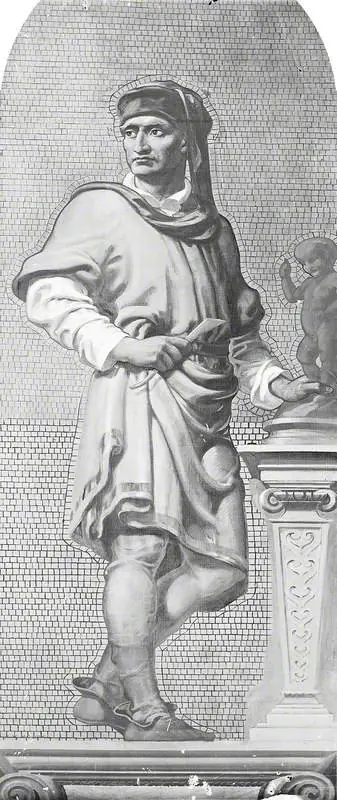 Luca della Robbia (1400–1481) (design for a mosaic in the Victoria and Albert Museum) (detail)
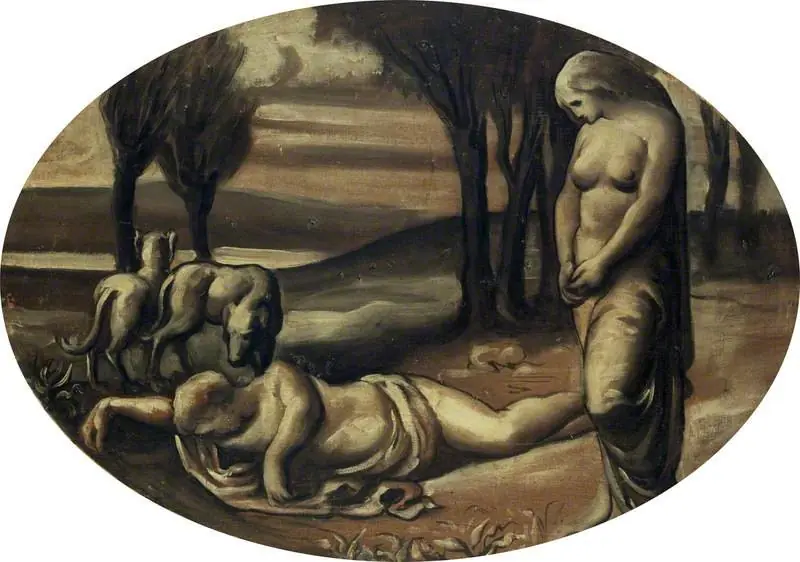 Pyramus and Thisbe (decorative panel)
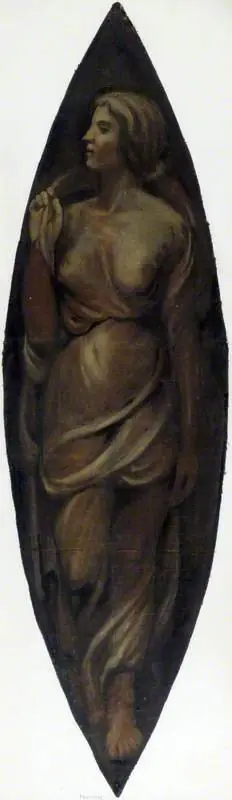 Standing Female Figure (decorative panel)
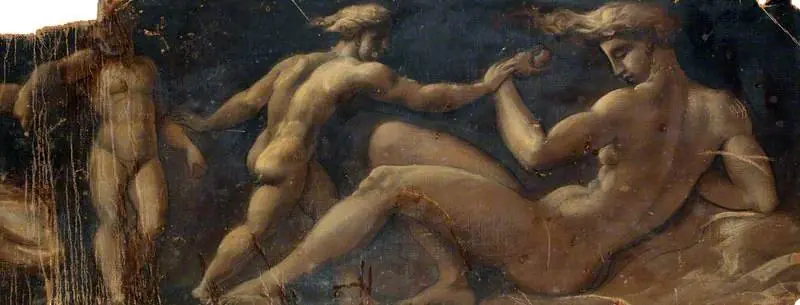 Reclining Figure (decorative panel)
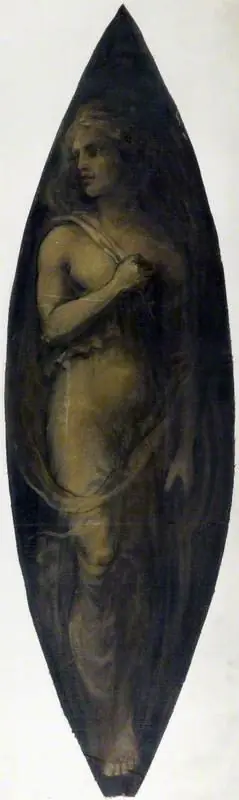 Standing Female Figure (decorative panel)
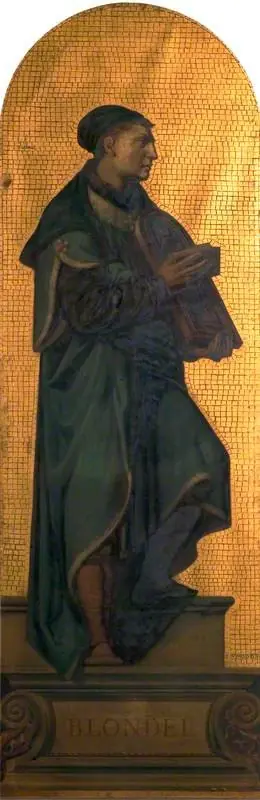 Lancelot Blondeel (1498–1561) (design for a mosaic in the Victoria and Albert Museum)
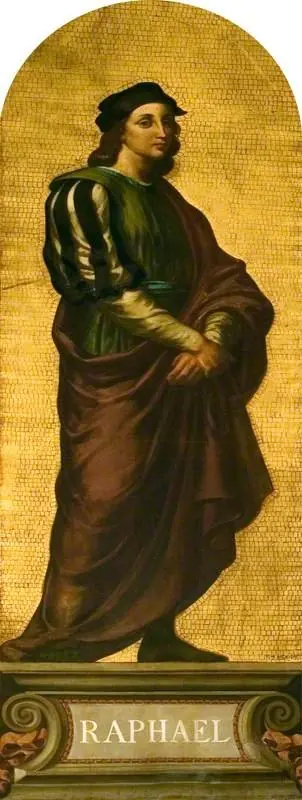 Raphael (1483–1520) (design for a mosaic in the Victoria and Albert Museum)
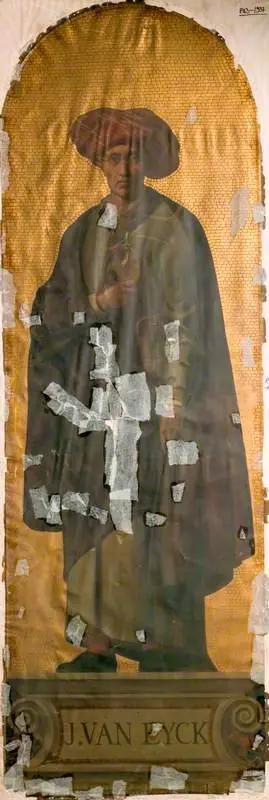 Jan van Eyck (c.1385–1441) (design for a mosaic in the Victoria and Albert Museum) (formerly attributed to Agnes Sutherland)
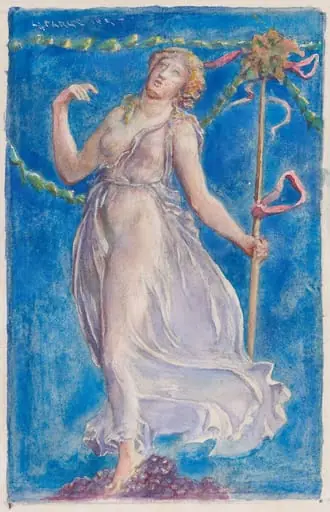 A Bacchante
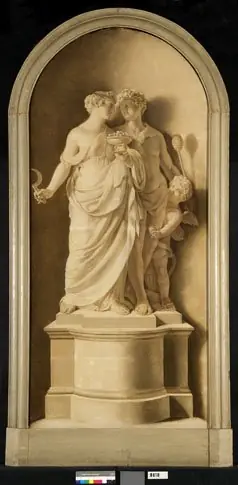 Ceres, Bacchus en Amor
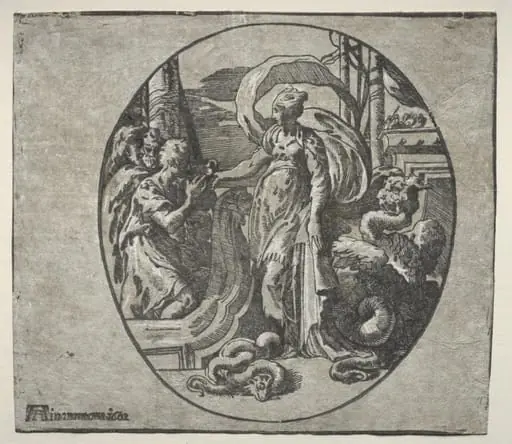 Circe Giving Drink to the Companions of Ulysses
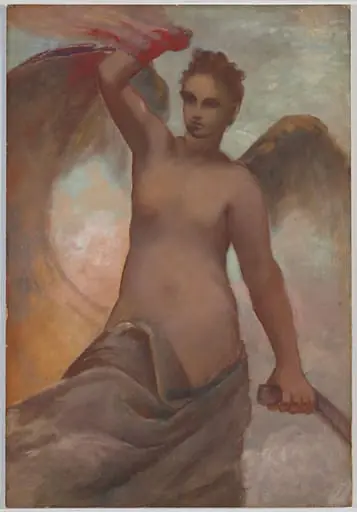 Fortune: A Study for "The Discoverer"
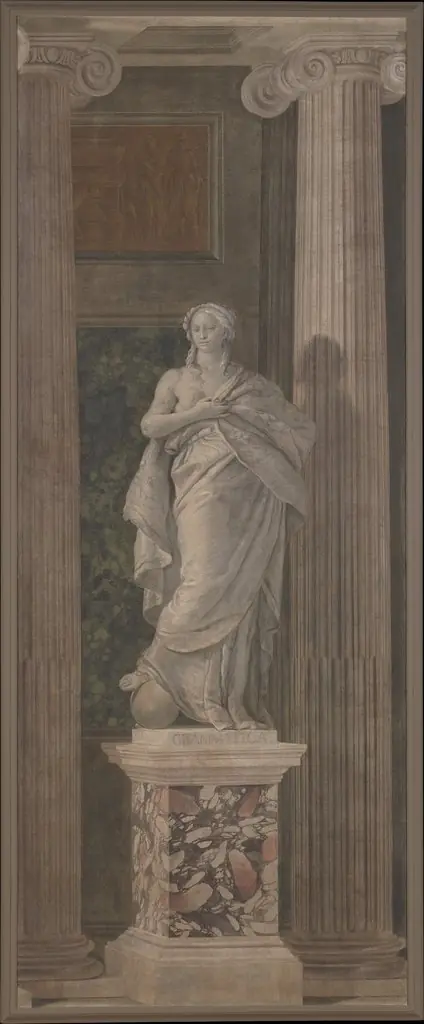 Grammar
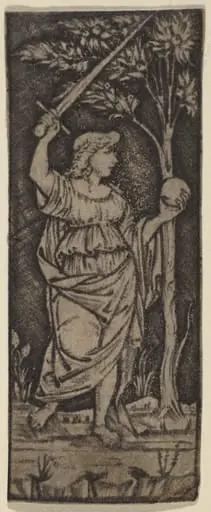 Allegorical Figure: Woman with Sword and Sphere
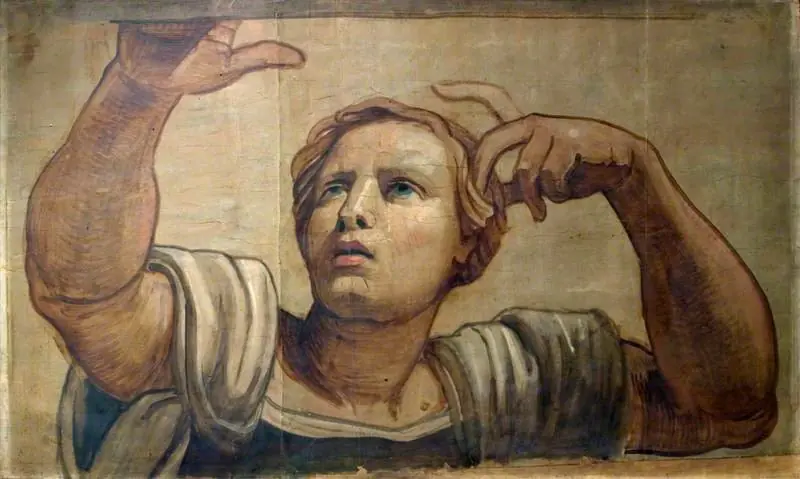 The Prophet Daniel (study for a mosaic in St Paul's Cathedral)
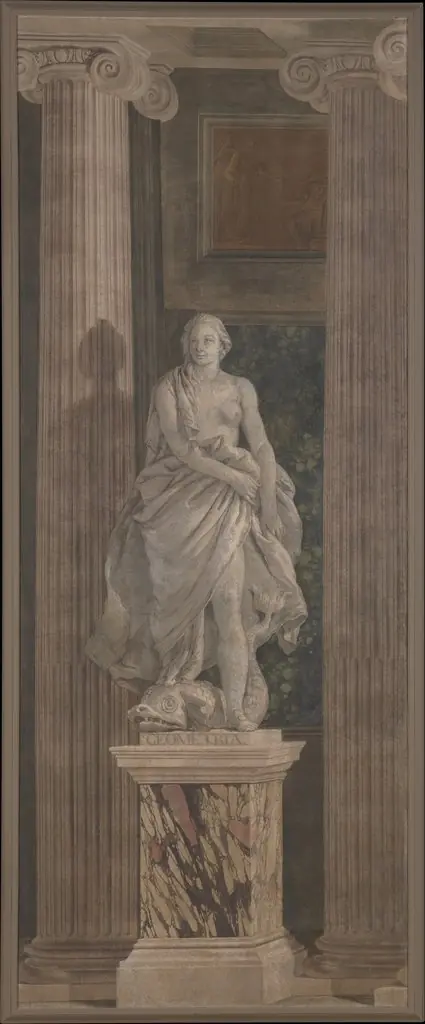 Geometry
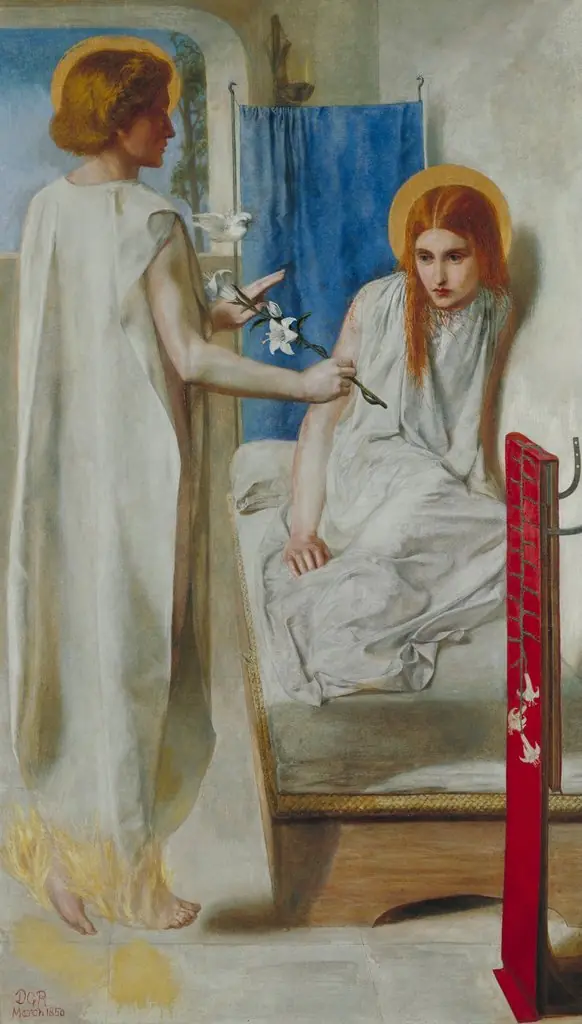 Ecce Ancilla Domini
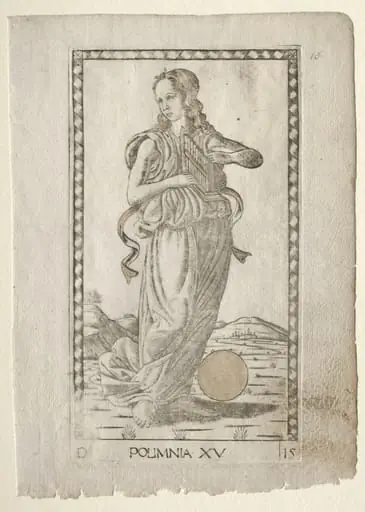 Polyhymnia (heroic hymns) (from the Tarocchi series D: Apollo and the Muses, #15)