Artwork
Figure Costumed as Hercules
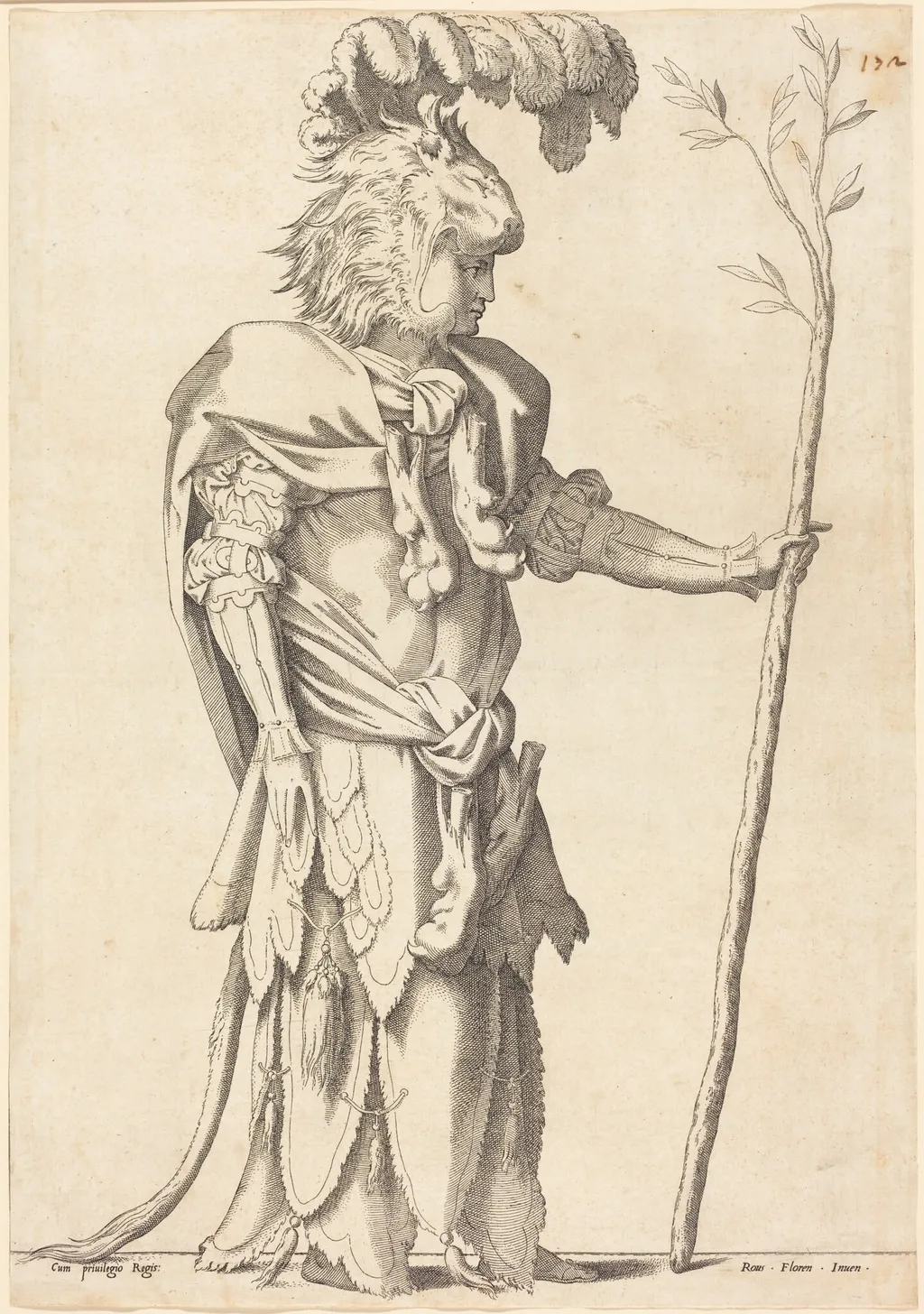
Figure Costumed as Hercules is an ink print by the Renaissance artist French 16th Century. It dates from 1539 and is held in the collection of the National Gallery of Art. This black-and-white etching depicts a muscular male figure dressed in a theatrical Roman military costume.
About this work
Overview
The composition emphasizes detailed linework to define musculature and fabric folds, characteristic of printmaking practices in the early modern period.
This black-and-white etching depicts a muscular male figure dressed in a theatrical Roman military costume. Rendered on laid paper, the image is the product of an etching technique, in which lines are incised into a metal plate, inked, and transferred to paper under pressure. The composition emphasizes detailed linework to define musculature and fabric folds, characteristic of printmaking practices in the early modern period.
Subject & Meaning
The figure combines attributes of Hercules—symbolizing strength and heroism—with the regalia of a Roman soldier, including a plumed helmet and armor. The inclusion of a cluster of grapes introduces a contrasting element of abundance or Dionysian revelry, suggesting a fusion of classical ideals: physical prowess and earthly indulgence. The hybrid costume implies allegorical or satirical intent, possibly referencing contemporary cultural performances.
Technique & Style
The artist employed etching to achieve fine, controlled lines that model form and texture. The musculature and drapery are rendered with precise, incised strokes, demonstrating mastery of the medium’s capacity for detail. The use of laid paper, with its visible chain lines, was standard for prints of the era, enhancing the tactile quality of the impression and grounding the image in its material context.
History & Provenance
Though the artist’s identity is not specified, the work aligns with 16th- or 17th-century European print traditions, where mythological and classical themes were frequently adapted for decorative or intellectual audiences. Such prints were often circulated as standalone images or as studies for larger works, serving collectors and artists alike. Its survival suggests it was valued for its craftsmanship rather than its original context.
Context
During the Renaissance and Baroque periods, classical mythology was frequently reimagined in visual culture to reflect contemporary ideals of virtue, power, and spectacle. Costumed figures like this one appeared in court entertainments, theatrical productions, and emblem books. This print likely reflects a broader fascination with blending heroic iconography with performative dress, bridging ancient narrative and early modern spectacle.
Legacy
As a print, this image contributed to the dissemination of classical motifs beyond elite circles, making mythological imagery accessible through reproduction. Its technical precision exemplifies the role of etching in preserving and transmitting visual ideas across regions and generations. Though not widely attributed, it remains a representative example of how classical themes were visually adapted in early modern print culture.
Artist & collection

Artist
A French artist from the 1500s made metal sculptures and prints that feel like Renaissance snapshots.

![Allegory of the Life of a Scholar in a Rich Household [fol. 3 verso / 4 recto], by French 16th Century](https://artifactworldgallery.com/img/french-16th-century--allegory-of-the-life-of-a-scholar-in-a-rich-household-fol-3--52df746155b443e5-w320.webp)
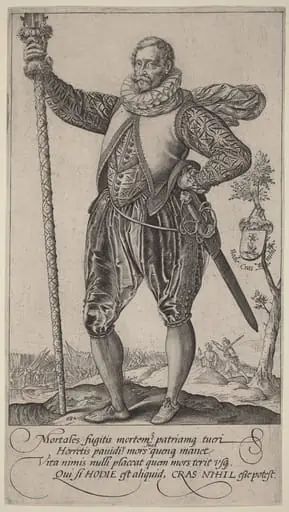 A Pike-Man Turned to the Left
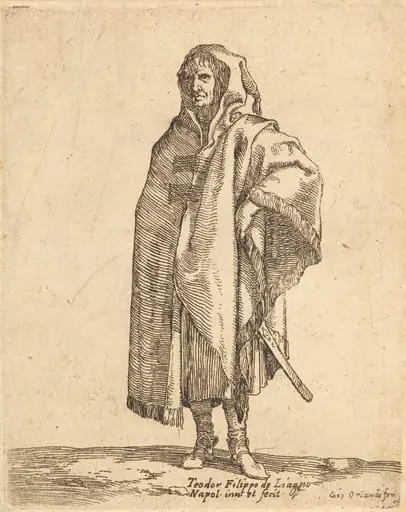 Standing Soldier in a Long Cloak
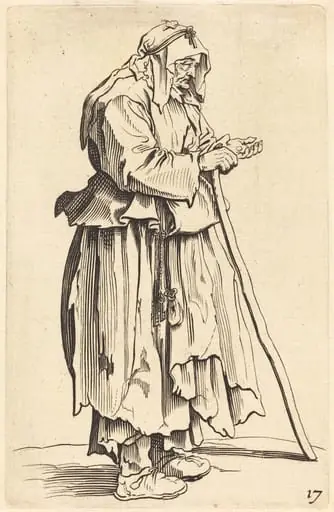 Beggar Woman Receiving Charity
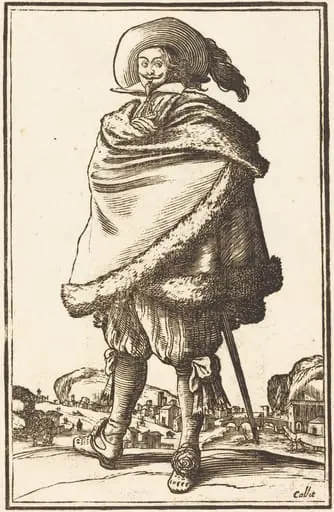 Noble Man Wrapped in a Mantle Trimmed with Fur
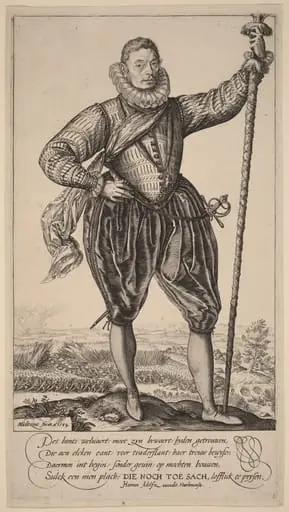 Gerrit de Jong
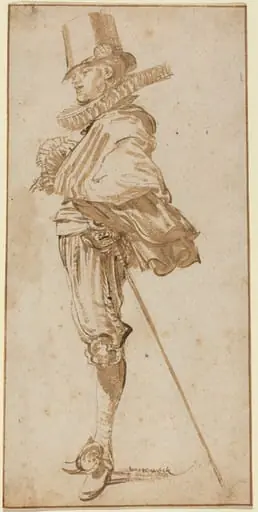 Standing Cavalier Wearing a Sword
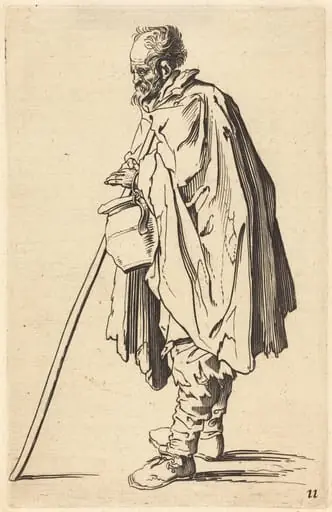 Beggar with Pot
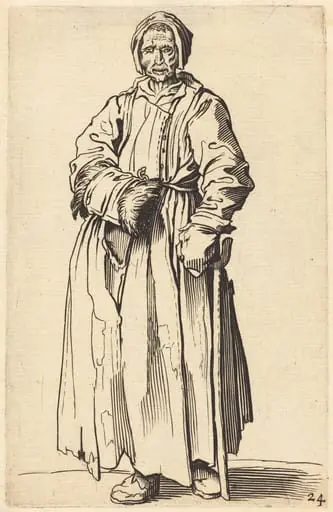 One-Eyed Woman
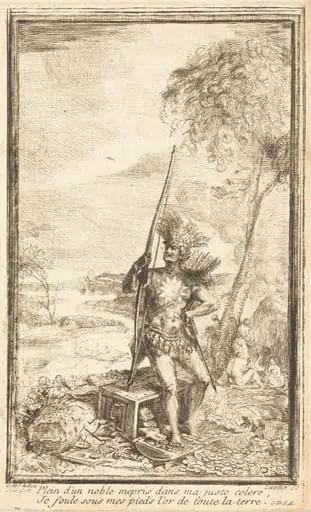 Frontispiece: Allegorical Composition (Composition allegorique)
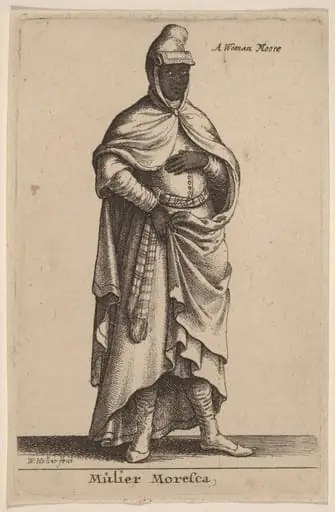 Mulier Moresca
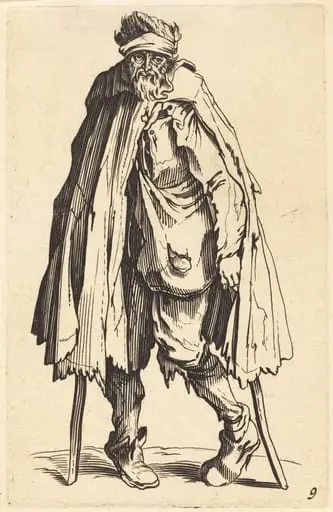 Beggar with Crutches and Sack
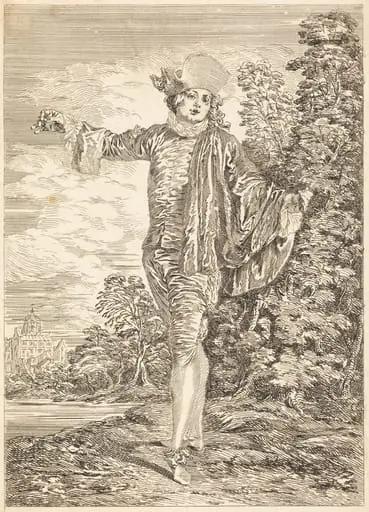 Indifferent (L'Indifférent)