Artwork
Thomas Becon, Protestant Divine
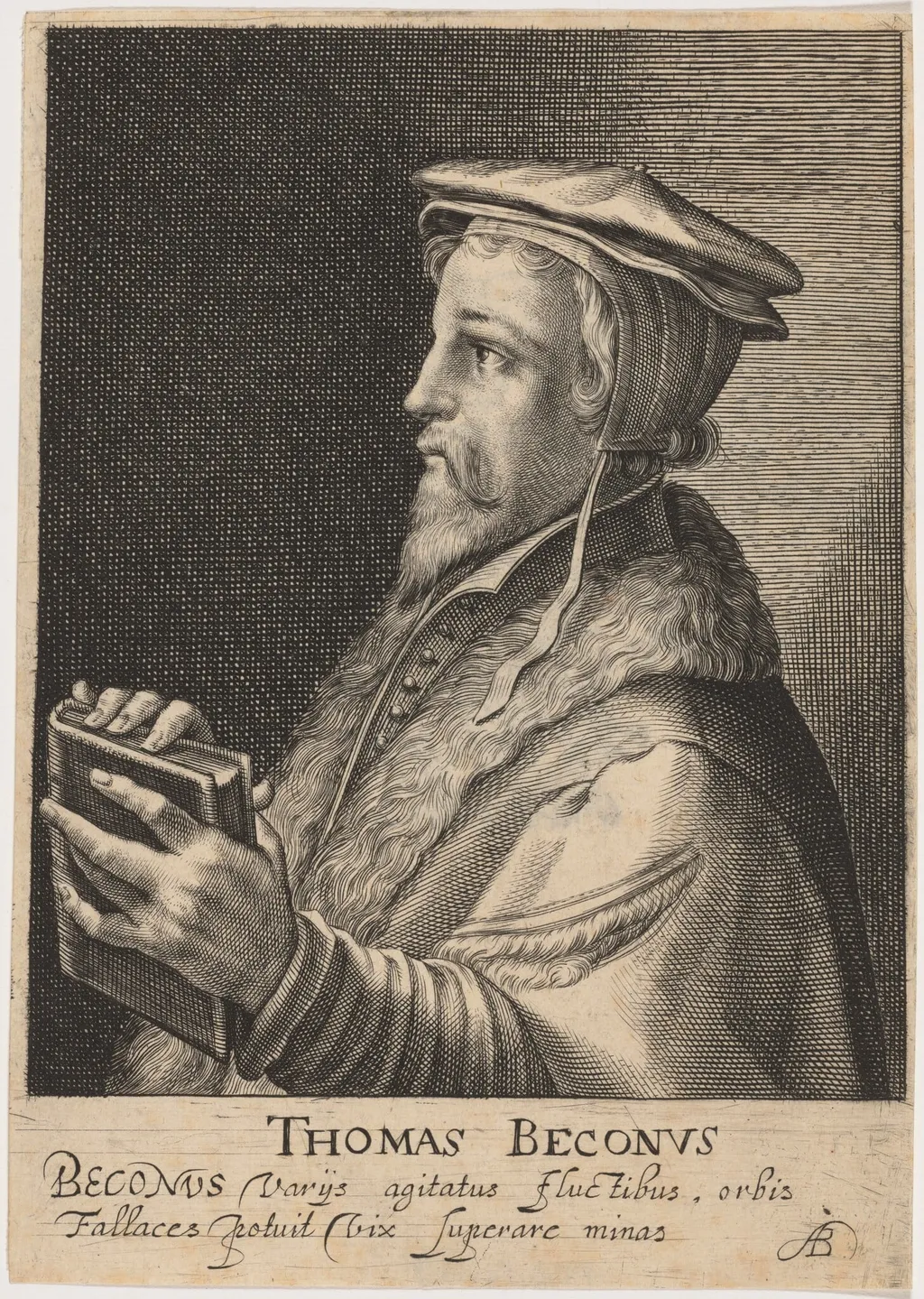
Thomas Becon, Protestant Divine is an ink print by the Baroque artist Magdalena van de Passe. It dates from 1620 and is held in the collection of the National Gallery of Art.
About this work
Overview
Rendered in monochrome, the portrait presents him in formal attire with a fur-lined collar and cap, conveying his clerical status.
This 1620 engraving by Magdalena van de Passe depicts Thomas Becon, a 16th-century English Protestant writer and clergyman. Rendered in monochrome, the portrait presents him in formal attire with a fur-lined collar and cap, conveying his clerical status. The image was produced through intaglio printing, a technique involving incised lines on a metal plate, inked and pressed onto paper to create a detailed, reproducible image.
Subject & Meaning
Thomas Becon was a prominent Protestant reformer known for his devotional writings. The portrait captures him in a contemplative pose, hand resting on his chest and holding a small text, suggesting piety and intellectual engagement. The inclusion of his name and a Latin inscription reinforces his identity and scholarly reputation within the Reformation movement, positioning him as a figure of moral and theological authority.
Technique & Style
Magdalena van de Passe employed fine, precise lines to model the subject’s features and textures, characteristic of Northern European engraving traditions. The dark, stippled background adds spatial depth without distraction, focusing attention on the figure. The rendering of fabric, beard, and book demonstrates mastery in translating tonal variation into engraved lines, a hallmark of skilled printmaking of the period.
History & Provenance
Created in 1620, the engraving was likely produced as part of a series of Protestant reformers’ portraits, intended for dissemination among religious communities. Magdalena van de Passe, daughter of the engraver Crispin van de Passe, was active in Utrecht and known for her portraiture. The print’s survival in institutional collections suggests its use in educational or devotional contexts during the early 17th century.
Context
In the decades following the English Reformation, printed portraits of Protestant leaders served to legitimize and memorialize their roles in religious change. Becon’s image, circulated in print, aligned with broader efforts to shape public memory of reformers. Engravings like this were accessible compared to paintings, making them tools for religious instruction and identity formation among literate audiences across Europe.
Legacy
The engraving remains a documented representation of Thomas Becon, preserving his visual identity for later generations. As one of the few surviving portraits of him, it contributes to historical understanding of how Protestant figures were visually constructed in print culture. Magdalena van de Passe’s work exemplifies the role of women in early printmaking, though often under-recognized in art historical narratives.
Artist & collection

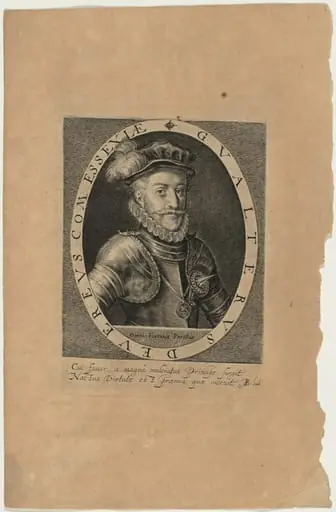 Walter Devereux, First Earl of Essex
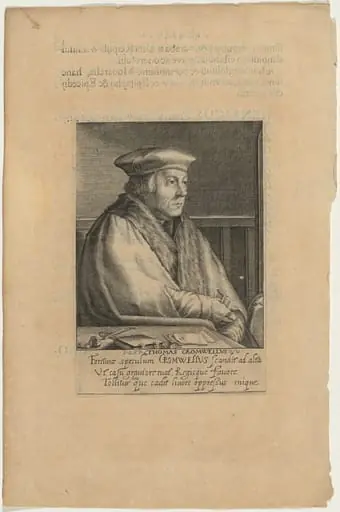 Thomas Cromwell, Earl of Essex
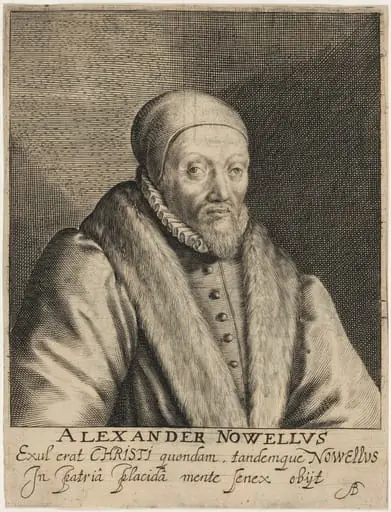 Alexander Nowell, Dean of Saint Paul's
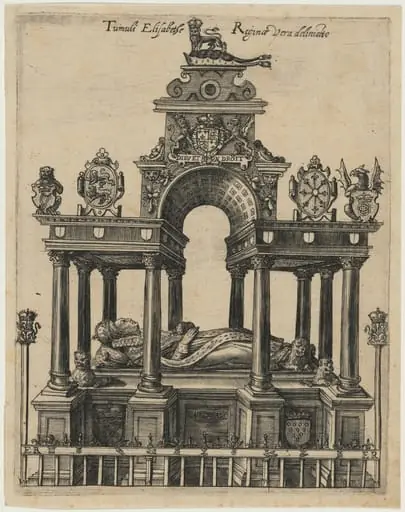 Elizabeth's Tomb
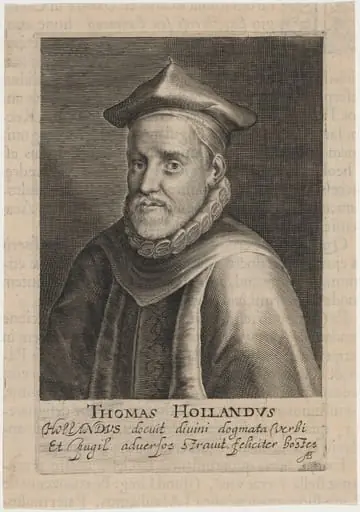 Thomas Holland, Regius Professor of Divinity at Oxford, and Rector of Exeter College
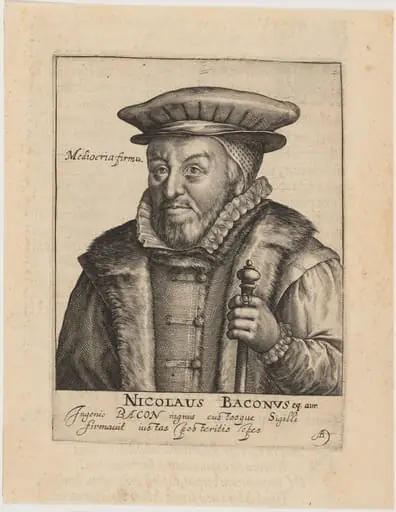 Sir Nicholas Bacon, Lord Keeper
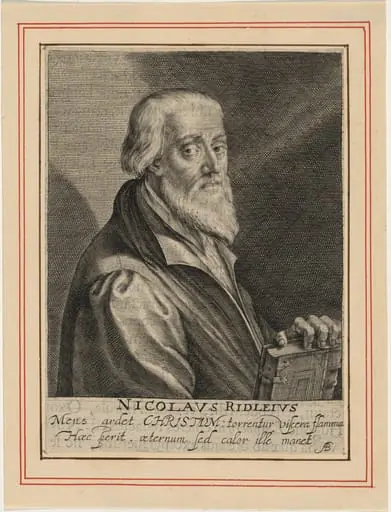 Nicholas Ridley, Bishop of London, Protestant Martyr
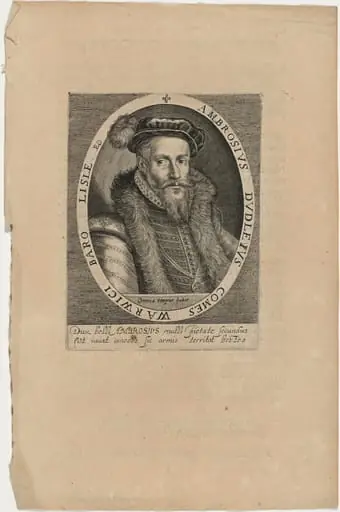 Ambrose Dudley, Earl of Warwick
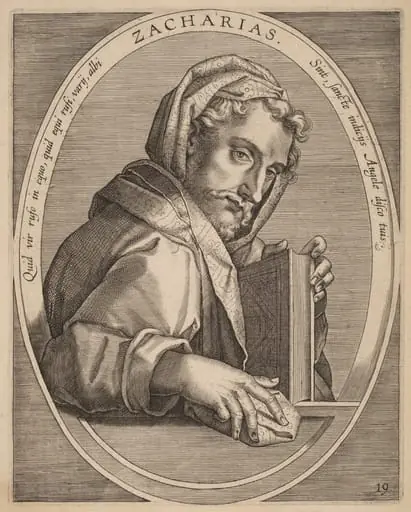 Zaccarias
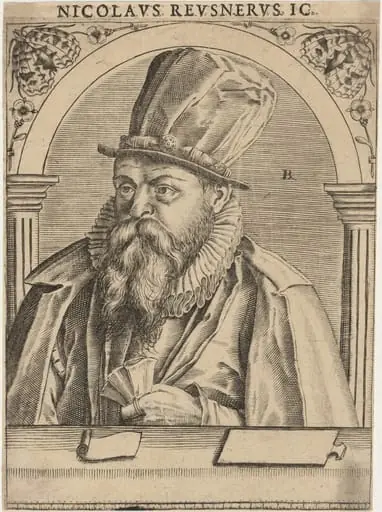 Nicolas Reusner
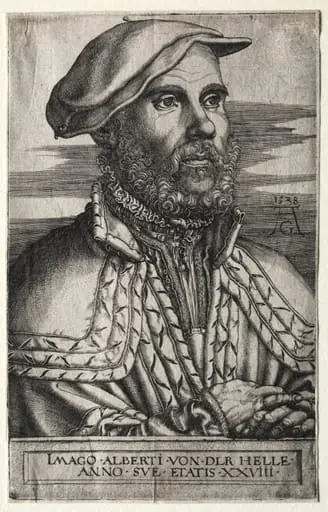 Albert van der Helle
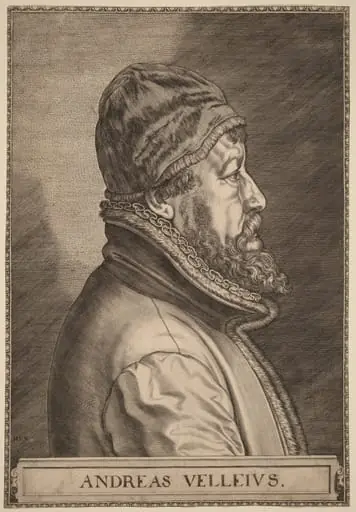 Andreas Velleius (Anders Sorensen Vedel)
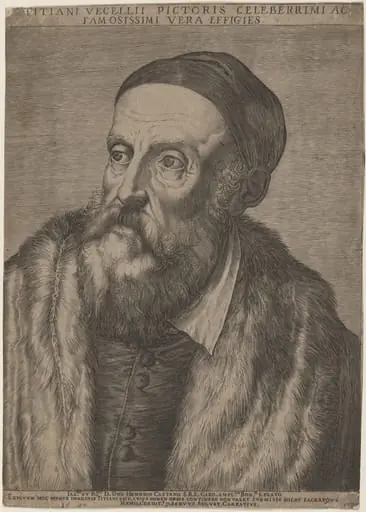 Titian
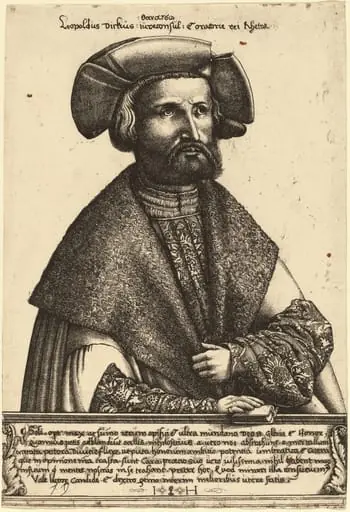 Leopold Dick
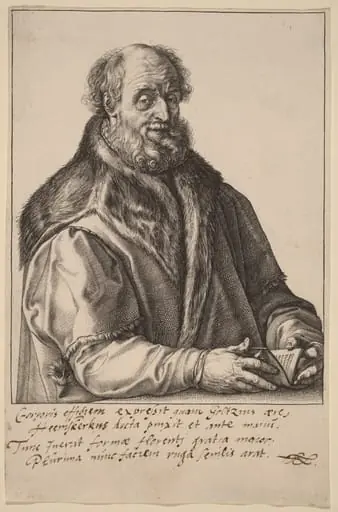 Johannes Zurenus (Jan van Zuren)
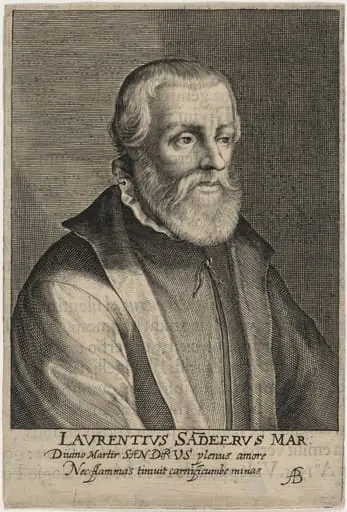 Laurence Saunders, Prebendary of York, Protestant Martyr
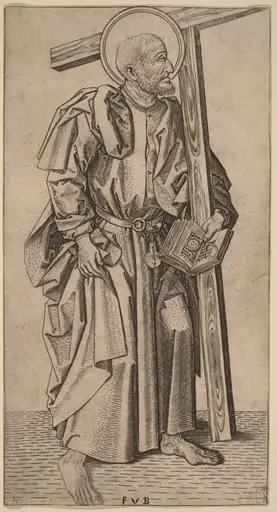 Saint Simon
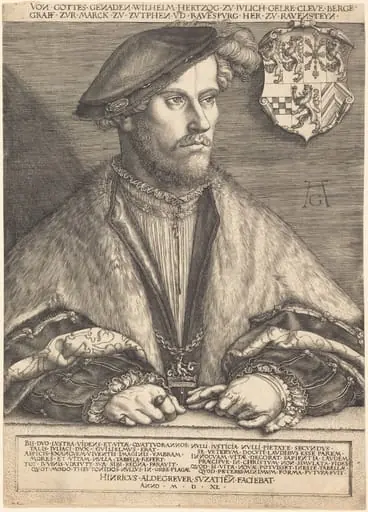 Wilhelm V, Duke of Julich, Cleve and Berg
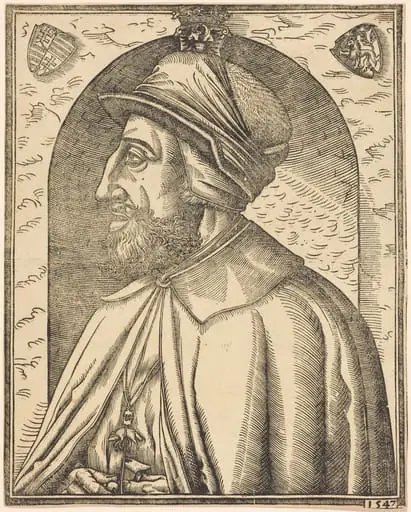 King Ferdinand of Austria
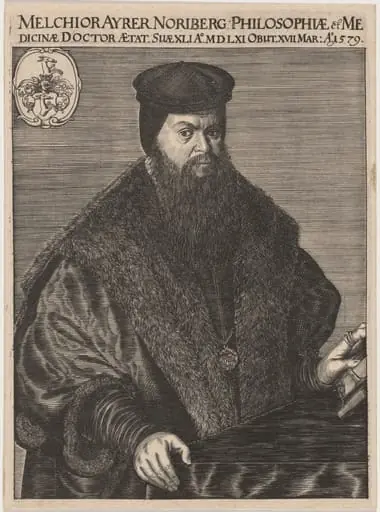 Melchior Ayrer, Philosopher and Doctor