Artwork
The Resurrection
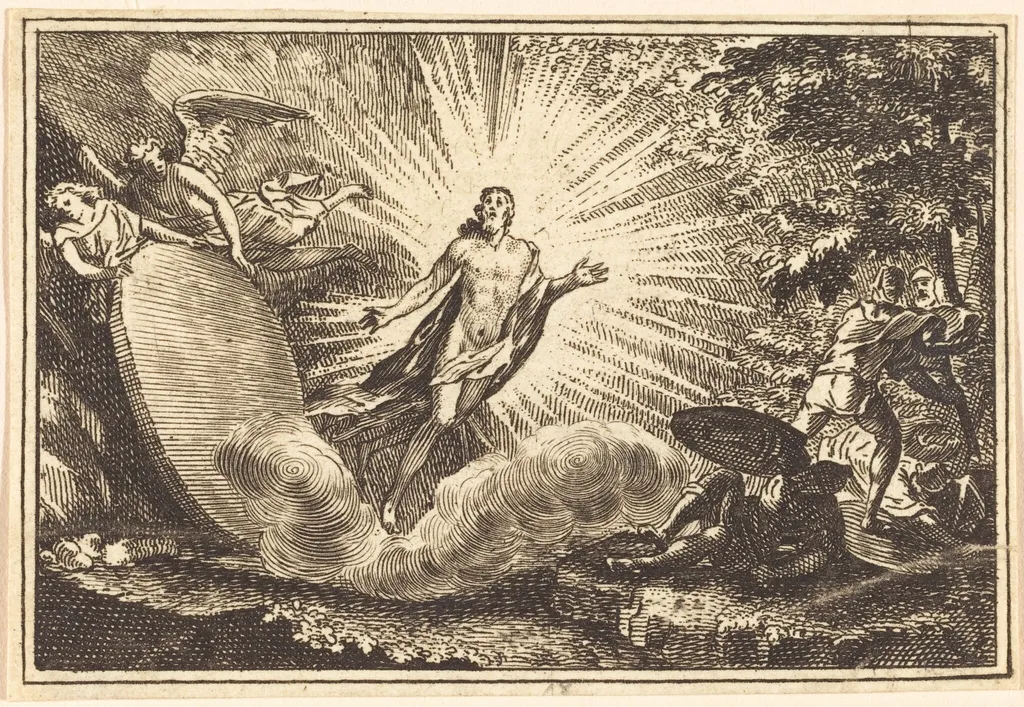
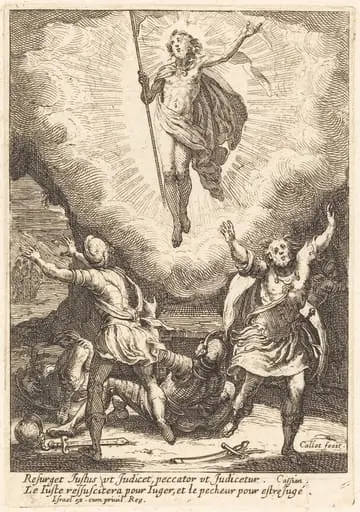
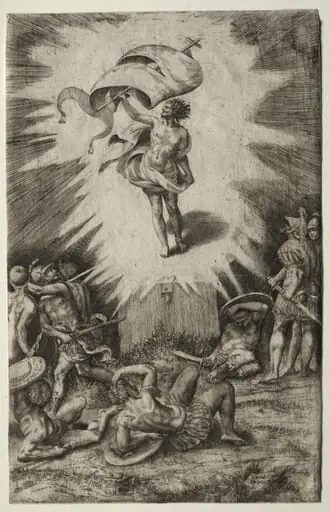
The Resurrection is an ink print by the Baroque artist French 17th Century. It dates from 1650 and is held in the collection of the National Gallery of Art.
About this work
Overview
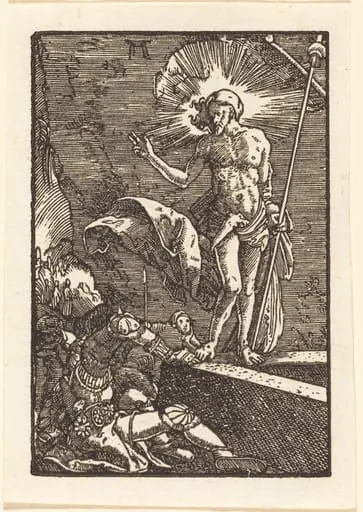
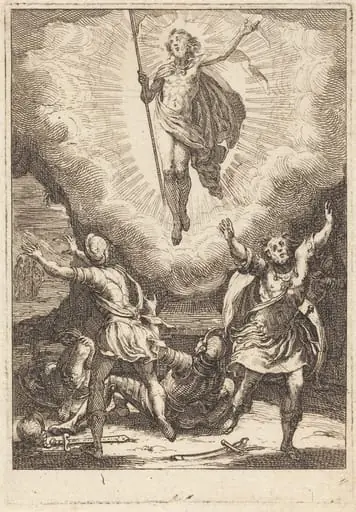
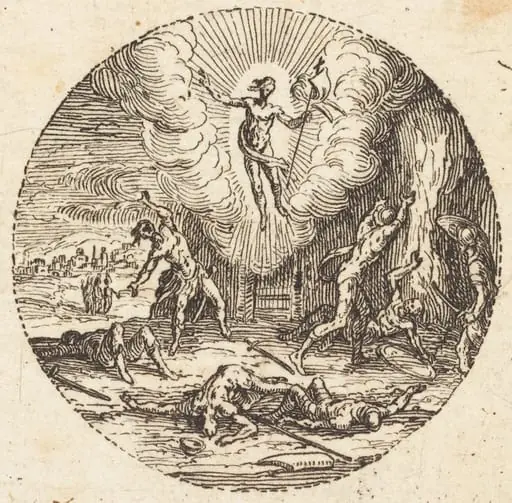
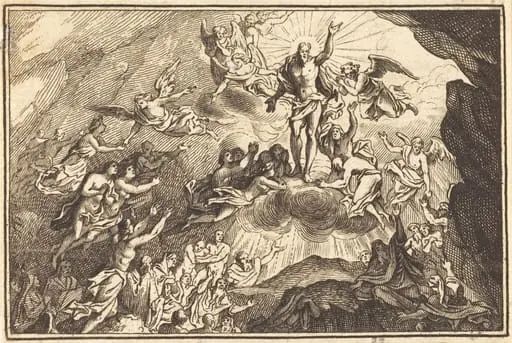
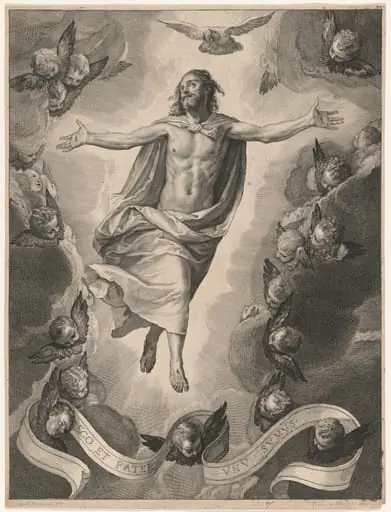
The Resurrection is an engraving print depicting the moment of Jesus' resurrection. The composition contrasts a radiant, glowing light surrounding Jesus with a dark, shadowy environment, where guards lie asleep near the tomb.
Subject & Meaning
The engraving illustrates a pivotal Christian narrative: Jesus emerging from his tomb. The stark contrast between light and darkness symbolizes spiritual awakening and the miraculous nature of the event.
Technique & Style
Created through metal engraving, the print features intricate, finely etched lines that achieve high detail in textures of fabric, skin, and armor. The dramatic chiaroscuro enhances the emotional impact of the scene.
History & Provenance
The engraving is part of the collection at the National Gallery of Art in Washington, D.C., though the artist and exact date of creation are not specified in the provided information.
Context
As a religious engraving, it reflects the artistic and theological preoccupations of its time, likely serving as a devotional or illustrative piece for Christian audiences.
Legacy
While specific influence or renown of this particular engraving is not detailed, it contributes to the broader tradition of Christian art and the technical evolution of engraving as an artistic medium.
Artist & collection

Artist
Seventeenth-century French printmakers turned ink into story. Their tools were burin and acid, paper their stage. Look at the Beggar Woman with Rosary (1622), etched on laid paper, her hands folded around faith, or The…