Artwork
Title Page for Giacomo Bosio, Crux Triumphans et Gloriosa
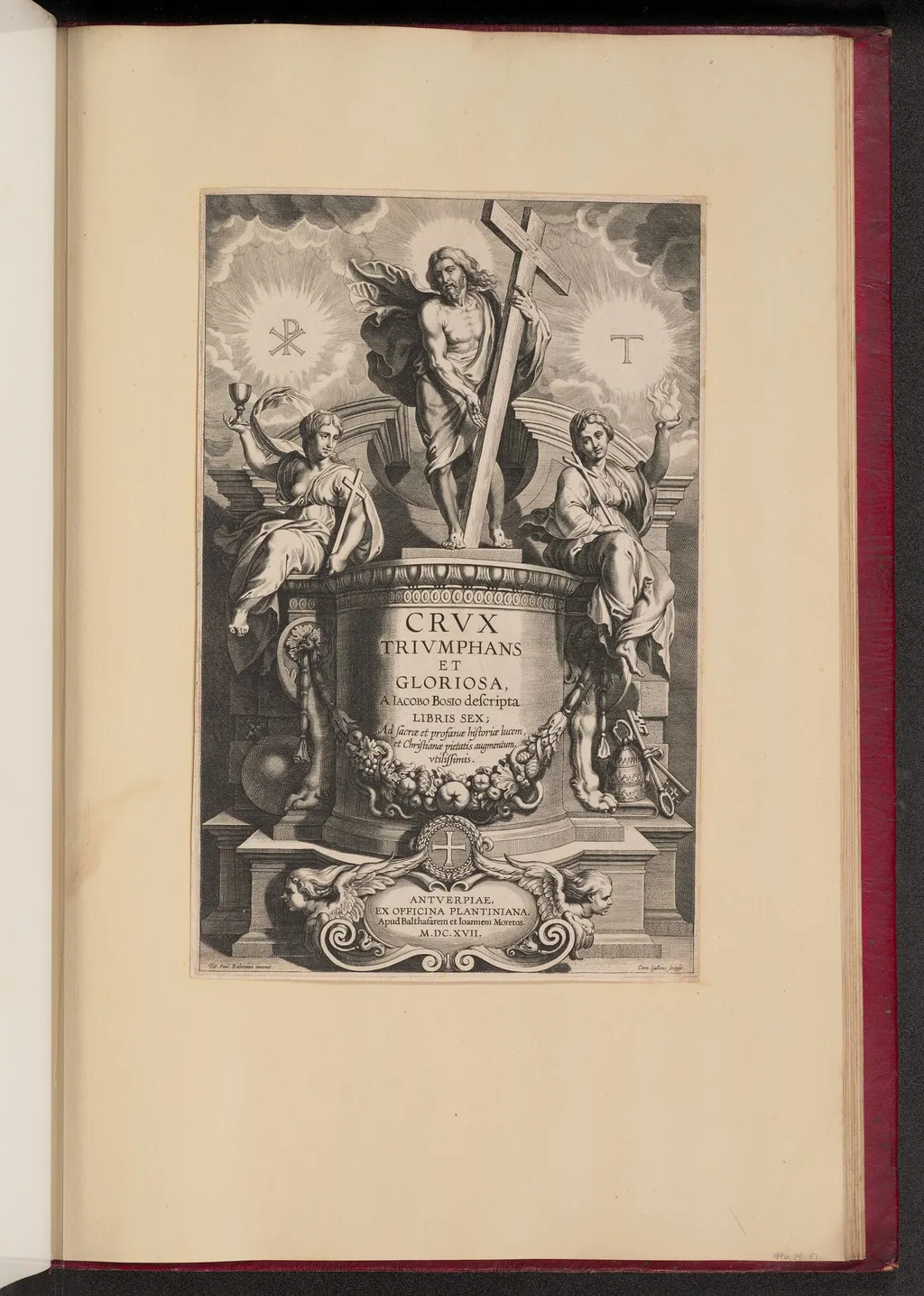
Title Page for Giacomo Bosio, Crux Triumphans et Gloriosa is an ink print by the Baroque artist Cornelis Galle I. It dates from 1617 and is held in the collection of the National Gallery of Art. Cornelis Galle the Elder’s 1617 engraving serves as the title page for Giacomo Bosio’s work *Crux Triumphans et Gloriosa*.
About this work
Overview
Cornelis Galle the Elder’s 1617 engraving serves as the title page for Giacomo Bosio’s work *Crux Triumphans et Gloriosa*. Executed on laid paper, the print introduces the book’s subject through a complex, multi‑figure composition that combines religious iconography with typographic elements.
Subject & Meaning
At the centre stands a figure of Christ bearing a large cross, flanked by two angels. Above them, clouds and radiating light suggest a heavenly setting, while the Latin title rests on a pedestal below, emphasizing the triumph and glory of the cross as the central theological theme.
Technique & Style
The image is rendered with fine, intersecting lines that create a rich texture and a sense of depth. Galle’s handling of light and shadow intensifies the drama, guiding the eye toward the central Christ figure and enhancing the three‑dimensional illusion on a flat surface.
History & Provenance
Born in Antwerp in 1576, Galle trained under his father Philip before spending several years in Rome, where he refined his engraving practice. After returning to Antwerp, he established himself as a printseller and engraver, and this title page reflects both his early design education and his later commercial activity.
Context
The print aligns with early‑17th‑century Counter‑Reformation visual culture, which emphasized the victorious and redemptive power of the cross. Its elaborate decorative program mirrors the period’s taste for ornate book frontispieces that combined devotional imagery with scholarly presentation.
Legacy
While primarily a functional frontispiece, the engraving illustrates Galle’s skill in integrating narrative content with typographic design, contributing to the development of book illustration practices in the Low Countries during the Baroque era.
Artist & collection

Artist
Cornelis Galle the Elder (1576 – 29 March 1650), a younger son of Philip Galle, was born at Antwerp in 1576, and was taught engraving by his father.

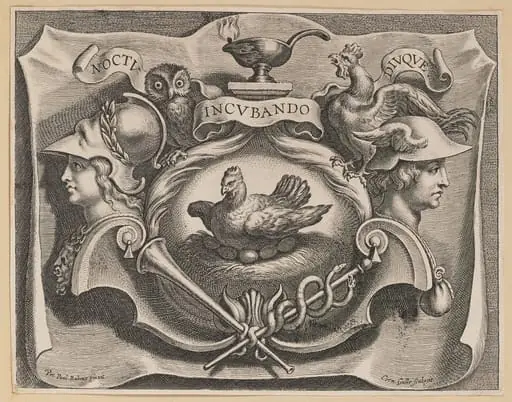 Vignette for the Title Page of Martinus Bonacina, Opera Omnia
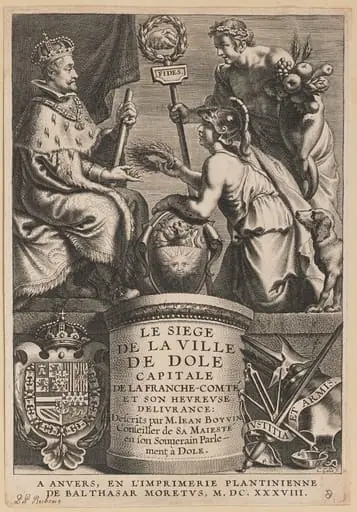 Title Page for Jean Boyvin, Le Siege de la Ville de Dole
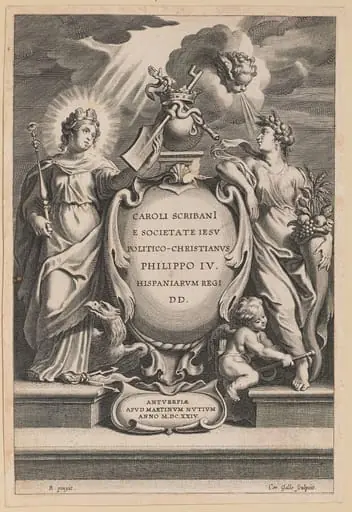 Title Page for Carolus Scribani, Politico-Christianus
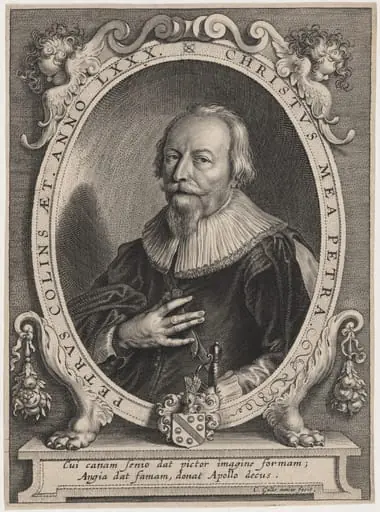 Petrus Collins
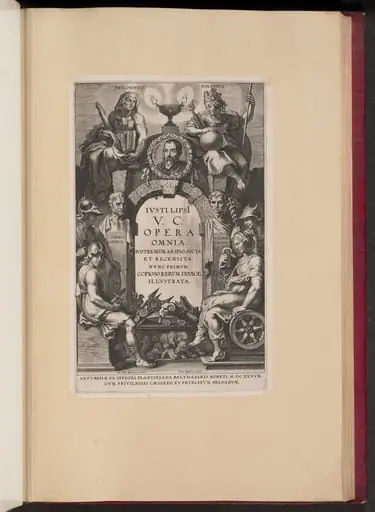 Title Page for Justus Lipsius, Opera Omnia, I
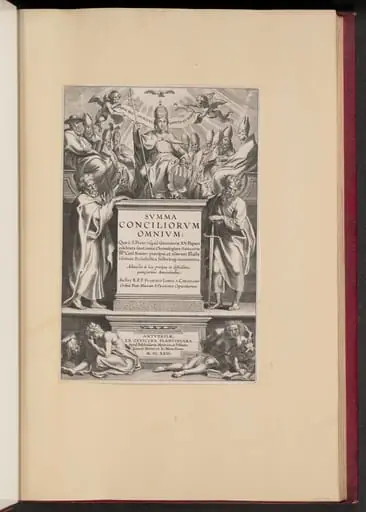 Title Page for F. Longo a Coriolano's "Svmma Conciliorvm Omnivm"
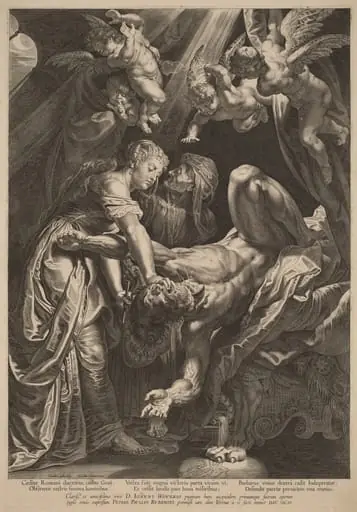 Judith Beheading Holofernes
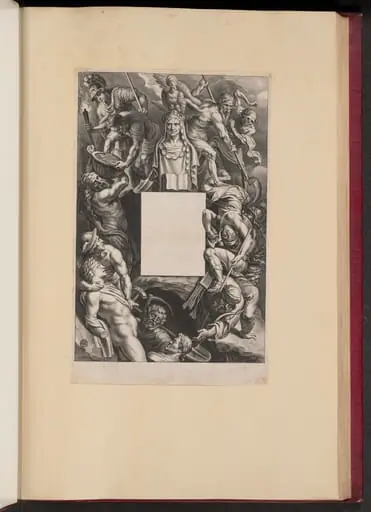 Title Page for Hubert Goltzius, Romanae et Graecae Antiqvitatis Monvmenta (Opera Omnia, I)
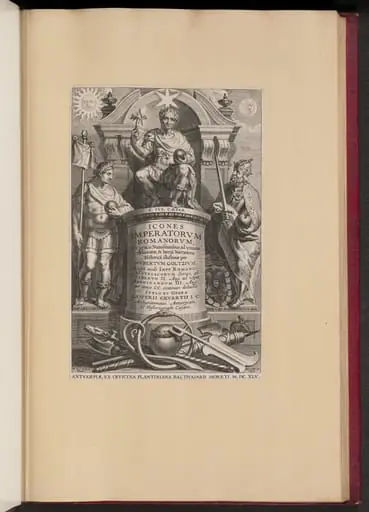 Title Page for Hubert Goltzius's Icones Imperatorvm Romanorvm (Opera Omnia, V)
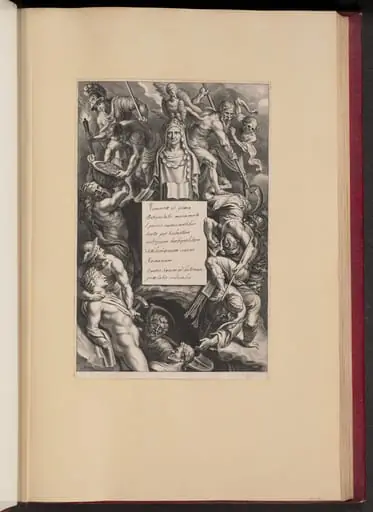 Title Page for Hubert Goltzius, Romanae et Graecae Antiqvitatis Monvmenta (Opera Omnia, I)
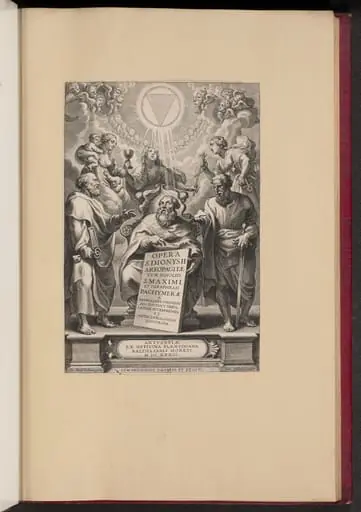 Title Page for Balthasar Cordier's "Opera S. Dionysii Areopagitae, I"
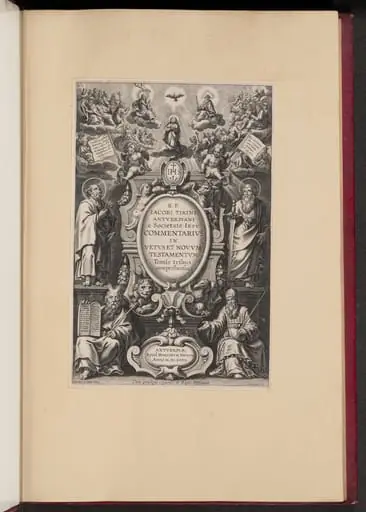 Title Page for R.P. Jacobi Tirini's "Commentarius in Vetvs et Novvm Testamentvm"
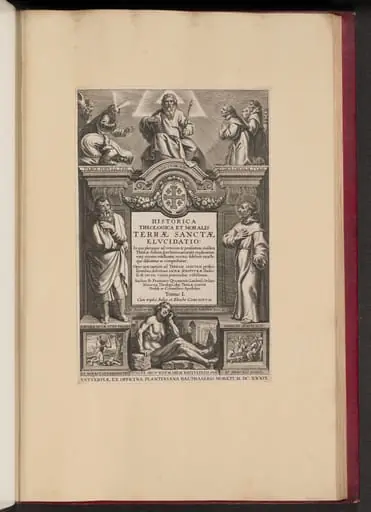 Title Page for Franciscus Aguilonius, Historica Theologica et Moralis Terrae Sanctae Elvcidatio
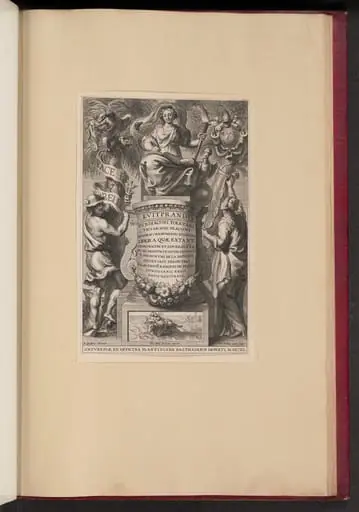 Title Page for Liutprand, Opera