Artwork
Title Page for Hubert Goltzius, Romanae et Graecae Antiqvitatis Monvmenta (Opera Omnia, I)
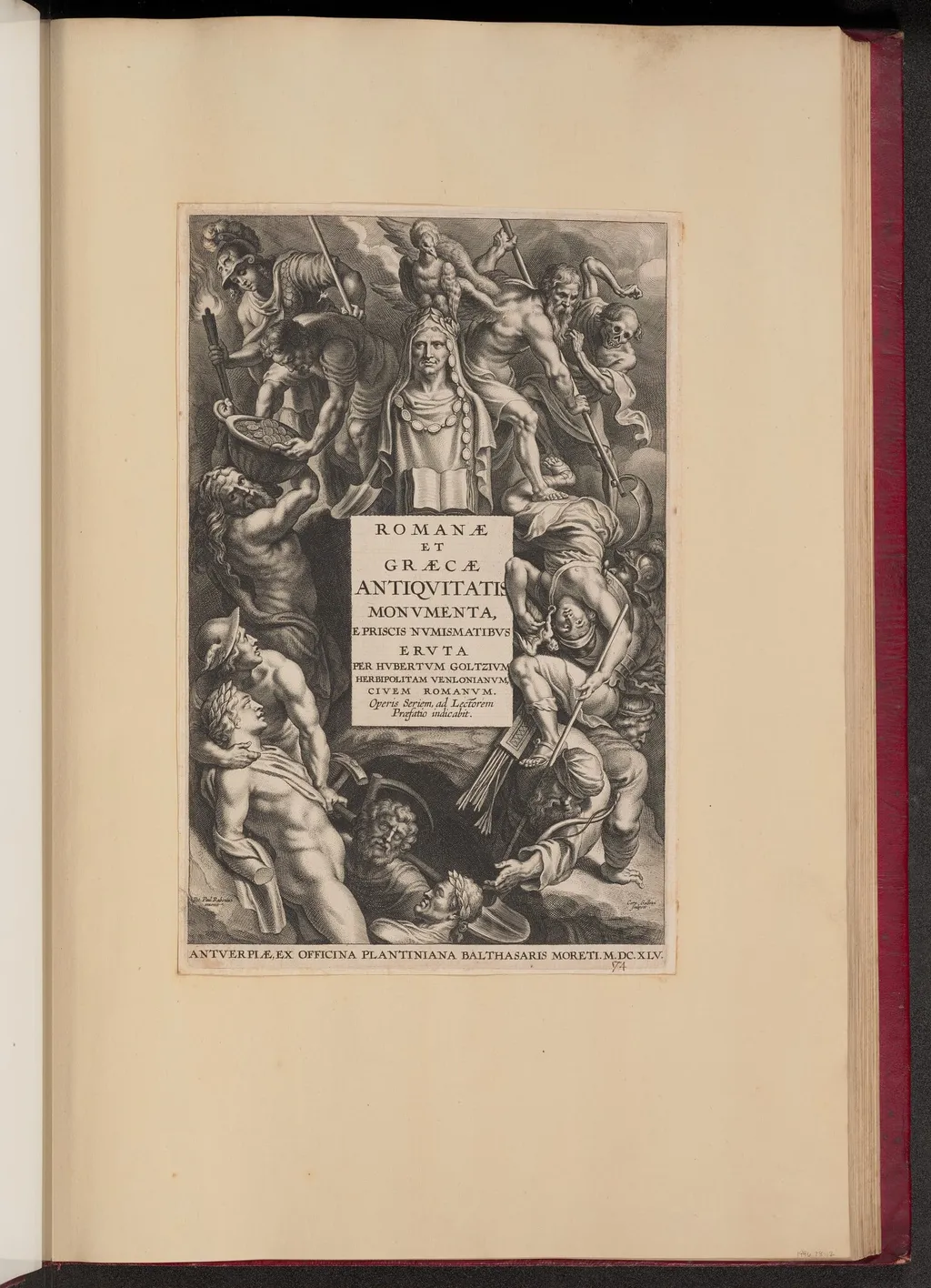
Title Page for Hubert Goltzius, Romanae et Graecae Antiqvitatis Monvmenta (Opera Omnia, I) is an ink print by the Baroque artist Cornelis Galle I. It dates from 1645 and is held in the collection of the National Gallery of Art.
About this work
Overview
Cornelis Galle the Elder, a Flemish engraver born in Antwerp in 1576, produced the title page for Hubert Goltzius’s *Romanae et Graecae Antiquitatis Monumenta* in 1645. Executed as an engraving on laid paper, the print serves as the frontispiece for the scholarly work on Roman and Greek antiquities, introducing the volume with a densely populated, dramatic scene.
Subject & Meaning
The composition depicts a bustling crowd engaged in conflict, with figures displaying fatigue, fear, and aggression. Central to the tableau stands a solitary woman, upright and armed with a spear, drawing the viewer’s focus amid the surrounding turmoil. The Latin inscription above references ancient Roman and Greek artifacts, linking the visual chaos to the scholarly study of antiquity.
Technique & Style
Created by incising lines into a metal plate, the engraving showcases Galle’s refined handling of line and hatching to render sharp, detailed figures against a relatively dark background. The use of laid paper provides a subtle texture that enhances the contrast between the densely packed foreground and the subdued rear space, characteristic of mid‑17th‑century Flemish printmaking.
History & Provenance
Galle’s training under his father, Philip Galle, and the influence of his brother Theodoor shaped his early development, while an extended period in Rome allowed him to perfect his engraving skills. After returning to Antwerp, he worked both as an engraver and a printseller, and the 1645 title page was produced decades after his Italian studies, reflecting his mature craftsmanship.
Context
The frontispiece appears within a broader 17th‑century interest in classical antiquity, a scholarly trend that Goltzius’s publication exemplifies. Antwerp’s vibrant print market provided a venue for such works, and Galle’s involvement underscores the city’s role as a hub for the dissemination of learned material through high‑quality visual accompaniments.
Artist & collection

Artist
Cornelis Galle the Elder (1576 – 29 March 1650), a younger son of Philip Galle, was born at Antwerp in 1576, and was taught engraving by his father.

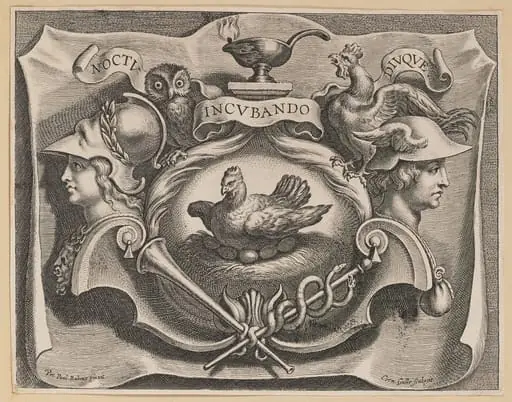 Vignette for the Title Page of Martinus Bonacina, Opera Omnia
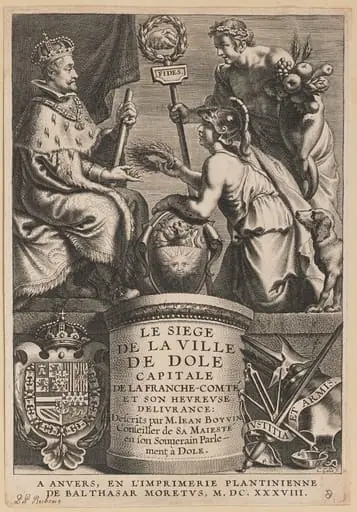 Title Page for Jean Boyvin, Le Siege de la Ville de Dole
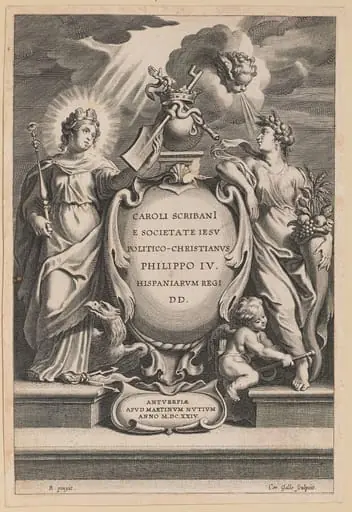 Title Page for Carolus Scribani, Politico-Christianus
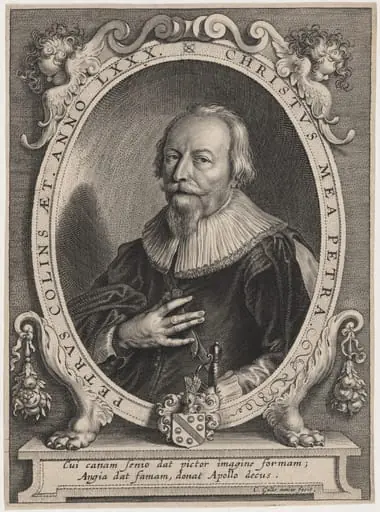 Petrus Collins
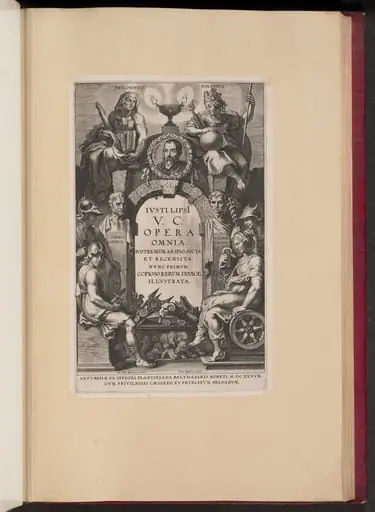 Title Page for Justus Lipsius, Opera Omnia, I
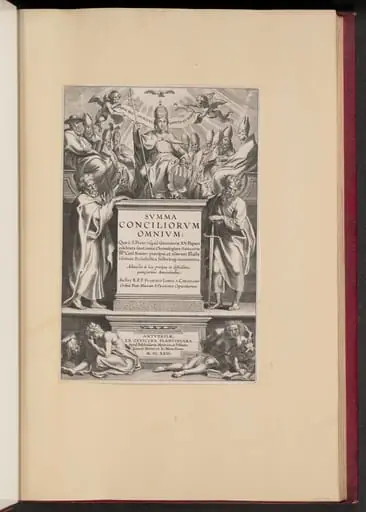 Title Page for F. Longo a Coriolano's "Svmma Conciliorvm Omnivm"
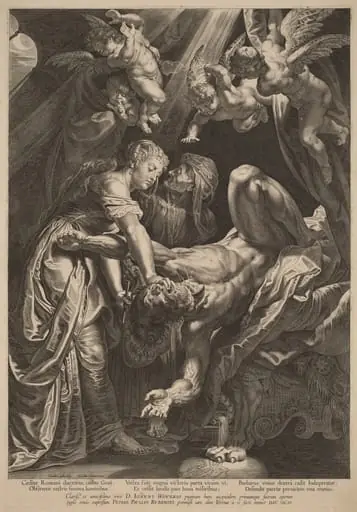 Judith Beheading Holofernes
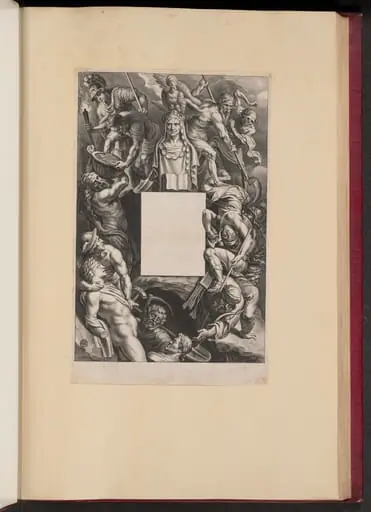 Title Page for Hubert Goltzius, Romanae et Graecae Antiqvitatis Monvmenta (Opera Omnia, I)
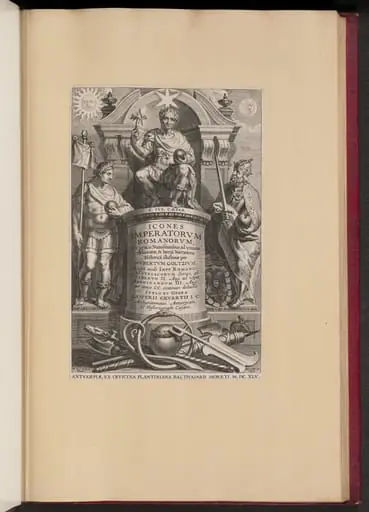 Title Page for Hubert Goltzius's Icones Imperatorvm Romanorvm (Opera Omnia, V)
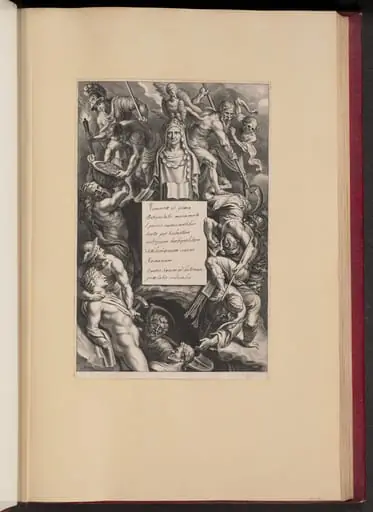 Title Page for Hubert Goltzius, Romanae et Graecae Antiqvitatis Monvmenta (Opera Omnia, I)
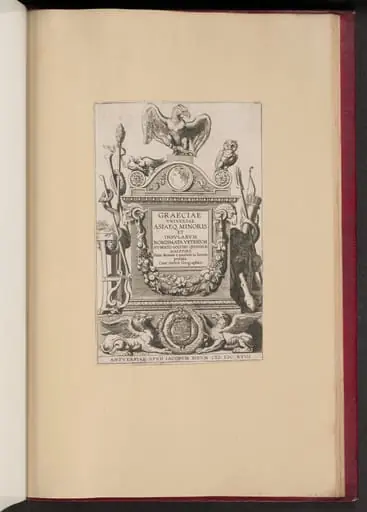 Title Page for Hubert Goltzius, Graeciae Vniversae Asiaeq. Minoris et Insularum Nomismata
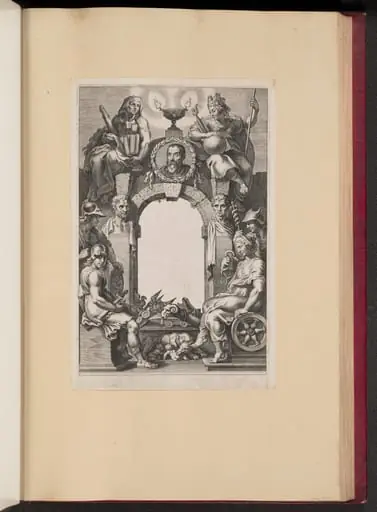 Title Page for Justus Lipsius, Opera Omnia, I
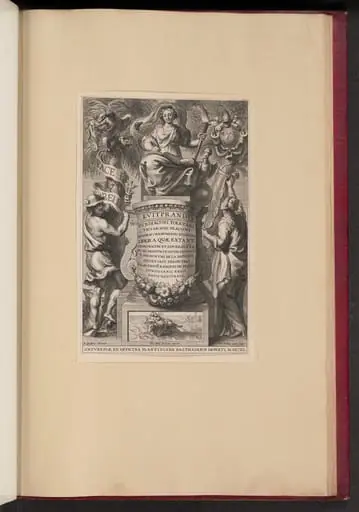 Title Page for Liutprand, Opera
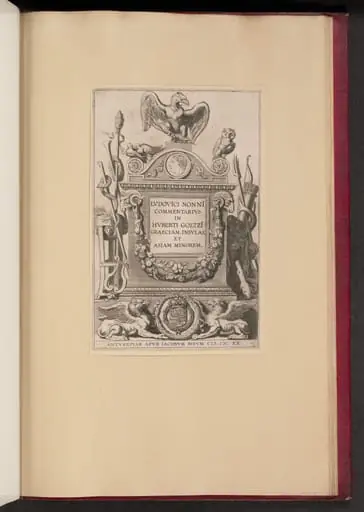 Title Page for Ludovicus Nonnius, Commentarius in Huberti Goltzi Graeciam, Insulas, et Asiam Minorem