Artwork
Mausolaeum (The Tomb of Mausolus at Halicarnassus)
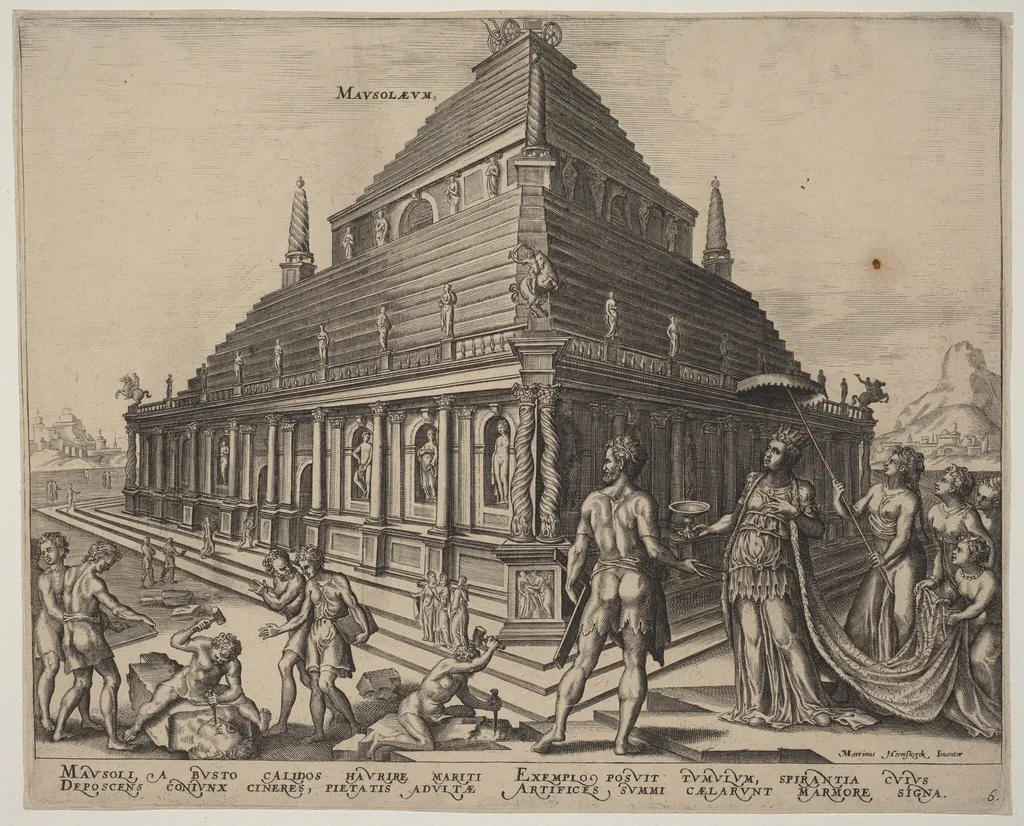
Mausolaeum (The Tomb of Mausolus at Halicarnassus) is an ink print by the Renaissance artist Philip Galle. It dates from 1572 and is held in the collection of the National Gallery of Art.
About this work
Overview
This 1572 engraving on laid paper by Philip Galle represents the Mausoleum at Halicarnassus, an ancient structure considered one of the Seven Wonders of the Ancient World. The print showcases Galle's skill in rendering architectural and sculptural details.
Subject & Meaning
The engraving depicts a grand tomb with a pyramidal shape, adorned with numerous statues and carvings. Figures in the foreground interact with the structure, while others are shown building or posing around it, highlighting the tomb's significance.
Technique & Style
Galle employed fine lines and shading to create depth and texture in the engraving, demonstrating the period's printmaking techniques. The level of detail achieved through engraving allowed for a nuanced representation of the ancient monument.
History & Provenance
Philip Galle, a Dutch publisher and engraver, created this print in 1572. He was known for reproducing works by earlier masters and producing his own prints, often focusing on historical and architectural subjects.
Context
The print reflects the 16th-century interest in classical antiquity, as well as the technical capabilities of printmaking at the time. It represents a Renaissance interpretation of an ancient wonder.
Artist & collection
Artist
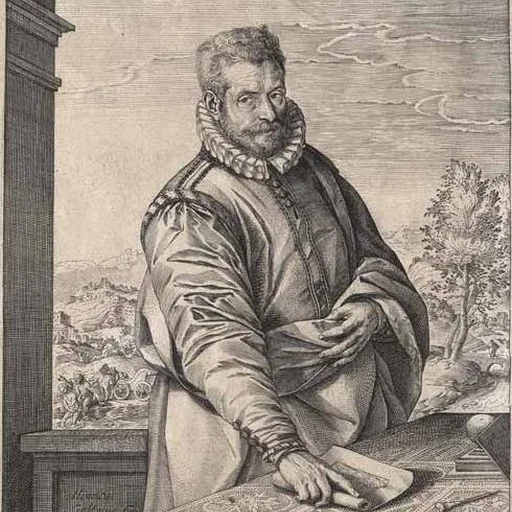
Philip (or Philips) Galle (1537 – March 1612) was a Dutch publisher, best known for publishing old master prints, which he also produced as designer and engraver. He is especially known for his reproductive engravings of paintings.

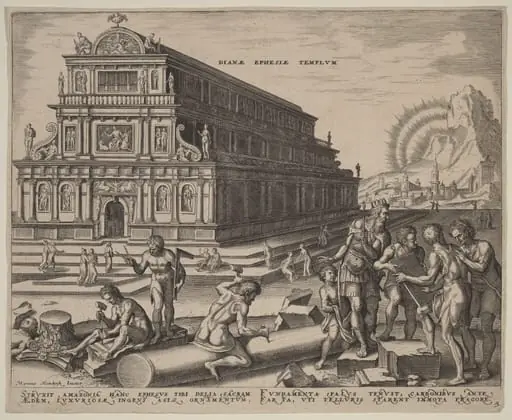 Dianae Ephesiae Templum (The Temple of Diana at Ephesus)
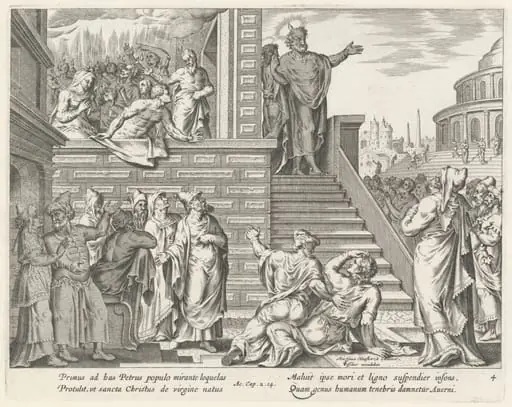 Saint Peter Speaks to the People about Christ
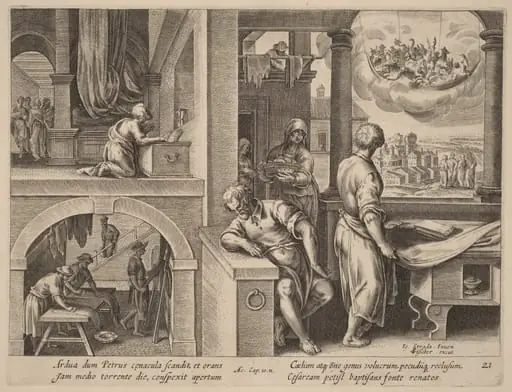 The Vision of Saint Peter
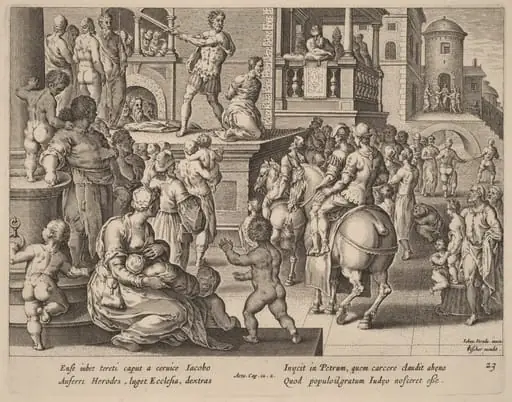 Beheading of Saint James
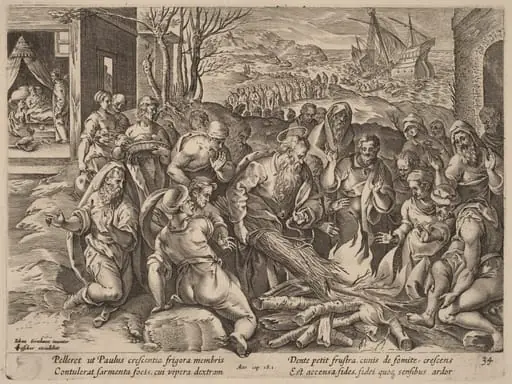 Saint Paul Shipwrecked on the Island of Melita
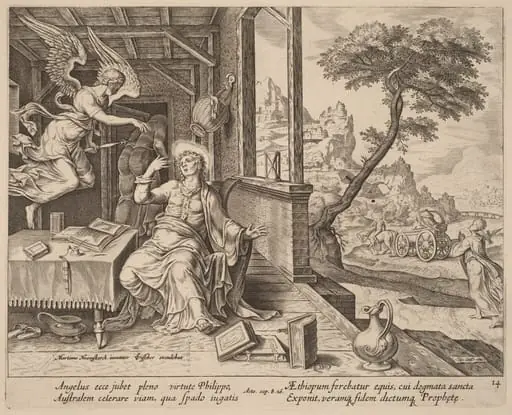 The Angel Orders Saint Philip to Accompany the Ethiopian Eunuch
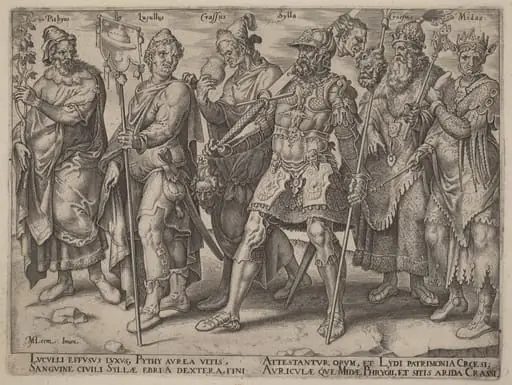 Notorious Examples of Wealth from Antiquity
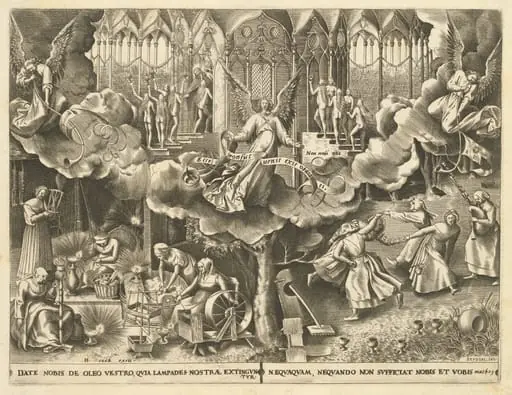 The Parable of the Wise and Foolish Virgins
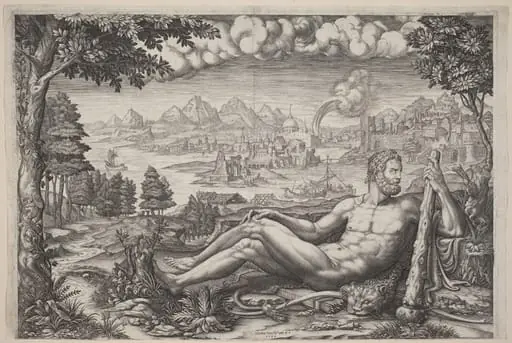 Hercules Resting from His Labors
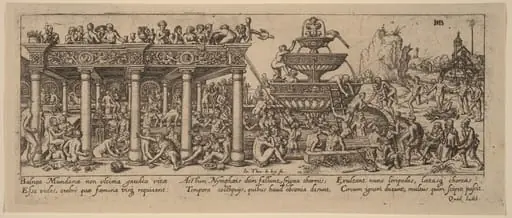 Fountain of Youth
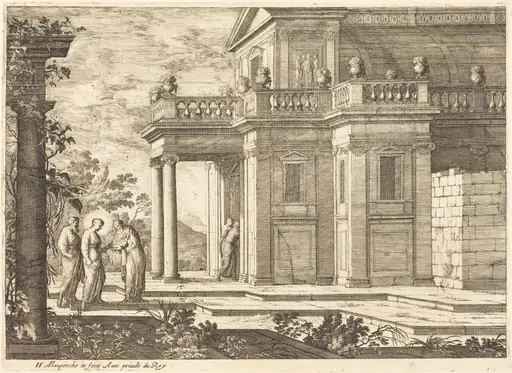 Presentation in the Temple
![Pantheum Romanum [The Roman Pantheon], by Nicolas Beatrizet](https://artifactworldgallery.com/img/nicolas-beatrizet--pantheum-romanum-the-roman-pantheon--8069db7dd8e6f190-w320.webp) Pantheum Romanum [The Roman Pantheon]
Pantheum Romanum [The Roman Pantheon]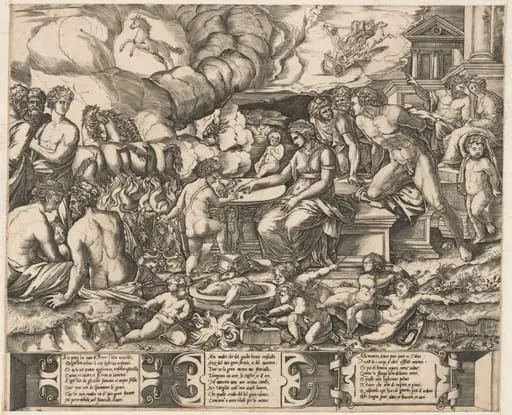 Allegory of Love
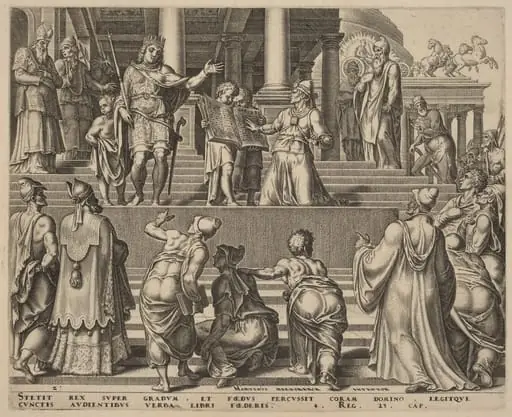 The Book of the Law Read before the People
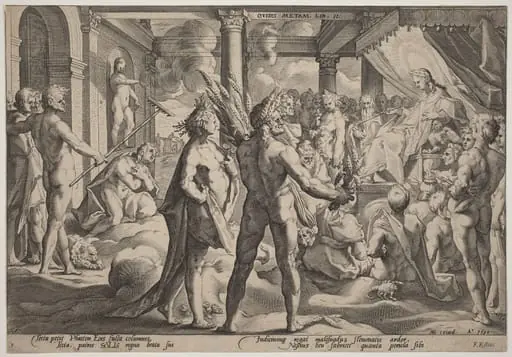 Phaeton Asking for the Chariot
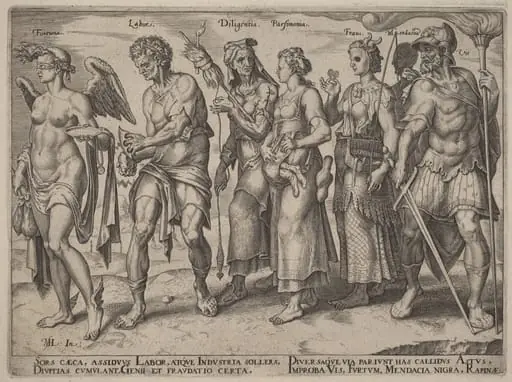 Honest and Dishonest Ways of Becoming Rich
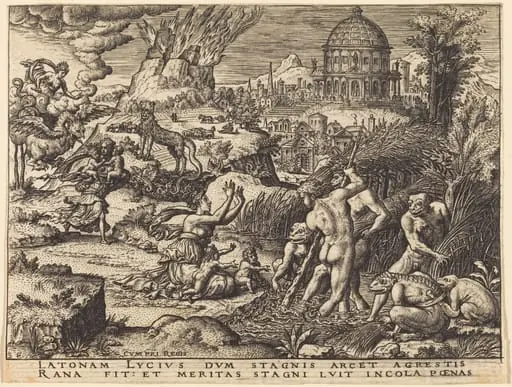 Latona Insulted
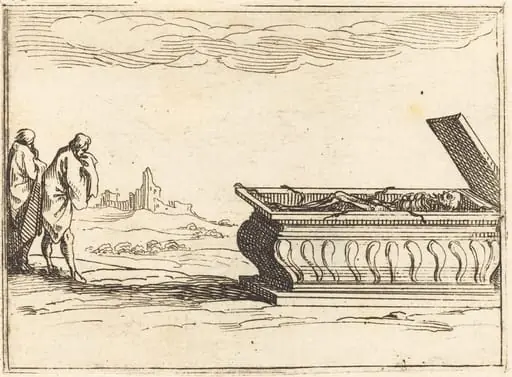 The Tomb
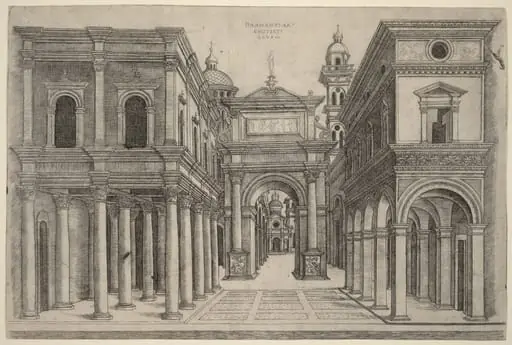 A Street with Various Buildings, Colonnades and an Arch