Artwork
Pentecost
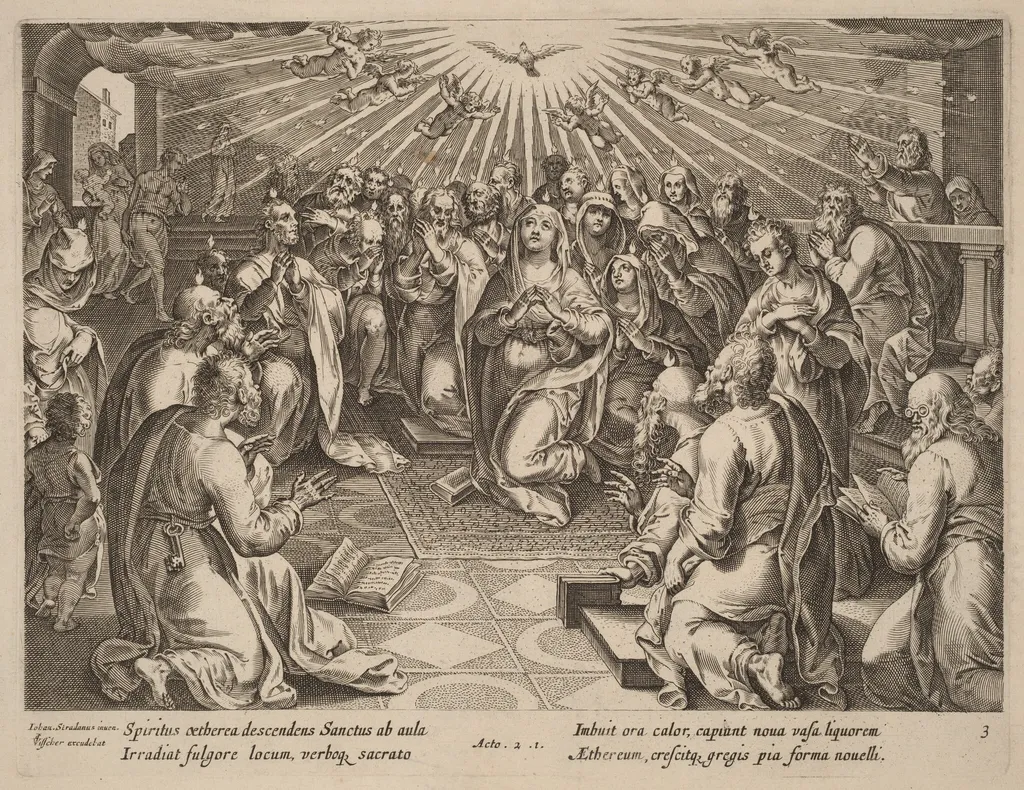
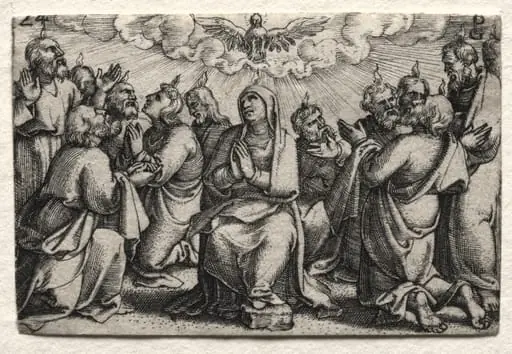
Pentecost is an ink print by the Renaissance artist Philip Galle. It dates from 1574 and is held in the collection of the National Gallery of Art.
About this work
Overview
As a prominent Antwerp printmaker and publisher, Galle specialized in reproductive engravings that circulated religious imagery across Europe.
Philip Galle’s 1574 engraving captures the biblical event of Pentecost, adapting a composition originally created by Maarten van Heemskerck. As a prominent Antwerp printmaker and publisher, Galle specialized in reproductive engravings that circulated religious imagery across Europe. This work exemplifies the role of print in making complex devotional scenes accessible beyond original paintings, relying on precise line work to convey narrative and emotion.
Subject & Meaning
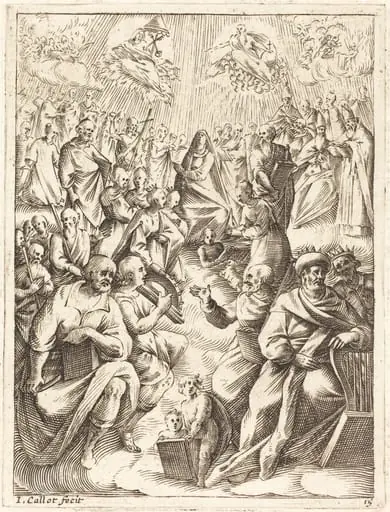
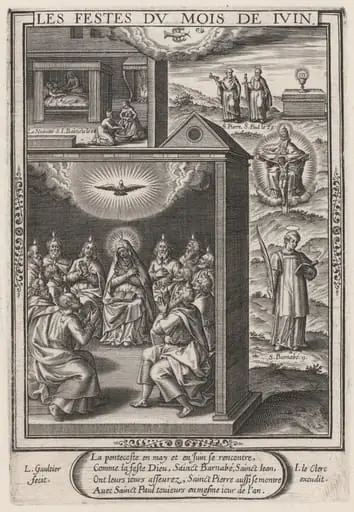
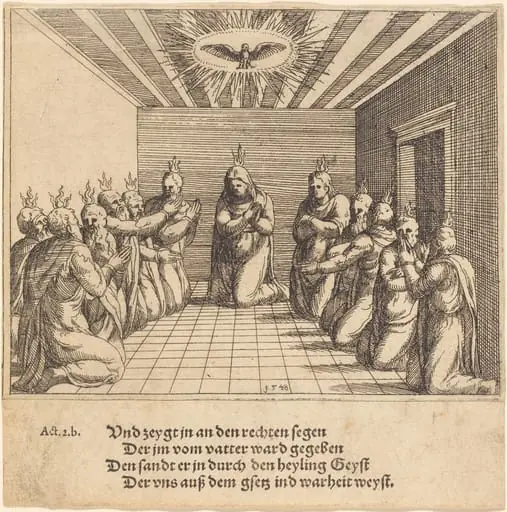
The scene portrays the descent of the Holy Spirit upon the apostles, as described in Acts 2. Figures are arranged in a dense, upward-facing assembly, their gestures and postures reflecting awe and reverence. A central woman with a child anchors the foreground, possibly symbolizing the Church or Mary. Above, radiant beams and hovering angels suggest divine intervention, while birds in the sky reinforce the presence of the Spirit. The composition emphasizes communal reception of sacred grace.
Technique & Style
Executed in fine-line engraving, the print uses controlled incisions to model form and depth through cross-hatching and varied line weight. The crowded composition is rendered with clarity despite its complexity, a hallmark of Netherlandish reproductive printmaking. Background architecture and uneven terrain are suggested with minimal detail, directing focus to the central figures. The sharp, linear style reflects the precision expected in engraved reproductions of the period.
History & Provenance
Created in Antwerp during the height of the print trade, Galle’s engraving was part of a broader effort to reproduce and distribute religious imagery following the Reformation. His workshop produced numerous prints after leading painters, ensuring wide dissemination. This version likely circulated among clergy, scholars, and devout households, serving both devotional and educational purposes in a time of religious upheaval.
Context
In the late 16th century, printmaking became a vital medium for religious instruction, especially in regions where access to original artworks was limited. Galle’s work responded to demand for standardized, portable images that aligned with Catholic doctrine. The engraving’s detailed yet accessible style mirrored contemporary trends in Northern Renaissance art, where narrative clarity and emotional resonance were prioritized over pure innovation.
Legacy
Galle’s engraving contributed to the visual canon of Pentecost in European art, influencing later depictions through its widespread circulation. While not an original composition, it preserved and transmitted Heemskerck’s design to audiences unfamiliar with the painted prototype. As a product of the print economy, it underscores how reproductive techniques shaped religious visual culture across borders and social classes.
Artist & collection
Artist
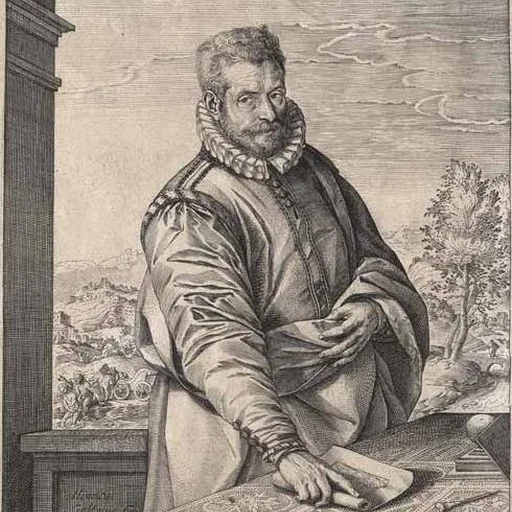
Philip (or Philips) Galle (1537 – March 1612) was a Dutch publisher, best known for publishing old master prints, which he also produced as designer and engraver. He is especially known for his reproductive engravings of paintings.

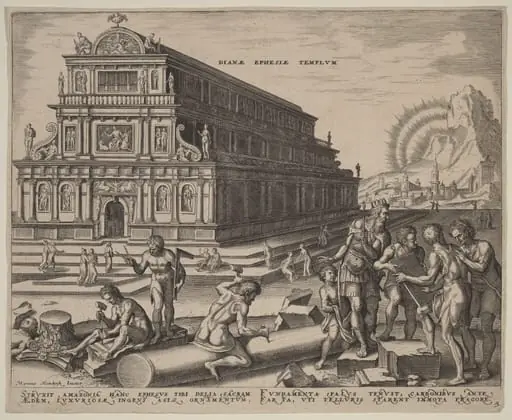 Dianae Ephesiae Templum (The Temple of Diana at Ephesus)
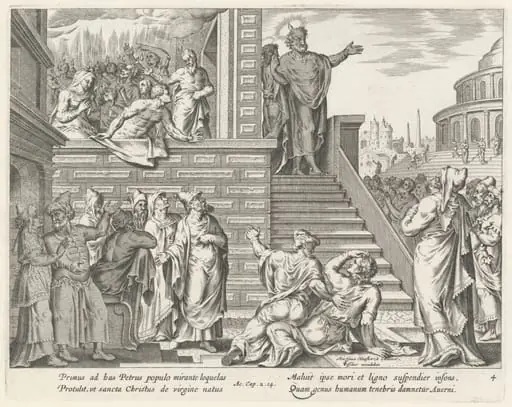 Saint Peter Speaks to the People about Christ
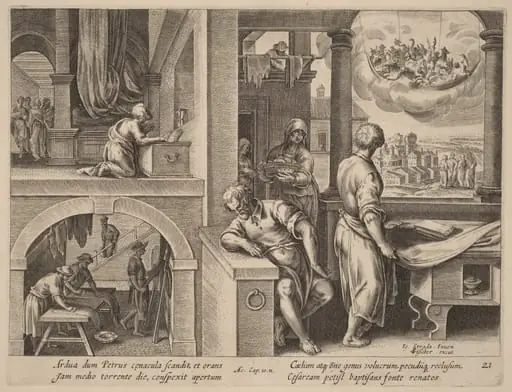 The Vision of Saint Peter
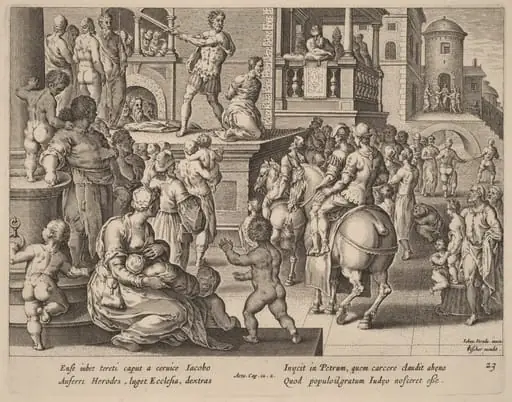 Beheading of Saint James
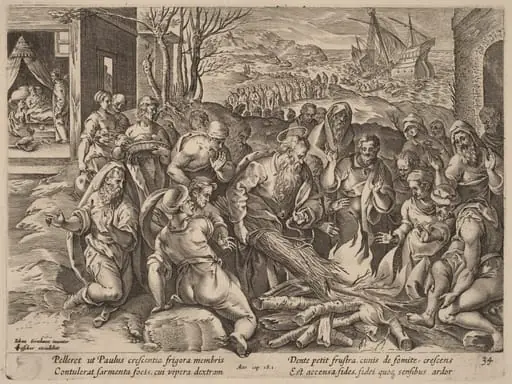 Saint Paul Shipwrecked on the Island of Melita
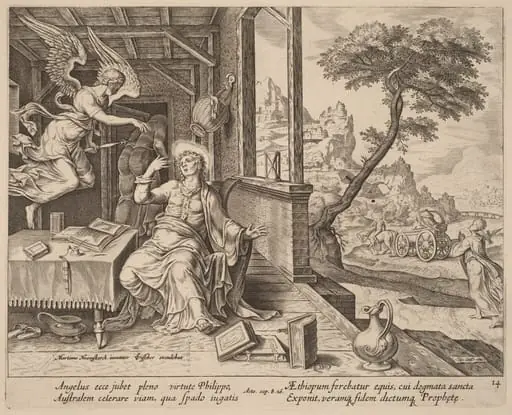 The Angel Orders Saint Philip to Accompany the Ethiopian Eunuch
 Notorious Examples of Wealth from Antiquity
 The Parable of the Wise and Foolish Virgins