Artwork
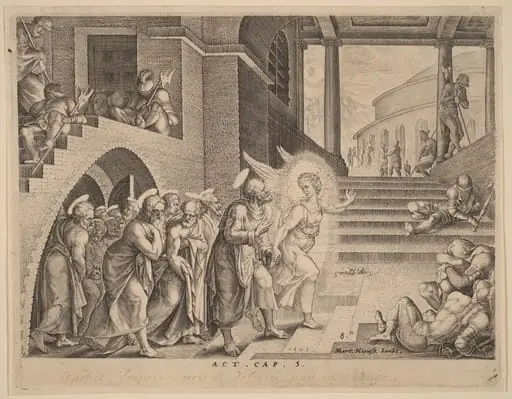
The Apostles Delivered from Prison by an Angel
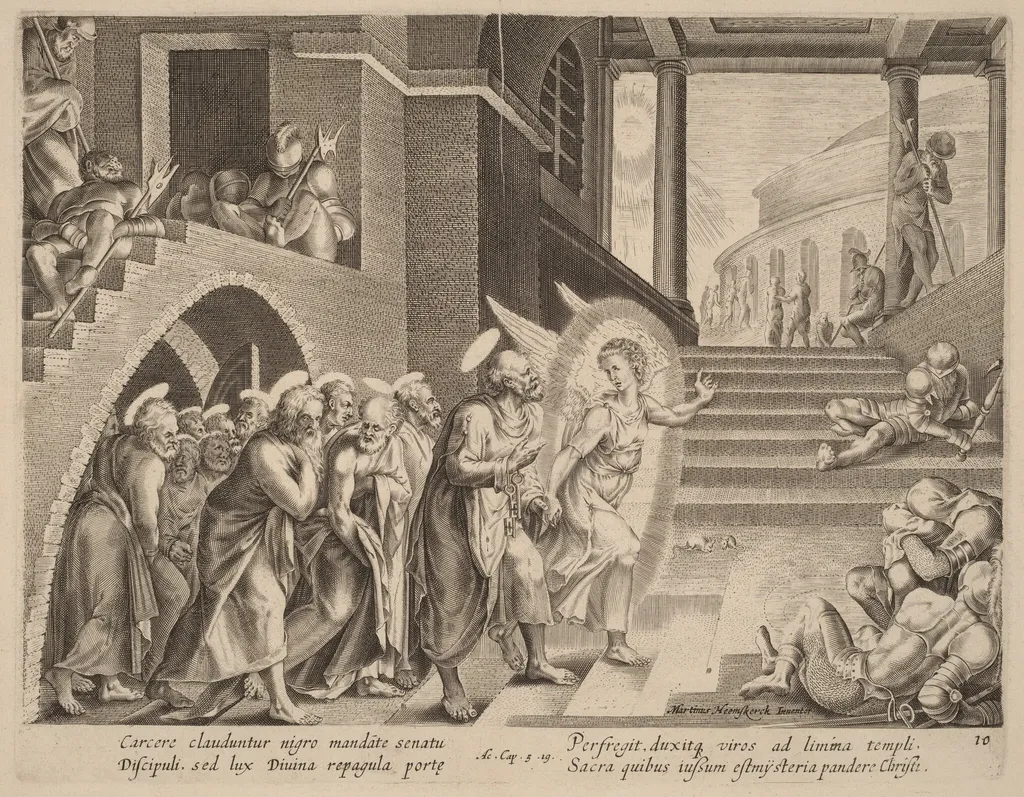
The Apostles Delivered from Prison by an Angel is an ink print by the Renaissance artist Philip Galle. It dates from 1574 and is held in the collection of the National Gallery of Art.
About this work
Overview
Philip Galle’s 1574 engraving titled *The Apostles Delivered from Prison by an Angel* depicts a dramatic biblical rescue.
Philip Galle’s 1574 engraving titled *The Apostles Delivered from Prison by an Angel* depicts a dramatic biblical rescue. Executed in the Low Countries, the print shows a group of robed figures gathered around a doorway, an angelic presence implied by the sudden release of the captives, while unconscious soldiers lie scattered outside. The composition is dense yet rendered with crisp, controlled lines typical of late‑sixteenth‑century printmaking.
Subject & Meaning
The image illustrates the New Testament episode in which an angel intervenes to free the imprisoned apostles. Central to the scene is a figure clutching a key, symbolising the divine authority that unlocks the cell, while a younger man with outstretched arms gestures toward the open door, emphasizing liberation. The fallen soldiers underscore the miraculous nature of the rescue, contrasting earthly power with heavenly intervention.
Technique & Style
Galle employs fine, parallel hatching to model volume and suggest shadow, creating a sense of depth within the crowded interior. The lines are sharply delineated, allowing each garment and architectural element to be distinguished despite the limited tonal range of engraving. The precise incision of the copper plate reflects the artist’s skill in reproducing complex narratives within the constraints of the medium.
History & Provenance
As a prolific publisher, Galle frequently produced reproductive prints after earlier paintings, facilitating the spread of religious subjects across Europe. This 1574 plate was likely issued in multiple impressions for the devotional market, circulating among both private collectors and ecclesiastical patrons. Surviving copies are documented in several major museum collections, attesting to its wide distribution during the Counter‑Reformation.
Context
The print emerges from a period when printed imagery served as a key vehicle for disseminating Catholic narratives amid the religious upheavals of the late sixteenth century. In the Low Countries, where Galle operated, the demand for accessible visual representations of scriptural events was high, and engravings such as this one played a role in reinforcing doctrinal messages through mass production.
Artist & collection
Artist
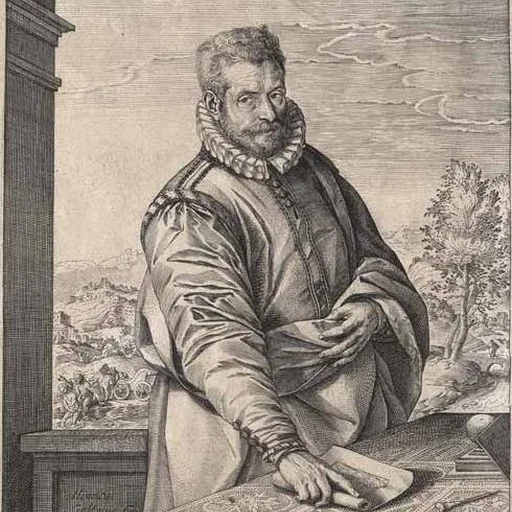
Philip (or Philips) Galle (1537 – March 1612) was a Dutch publisher, best known for publishing old master prints, which he also produced as designer and engraver. He is especially known for his reproductive engravings of paintings.

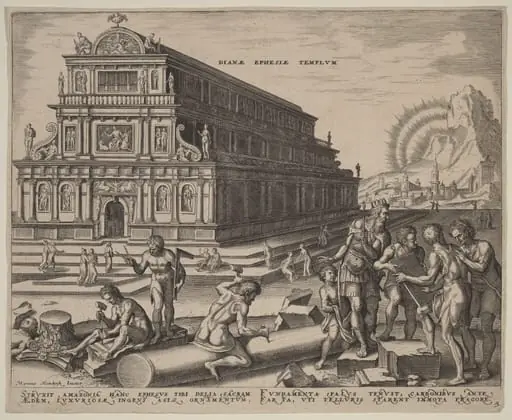 Dianae Ephesiae Templum (The Temple of Diana at Ephesus)
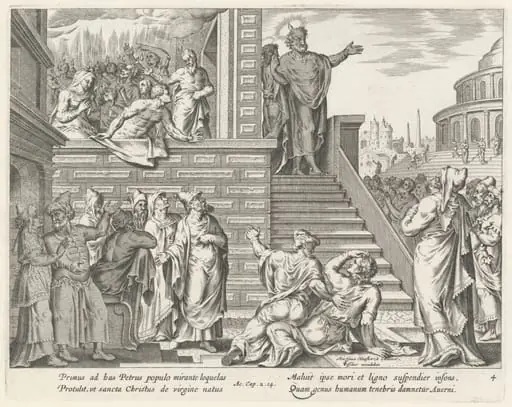 Saint Peter Speaks to the People about Christ
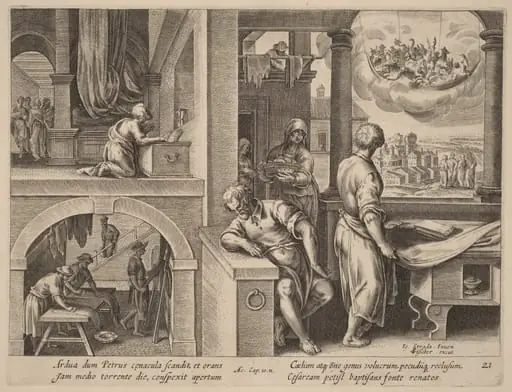 The Vision of Saint Peter
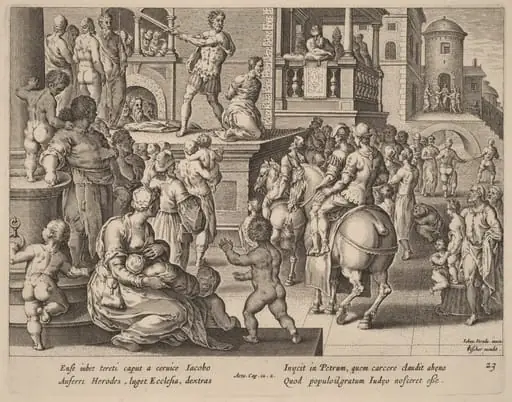 Beheading of Saint James
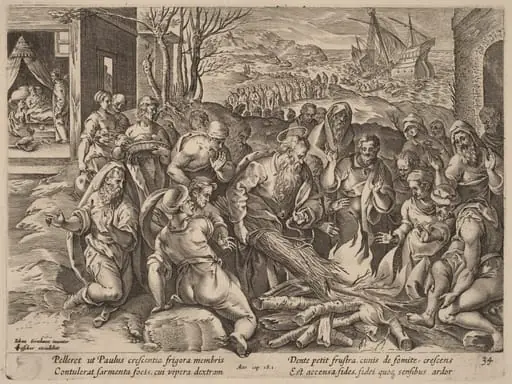 Saint Paul Shipwrecked on the Island of Melita
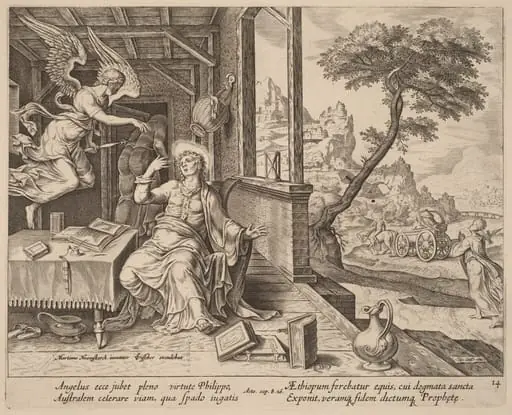 The Angel Orders Saint Philip to Accompany the Ethiopian Eunuch
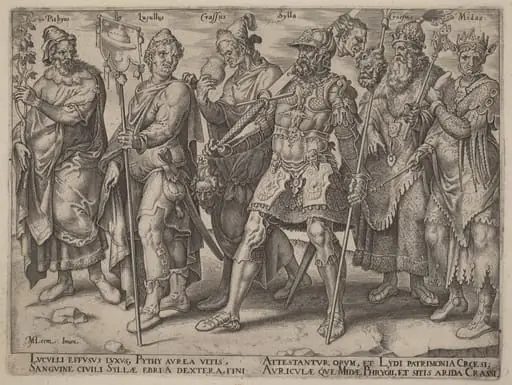 Notorious Examples of Wealth from Antiquity
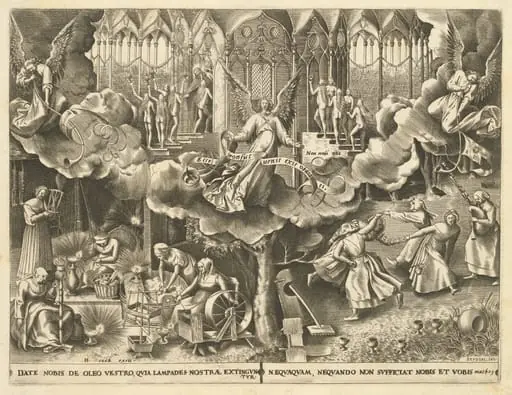 The Parable of the Wise and Foolish Virgins
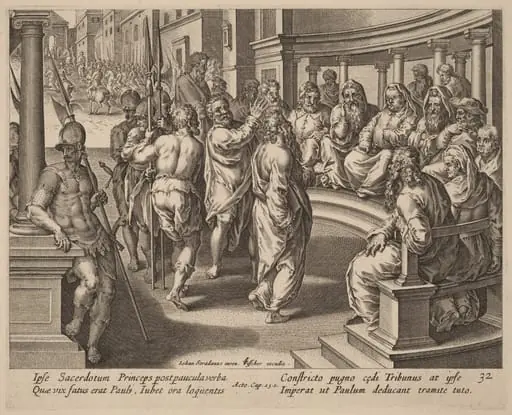 Saint Paul before the High Priest
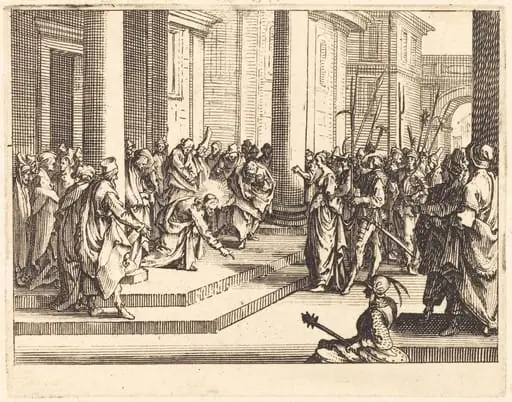 Christ and the Woman Taken in Adultery
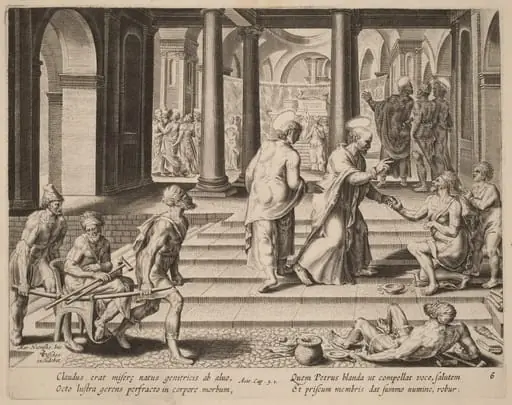 Saints Peter and John Heal a Cripple at the Gate of the Temple
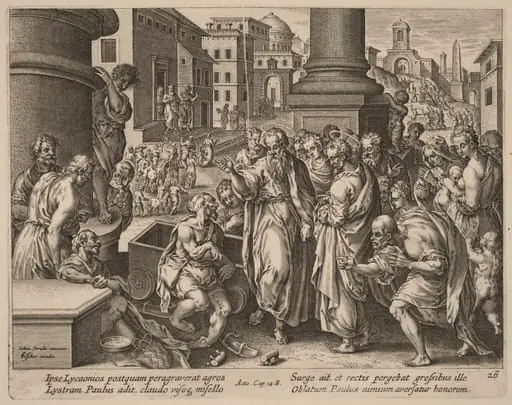 Saint Paul Heals the Lame Man at Lystra
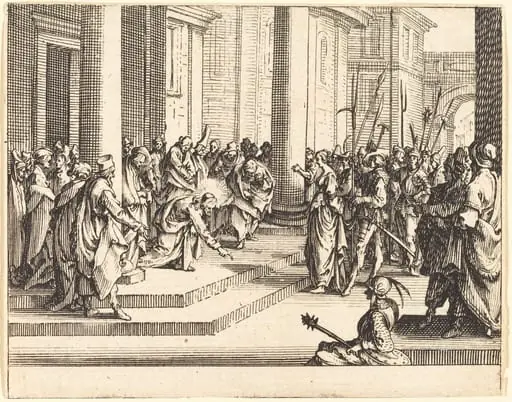 Stoning of Jesus
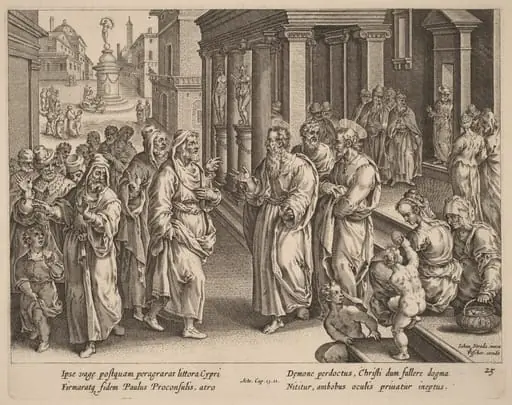 Saint Paul Disputes the Sorcerer
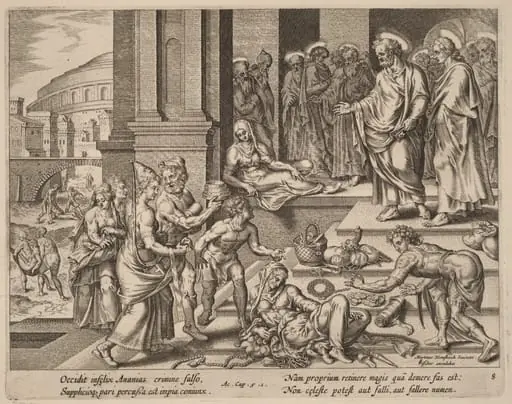 The Deaths of Ananias and Sapphira
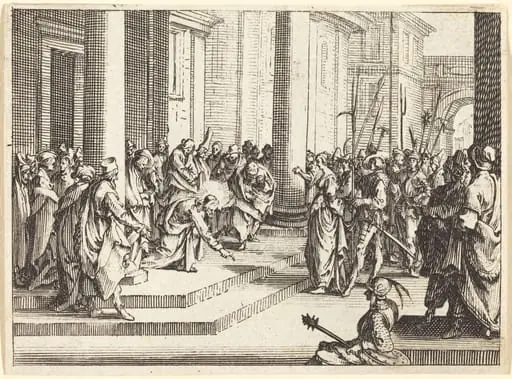 Christ and the Woman Taken in Adultery
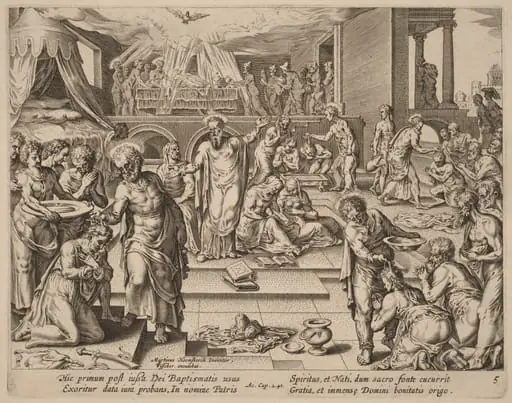 Many are Baptized
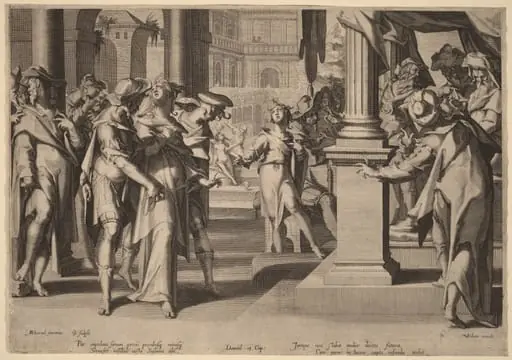 Suzannah before Daniel
 The Apostles Delivered from Prison by an Angel