Artwork
Many are Baptized
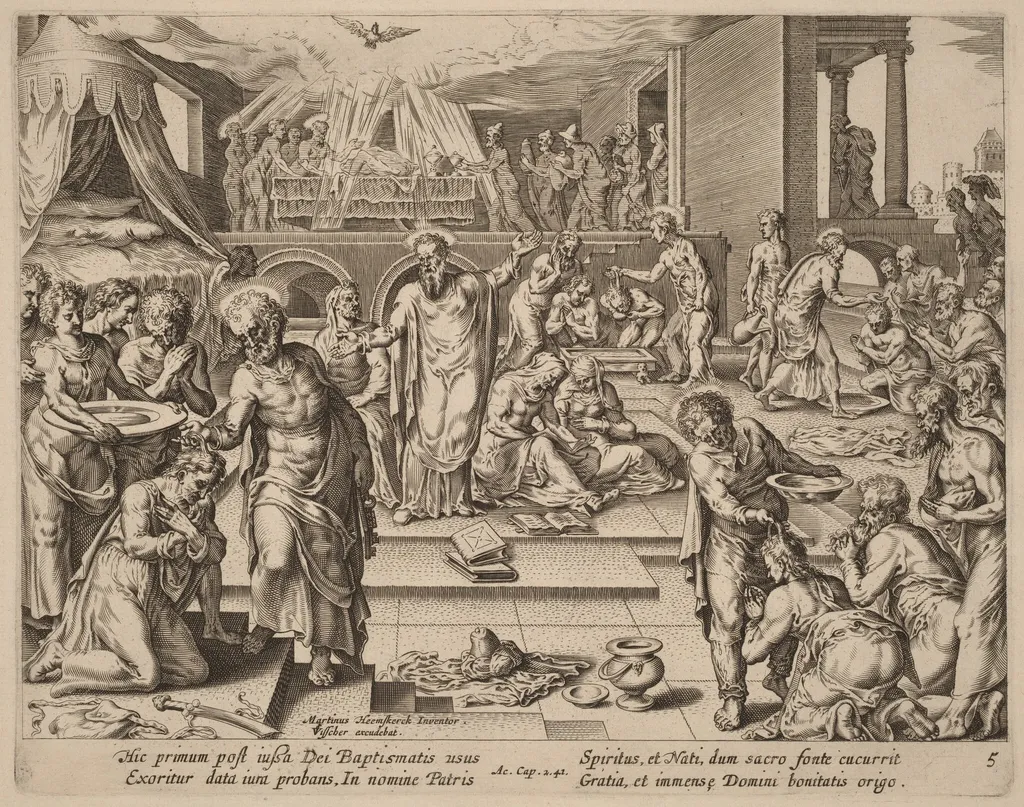
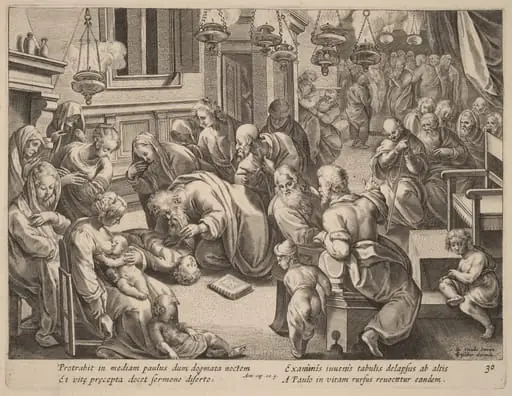
Many are Baptized is an ink print by the Renaissance artist Philip Galle. It dates from 1574 and is held in the collection of the National Gallery of Art.
About this work
Overview
Galle, known for his precision in translating visual narratives into print, used fine, controlled lines to render a complex scene.
Created in 1574 by Dutch engraver Philip Galle, this black-and-white print is a reproductive work that translates a painted composition into the medium of engraving. Galle, known for his precision in translating visual narratives into print, used fine, controlled lines to render a complex scene. The image is densely populated with figures, arranged with deliberate spatial logic despite its crowded appearance. The technique reflects the high level of craftsmanship expected in late 16th-century Northern European printmaking.
Subject & Meaning
The scene depicts a baptismal ritual, likely referencing the Christian practice of mass baptism. A central figure, tall and holding a scroll, appears to be a clergyman or preacher, directing the ceremony. Surrounding figures exhibit varied postures—kneeling, reaching, holding objects—suggesting a moment of communal spiritual engagement. The upward light may symbolize divine presence, while the organized chaos implies the scale and urgency of religious conversion during a period of doctrinal upheaval.
Technique & Style
Galle employed fine, intersecting lines to model form and depth, characteristic of engraving’s capacity for detail. Shadows and textures are built through meticulous hatching and cross-hatching, giving volume to garments and architecture. The composition is tightly structured, with figures arranged in tiers to guide the viewer’s eye upward. The absence of color emphasizes line and contrast, enhancing the theatricality of the scene while maintaining the clarity expected in reproductive prints of the era.
History & Provenance
The engraving was produced during Galle’s active years in Haarlem, a center for print publishing in the Netherlands. It was likely part of a series or devotional portfolio intended for wide distribution among educated audiences. Though the original painting it reproduces remains unidentified, Galle’s practice of adapting religious and mythological scenes for print ensured broad circulation. The work survives in multiple institutional collections, attesting to its enduring presence in early modern print culture.
Context
Created during the Protestant Reformation, the image reflects the era’s intense focus on sacraments and public religious practice. Baptism, as a rite of initiation, carried theological weight across denominations. Galle’s depiction, though not overtly sectarian, aligns with the period’s visual emphasis on communal faith and clerical authority. The print’s popularity suggests a market for devotional imagery that could be reproduced and disseminated beyond the reach of original paintings.
Legacy
Galle’s engraving exemplifies the role of print in shaping religious visual culture in early modern Europe. Its detailed composition and widespread reproduction helped standardize iconographic motifs associated with baptism. While not widely studied today, it remains a representative example of how printmakers mediated sacred narratives for domestic and educational use, influencing later generations of engravers and religious illustrators.
Artist & collection
Artist
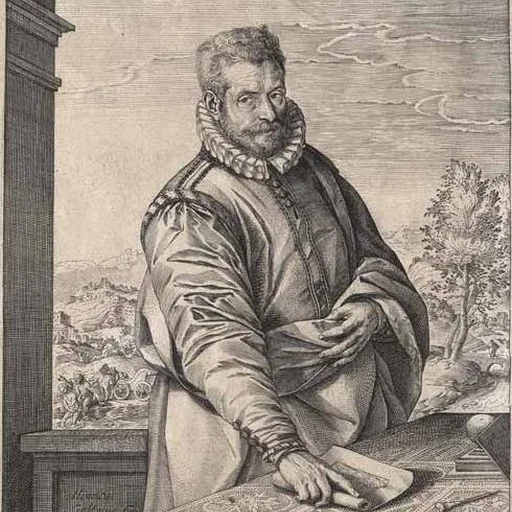
Philip (or Philips) Galle (1537 – March 1612) was a Dutch publisher, best known for publishing old master prints, which he also produced as designer and engraver. He is especially known for his reproductive engravings of paintings.

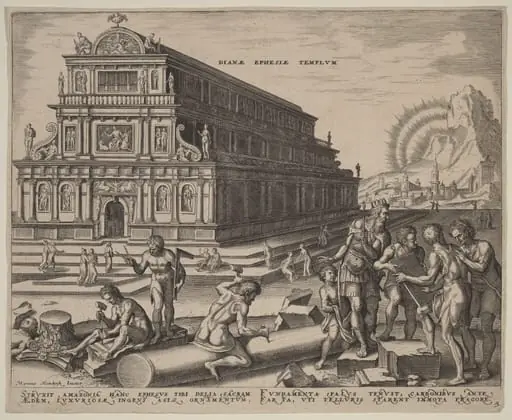 Dianae Ephesiae Templum (The Temple of Diana at Ephesus)
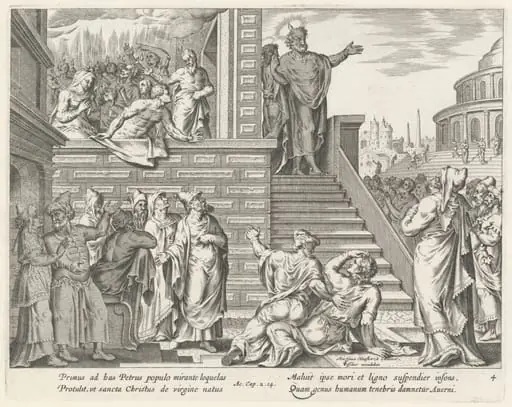 Saint Peter Speaks to the People about Christ
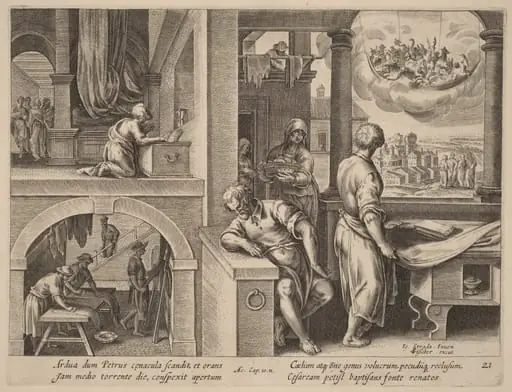 The Vision of Saint Peter
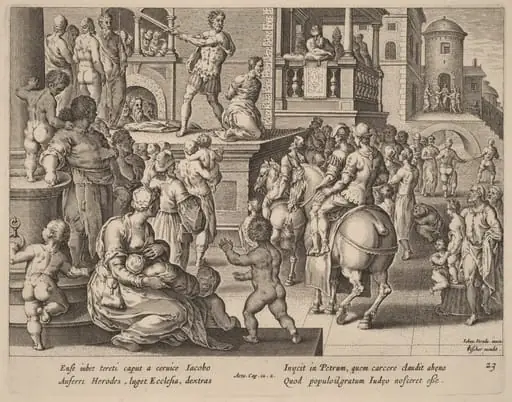 Beheading of Saint James
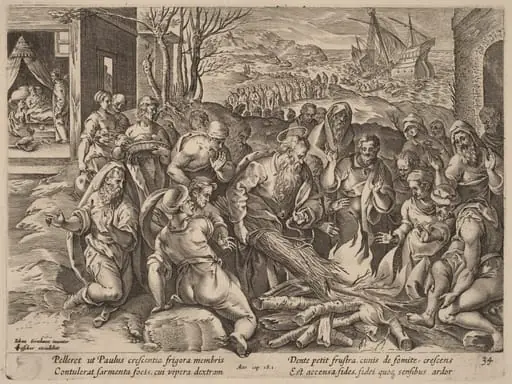 Saint Paul Shipwrecked on the Island of Melita
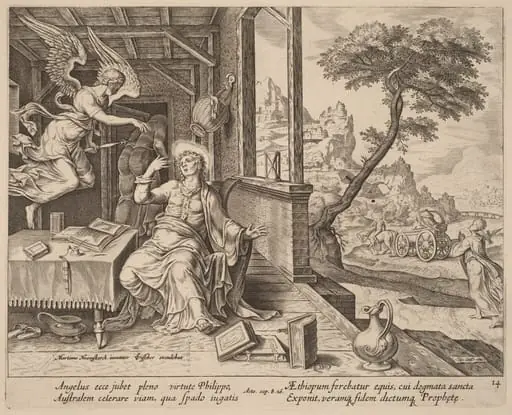 The Angel Orders Saint Philip to Accompany the Ethiopian Eunuch
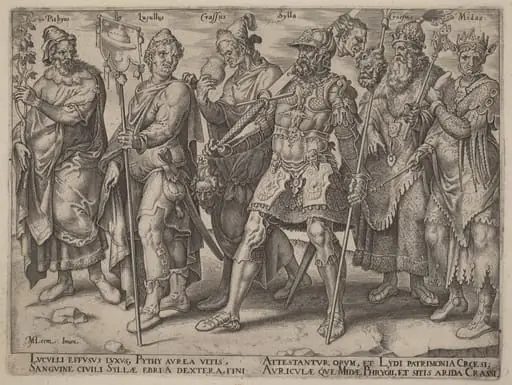 Notorious Examples of Wealth from Antiquity
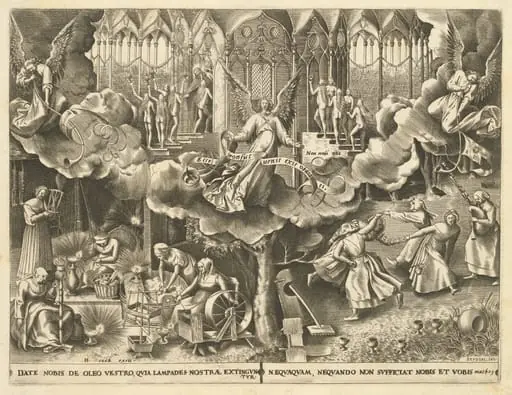 The Parable of the Wise and Foolish Virgins
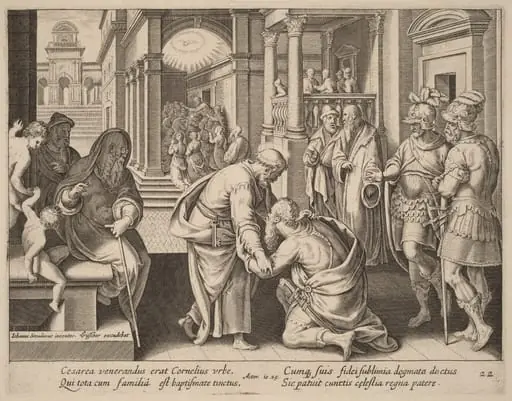 Cornelius Worshipping Saint Peter
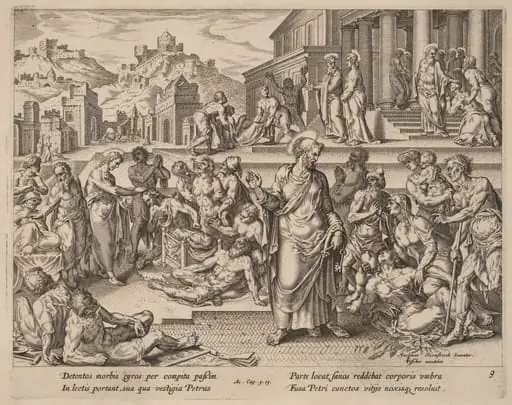 Saint Peter Healing the Sick with His Shadow
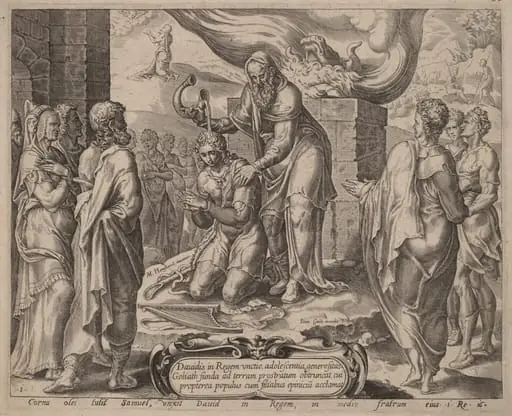 Samuel Anointing David
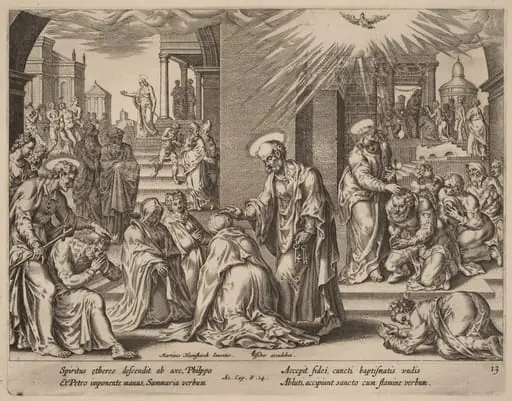 The People of Samaria Receive the Word of God
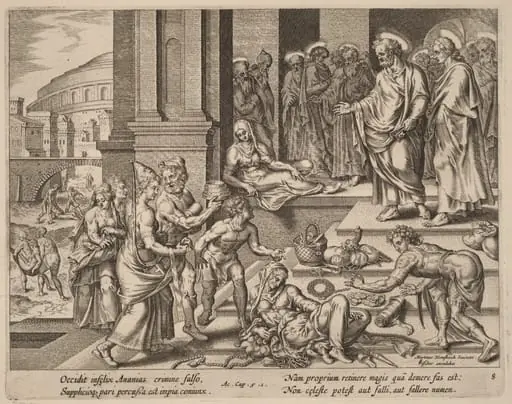 The Deaths of Ananias and Sapphira
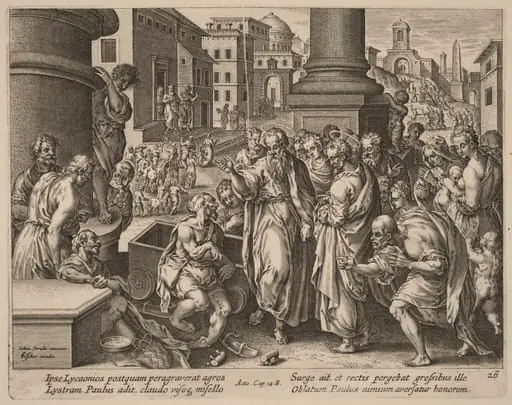 Saint Paul Heals the Lame Man at Lystra
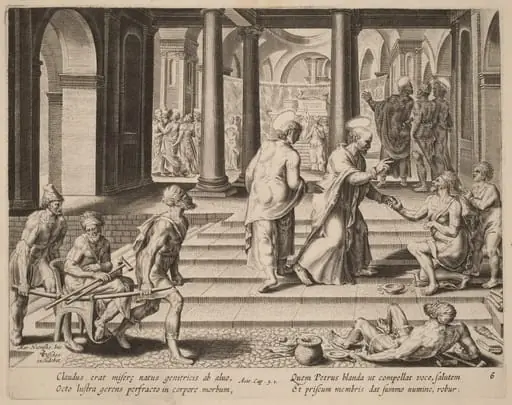 Saints Peter and John Heal a Cripple at the Gate of the Temple
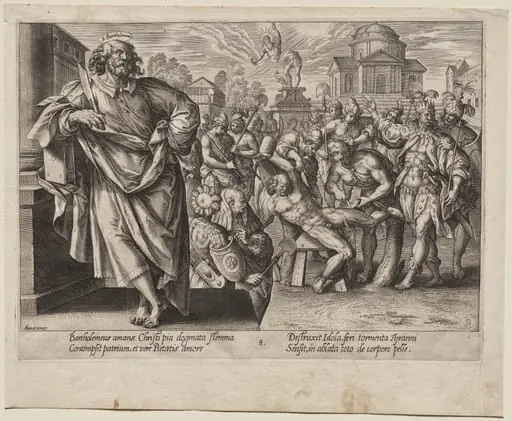 St. Bartholomew
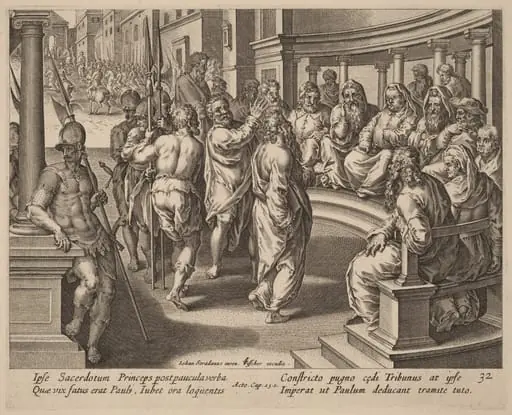 Saint Paul before the High Priest
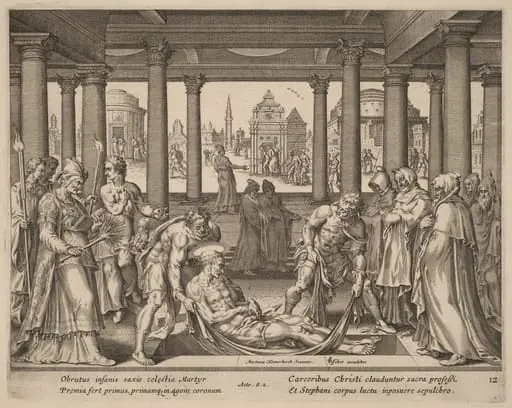 Devout Men Carrying Saint Stephen to His Burial
 The Fall of Euthychus