Artwork
The Deceptive Effects of Wealth
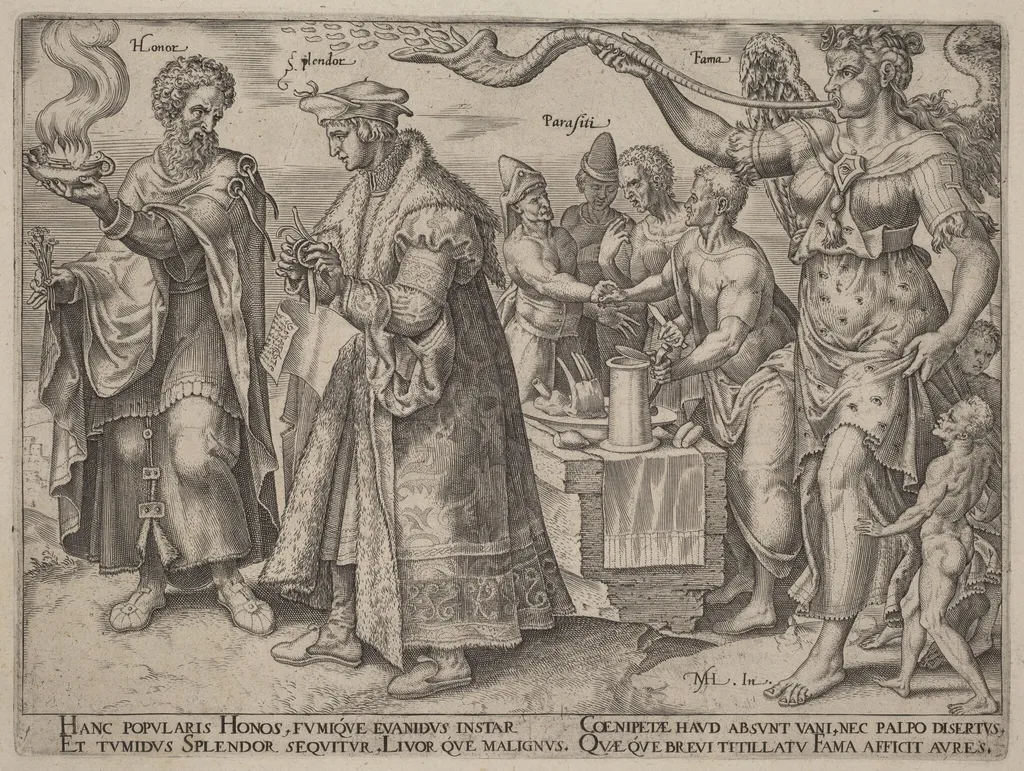
The Deceptive Effects of Wealth is an ink print by the Renaissance artist Philip Galle. It dates from 1563 and is held in the collection of the National Gallery of Art.
About this work
Overview
Philip Galle’s 1563 engraving titled *The Deceptive Effects of Wealth* is a print executed on laid paper. Galle, a Dutch publisher and printmaker active in the sixteenth‑century Low Countries, both designed and cut the image, exemplifying the region’s reproductive engraving tradition.
Subject & Meaning
A central figure in a fur‑trimmed coat rests his hand on a kneeling child, while a woman labeled *Fama* to the right blows a trumpet.
The composition gathers seven figures in a bustling tableau. Two robed men on the left raise scrolls inscribed *Honor* and *Splendor*. A central figure in a fur‑trimmed coat rests his hand on a kneeling child, while a woman labeled *Fama* to the right blows a trumpet. A table bearing coins and a balance scale completes the scene. Latin verses beneath caution against false pride and the transience of fame.
Technique & Style
Executed with fine lines characteristic of copper‑plate engraving, the work displays Galle’s precise handling of texture, from the sheen of silk robes to the fur lining of the coat. The use of laid paper provides a subtle ribbed surface that accentuates the engraving’s tonal contrasts and intricate detailing of facial expressions and gestures.
History & Provenance
Created in 1563, the print was issued by Galle’s own workshop, which specialized in reproducing contemporary paintings and disseminating moralizing subjects. Surviving copies are documented in several European collections, indicating the work’s circulation among collectors interested in didactic imagery during the late Renaissance.
Context
The engraving reflects the broader sixteenth‑century Netherlandish preoccupation with moral allegory, especially the hazards of wealth and reputation. Its iconography—honor, splendor, fame, and a weighing scale—aligns with contemporary emblem books that warned viewers of the deceptive allure of material success.
Artist & collection
Artist
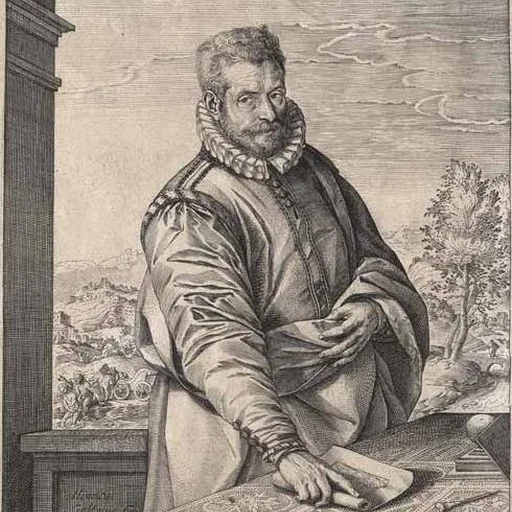
Philip (or Philips) Galle (1537 – March 1612) was a Dutch publisher, best known for publishing old master prints, which he also produced as designer and engraver. He is especially known for his reproductive engravings of paintings.

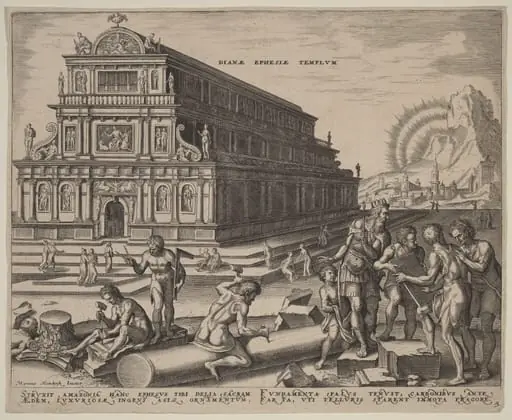 Dianae Ephesiae Templum (The Temple of Diana at Ephesus)
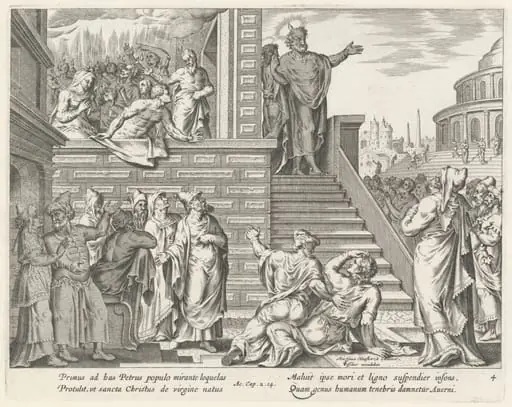 Saint Peter Speaks to the People about Christ
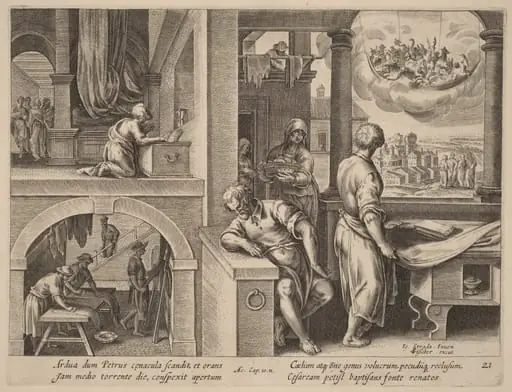 The Vision of Saint Peter
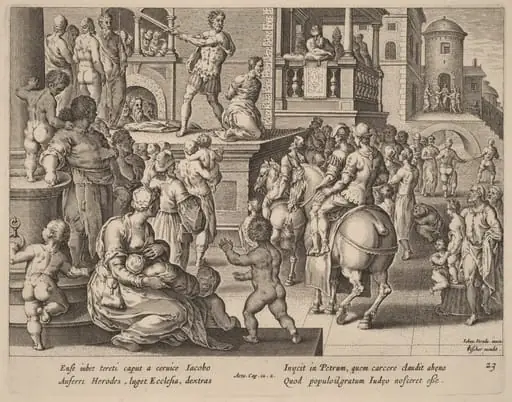 Beheading of Saint James
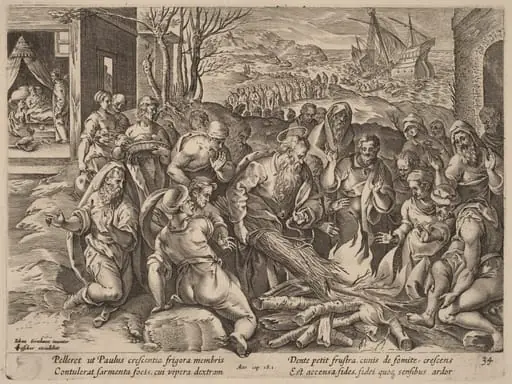 Saint Paul Shipwrecked on the Island of Melita
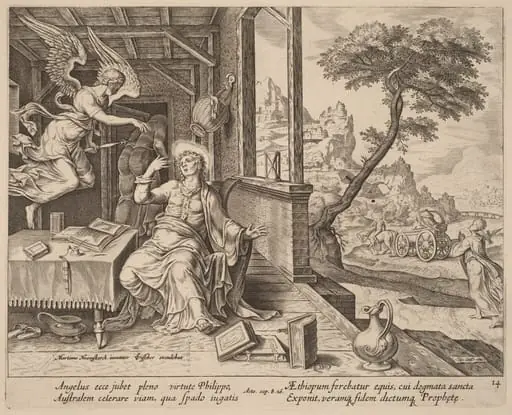 The Angel Orders Saint Philip to Accompany the Ethiopian Eunuch
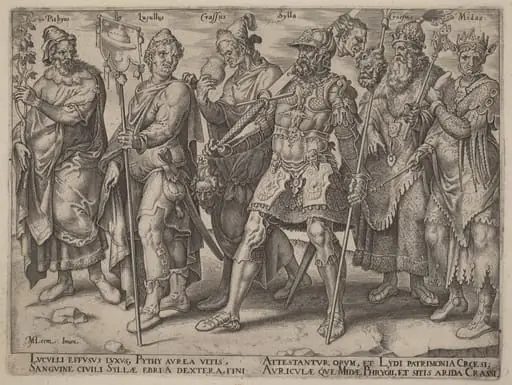 Notorious Examples of Wealth from Antiquity
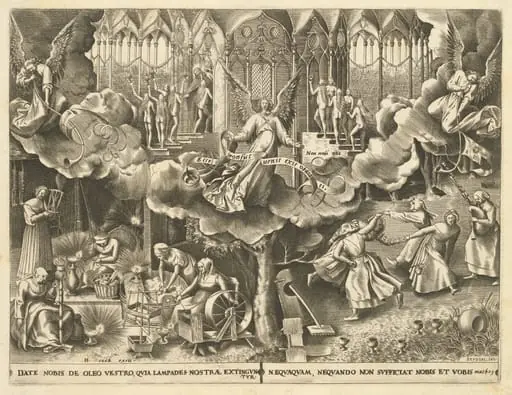 The Parable of the Wise and Foolish Virgins
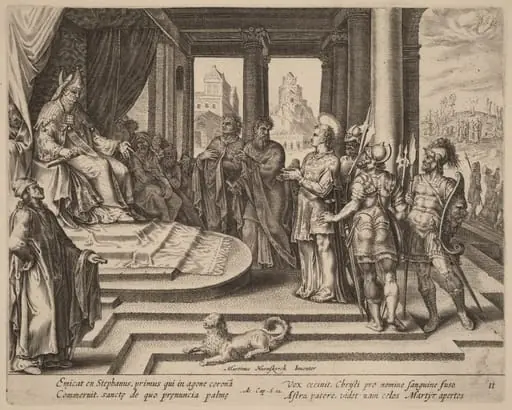 Saint Stephen before the Council
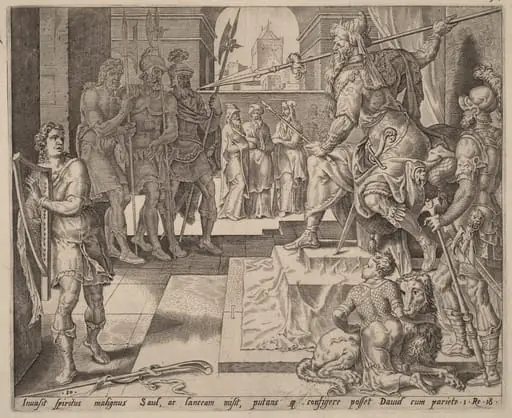 David before Saul
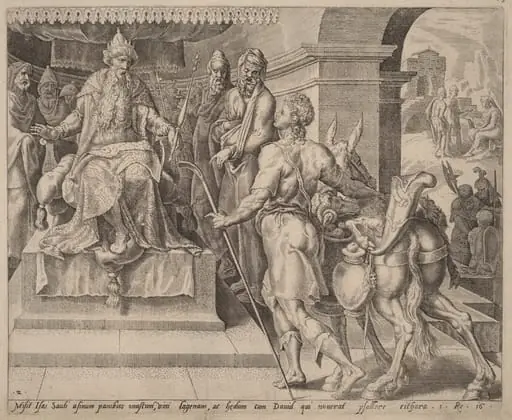 David Bringing Presents from His Father to Saul
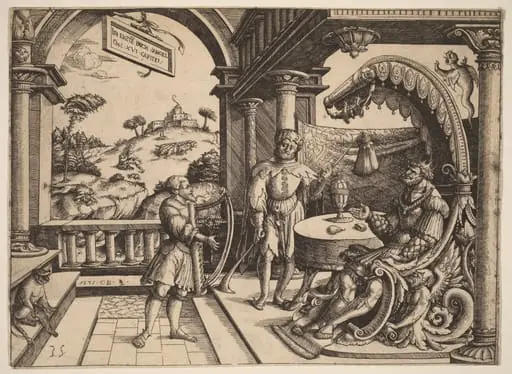 David Playing the Harp before Saul
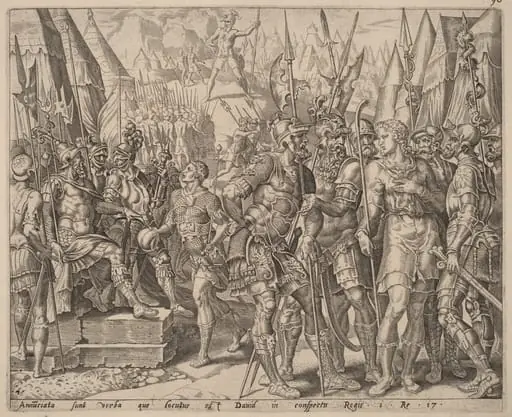 David's Brother Relating to Him Goliath's Challenge
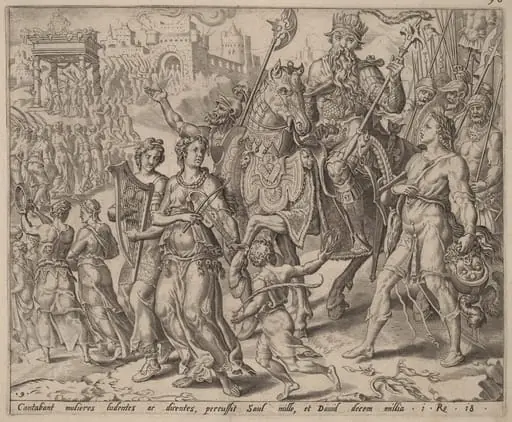 The Triumph of Saul and David
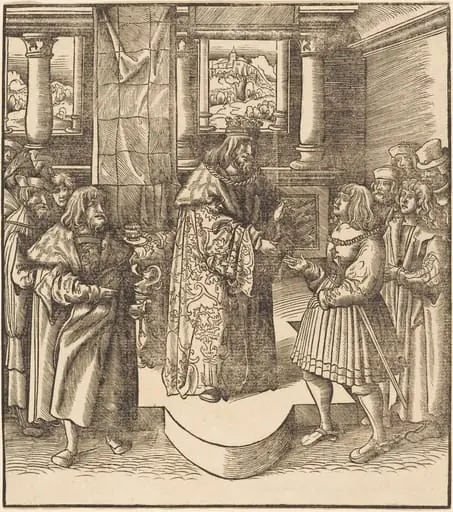 The Old White King Sending His Messengers to Portugal
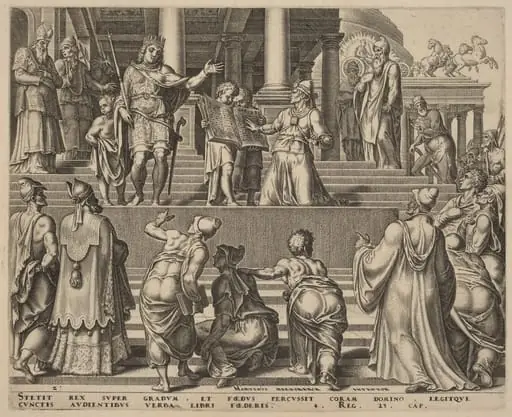 The Book of the Law Read before the People
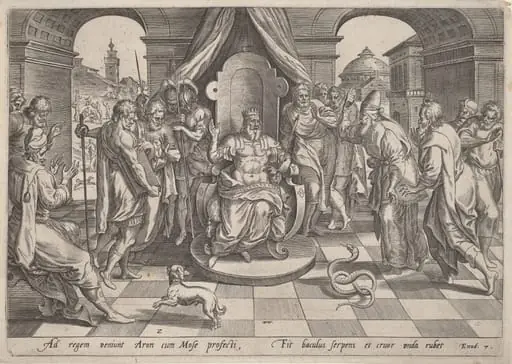 Moses and Aaron before the Pharaoh