Artwork
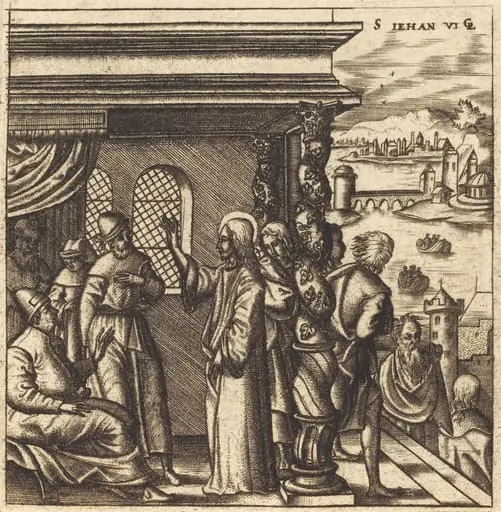
A Man Born Blind Receives Sight
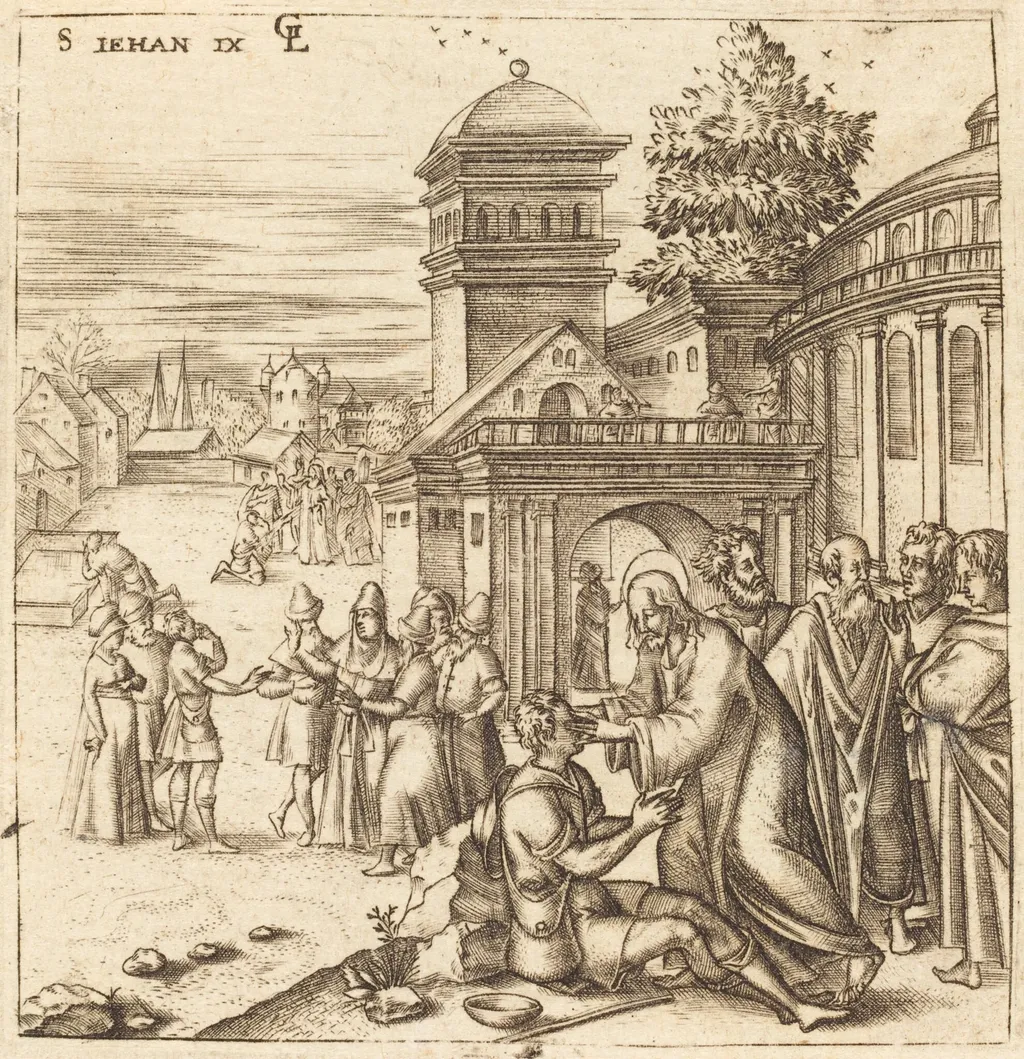
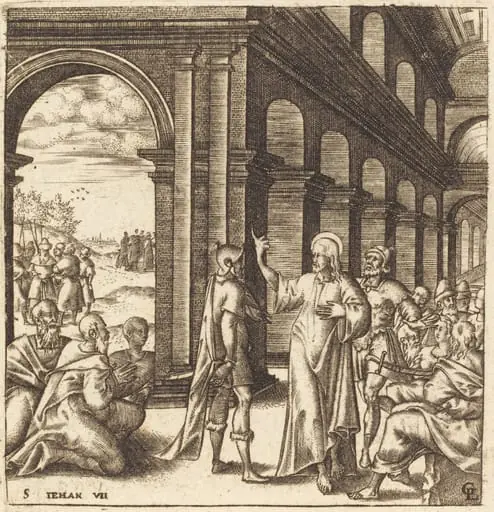
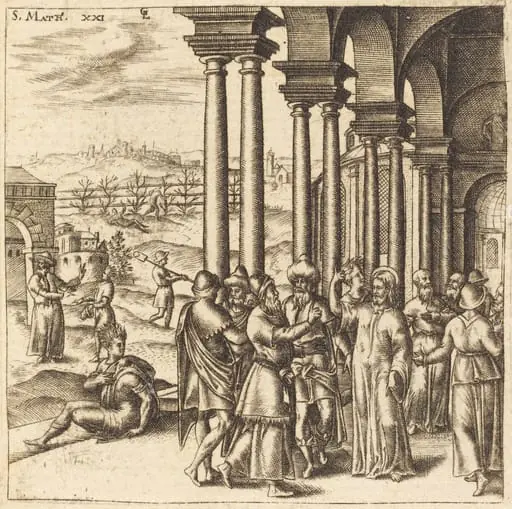
A Man Born Blind Receives Sight is an ink print by the Renaissance artist Léonard Gaultier. It dates from 1578 and is held in the collection of the National Gallery of Art.
About this work
Overview
A Man Born Blind Receives Sight is a 1578 engraving by French artist Léonard Gaultier, depicting a biblical scene of miraculous healing through meticulous engraving techniques.
Subject & Meaning
The engraving illustrates the moment a man born blind regains sight, surrounded by a group in a courtyard setting, conveying a religious narrative of divine intervention.
Technique & Style
Executed solely with a graver, the print showcases Gaultier's precise, formal style, characterized by intricate cross-hatching that achieves depth and texture, enhanced by thoughtful use of light and shadow.
History & Provenance
Created around 1578 by Léonard Gaultier, born in Mainz around 1561, the work reflects his Paris-based practice, influenced by contemporaries such as the Wierix and Crispyn van de Passe families.
Context
Part of Gaultier's oeuvre of religious and historical prints, this engraving sits within the broader context of late 16th-century French engraving, notable for its technical exactness and thematic focus.
Legacy
While specific legacy details of *A Man Born Blind Receives Sight* are not highlighted, Gaultier's overall body of work contributes to the understanding and appreciation of early modern European printmaking techniques and religious art.
Artist & collection
Artist
Léonard Gaultier, or, as he sometimes signed himself, Galter, a French engraver, was born at Mainz about 1561, and died in Paris in 1641.