Artwork
Zacharias and the Angel of the Lord
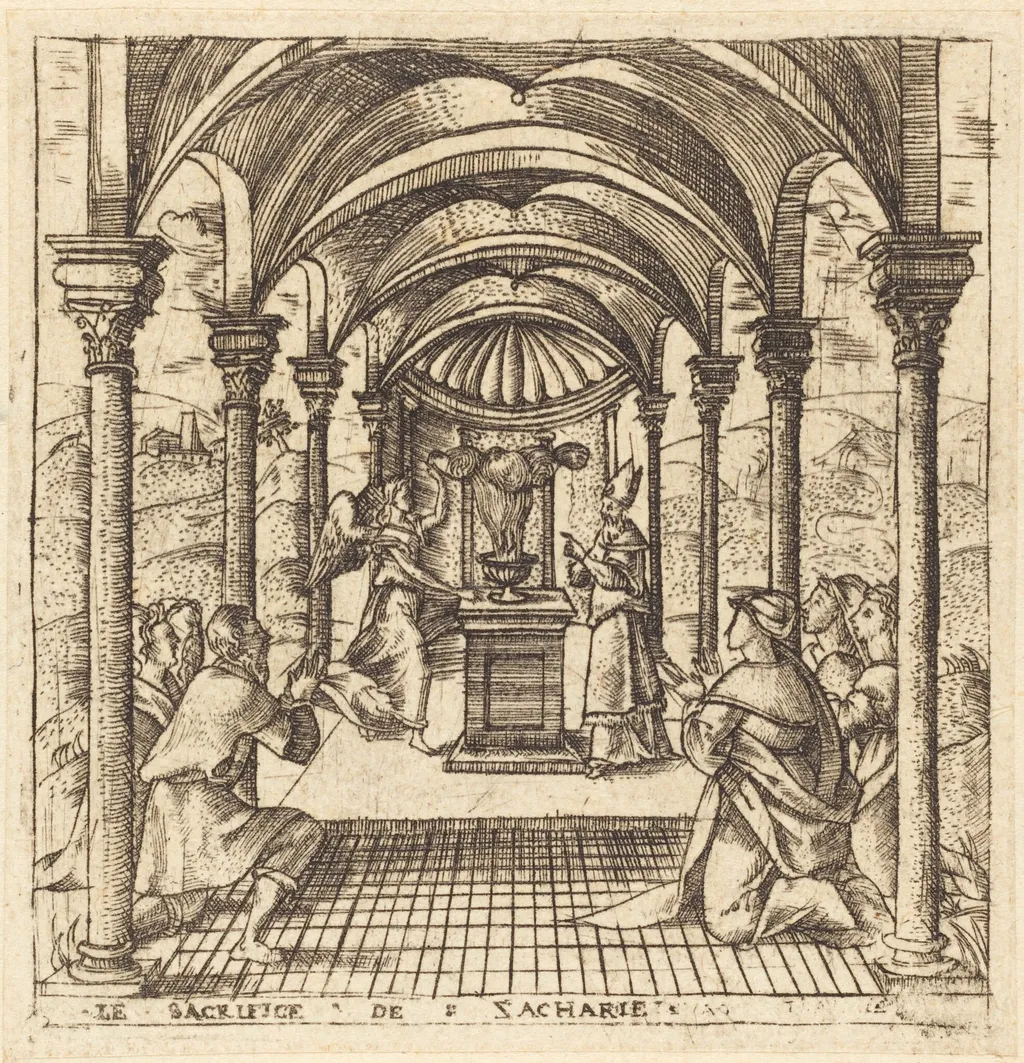
Zacharias and the Angel of the Lord is an ink print by the Renaissance artist Léonard Gaultier. It dates from 1578 and is held in the collection of the National Gallery of Art.
About this work
Overview
Executed in fine, controlled lines, the print exemplifies Gaultier’s technical precision and his preference for religious subjects.
Léonard Gaultier’s engraving, dated around 1578, depicts a moment from the Gospel of Luke in which the angel Gabriel appears to the priest Zacharias in the Temple. Executed in fine, controlled lines, the print exemplifies Gaultier’s technical precision and his preference for religious subjects. As a French engraver active in Paris, he often worked from his own compositions, distinguishing himself through meticulous draftsmanship and a restrained, formal aesthetic.
Subject & Meaning
The scene illustrates the divine announcement to Zacharias that his wife Elizabeth will bear a son, John the Baptist. The angel, holding a glowing object symbolizing revelation, stands beside the altar, while Zacharias kneels in awe. Surrounding figures—priests and temple attendants—observe in silence, emphasizing the sacredness of the moment. The composition reflects theological themes of divine intervention and human humility, common in Counter-Reformation visual culture.
Technique & Style
Gaultier employed the burin to carve intricate lines into a copper plate, creating subtle gradations of tone and texture. The architectural setting is rendered with geometric clarity—arches, domes, and tiled floors—while figures are defined by crisp contours and delicate hatching. Shadows are built through parallel lines rather than washes, giving the image a sculptural, almost relief-like quality, characteristic of Northern European engraving traditions of the late 16th century.
History & Provenance
Born in Mainz around 1561 and active in Paris until his death in 1641, Gaultier was part of a generation of engravers who elevated printmaking as an independent art form. His works circulated widely in France and beyond, often reproduced for devotional use. While no specific early ownership records are documented for this print, its survival in multiple institutional collections suggests it was widely distributed and valued for its religious and technical merit.
Context
Produced during the height of the Counter-Reformation, Gaultier’s print aligns with Catholic efforts to reinforce biblical narratives through accessible imagery. His style echoes contemporaries like the Wierix brothers and Crispyn van de Passe, who similarly emphasized clarity and devotional intensity. The engraving’s formal composition reflects the period’s preference for orderly, didactic scenes over emotional dynamism, serving both spiritual and educational purposes.
Legacy
Gaultier’s work contributed to the development of French engraving as a disciplined craft, influencing later generations of printmakers. Though less celebrated than some of his peers, his precise technique and consistent thematic focus left a mark on the visual language of religious prints in early modern Europe. His prints remain studied for their technical discipline and their role in shaping devotional imagery during a time of religious upheaval.
Artist & collection
Artist
Léonard Gaultier, or, as he sometimes signed himself, Galter, a French engraver, was born at Mainz about 1561, and died in Paris in 1641.

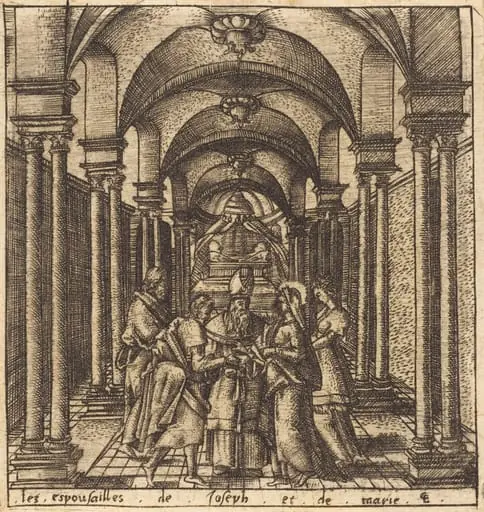 The Marriage of the Virgin
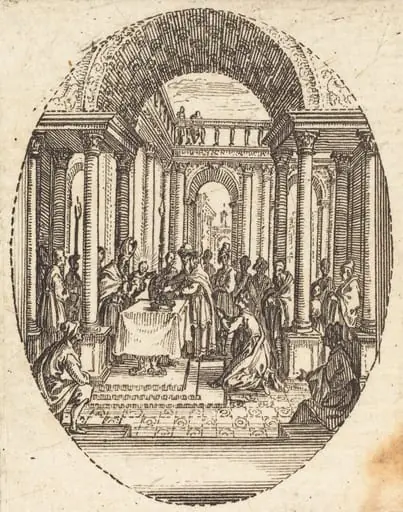 Presentation in the Temple
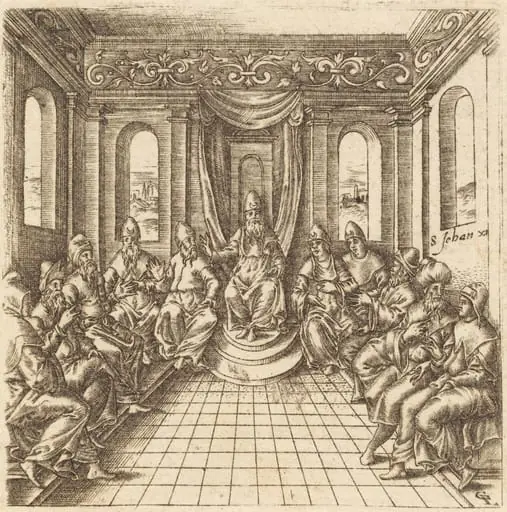 The Chief Priests and Pharisees
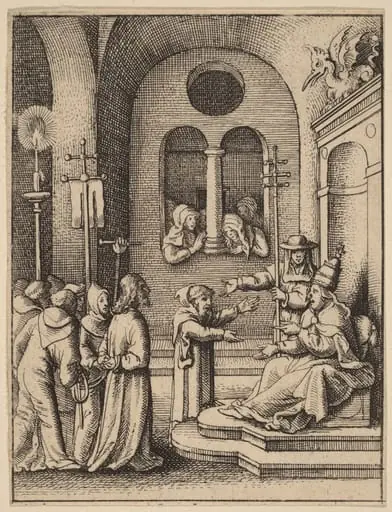 Jesus again before Caiaphas
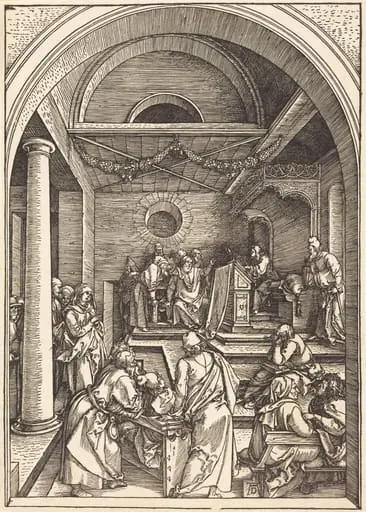 Christ among the Doctors
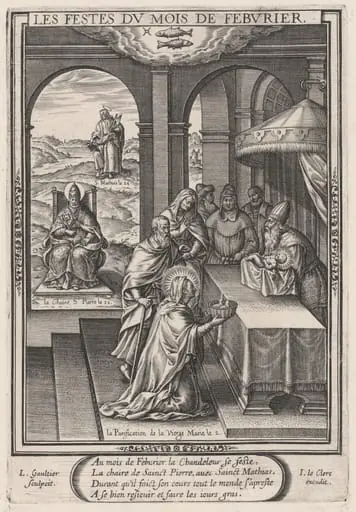 Les Festes du mois de Feburier (February: the Purification of the Virgin)
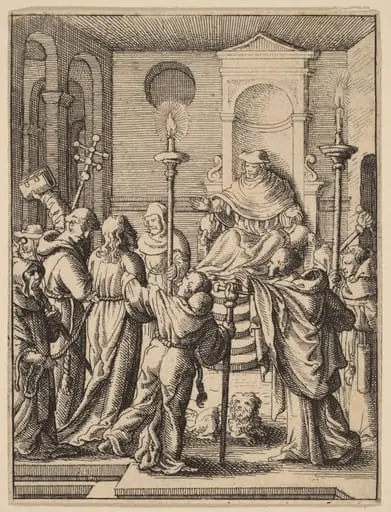 Jesus before Annas
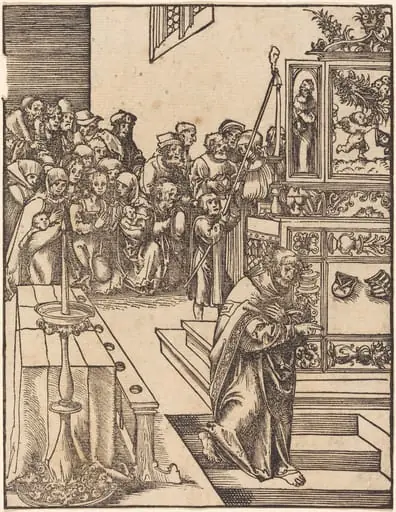 Saint John the Evangelist
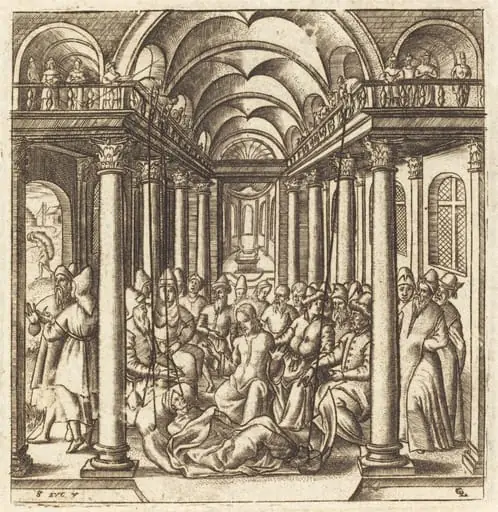 Christ Heals the Paralyzed Man
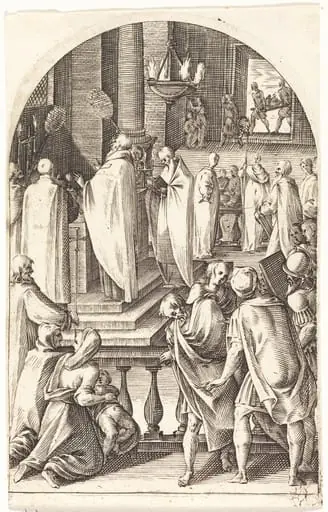 Saint Basil Celebrating the Mass
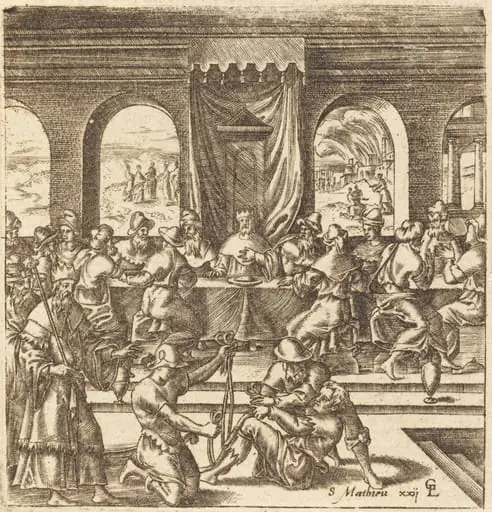 The Parable of the Marriage Feast
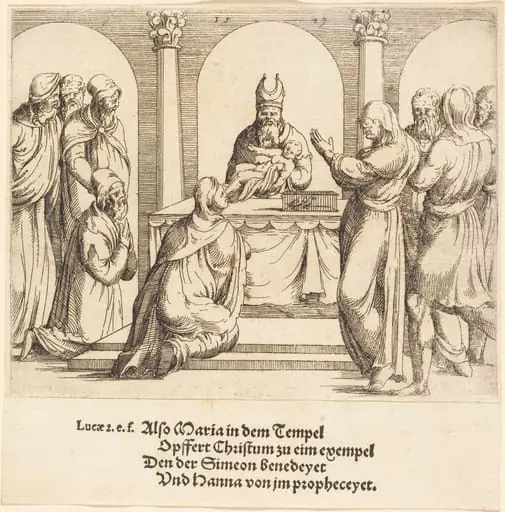 The Presentation in the Temple