Artwork
The Chief Priests and Pharisees
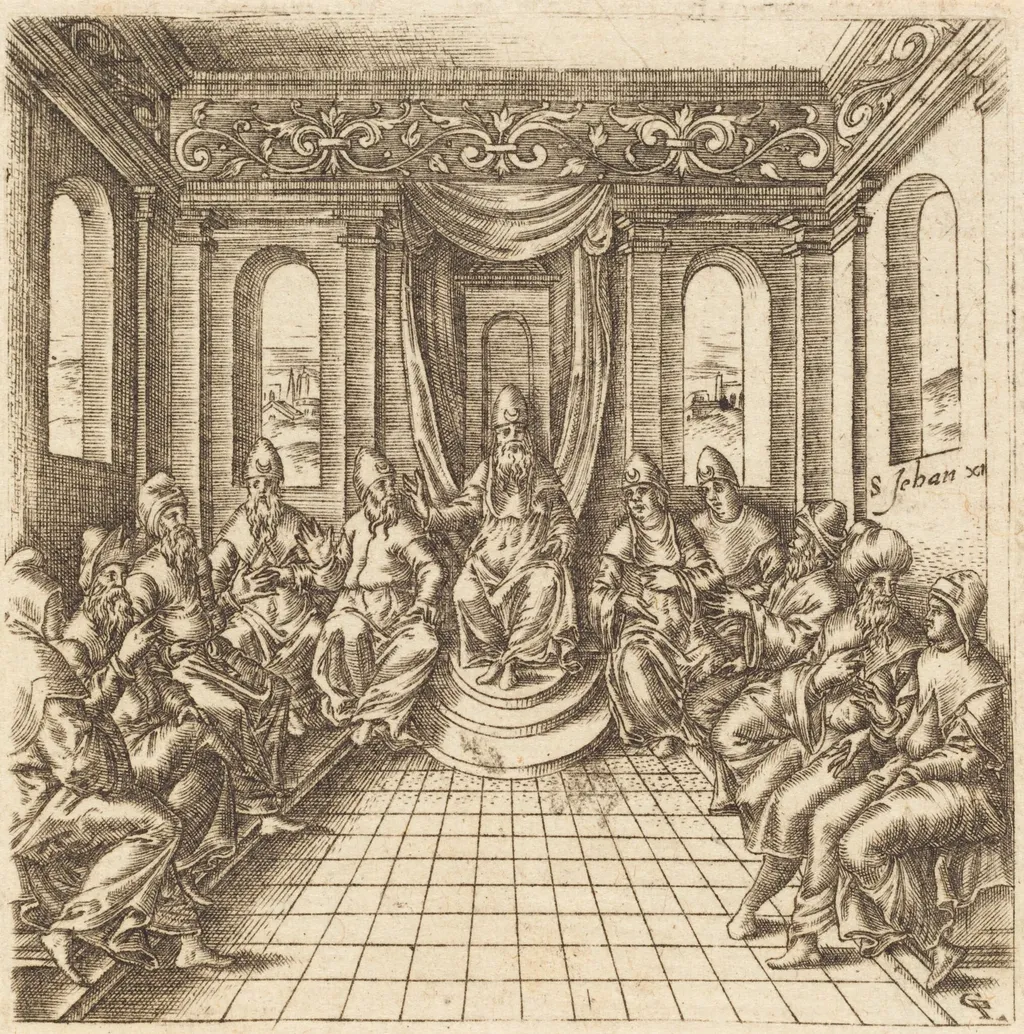
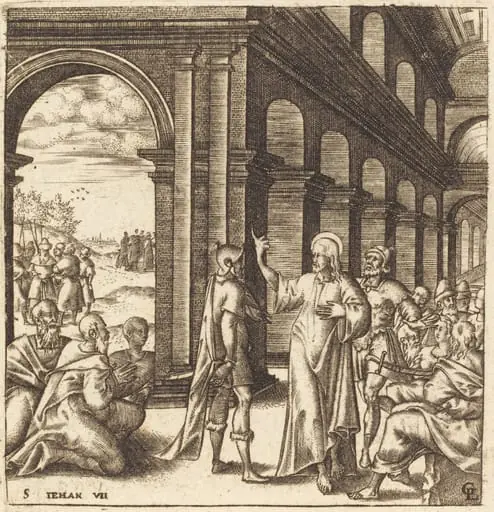
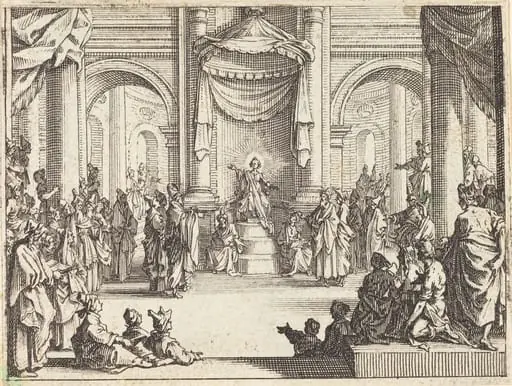
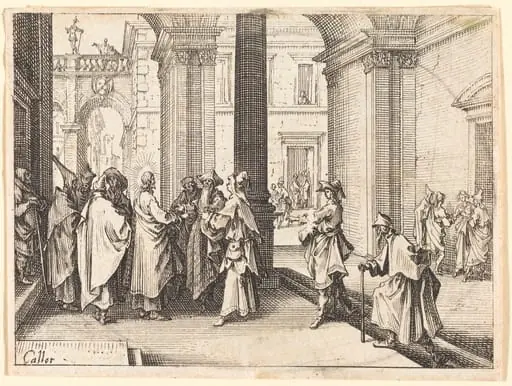
The Chief Priests and Pharisees is an ink print by the Renaissance artist Léonard Gaultier. It dates from 1578 and is held in the collection of the National Gallery of Art.
About this work
Overview
The Chief Priests and Pharisees is a detailed engraving created by French artist Léonard Gaultier around 1578. Executed entirely with a graver from the artist's own design, it exemplifies his technical proficiency in printmaking.
Subject & Meaning
This biblical scene portrays a gathering of chief priests and Pharisees in an ornate, arched-windowed room. The depiction reflects Gaultier's frequent exploration of religious and historical themes.
Technique & Style
Characterized by precise, formal lines and intricate shading, the engraving showcases Gaultier's mastery of graver work. The detailed rendering of textures, facial expressions, and robes achieves a sense of realism, with cross-hatching contributing to the depth of the image.
History & Provenance
Created circa 1578 by Léonard Gaultier, born in Mainz around 1561 and active in Paris until his death in 1641. The work's provenance details are not specified in available information.
Context
Emerging from the late 16th-century European printmaking tradition, this work aligns with the period's attention to religious subjects and meticulous craftsmanship in art.
Legacy
While specific impact or notable exhibitions of *The Chief Priests and Pharisees* are not detailed, the piece contributes to the broader appreciation of Gaultier's technical skill and the enduring relevance of biblical themes in early modern European art.
Artist & collection
Artist
Léonard Gaultier, or, as he sometimes signed himself, Galter, a French engraver, was born at Mainz about 1561, and died in Paris in 1641.

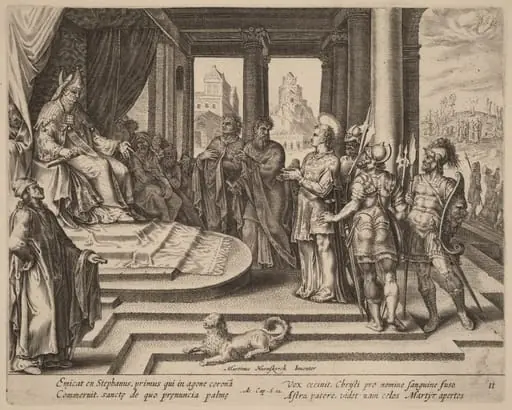 Saint Stephen before the Council
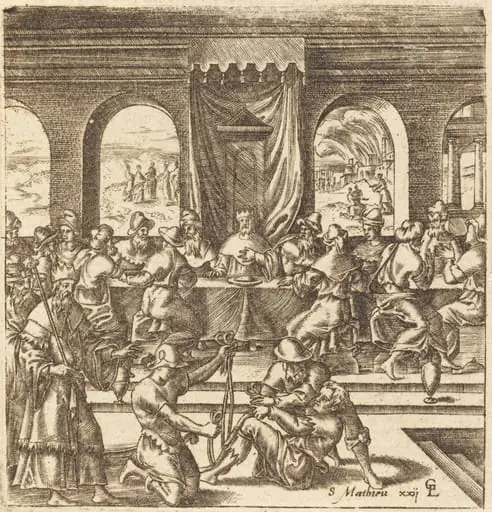 The Parable of the Marriage Feast
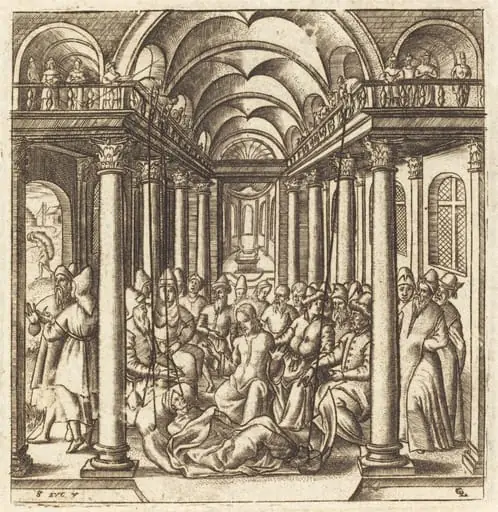 Christ Heals the Paralyzed Man
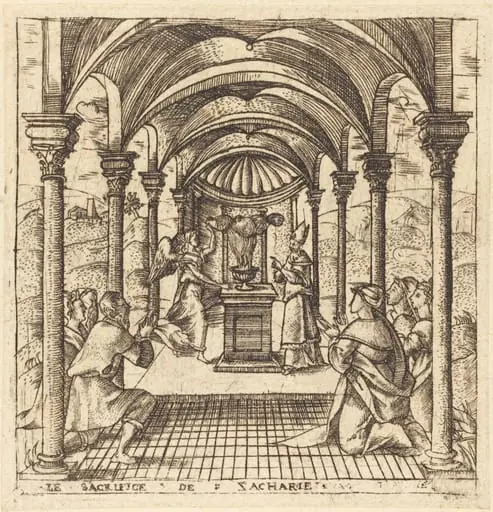 Zacharias and the Angel of the Lord
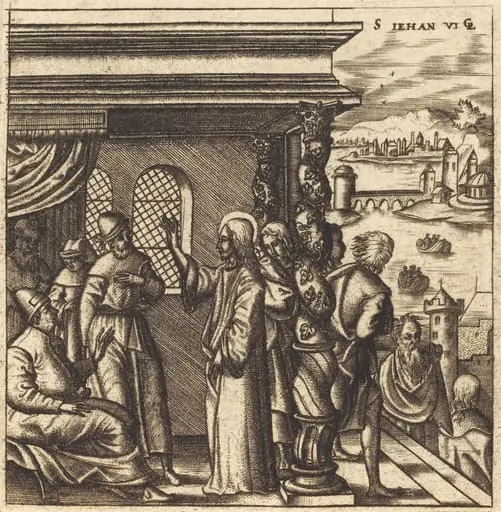 Christ Teaching in the Synagogue
 Christ Disputing with the Doctors
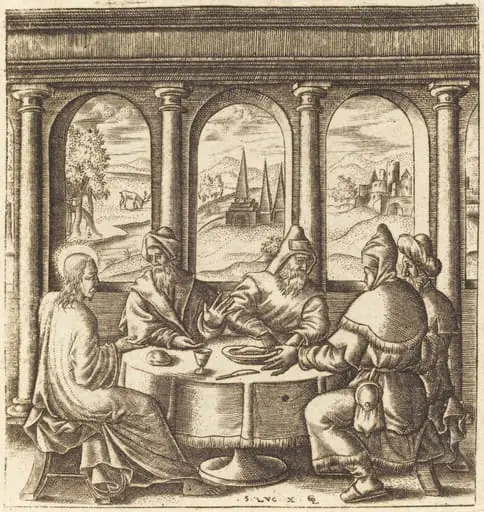 Christ Teaching
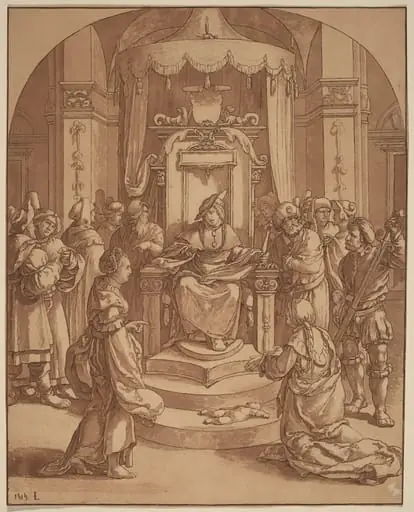 The Judgment of Solomon
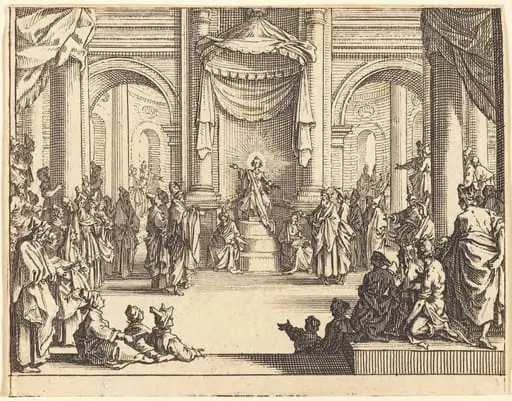 Christ Disputing with the Doctors
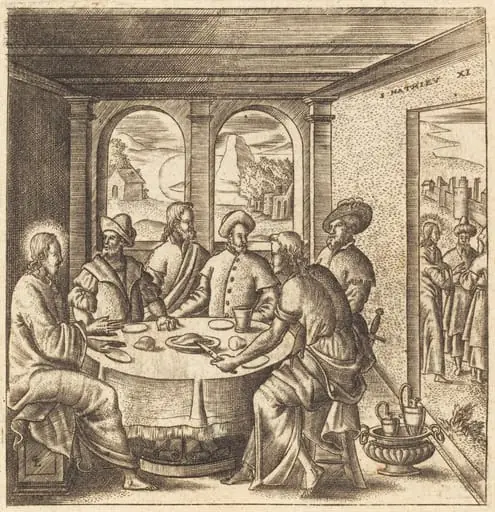 Christ Teaching
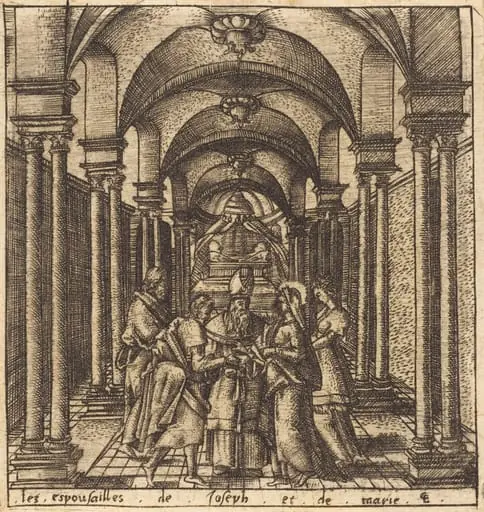 The Marriage of the Virgin
 Caesar's Coin