Artwork
Edward Cocker, Arithmetician and Writing Master
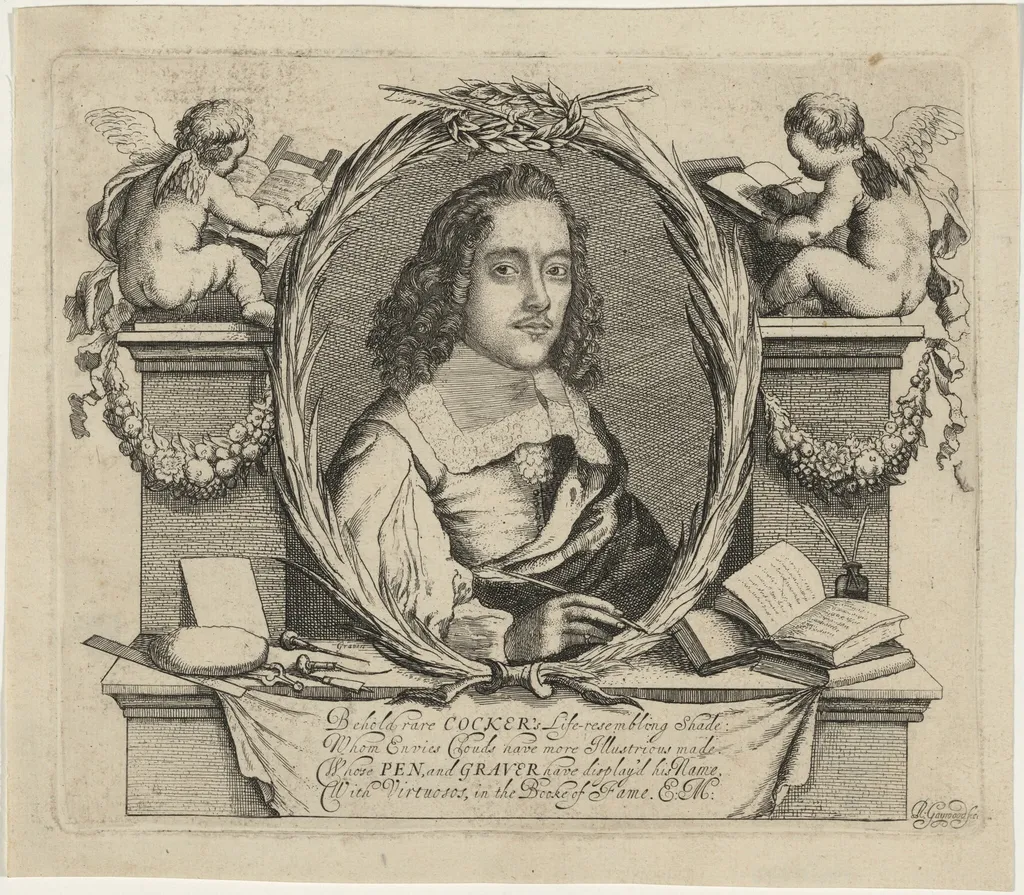
Edward Cocker, Arithmetician and Writing Master is an ink print by the Baroque artist Robert Gaywood. It dates from 1655 and is held in the collection of the National Gallery of Art.
About this work
Overview
Robert Gaywood’s 1655 etching presents Edward Cocker, identified as an arithmetician and writing master. The print captures Cocker seated at a desk, surrounded by scholarly paraphernalia, and framed by decorative elements that emphasize his intellectual standing.
Subject & Meaning
Cocker is shown with curly hair, dressed in a lace‑trimmed shirt and dark vest, suggesting a respectable professional attire of the period. The desk holds books, writing tools, and a leafy wreath, while two cherubic figures flank the scene—one bearing a book, the other a quill—symbolising learning and the arts.
Technique & Style
Executed in fine line etching, the work displays a high degree of detail and realistic rendering characteristic of mid‑17th‑century Baroque printmaking. The delicate handling of textures—hair, fabric, foliage—and the balanced composition reflect Gaywood’s skill in translating a complex tableau onto paper.
History & Provenance
Created in 1655, the print was likely produced for distribution among educated circles, serving both as a portrait of Cocker and as a promotional image of his expertise in arithmetic and penmanship. Its survival in museum collections attests to its continued relevance as a document of early modern intellectual culture.
Context
The inclusion of allegorical cherubs and a laurel‑like wreath aligns the portrait with contemporary conventions that linked scholarly achievement to classical virtues. Such iconography was common in Baroque portraiture, where symbolic elements reinforced the subject’s reputation and societal role.
Artist & collection

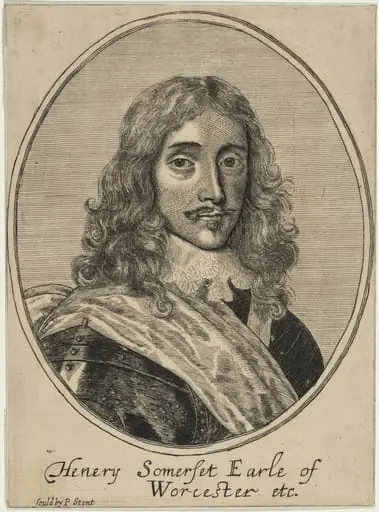 Henry Somerset, Earl of Worcester, First Dukeof Beaufort
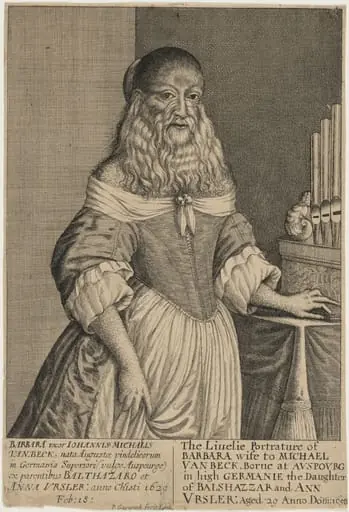 Barbara Van Beck, the Bearded Lady
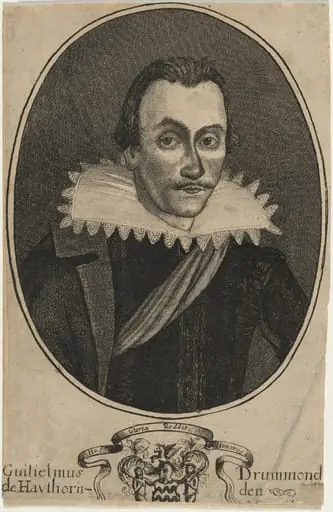 William Drummond of Hawthornden, Historian and Poet
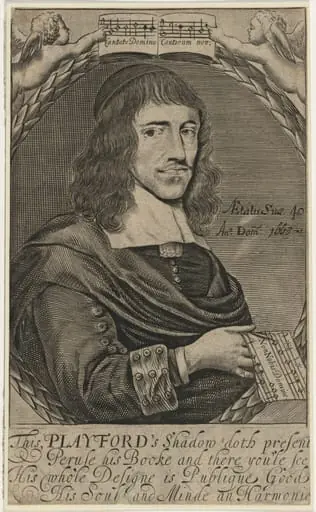 John Playford, Musician and Music Publisher
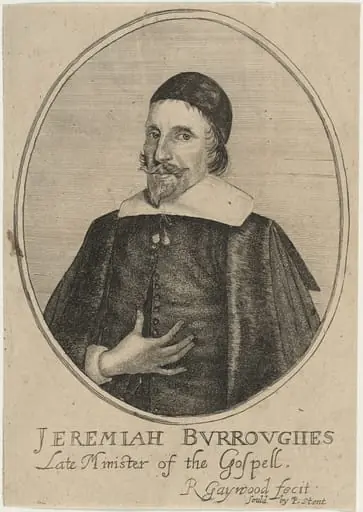 Jeremiah Burroughes, Puritan Divine
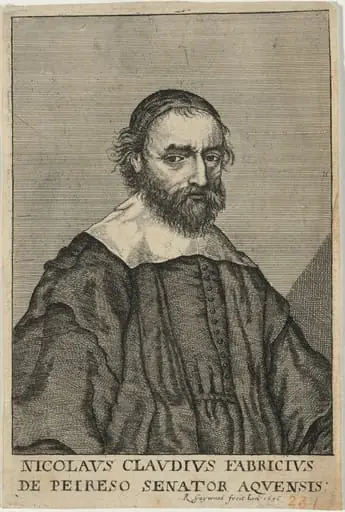 Nicholas Claude Fabri de Peireso, French Antiquary
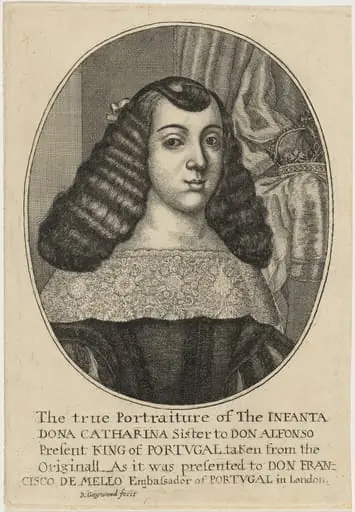 Catherine of Braganza
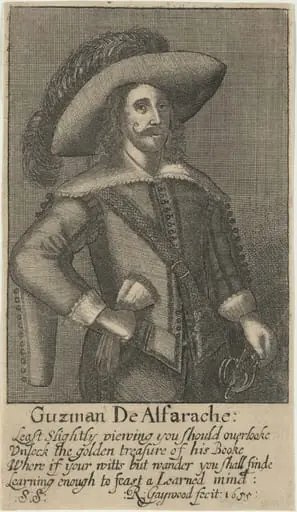 Guzman de Alfarache
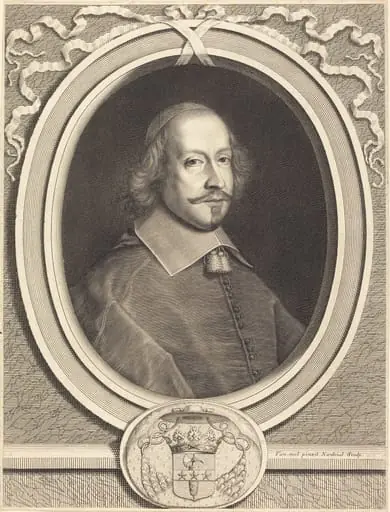 Cardinal Jules Mazarin
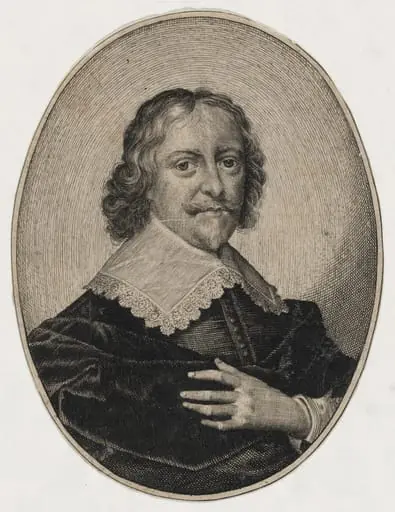 Portrait of a Man with a Broad Collar
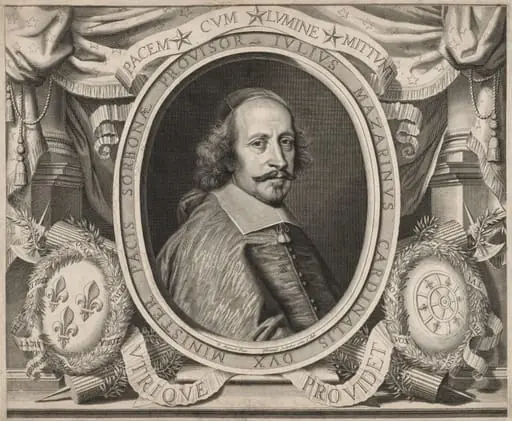 Cardinal Mazarin
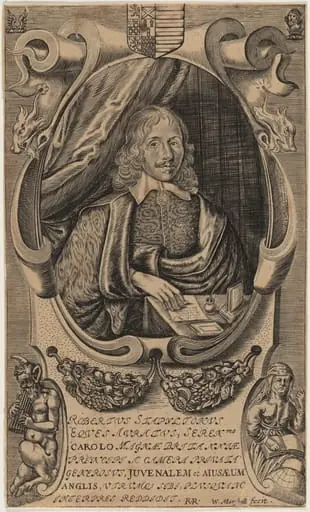 Sir Robert Stapylton, dramatic poet and translator
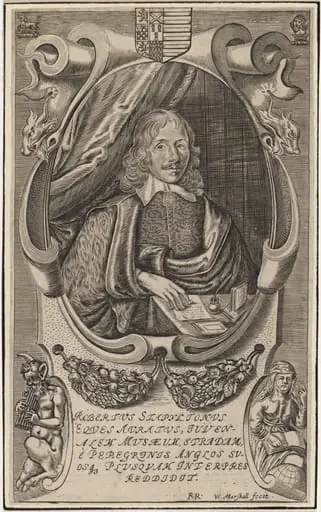 Sir Robert Stapylton
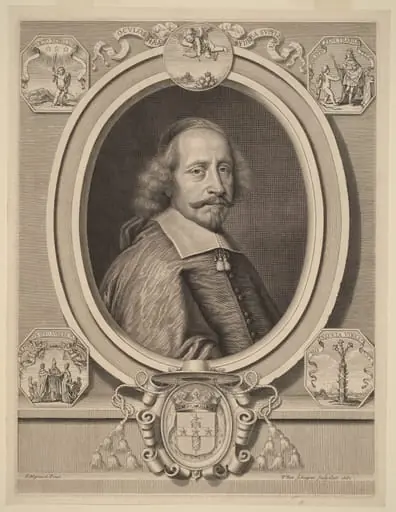 Cardinal Jules Mazarin
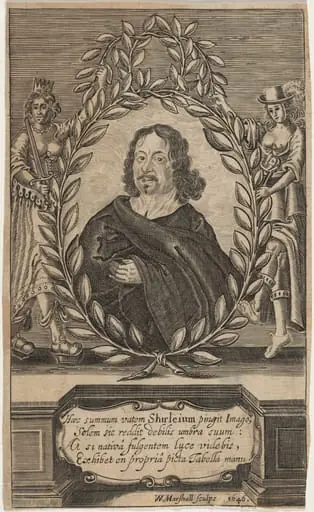 James Shirley
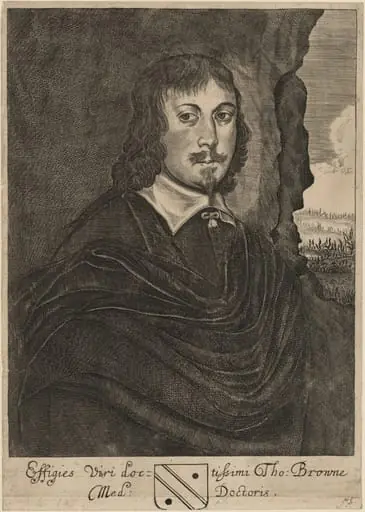 Tho. Browne, Med. Doctoris (Sir Thomas Browne, M.D.)
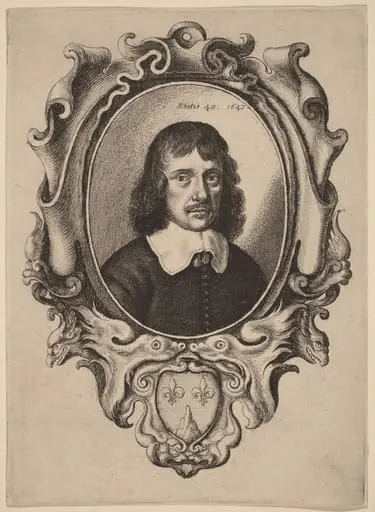 Self-Portrait
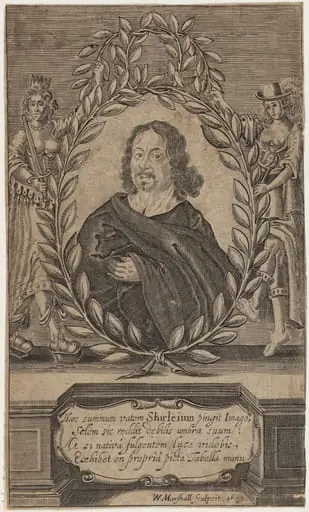 James Shirley
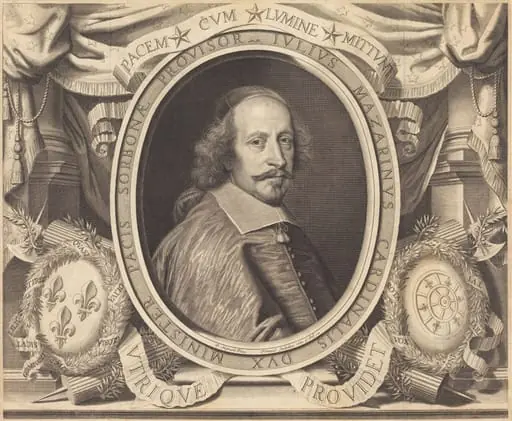 Cardinal Jules Mazarin
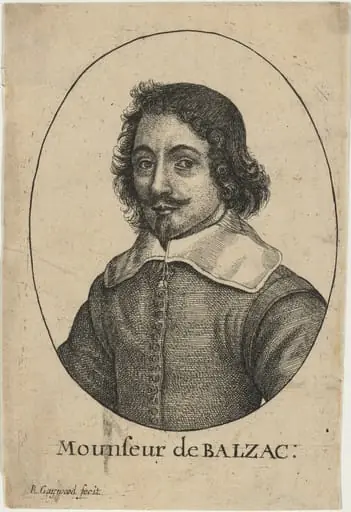 Jean Louis Guez, Sieur de Balzac