Artwork
Stil-life with fried eggs
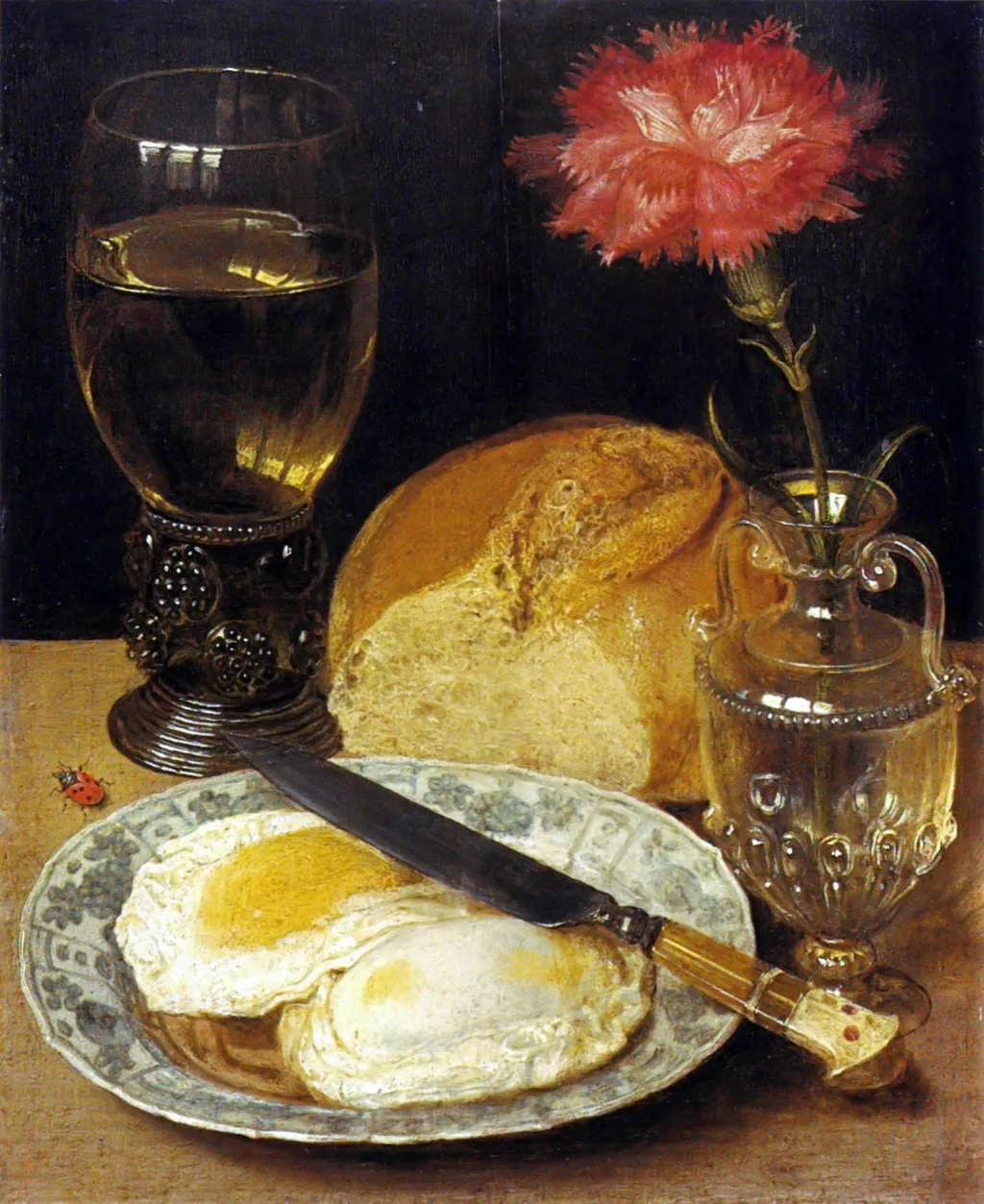
Stil-life with fried eggs is an oil painting by the Dutch Golden Age artist Georg Flegel. It dates from 1630 and is held in the collection of the Alte Pinakothek.
About this work
Overview
Still-life with fried eggs is a 1630 oil painting by Georg Flegel, a prominent figure in early German still-life painting, associated with the Dutch Golden Age tradition. The work features a humble arrangement of common food items and household objects.
Subject & Meaning
The painting depicts a straightforward, domestic setup: a dark glass pitcher, a partially cut loaf of bread, a plate with two runny fried eggs and a knife, and a clear glass jug with a spout accompanied by a vivid red flower, all set against a dark background. The composition highlights everyday life's simplicity.
Technique & Style
Flegel employs chiaroscuro, leveraging a dark backdrop to accentuate the vibrant colors and textures of the subjects, drawing the viewer's attention to each detail. The realism of the red flower is notably pronounced.
History & Provenance
Created in 1630, the painting is part of the Alte Pinakothek's collection. Flegel, active in the early 17th century, primarily worked in Frankfurt after starting his career in Olomouc.
Context
This work aligns with the Dutch Golden Age still-life tradition, characterized by its focus on domestic, everyday subjects. Flegel's contribution to this genre helped establish him as a key figure in early German still-life painting.
Own this work as a print
Artist & collection
Artist
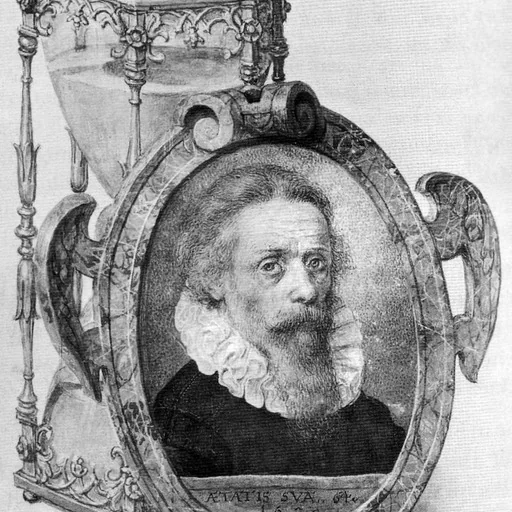
Georg Flegel (c. 1566 – 23 March 1638) was a German painter, best known for his still-life works. Born in Olomouc, he later worked in Frankfurt, where he became a leading figure in early German still-life painting.

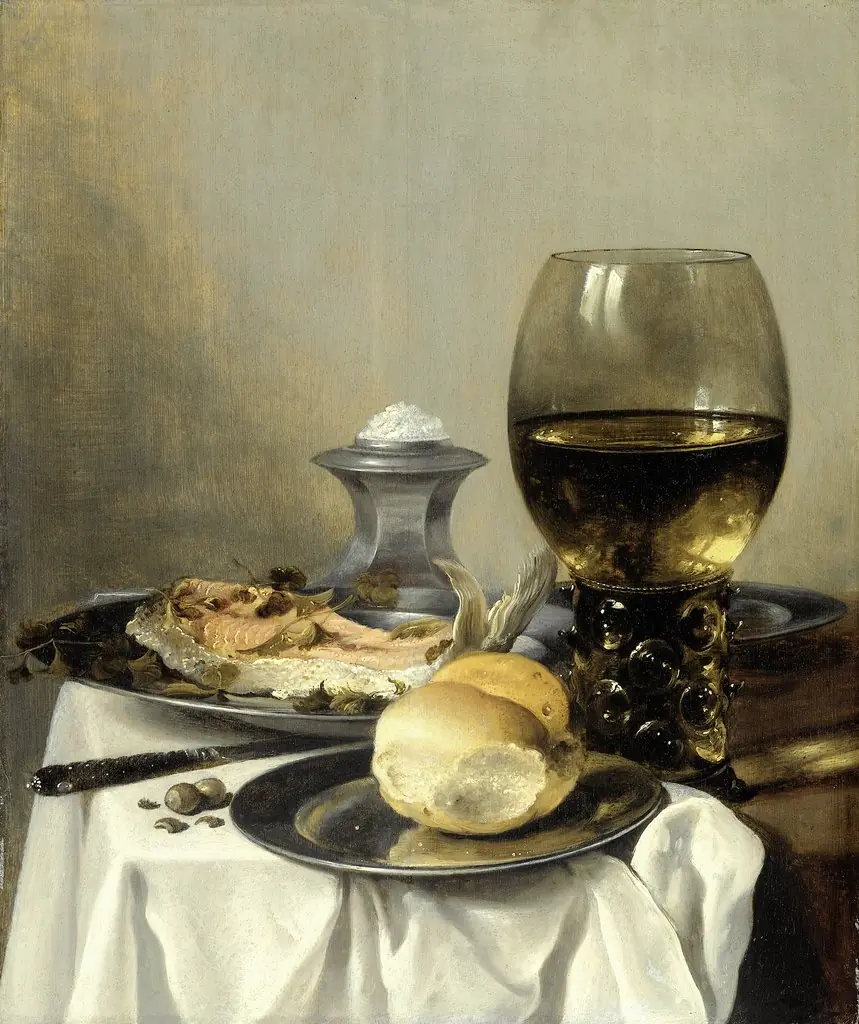 Still life with a salt cellar
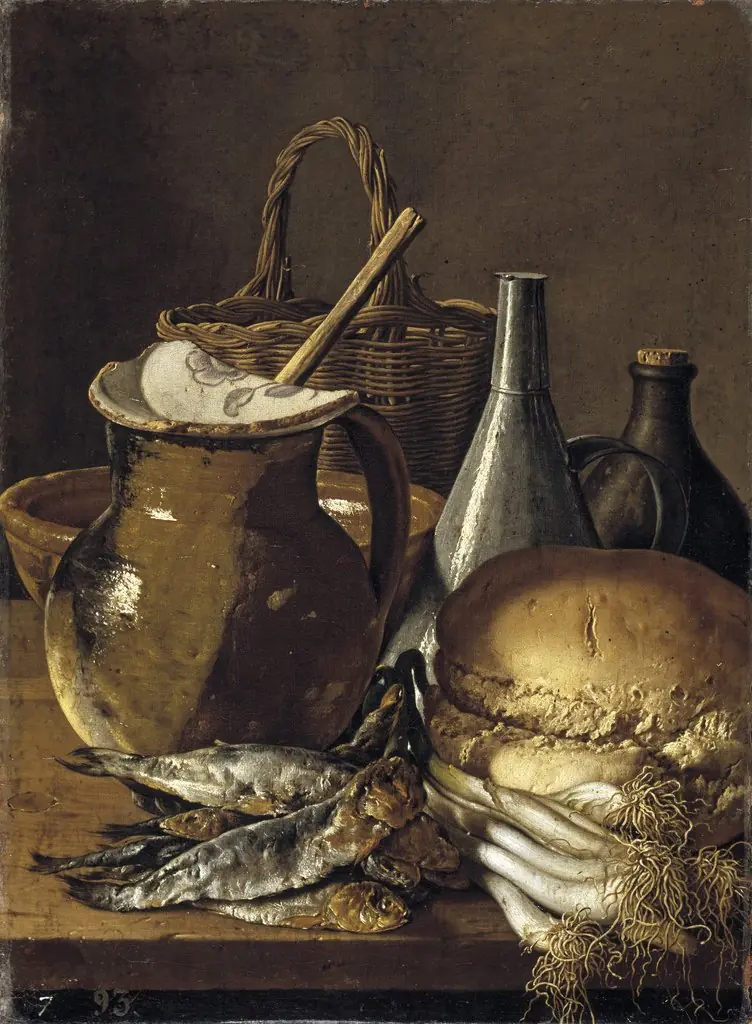 Still Life with Herrings Chives Garlic and Kitchen Utensils
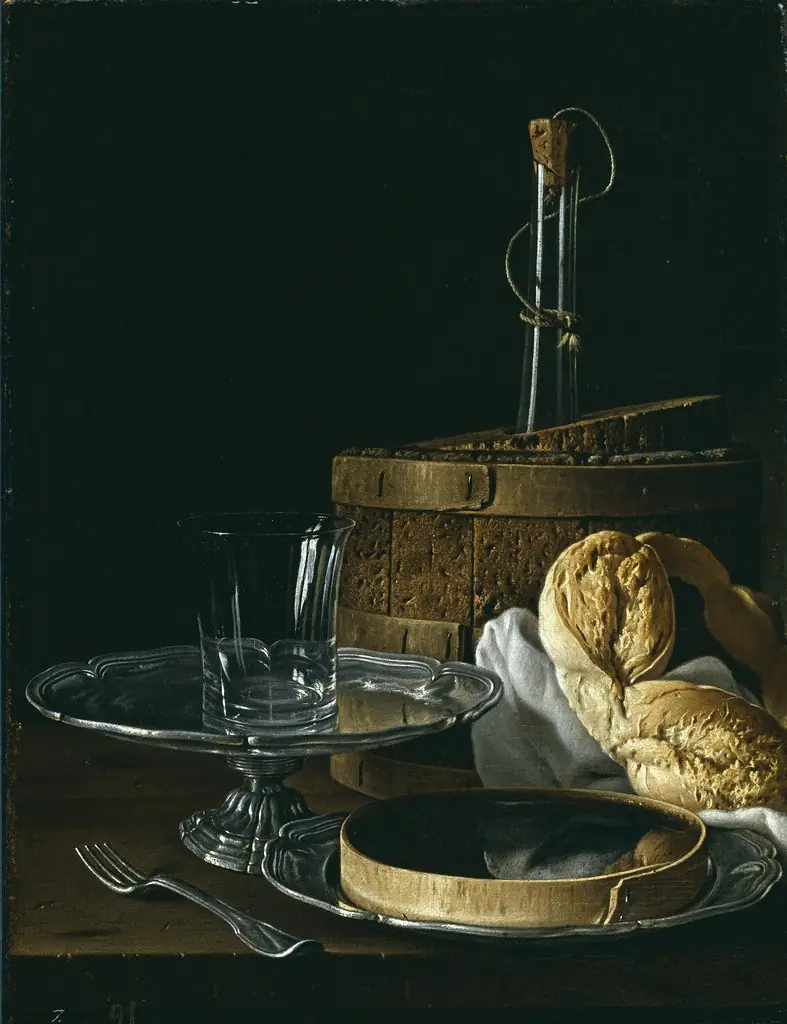 Still Life with Box of Jelly Bread Salver with Glass and Cooler
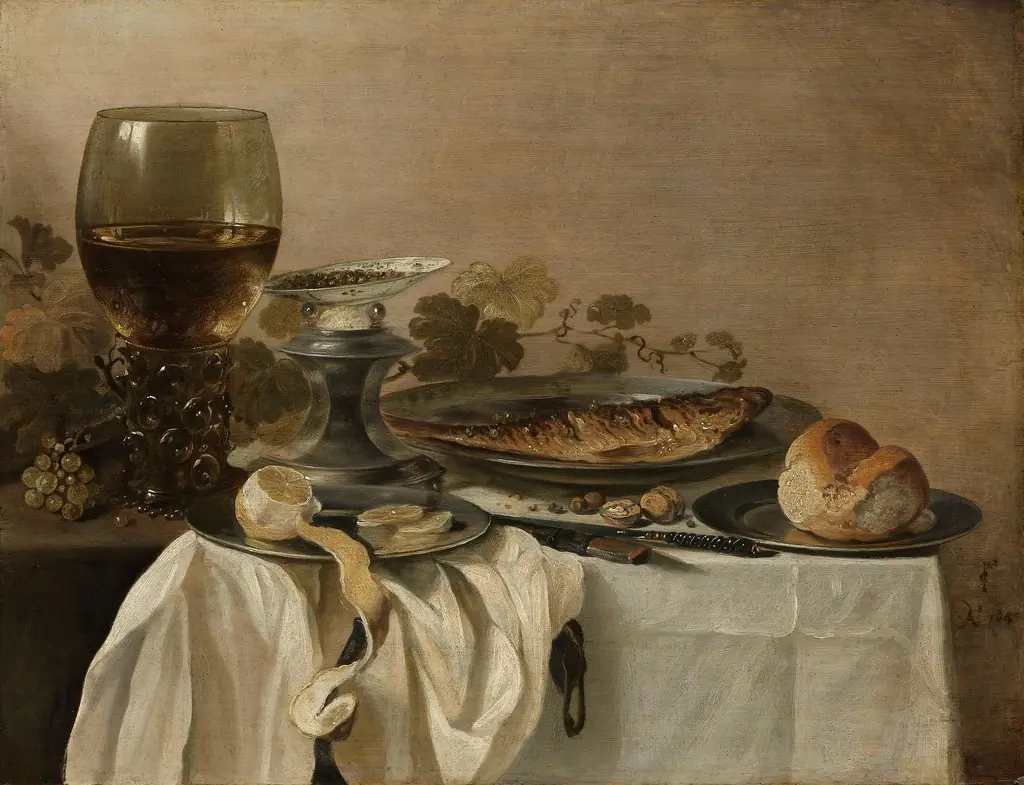 Still life with a fish
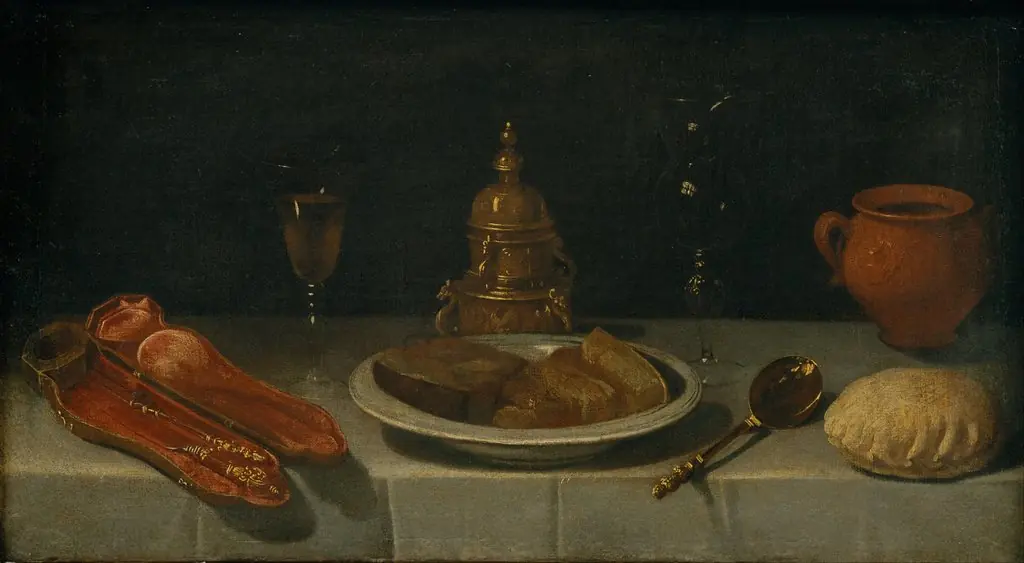 Still Life and Laid Table
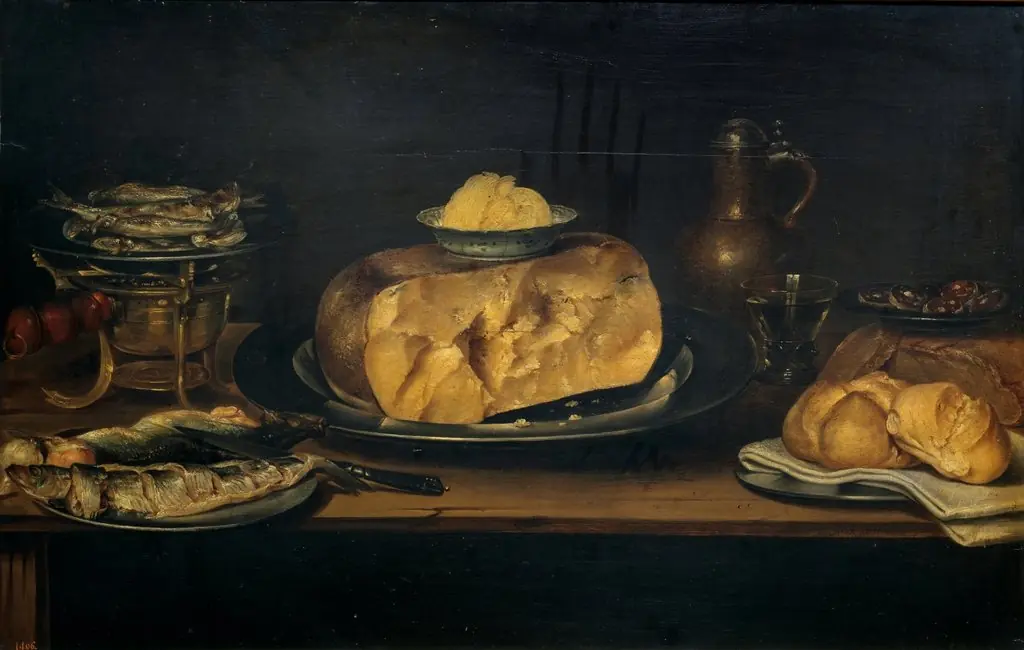 Still life of a table with crockery, cheese, sausage and fish
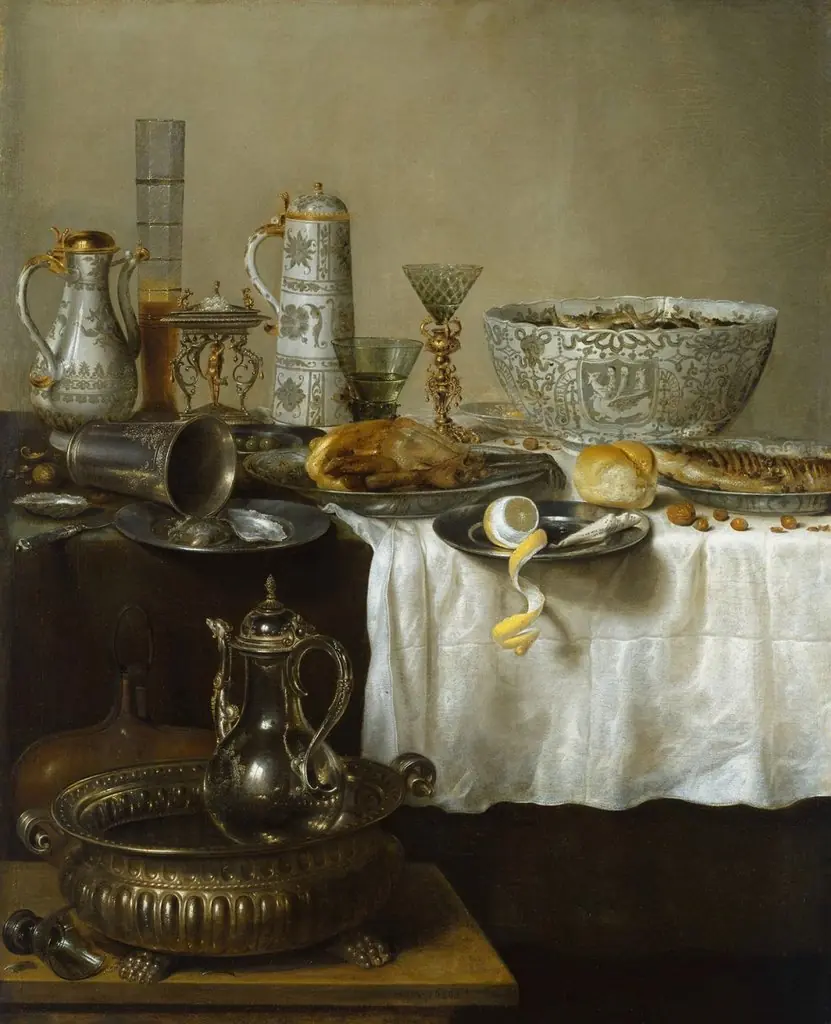 Sumptuous still life
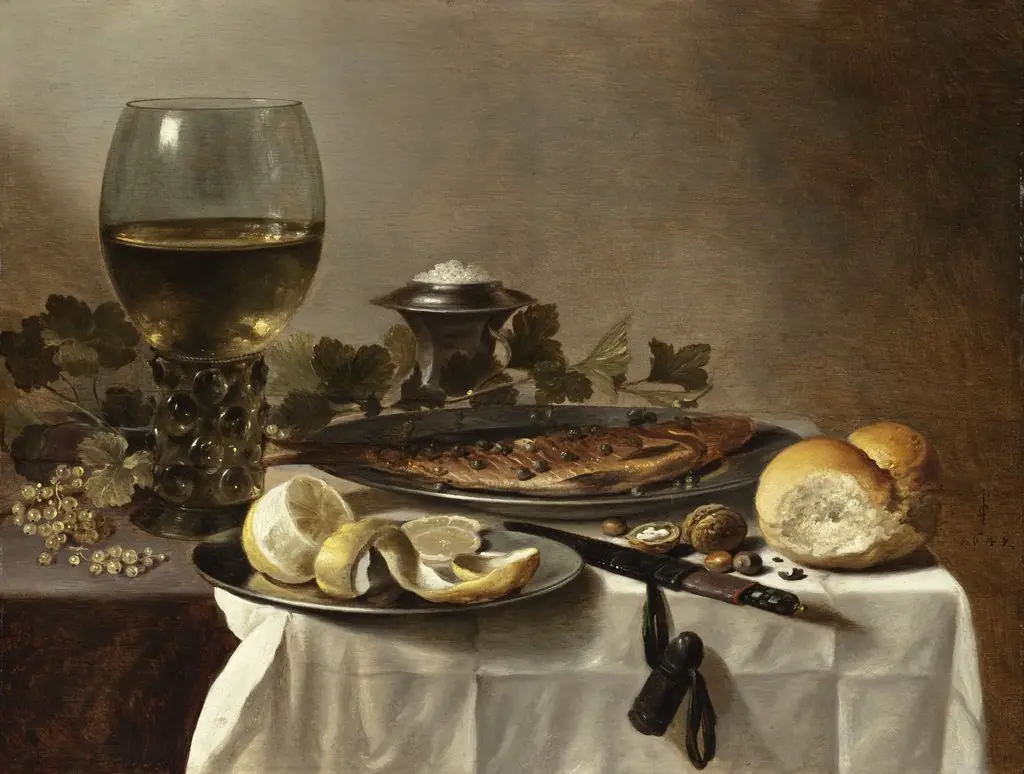 Still Life with Herring, Wine and Bread
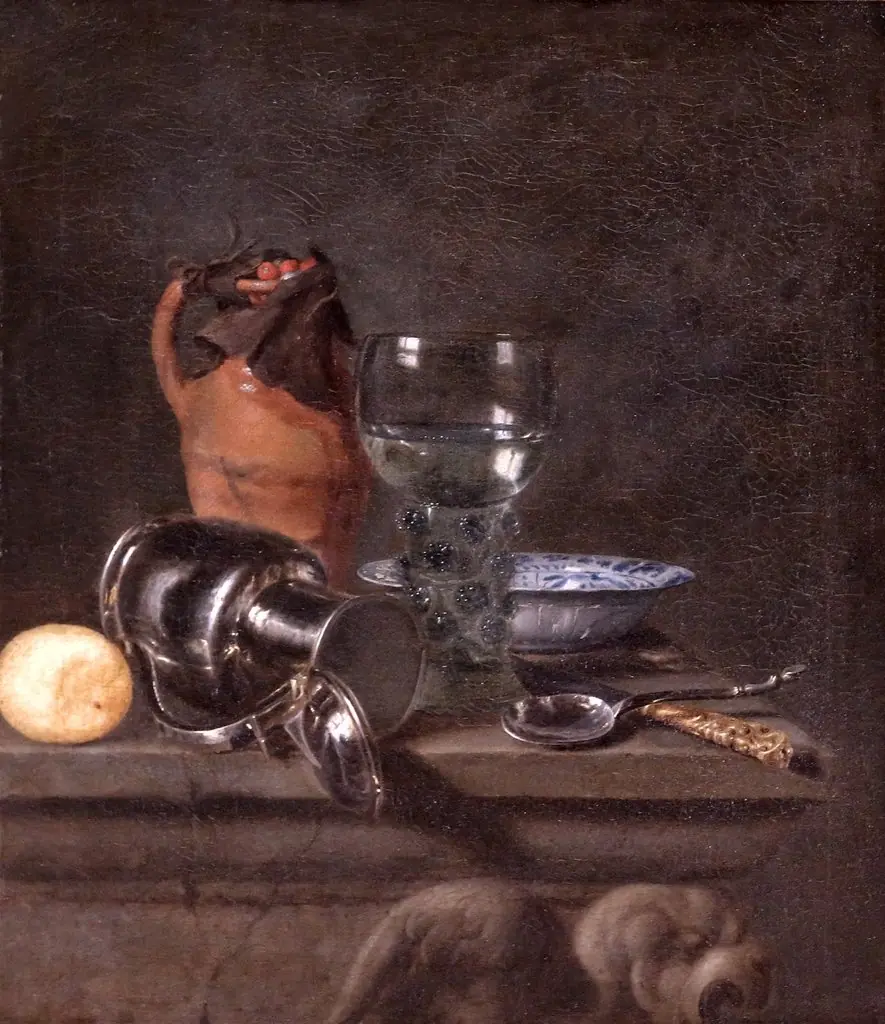 Still life with fallen pewter jug and roemer