Artwork
Council of High Priests
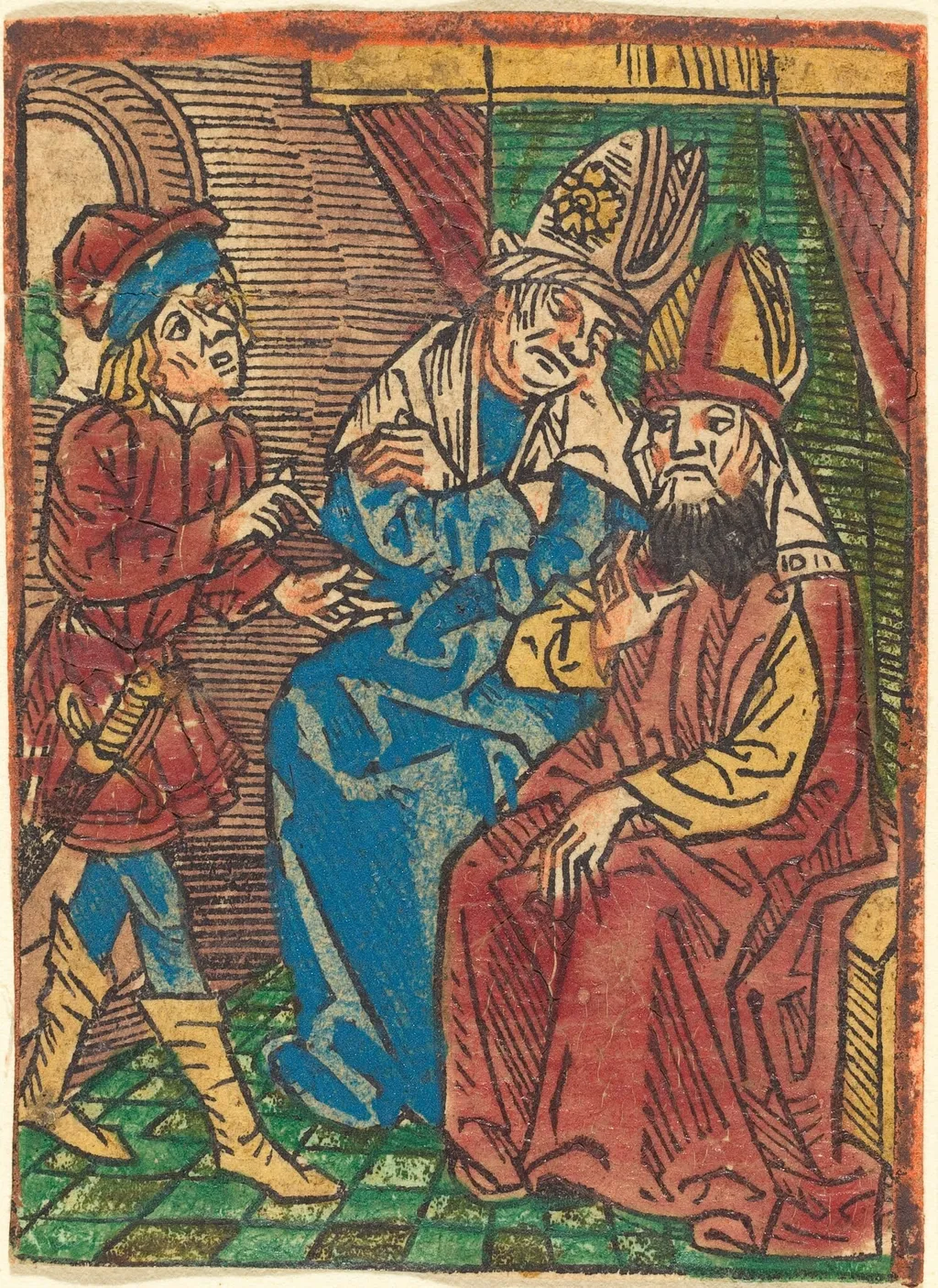
Council of High Priests is an ink print by the Renaissance artist German 15th Century. It dates from 1490 and is held in the collection of the National Gallery of Art. This hand-colored woodcut depicts a gathering of three religious figures in a modest interior.
About this work
Overview
The technique reflects 15th-century printmaking practices, where carved wooden blocks were inked and pressed onto paper, then manually tinted.
This hand-colored woodcut depicts a gathering of three religious figures in a modest interior. The composition is compact and energetically rendered, with strong outlines and vivid, unblended hues. The technique reflects 15th-century printmaking practices, where carved wooden blocks were inked and pressed onto paper, then manually tinted. The immediacy of the lines and the lack of refined detail suggest a focus on symbolic presence over naturalism.
Subject & Meaning
The three figures, distinguished by their ornate robes and halos, are likely high-ranking clergy engaged in deliberation. The standing figure, clad in red and blue, appears to observe or await judgment, while the seated pair, one marked by a green halo, converse intently. The scene implies a moment of doctrinal or institutional decision-making, though the specific subject remains unrecorded. The halos affirm their sacred status, anchoring the image in a spiritual context.
Technique & Style
Executed as a hand-colored woodcut, the image was produced by carving a design into a wooden block, inking the raised surfaces, and pressing it onto paper. Color was applied afterward by hand, resulting in bold, flat areas of red, gold, green, and blue. The rough, expressive lines and minimal shading reflect a functional, rather than refined, aesthetic common in early printed religious imagery, prioritizing clarity and symbolic legibility.
History & Provenance
The work originates from the 1400s, a period when woodcut printing was widely used for devotional and instructional images across Europe. While its exact origin and early ownership are undocumented, its style aligns with regional workshops producing religious prints for monastic or lay audiences. The survival of such hand-colored prints is rare, as pigments often faded or were lost through handling.
Context
In the 15th century, printed images like this served as visual aids in an era of limited literacy. Religious councils and clerical authority were central to community life, and depictions of such gatherings reinforced institutional hierarchy. This print likely circulated among clergy or in monastic settings, offering a tangible representation of sacred decision-making, even if its narrative details remain ambiguous.
Legacy
Though not attributed to a known artist, this woodcut exemplifies the role of print in disseminating religious imagery before the rise of movable type. Its preservation offers insight into pre-Renaissance visual culture, where symbolic representation outweighed realism. It stands as a quiet testament to the craftsmanship and spiritual concerns of early printmakers who shaped how faith was visually communicated.
Artist & collection

Artist
This 15th-century German artist carved vivid religious scenes into metal and wood, then hand-painted them in bright, symbolic colors.

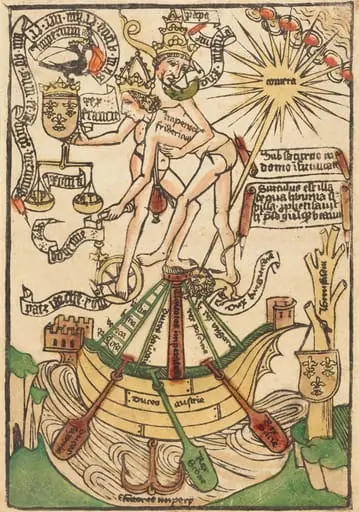 Allegory of the Meeting of Pope Paul II and Emperor Frederick III
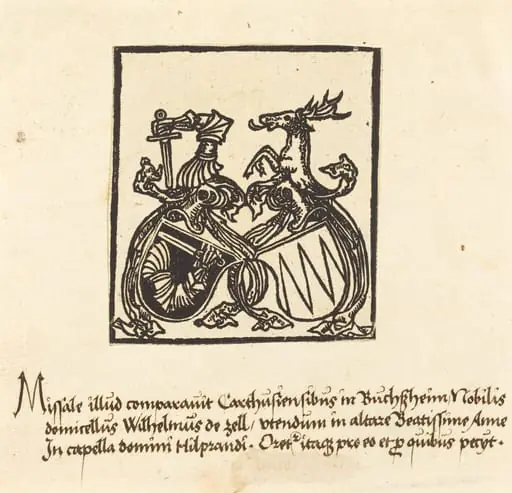 Bookplate of Wilhelm von Zell
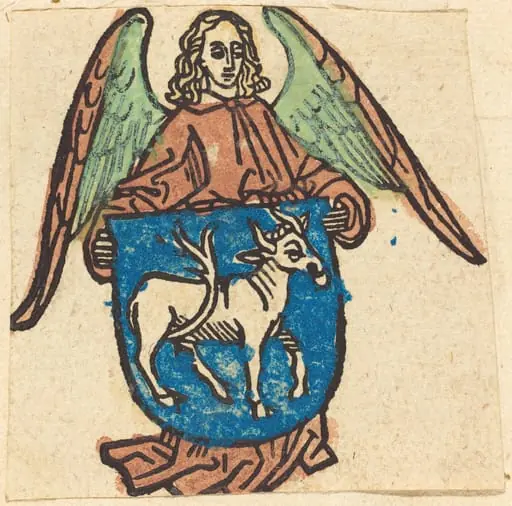 Bookplate of Hilprand Brandenburg of Bibrach
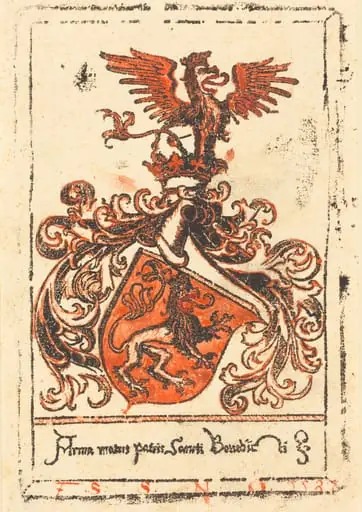 Bookplate of the Abbey of Ottobeuren
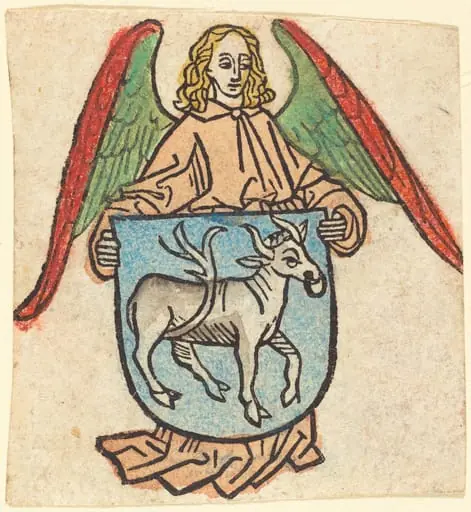 Bookplate of Hilprand Brandenburg of Bibrach
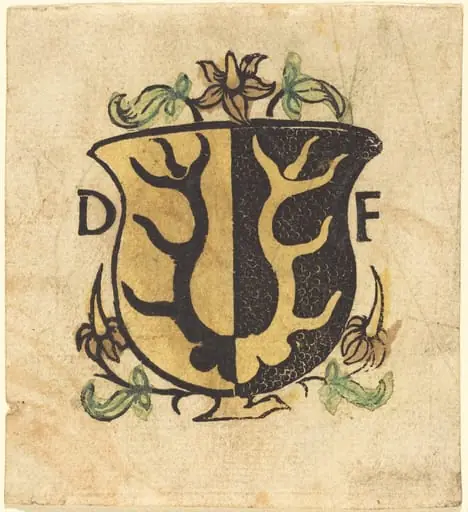 Bookplate of Dominicus Frauenfelder
![Studies for Six Figures (sheet from a model book) [recto], by German 15th Century](https://artifactworldgallery.com/img/german-15th-century--studies-for-six-figures-sheet-from-a-model-book-recto--4837429e0755bc3f-w320.webp) Studies for Six Figures (sheet from a model book) [recto]
Studies for Six Figures (sheet from a model book) [recto]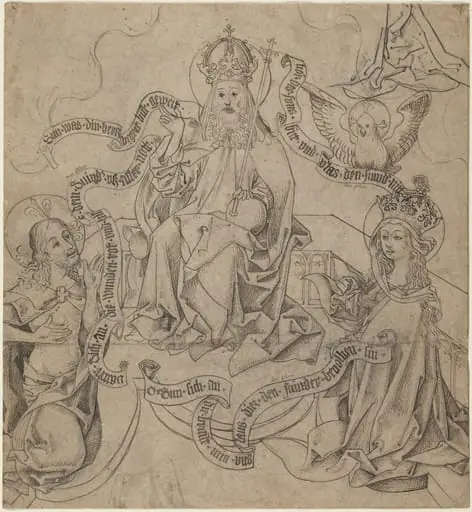 Christ and Mary Interceding with God the Father
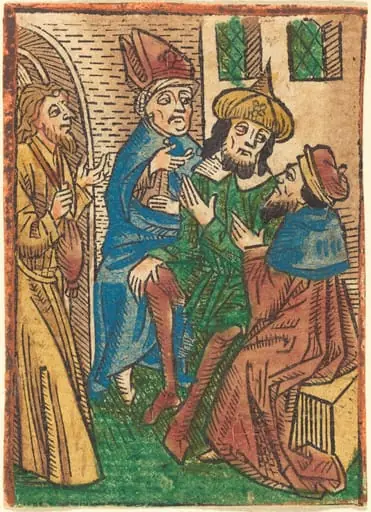 Treason of Judas
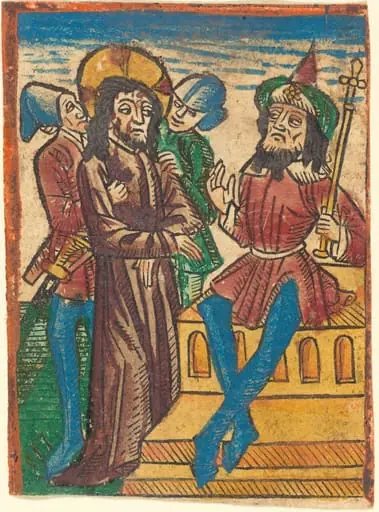 Christ before Pilate
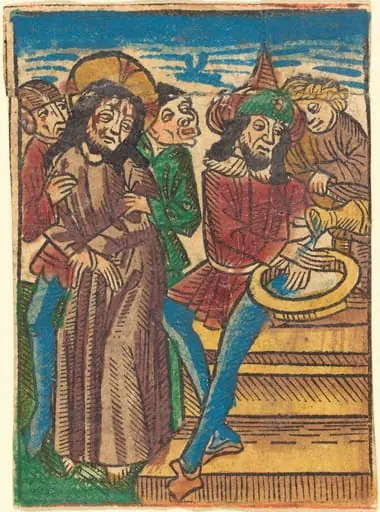 Pilate Washing His Hands
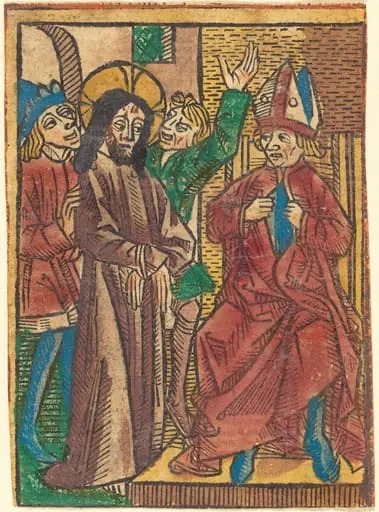 Before Caiaphas
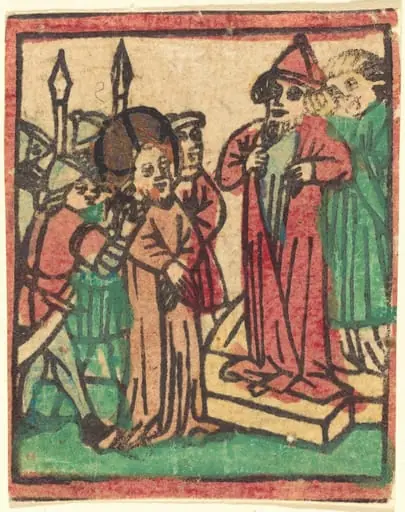 Caiaphas Tearing his Clothes
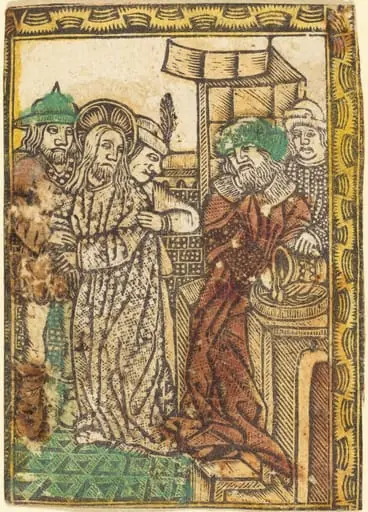 Pilate Washing His Hands
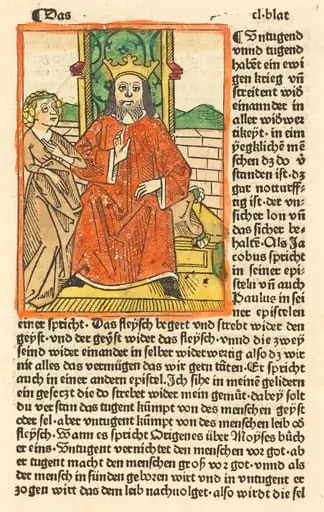 Crowned Man on a Throne with the Virgin Standing at the left
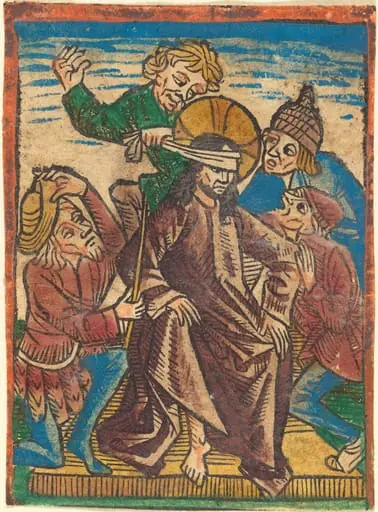 Mocking of Christ
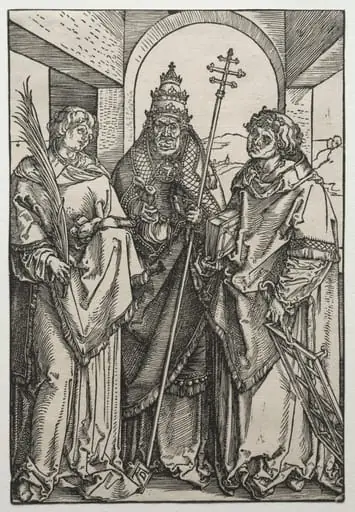 Saints Stephen, Sixtus and Laurence
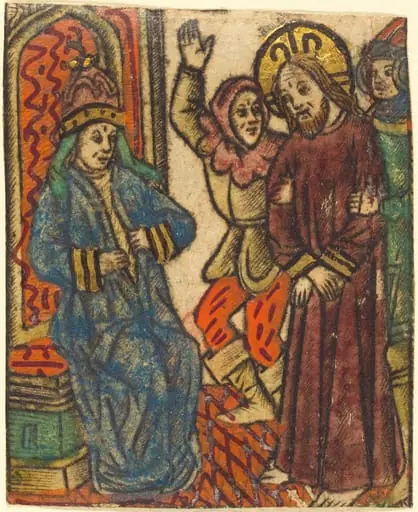 Christ before Caiaphas
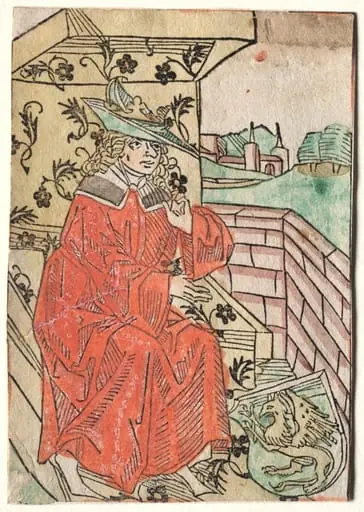 Hartlib's Alexander: Alexander Seated on Throne
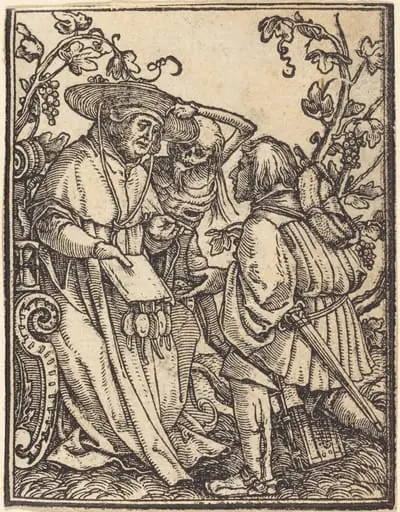 The Cardinal